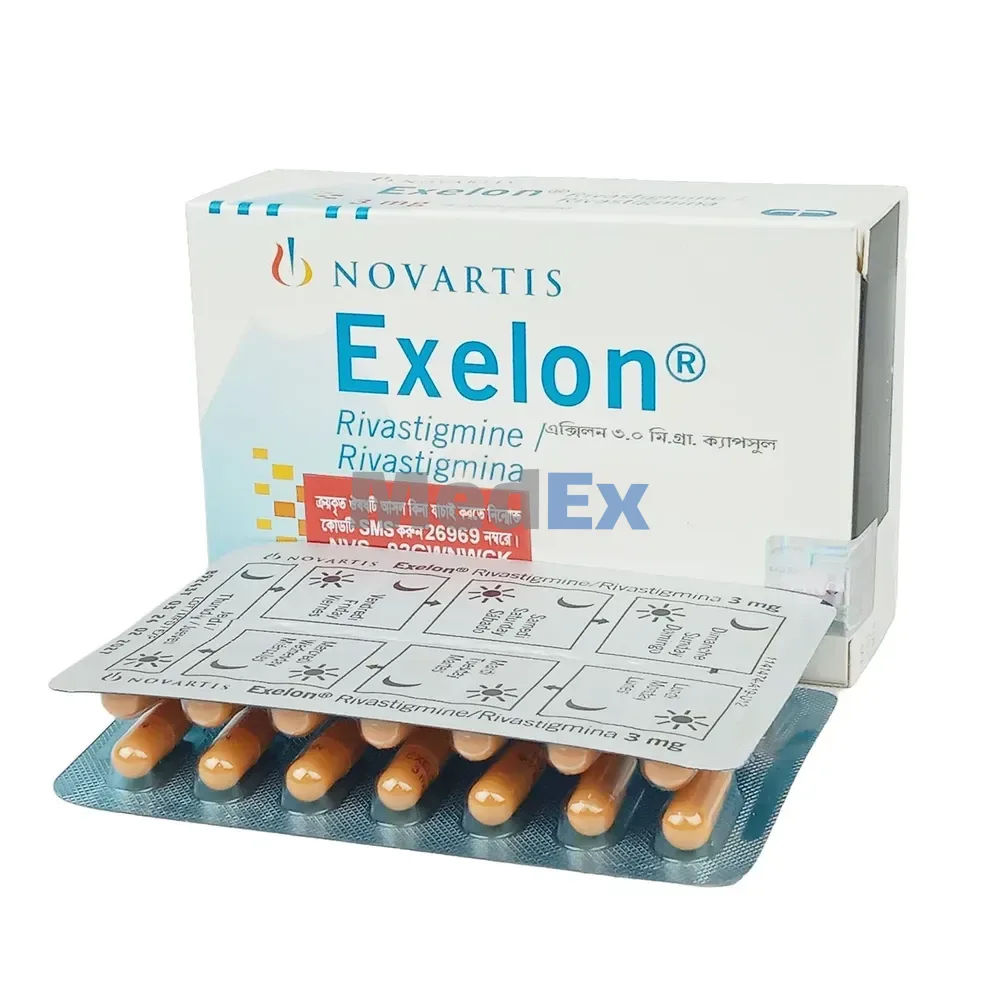
Exelon
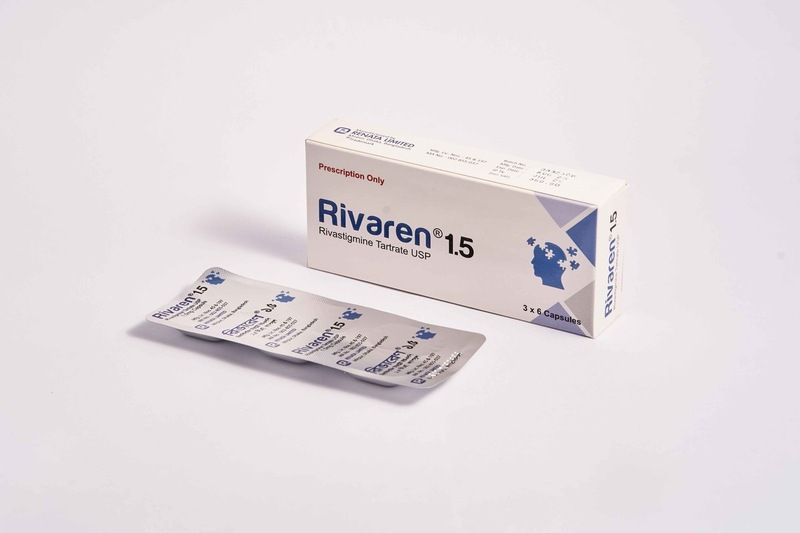
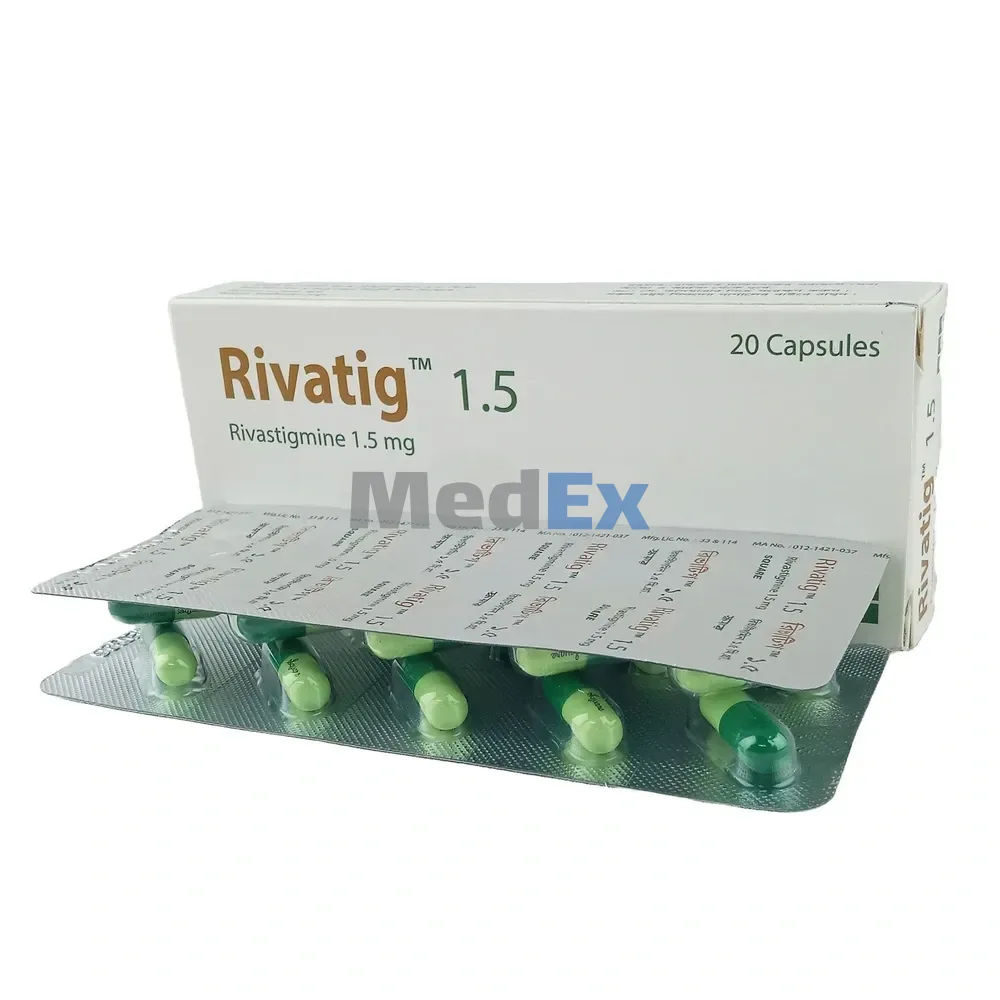
Cheaper & Alternative Brands
Same generic (Rivastigmine Tartrate), same form (Capsule)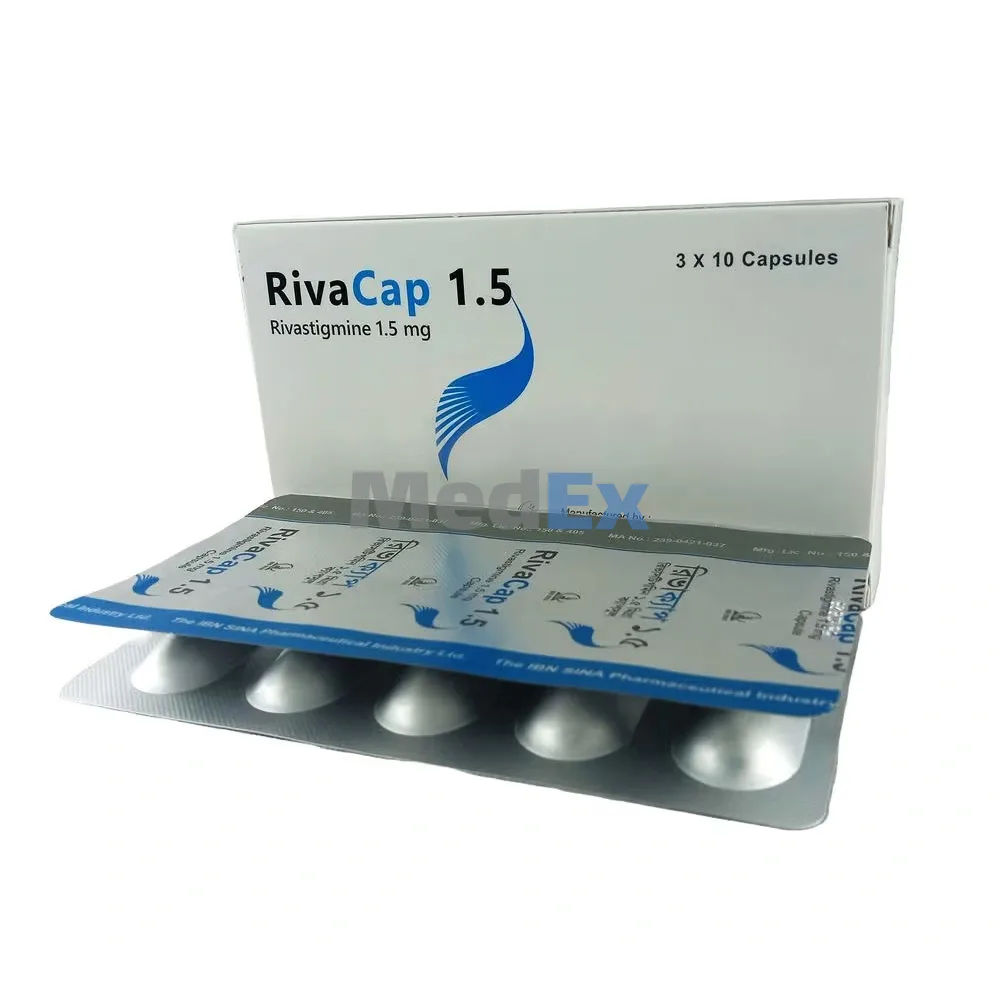
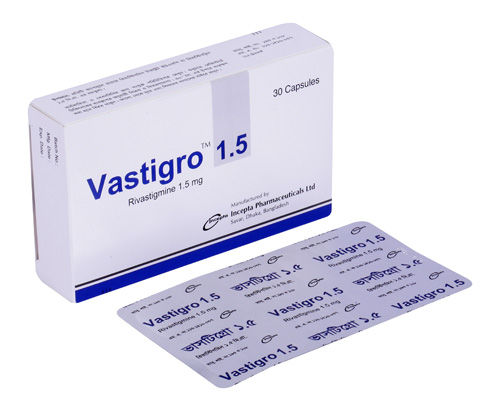
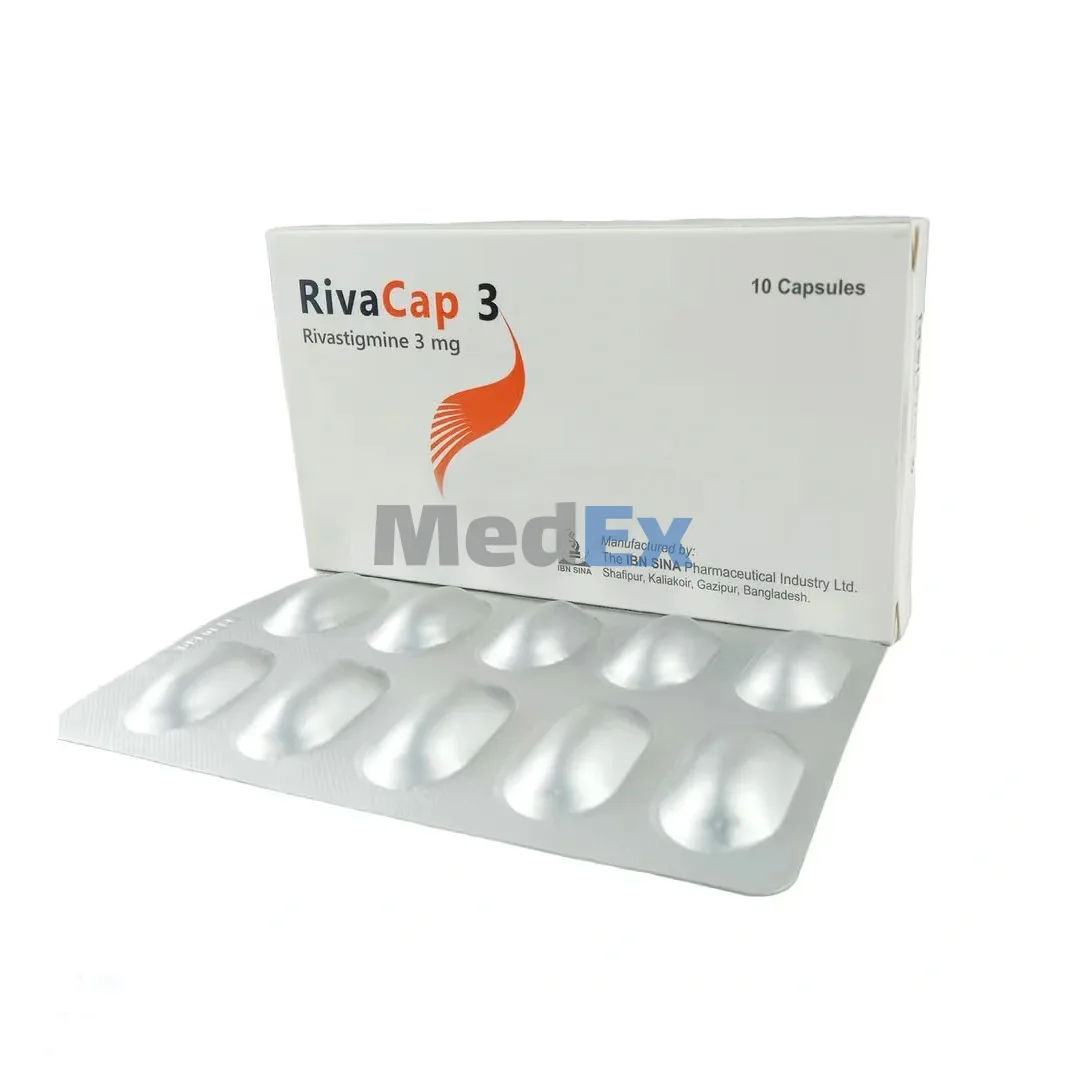
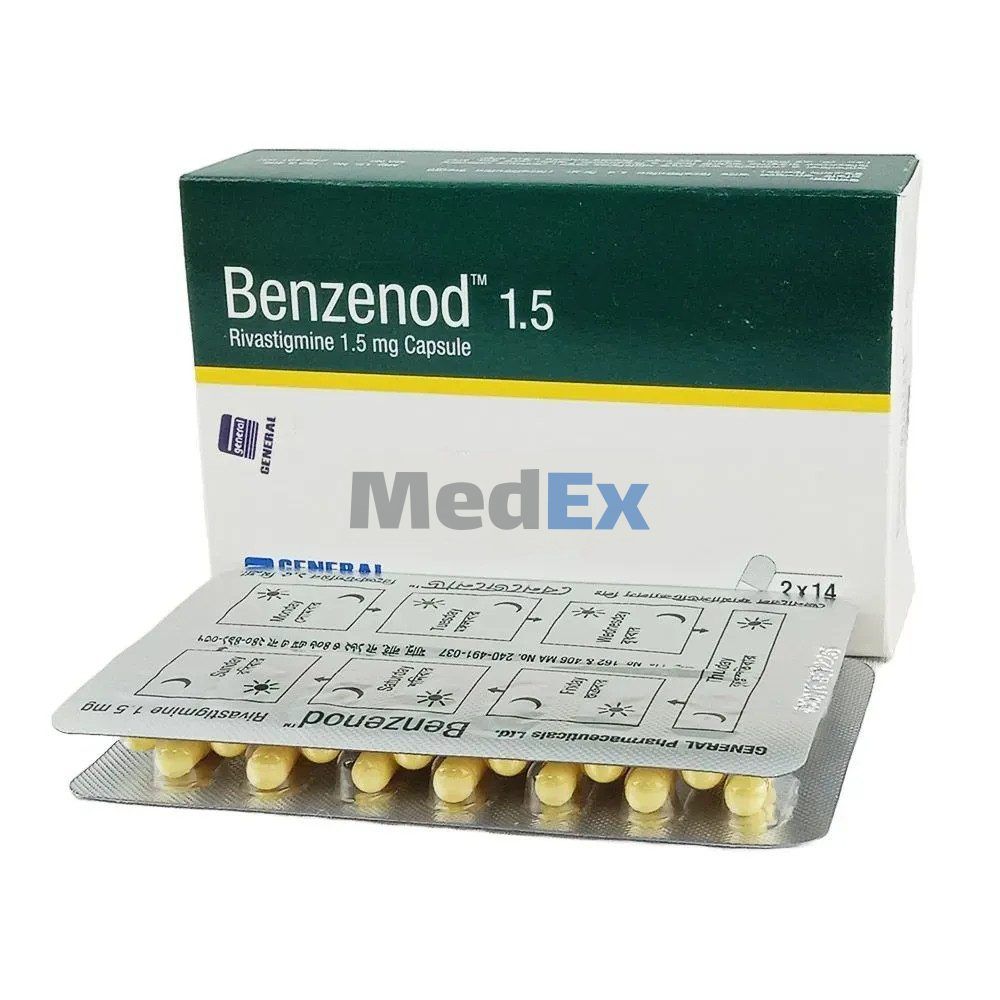
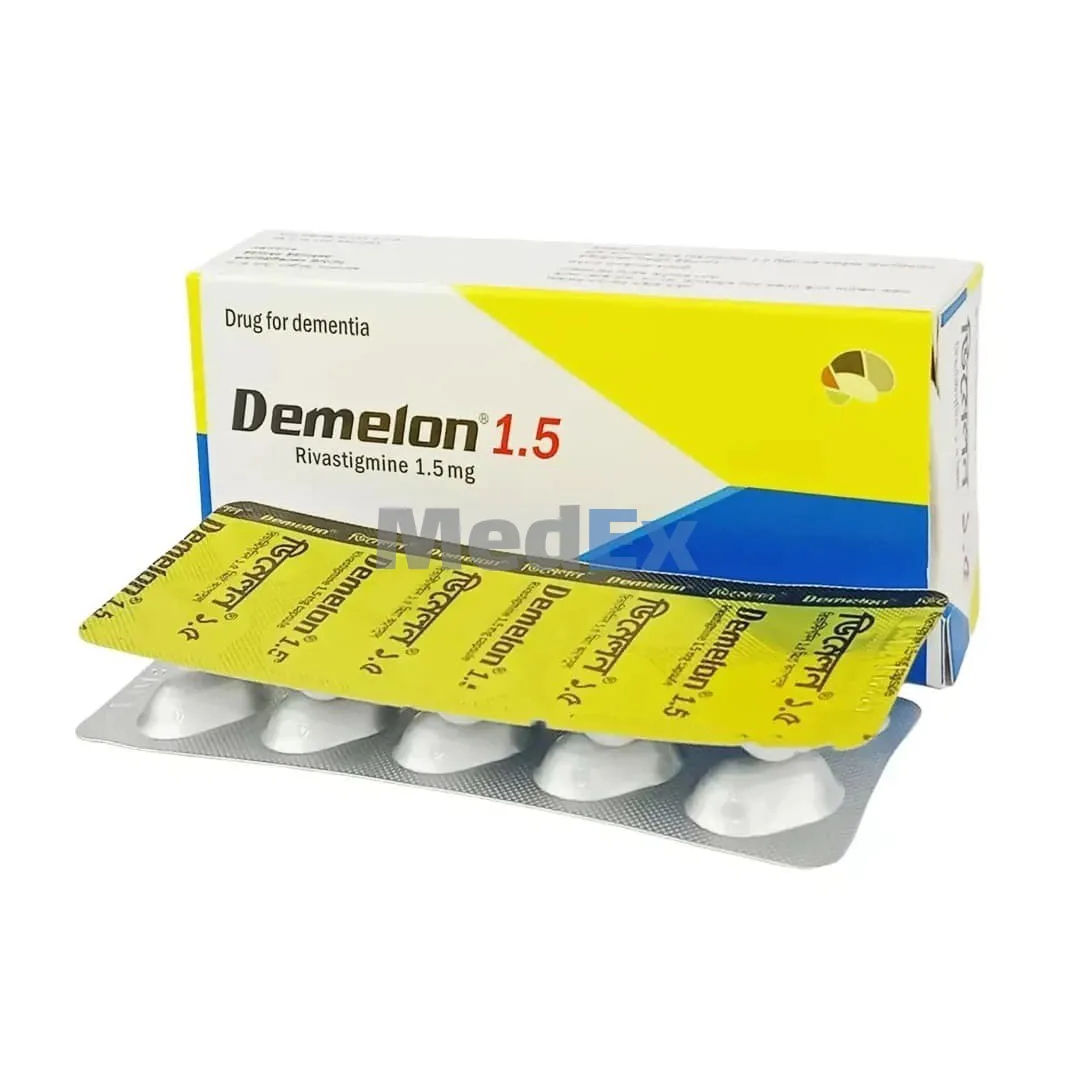

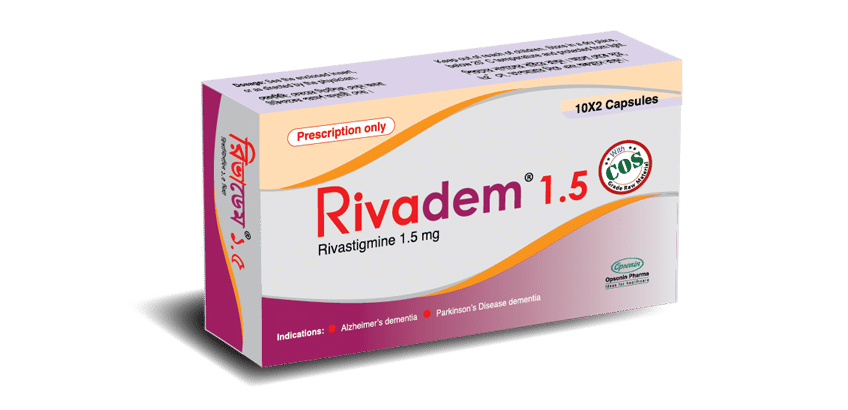
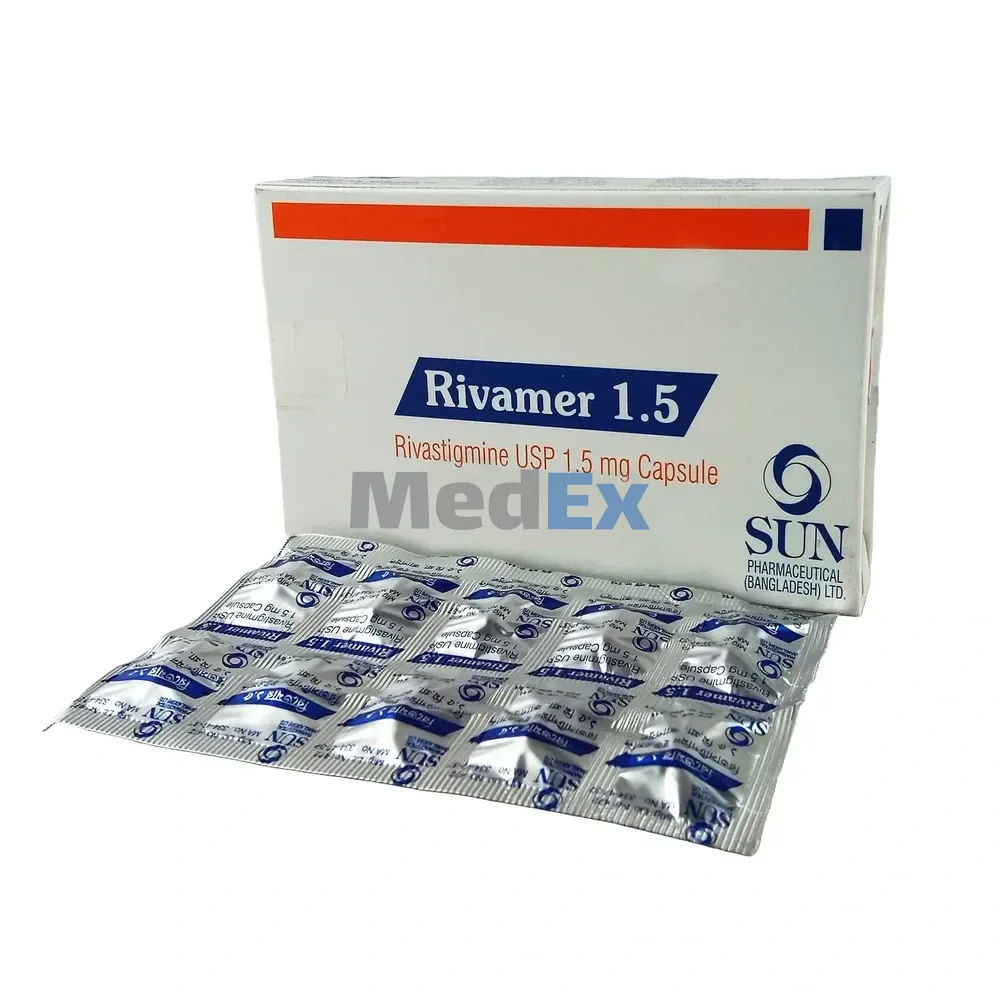
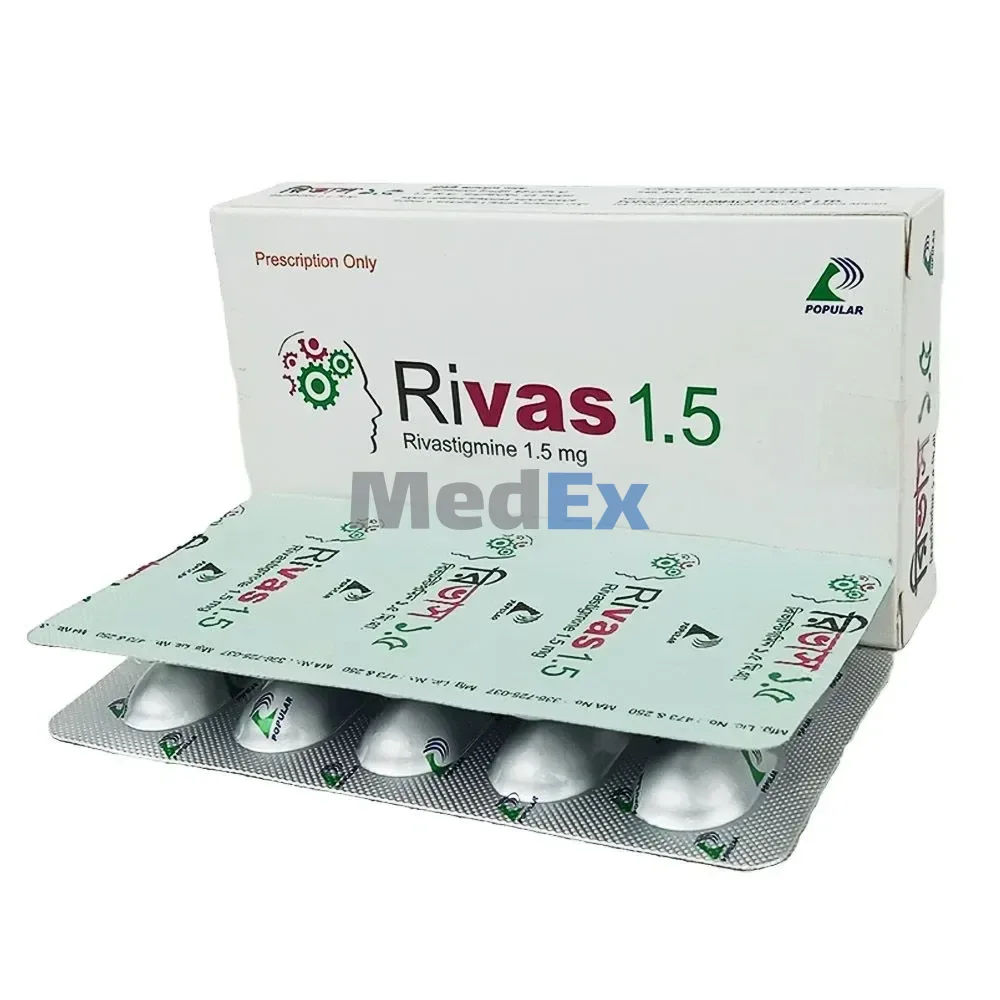
Clinical Prescribing Information
Medical monograph and safety information for healthcare professionals & patients.Indications & Clinical Uses
Benzenod is indicated for the symptomatic treatment of mild to moderately severe Alzheimer's dementia. Symptomatic treatment of mild to moderately severe dementia in patients with Idiopathic Parkinson's disease.
Contraindications
The use of this medicinal product is contraindicated in patients with hypersensitivity to the active substance or other carbamate derivatives.
Side Effects & Adverse Reactions
The most commonly reported adverse reactions are gastrointestinal, including nausea (38%) and vomiting (23%), especially during titration. Female patients in clinical studies were found to be more susceptible than male patients to gastrointestinal adverse reactions and weight loss.
Warnings & Precautions
Patients with sick sinus syndrome or conduction defects, resp diseases. Cholinergic stimulation may increase gastric acid secretion. May exacerbate urinary obstruction and seizures. Pregnancy. Renal impairment, mild to moderate hepatic impairment. Monitor body wt. Asthma or obstructive pulmonary disease. May worsen extrapyramidal symptoms. Lactation.
Pharmacology & Mechanism of Action
Rivastigmine is a carbamate derivative that is structurally related to physostigmine, but not to donepezil and tacrine. The precise mechanism of rivastigmine has not been fully determined, but it is suggested that rivastigmine binds reversibly with and inactivates chlolinesterase (eg. acetylcholinesterase, butyrylcholinesterase), preventing the hydrolysis of acetycholine, and thus leading to an increased concentration of acetylcholine at cholinergic synapses. The anticholinesterase activity of rivastigmine is relatively specific for brain acetylcholinesterase and butyrylcholinesterase compared with those in peripheral tissues.