 BD Medi
Vitamin B1, B6 & B12
 Specific combined vitamin preparations
Brands & Prices (134)
📋 Indications & Uses Dosage & Administration⚠️ Contraindications⚡ Side Effects & Adverse Reactions🛡️ Warnings & Precautions🔬 Pharmacology & Mechanism
Brand Formulations & Prices
134 brands sorted by unit price
OST
Spine-B
V-Nerve
VN
Vigor
Nerva
N-Vit
Neurocon
Neurotonic
Nuroguard
Serobion
Virobion
Neuroaid
Nopath
Big B
D-Vital

Neuralgin
Neurogin
Alvita
Axovit
B3
Debion
Ebion
Nerviplex
Neu-3
Neuro Vitamin
Neurocone
Neuropa
Neuvit Plus
Nuropa
Pristibion
Verita-B
Zenbion
Nurowel
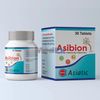
Asibion
Centobion
Costa-B
Getbion
Jeuneau-B
Kvit-N
Medibion
Miovit
Nenvit
Neovitan
Nerbo
Nerv B
Neucent

Neurep
Neurex-B
Neurodol
Neuroson
Neutos
Orgabion
Rejubion
Renep
SB-Neurec
Unibion
VB-3
Vitanerv
Rebion
Bfill
Edruplex
Ethibion

Myelin
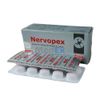
Nervopex
Neto B
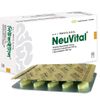
NeuVital

Neubin
Neuroprax
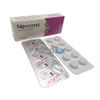
Nevrona
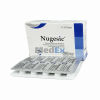
Nugesic
Pacibion

Renovit
Supra-B
Temvit-N
Tribion
Astra-N
COS B126
Cyano-B
Myobion
N-bion
Nervotil

Neuro-B
Neurobest

Neurocare
Neuromate
Neuroton
Nurobix Plus
Solbion
V3N
Nins
TPC
Trilin B
3 Bion

B126
Bionic
Bost
Combomin

Neobion
Neucos-B
Neuroxen
Nuronaaf
Povital
Tri-B
Vitabion

Becobion
Edruplex
Neovitan
Becobion
Pacibion
Kvit-N
Myelin
Nerviplex
Rejubion
Renovit
Trilin B
Vitabion
TPC
Bionic
Ethibion
N-bion
Neubin
Neurotonic
Rebion
Solbion
Tribion
V-Nerve
Nugesic
Povital
Bost
Neobion
Neuralgin
Neuro-B

Neurobest
📖 Official Clinical Monograph
DGDA Approved Prescribing Guidelines3 Bion is indicated where a deficiency of the relevant vitamins exists. It is indicated for the treatment of following diseases: Polyneuropathy of any origin such alcoholic or toxiconeuropathies as-diabetic, Neuritis, Neuralgia, Cervical Syndrome, Shoulder-arm syndrome, Lumbago, Sciatica, Myalgia, Intercostal neuralgia, Herpes Zoster, Trigeminal Neuralgia, Supportive treatment in facial paresis.
Dosage & AdministrationTablet: 1-3 Tablets per day or as advised by the physician.
Injection:
In severe (acute) cases
: 1 injection daily until the acute symptoms subside or taken as advised by the physician.
In mild cases
: 1 injection 2-3 times per week. Ampoules are preferably injected intramuscularly.
Use in children: There is no information on the use of this drug in children.
Vitamin B1, Vitamin B6 and Vitamin B12 is contraindicated in patients on levodopa therapy, and in patients with hypersensitivity to any of the ingredients of the preparation.
Generally well tolerated but allergic reactions may be observed in few cases.
Cyanocobalamin should not be given in patients with subacute degeneration of the spinal cord. Cyanocobalamin is not suitable form of vitamin B12 for the treatment of optic neuropathies associated with raised plasma concentrations of cyanocobalamin.
Vitamin B1 converts carbohydrates, fatty acids and amino acids into energy, promotes healthy nerves, improves mood, strengthens the heart. Vitamin B6 forms RBCs, helps cells to make proteins, manufactures neurotransmitters e.g. serotonin and releases stored forms of energy, helps to prevent CVS diseases and stroke, helps to lift depression and eases insomnia. Vitamin B12 is essential for cell replication and important for RBC production, prevents anemia, helps to prevent depression, reduces nerve pain, numbness, tingling and lowers the risk of heart diseases.
The vitamin ingredients are absorbed well in per oral reception. It is widely distributed to most tissues and appears in breast milk. Within the cell, thiamine is mostly present as diphosphate. Thiamine is not stored to any appreciable extent in the body and amounts in excess of the body’s requirements are excreted in the urine as unchanged thiamine or as metabolites. Pyridoxine, pyridoxal and pyridoxamine are readily absorbed from the GIT following oral administration and are converted to the active forms of pyridoxal phosphate an pyridoxamine phosphate. They are stored mainly in liver where there is oxidation to 4-pyridoxic acid and other inactive metabolites, which are excreted in urine. As the dose increases, proportionally greater amounts are excreted unchanged in the urine.