Ibrutinib
💊 Brand Formulations & Prices
8 brands sorted by unit price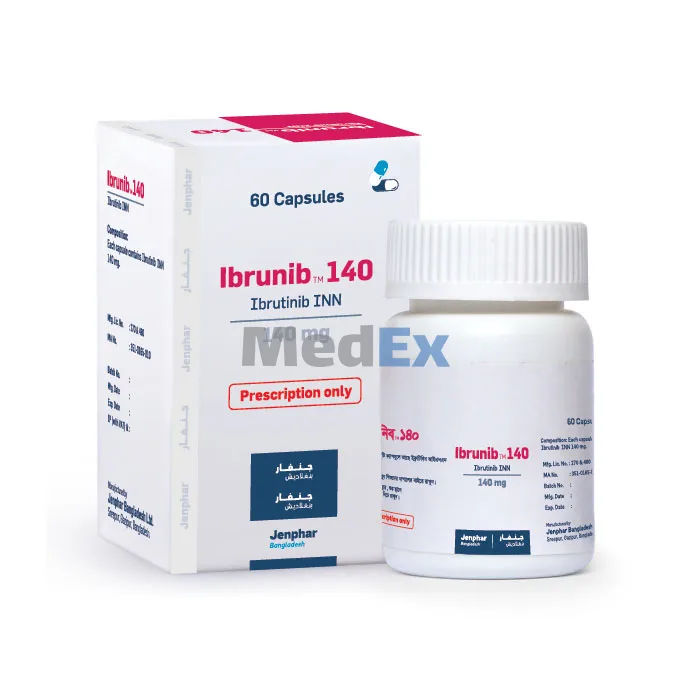
Ibrunib
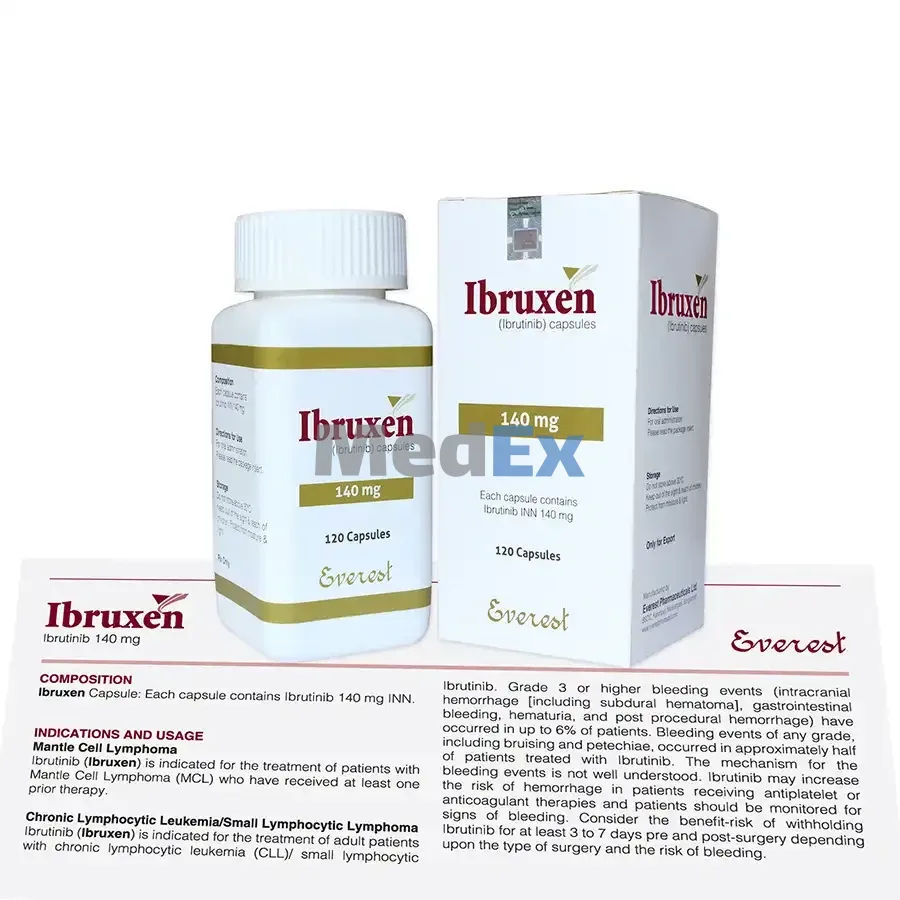
Ibruxen
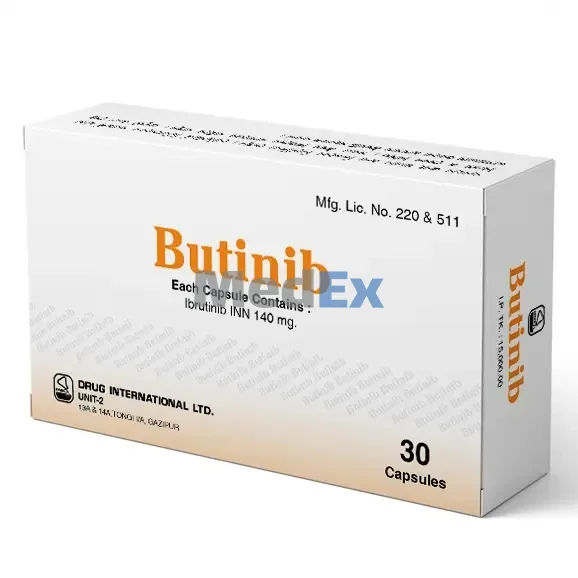
Butinib
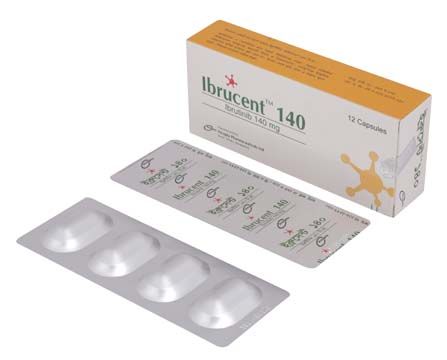
Ibrucent

Ibrucon
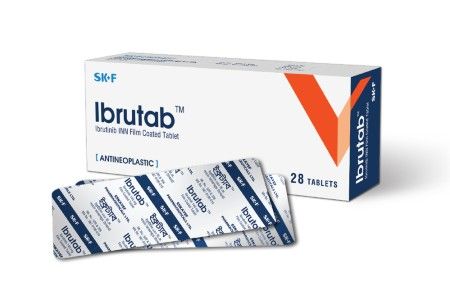
Ibrutab
Ibutigen
Notafol
📖 Official Clinical Monograph
DGDA Approved Prescribing GuidelinesMantle Cell Lymphoma
: Butinib is indicated for the treatment of patients with Mantle Cell Lymphoma (MCL) who have received at least one prior therapy.
Chronic Lymphocytic Leukemia/Small Lymphocytic Lymphoma
: Butinib is indicated for the treatment of patients
... Read more
Mantle Cell Lymphoma
: Butinib is indicated for the treatment of patients with Mantle Cell Lymphoma (MCL) who have received at least one prior therapy.
Chronic Lymphocytic Leukemia/Small Lymphocytic Lymphoma
: Butinib is indicated for the treatment of patients with chronic lymphocytic leukemia. Chronic Lymphocytic Leukemia/Small Lymphocytic Lymphoma with 17p deletion Butinib is indicated for the treatment of patients with chronic lymphocytic leukemia.
Waldenstrom Macroglobulinemia (WM)
: Butinib is indicated for the treatment of patients with Waldenstrom Macroglobulinemia (WM).
Marginal Zone Lymphoma
: Butinib is indicated for the reatment of patients with marginal zone lymphoma (MZL) who require systemic therapy and have received at least one prior anti-CD 20-based therapy.
Hypersensitivity to the active substance or to any of the excipients.
The following adverse reactions are discussed in more detail in other sections of the labeling: Hemorrhage, Infections, Cytopenias, Atrial Fibrillation, Hypertension, Second Primary Malignancies and Tumor Lysis Syndrome. Additional Important Adverse Reactions: Diarrhea, Visual Disturbance.
Ibrutinib is a small-molecule inhibitor of BTK. Ibrutinib forms a covalent bond with a cysteine residue in the BTK active site, leading to inhibition of BTK enzymatic activity. BTK is a signaling molecule of the B-cell antigen receptor (BCR) and cytokine receptor pathways. BTK’s role in signaling through the B-cell surface receptors results in activation of pathways necessary for B-cell trafficking, chemotaxis, and adhesion. Nonclinical studies show that ibrutinib inhibits malignant B-cell proliferation and survival in vivo as well as cell migration and substrate adhesion in vitro.