Ebastine
💊 Brand Formulations & Prices
35 brands sorted by unit price
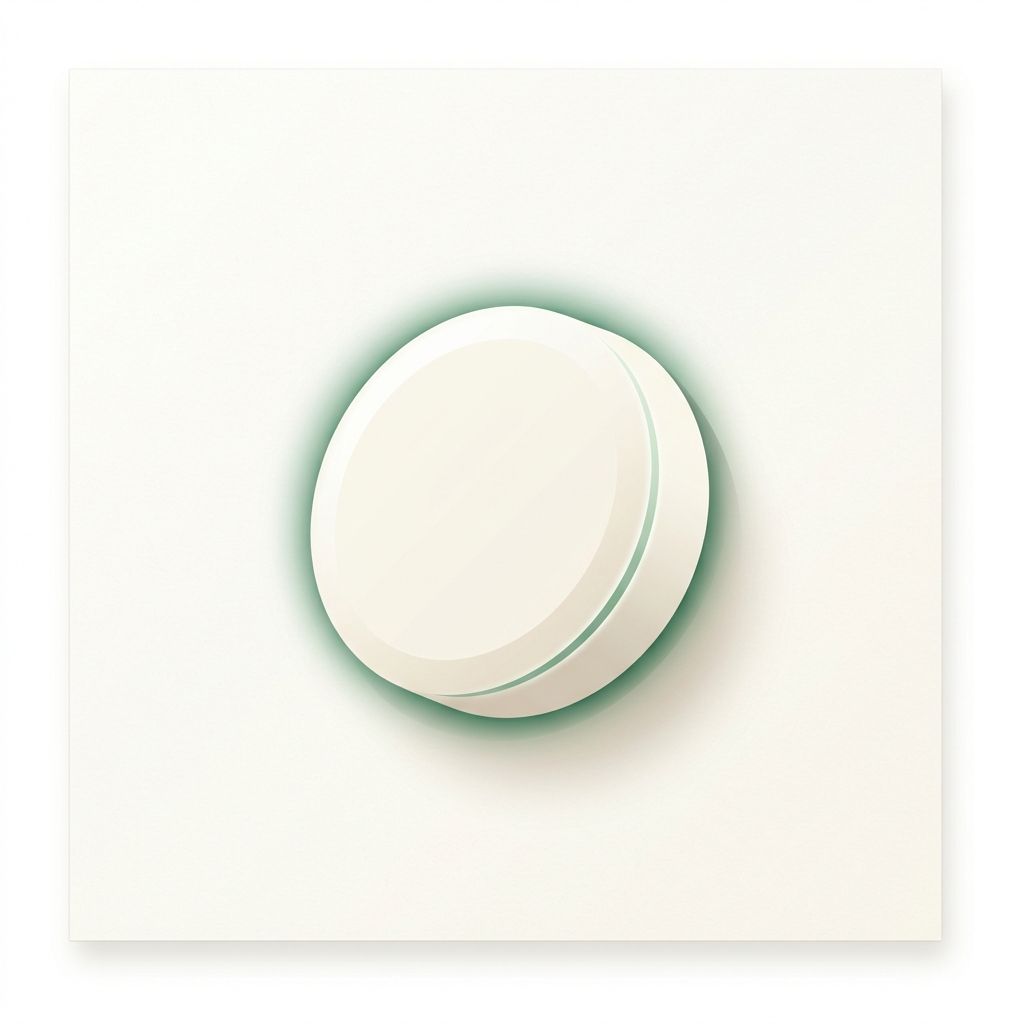
Ebatrol
Alestin
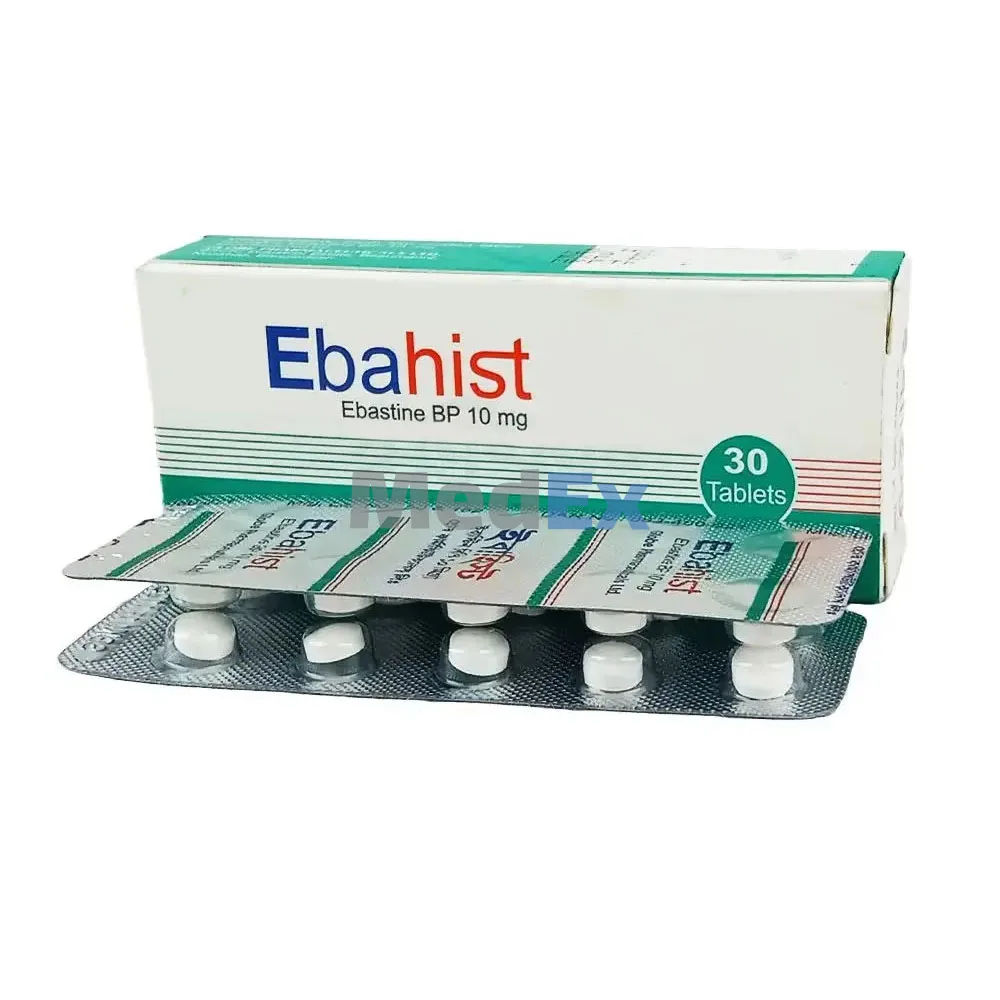
Ebahist
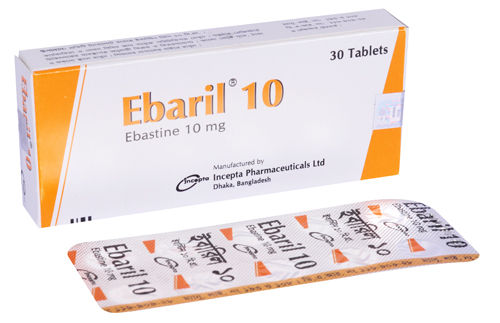
Ebaril
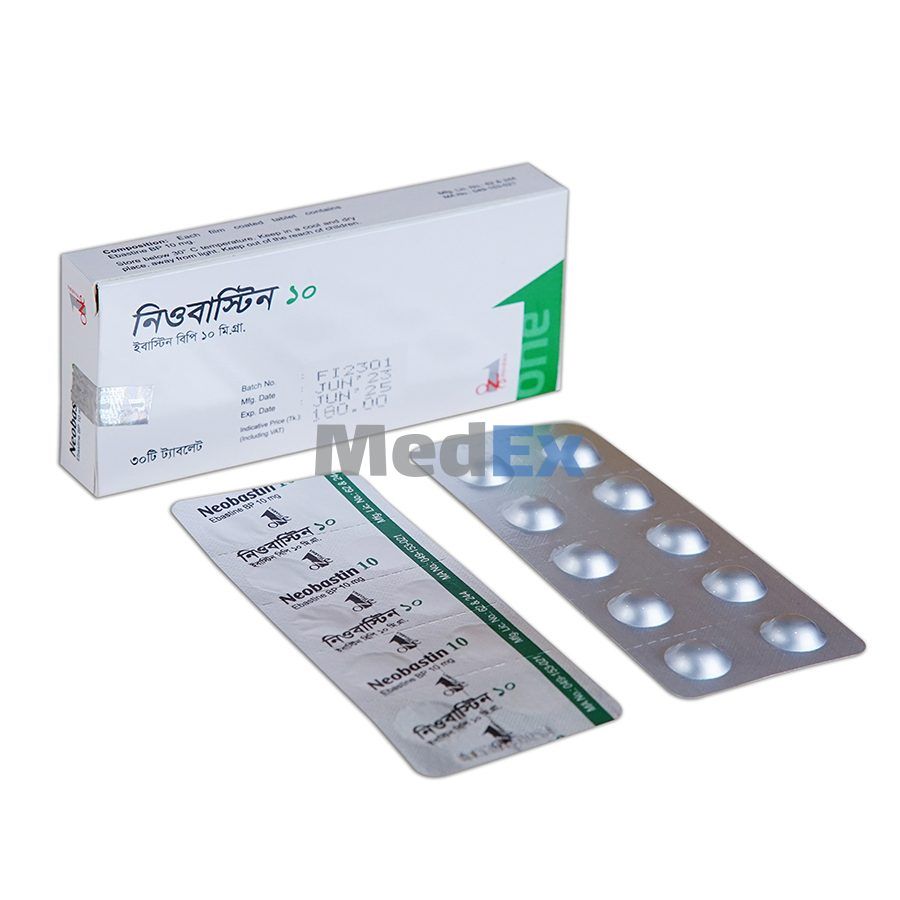
Neobastin
Pvast

Rhitin
Xibast
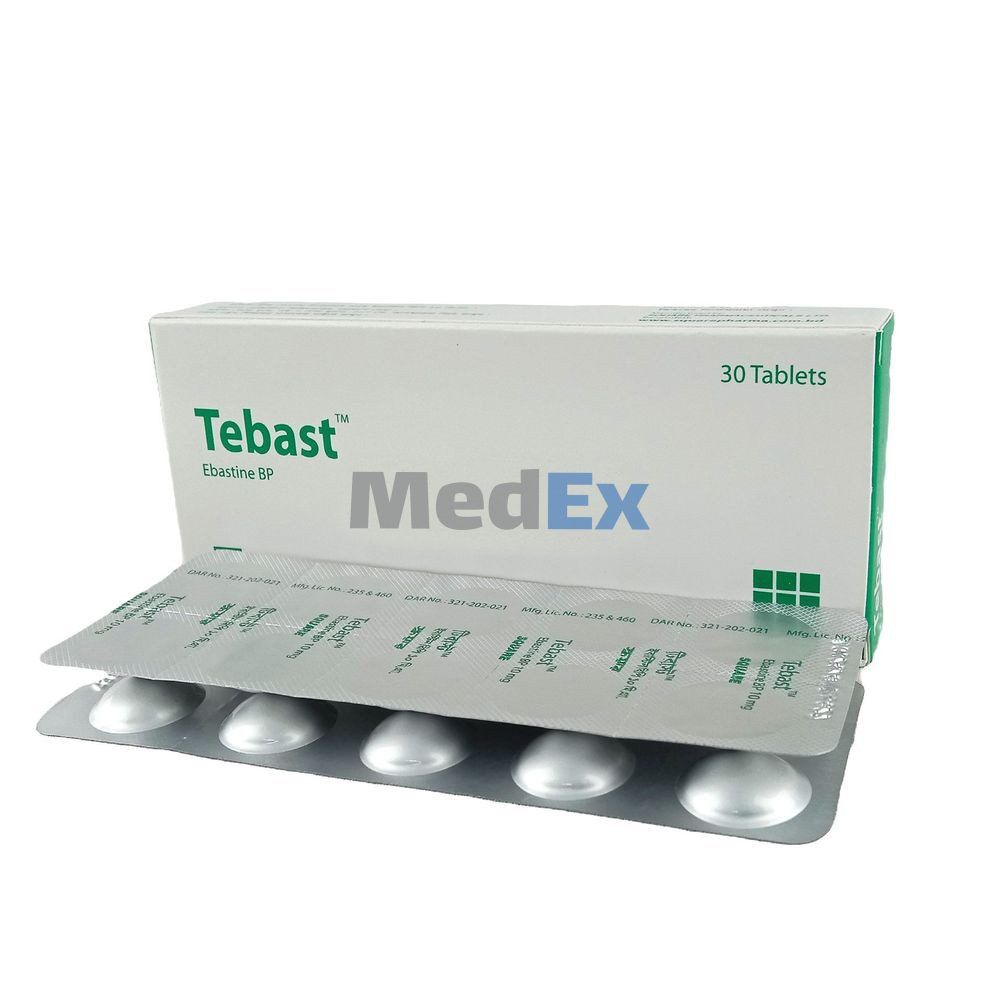
Tebast
Ebafast
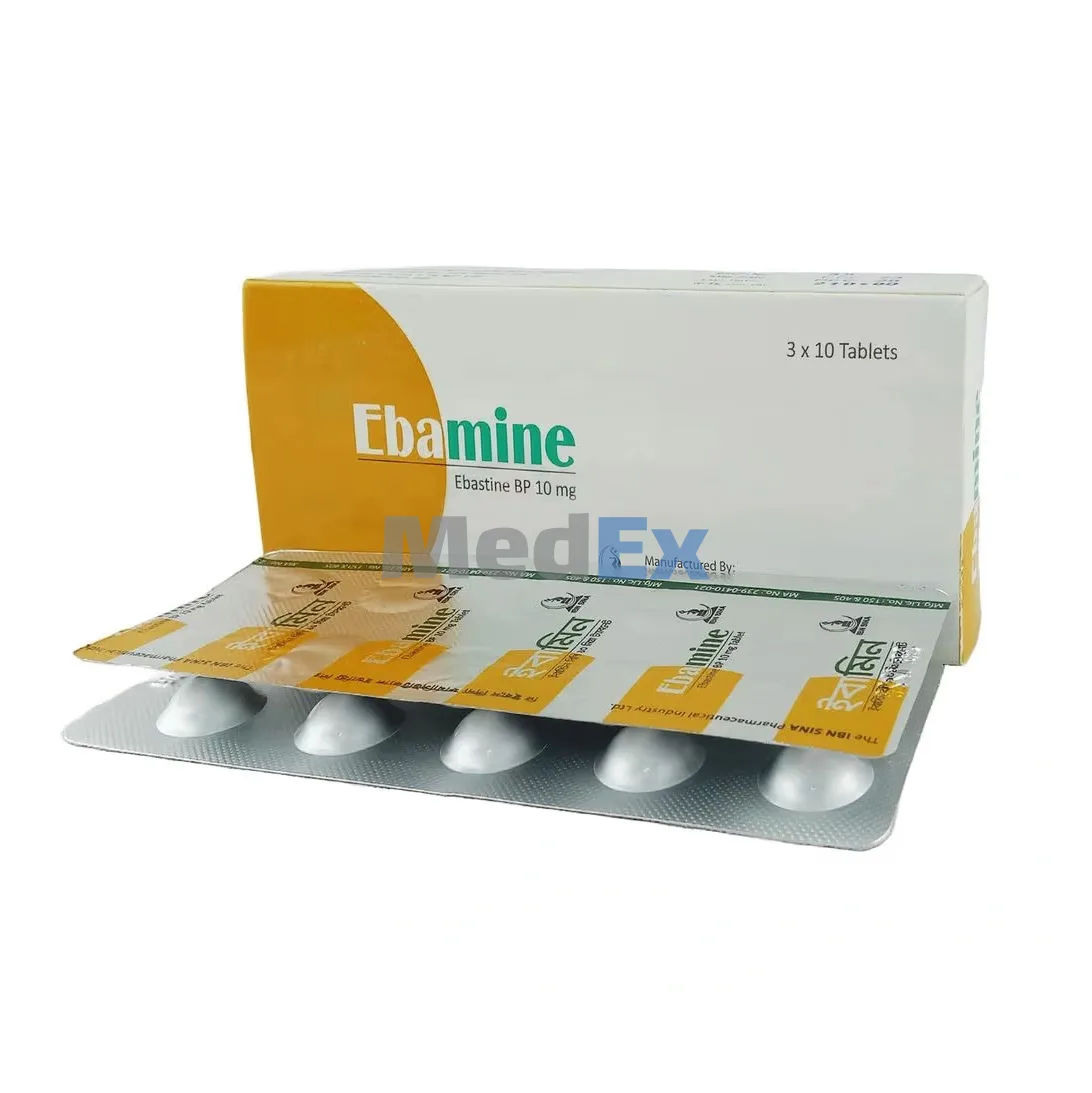
Ebamine
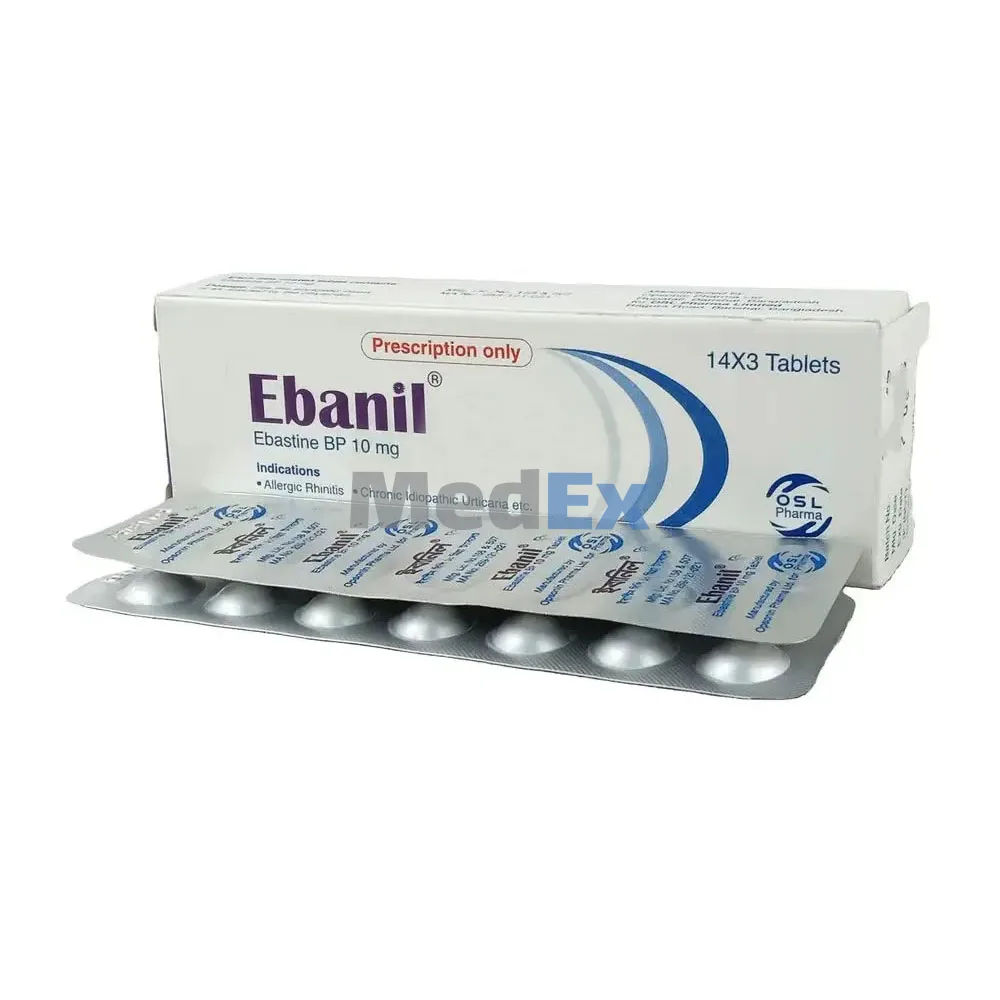
Ebanil
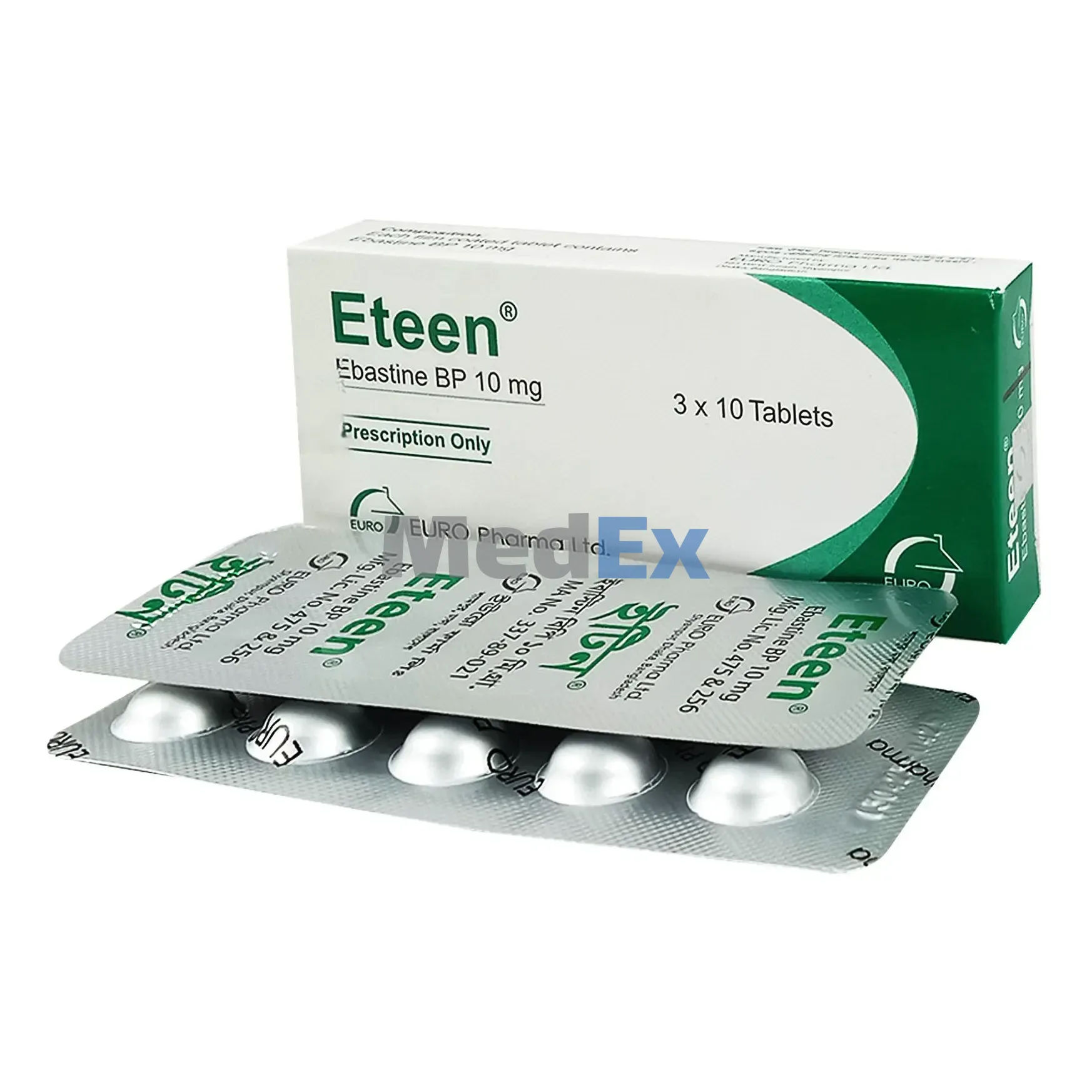
Eteen
Stinba
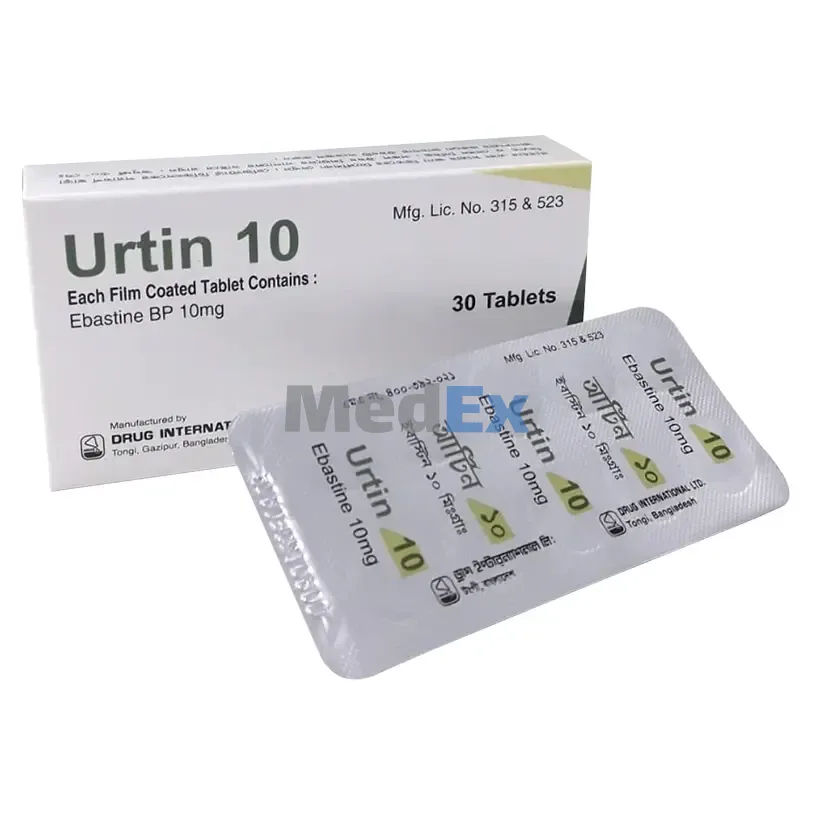
Urtin
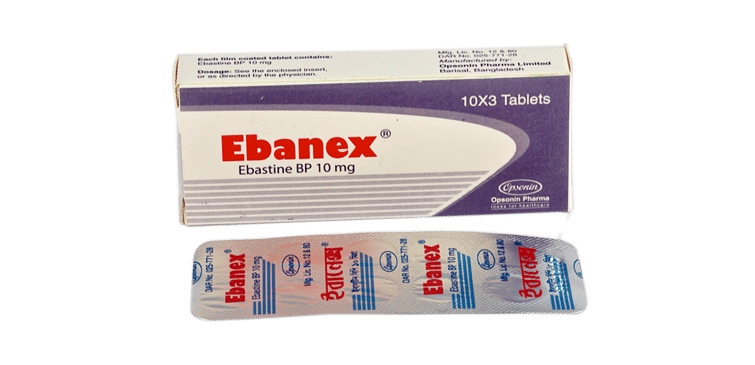
Ebanex
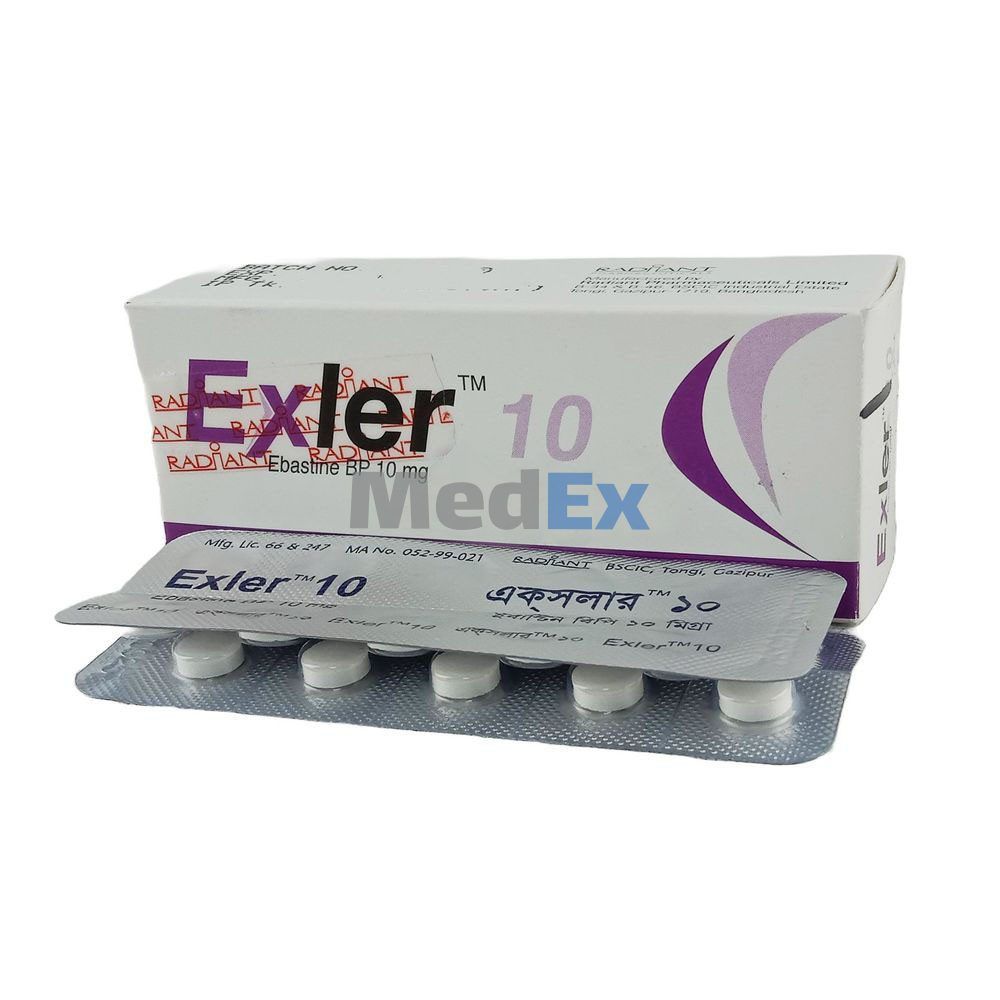
Exler
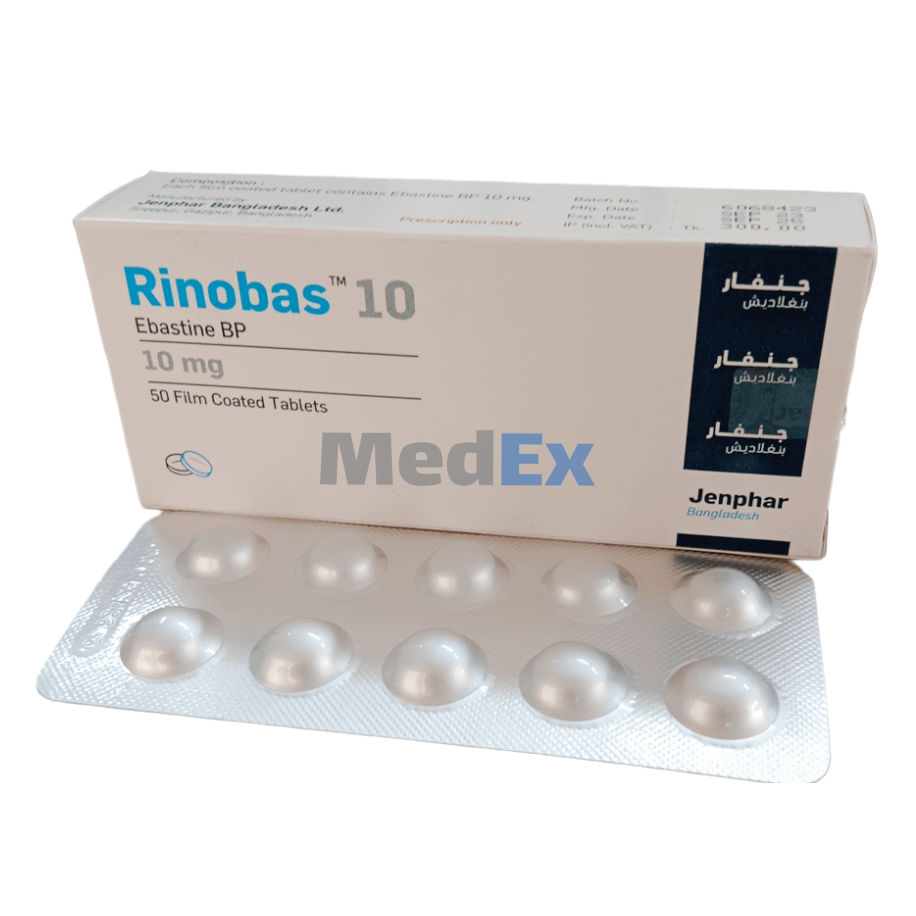
Rinobas
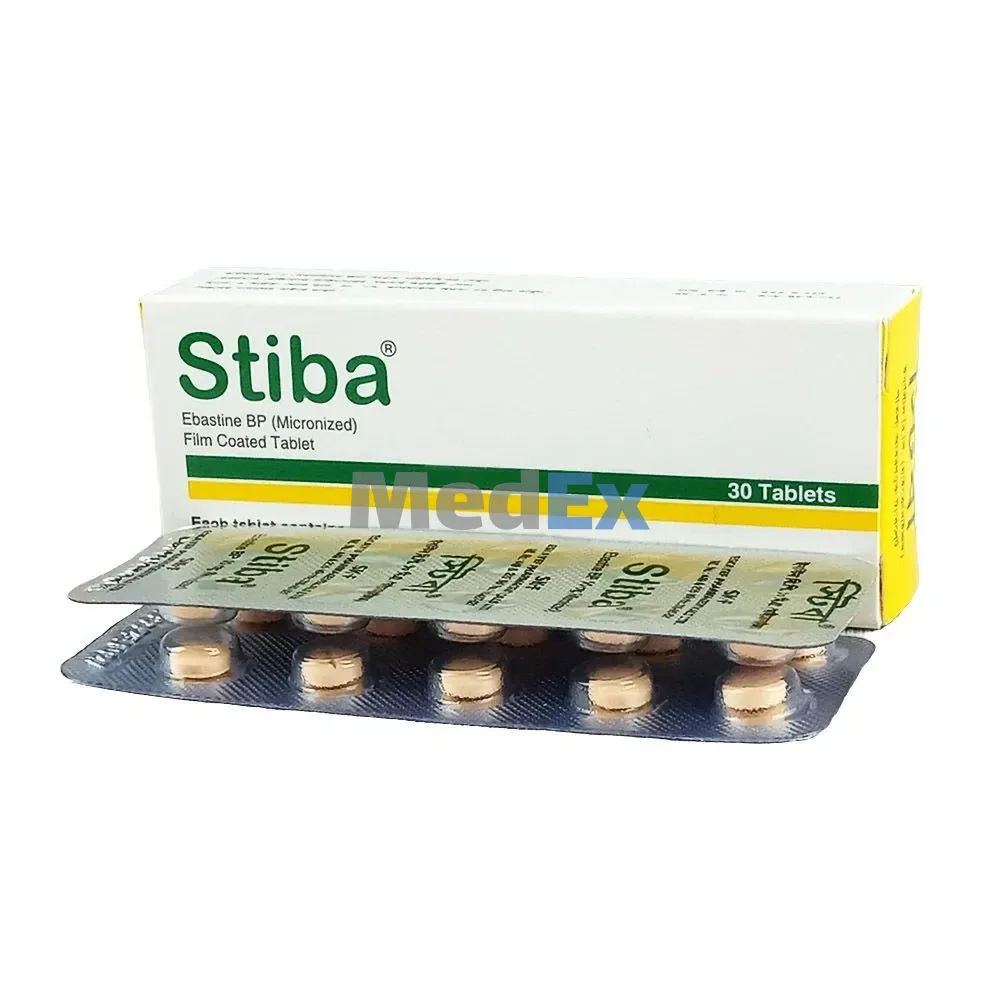
Stiba
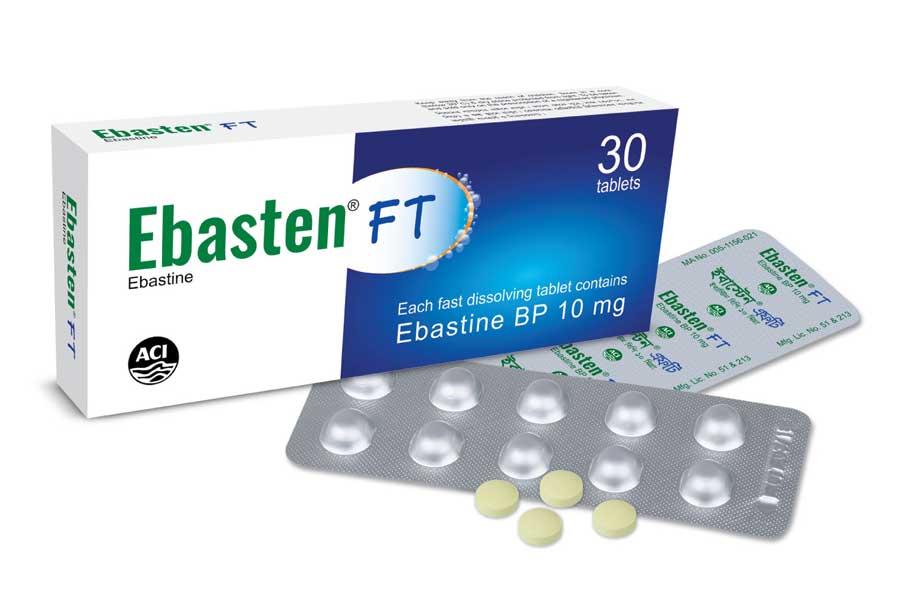
Ebasten
Ebasten FT
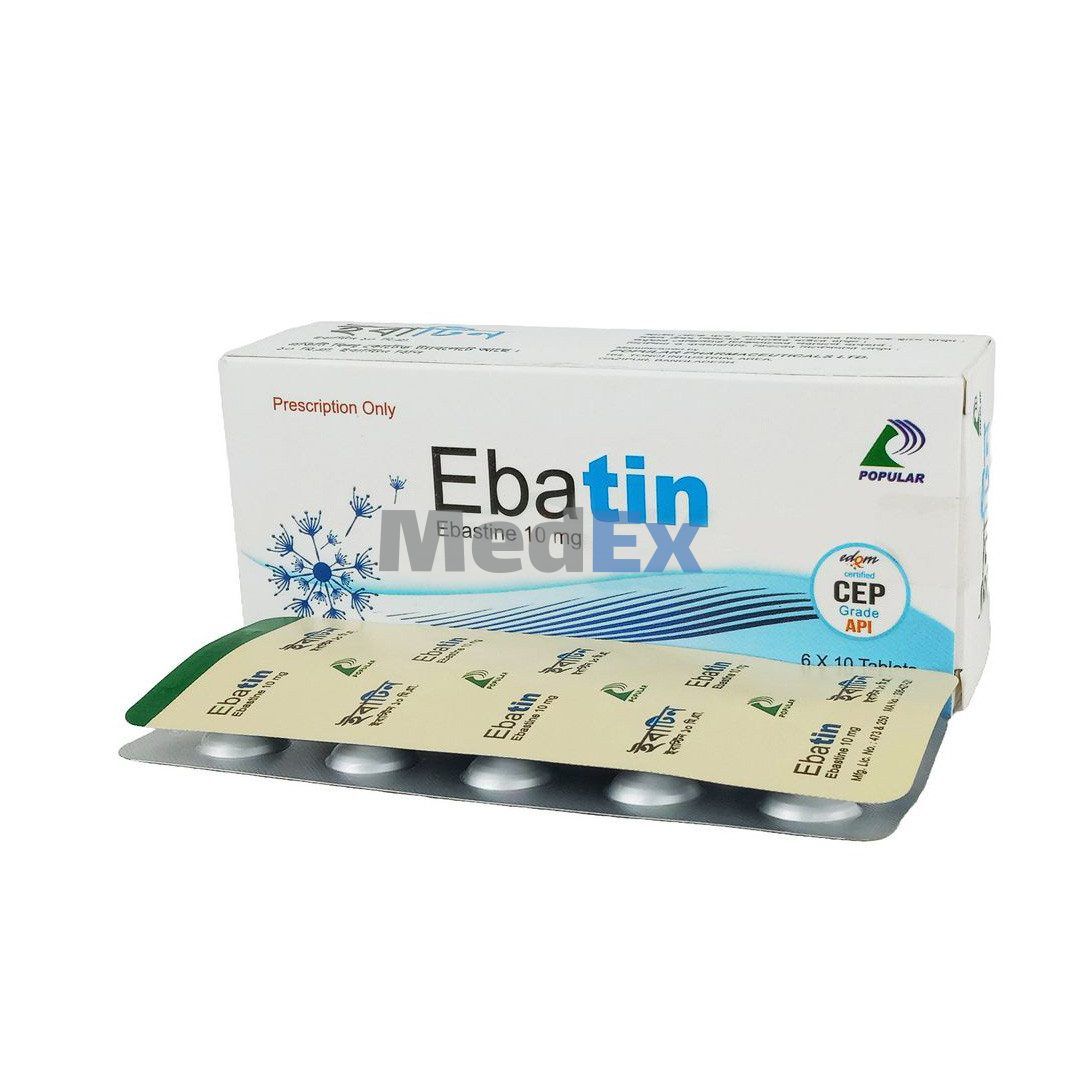
Ebatin
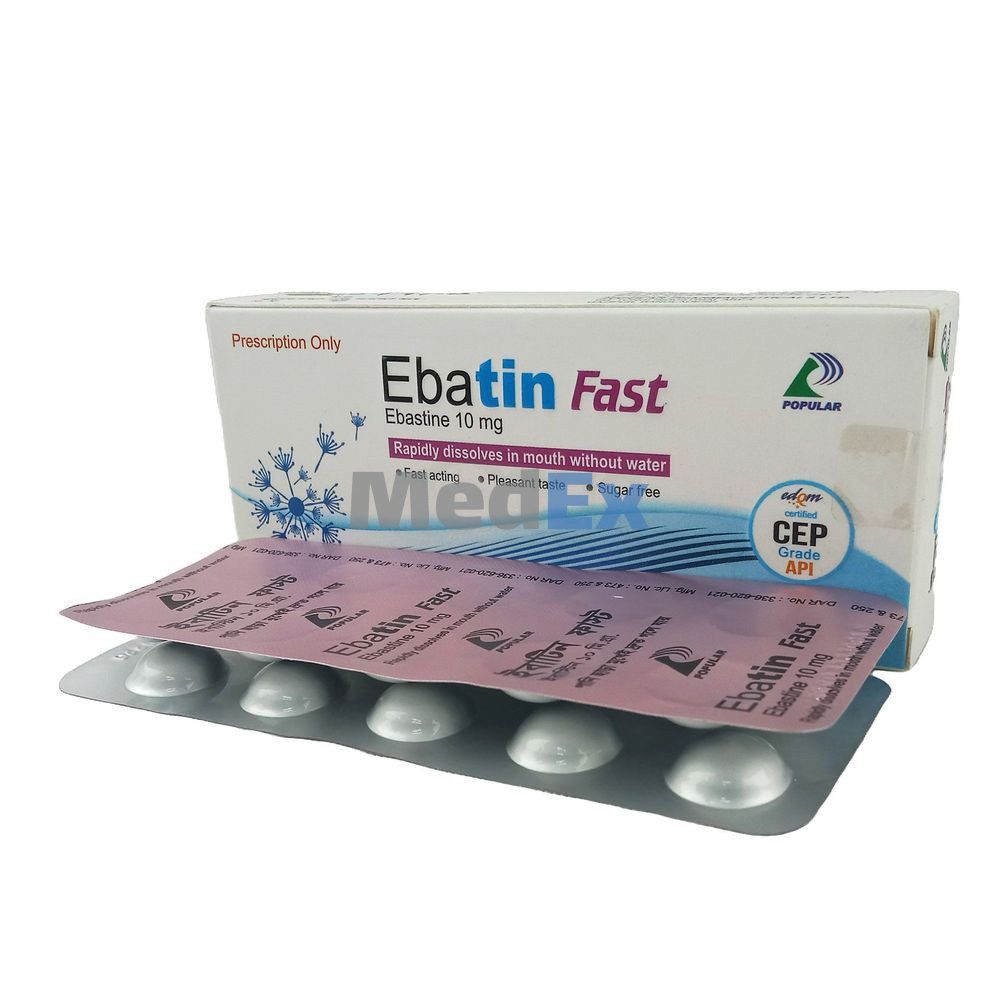
Ebatin Fast
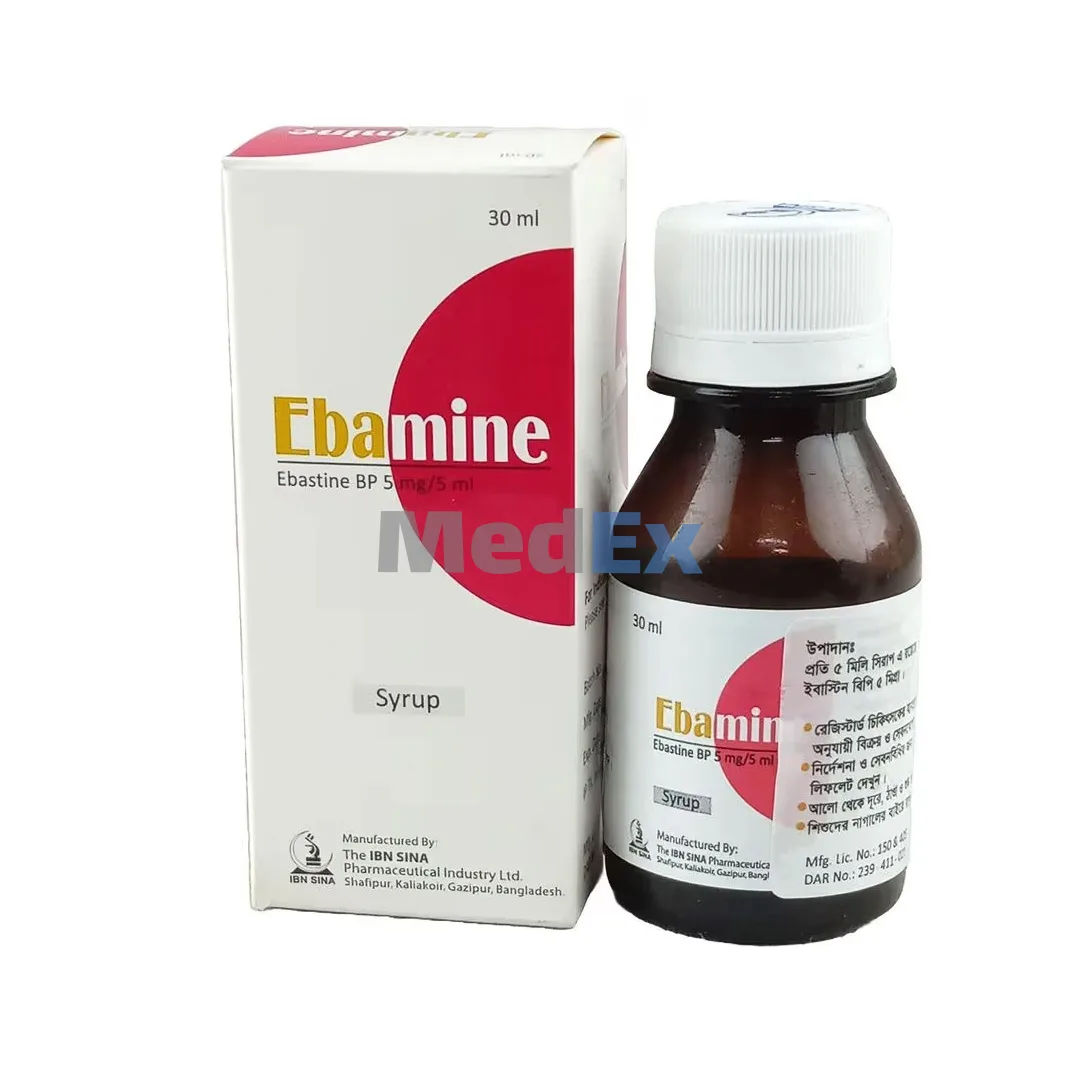
Ebamine
Ebaril
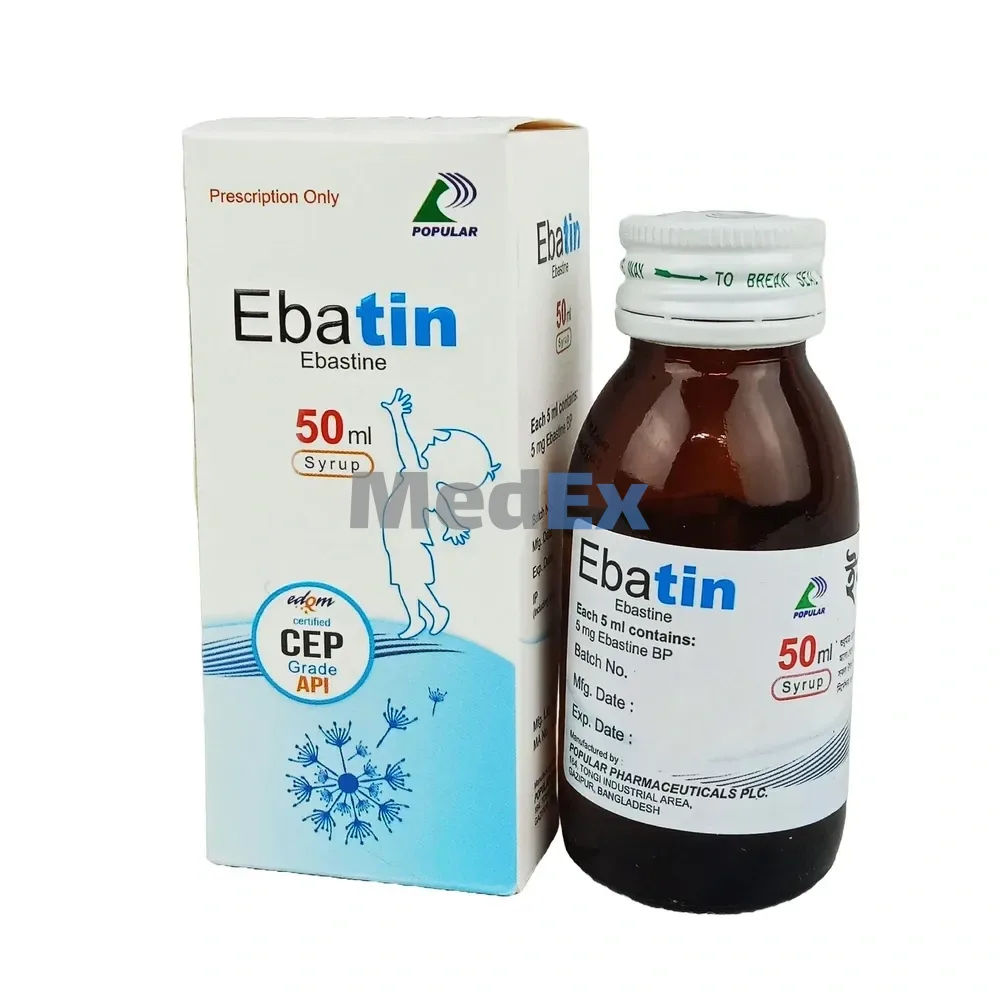
Ebatin
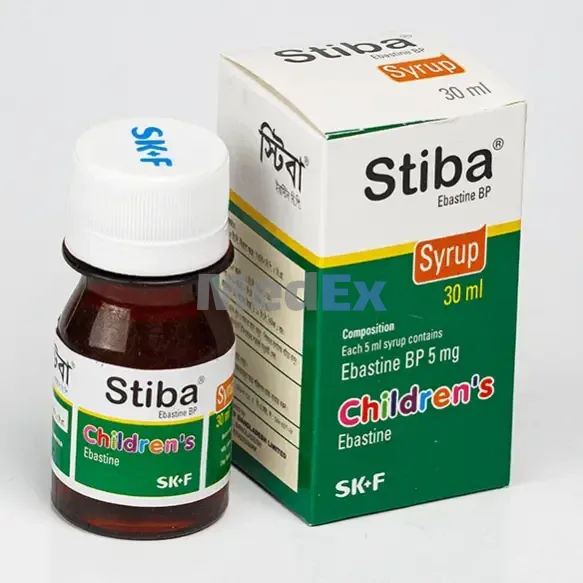
Stiba
Alestin
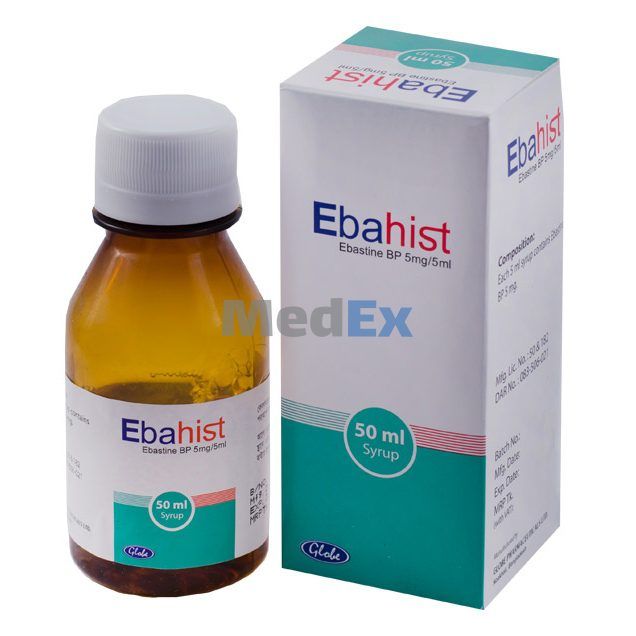
Ebahist
Ebanex
Ebasten
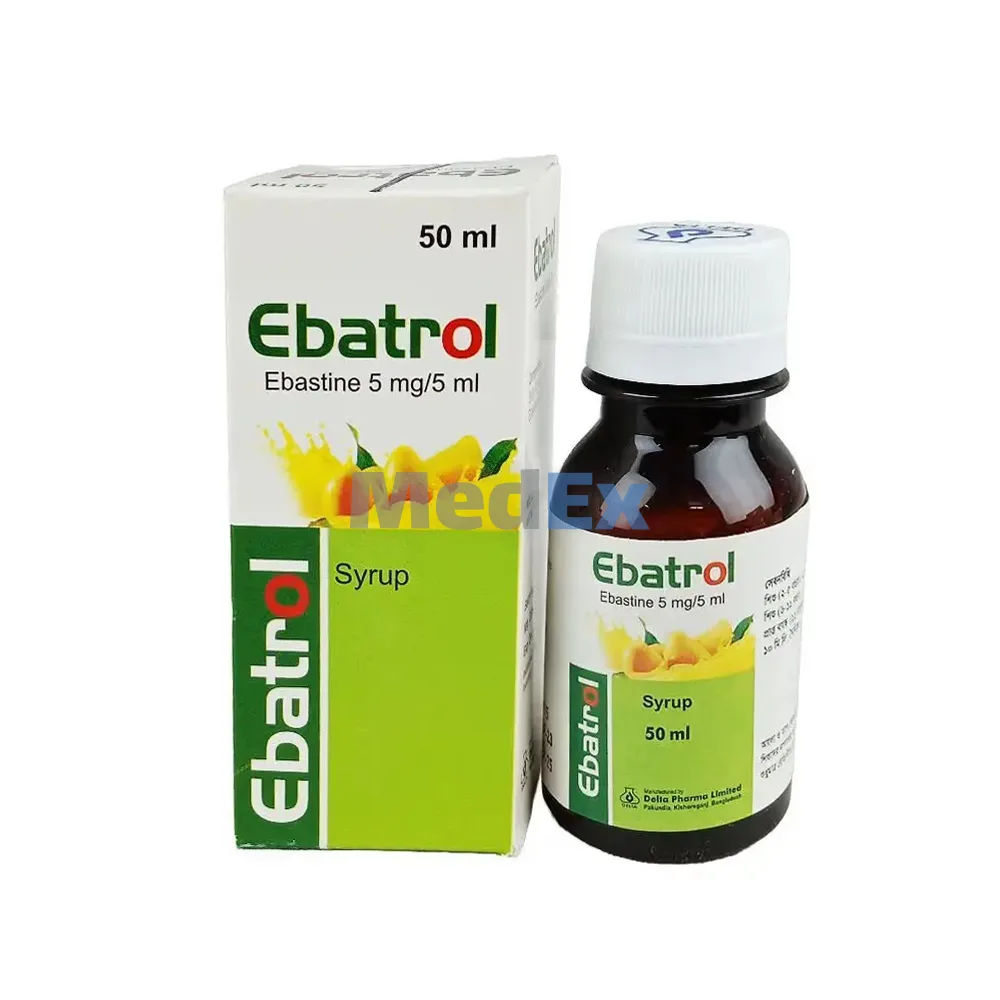
Ebatrol
Eteen
Pvast
Stinba
📖 Official Clinical Monograph
DGDA Approved Prescribing GuidelinesAlestin is indicated for the symptomatic treatment of:
Seasonal and perennial allergic rhinitis.
Chronic idiopathic urticaria.
Tablet:
Adults (more than 12 years of age)
: 10 mg (one tablet) once daily.
Children (6-12 years of age)
: 5 mg (half tablet) once daily.
Syrup:
Children (2-5 years of age)
: 2.5 ml once daily (upto 5 ml in severe cases such as Perennial Allergic Rhinitis).
Children (6-12 years of age)
: 5 ml once daily (upto 10 ml in severe cases such as Perennial Allergic Rhinitis).
Ebastine may be taken with or without food.
Patients with a known hypersensitivity to Ebastine or any of its ingredients.
The most common side-effects are headache, dry mouth and drowsiness. Less commonly reported side effects include abdominal pain, dyspepsia, nausea and insomnia.
Ebastine is a long-acting and selective H1-histamine receptor antagonist. After repeated administration, inhibition of peripheral receptors remains at a constant level. Ebastine is rapidly absorbed and undergoes extensive first-pass metabolism following oral administration. Ebastine is almost totally converted to the pharmacologically active acid metabolite, carebastine.