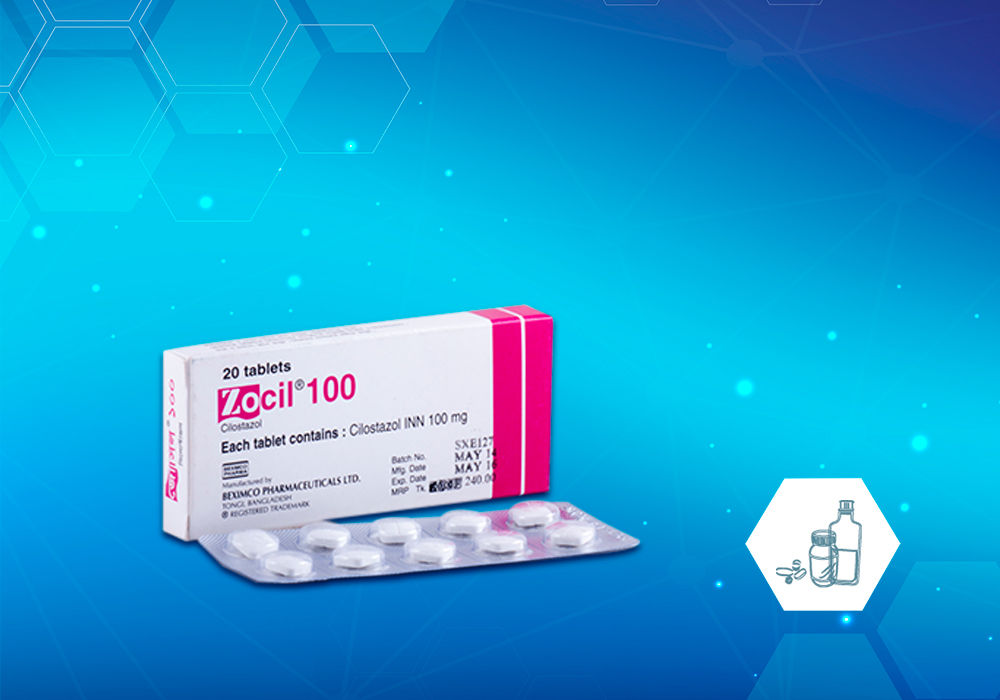
Zocil
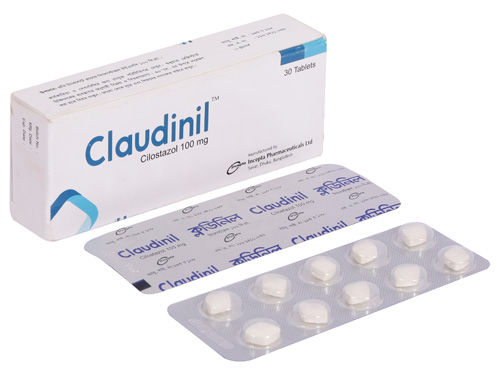
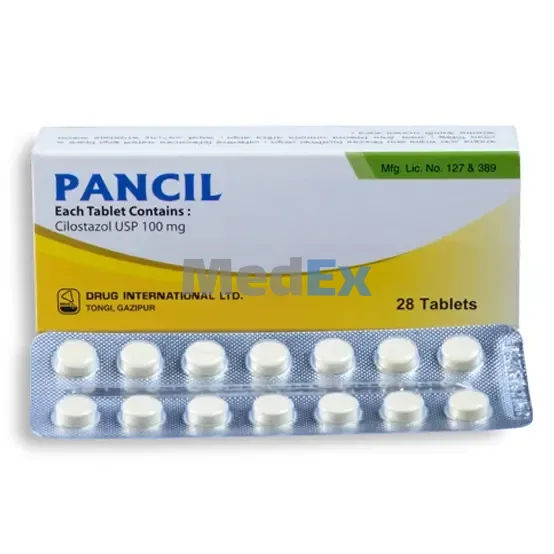
Cheaper & Alternative Brands
Same generic (Cilostazol), same form (Tablet)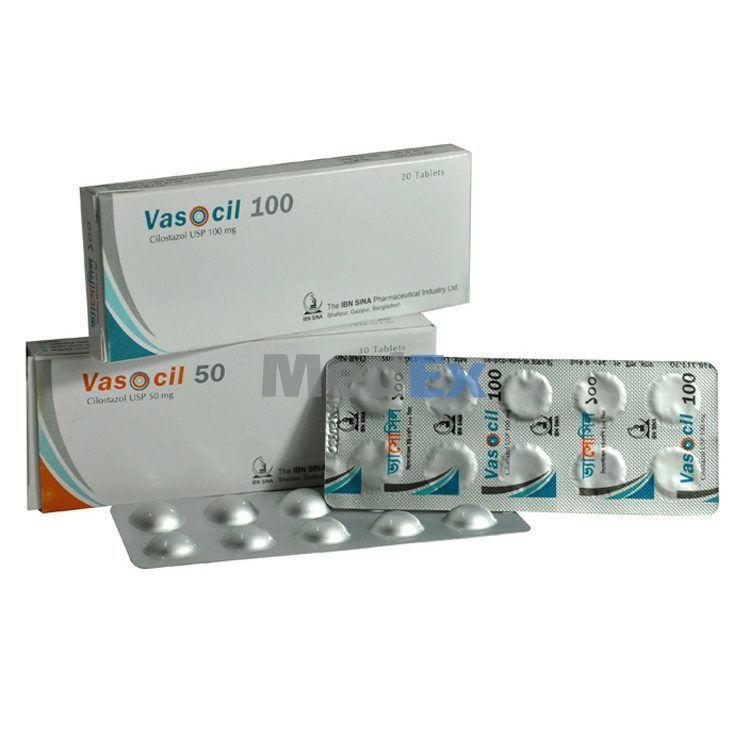

Clinical Prescribing Information
Medical monograph and safety information for healthcare professionals & patients.Indications & Clinical Uses
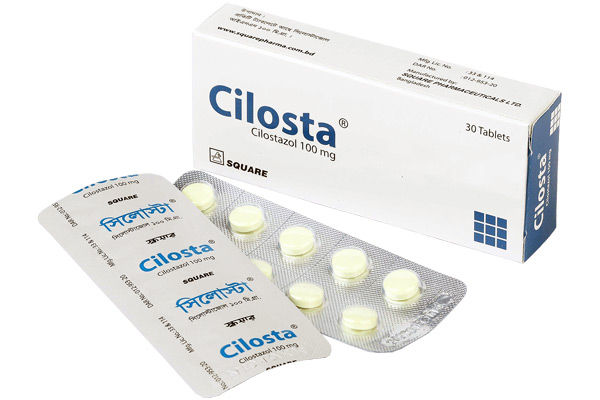
Cilosta is indicated for the reduction of symptoms of intermittent claudication, as indicated by an increased walking distance. Intermittent claudication, also known as vascular claudication, is a symptom that describes muscle pain (pain, cramps, numbness, or a feeling of fatigue) during light exertion.
Dosage & Administration
The recommended dosage of Cilostazol is 100 mg bid, taken at least half an hour before or two hours after breakfast and dinner. A dose of 50 mg bid should be considered during coadministration of Fluconazole, Ketoconazole, Itraconazole, Erythromycin, Clarithromycin, Fluvoxamine, Fluoxetine, Nefazodone, Sertraline and Diltiazem.
Pediatric use: The safety and effectiveness of Cilostazol in pediatric patients have not been established.
Contraindications
Cilostazol is contraindicated in patients with congestive heart failure of any severity. Cilostazol is also contraindicated in patients with known or suspected hypersensitivity to any of its components.
Side Effects & Adverse Reactions
The most common side effects are headache, diarrhoea, vomiting, leg cramps, rash etc. The less frequent side effects are anorexia and edema.
Warnings & Precautions
Cilosta should be used with caution in patients with any degree of heart failure. There is no information with respect to the efficacy or safety of the concurrent use of Cilosta and Clopidogrel.
Pharmacology & Mechanism of Action
Cilostazol is a preparation of Cilostazol which is a quinolinone derivative. The mechanism of action is to specifically inhibit cellular phosphodiesterase III (PDE III) and suppress cAMP degradation with a resultant increase in cAMP in platelets and blood vessels, leading to inhibition of platelet aggregation and vasodilation.