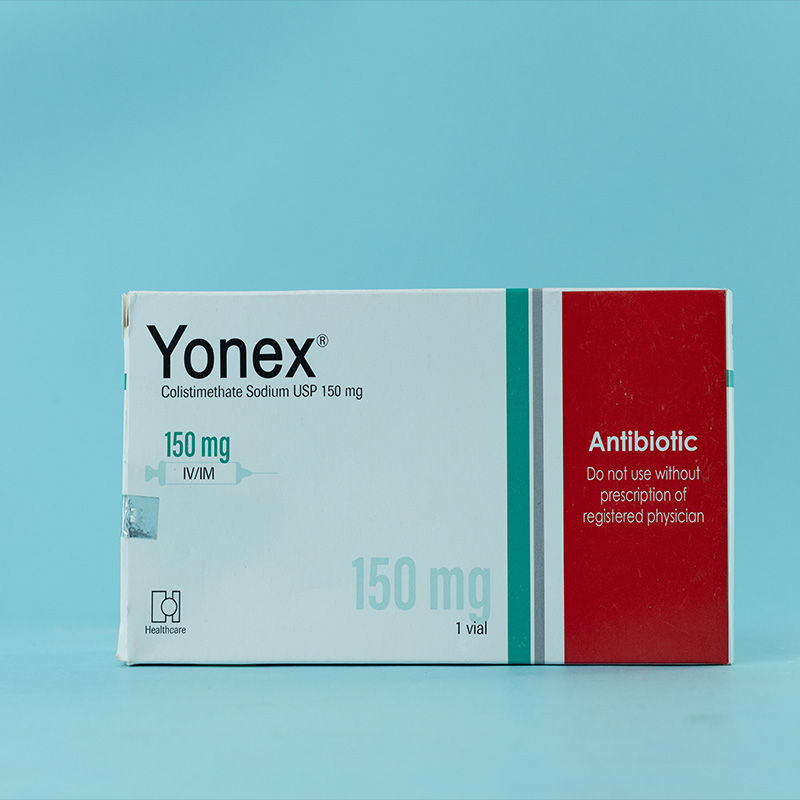
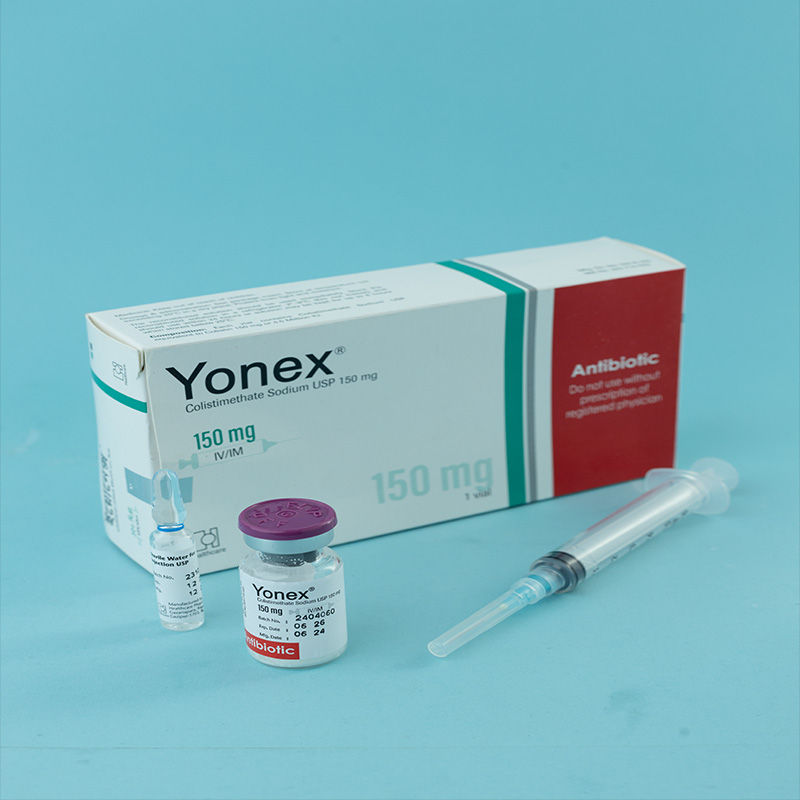
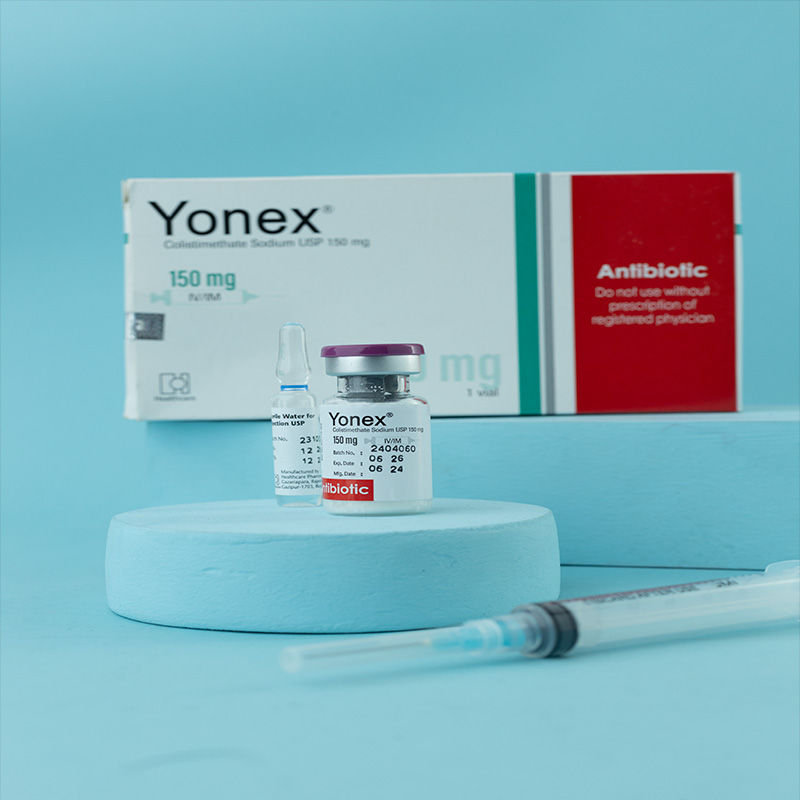
Yonex
Cheaper & Alternative Brands
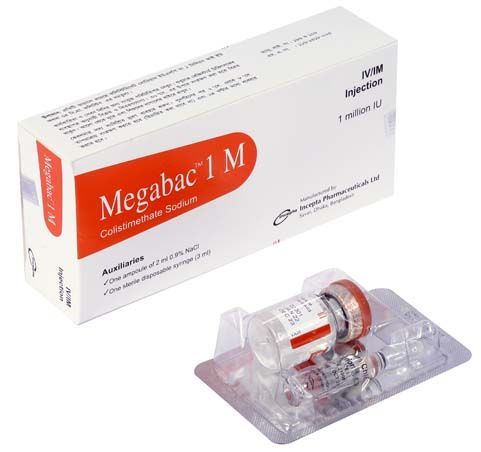
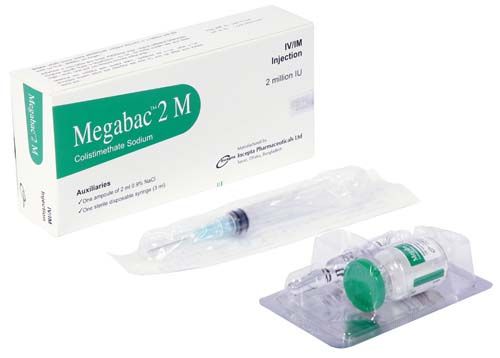
Same generic (Colistimethate Sodium), same form (IM/IV Injection)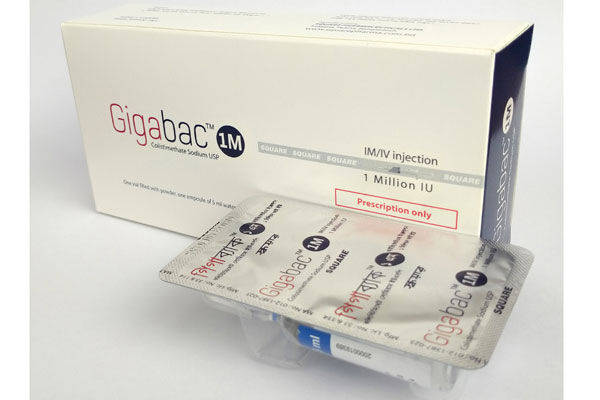


Clinical Prescribing Information
Medical monograph and safety information for healthcare professionals & patients.Indications & Clinical Uses
Colistimethate (CMS) is indicated for the treatment of acute or chronic infections caused by sensitive strains of certain gram-negative bacilli. It is particularly indicated in the infection caused by sensitive strains of Pseudomonas aeruginosa. Colistimethate (CMS) is not indicated for infections due to Proteus
... Read more
Colistimethate (CMS) is indicated for the treatment of acute or chronic infections caused by sensitive strains of certain gram-negative bacilli. It is particularly indicated in the infection caused by sensitive strains of Pseudomonas aeruginosa. Colistimethate (CMS) is not indicated for infections due to Proteus or Neisseria. Colistimethate (CMS) is very effective in the treatment of infections due to the following gram-negative organisms: Enterobacter aerogenes, Escherichia coli, Klebsiella pneumoniae and Pseudomonas aeruginosa.
Contraindications
The use of Colistimethate Sodium Parenteral is contraindicated for patients with a history of sensitivity to the drug or any of its components.
Side Effects & Adverse Reactions
The following adverse reactions have been reported: gastrointestinal upset, tingling of extremities and tongue, slurred speech, dizziness, vertigo and paresthesia, generalized itching, urticaria and rash, fever, increased blood urea nitrogen (BUN), elevated creatinine and decreased creatinine clearance, respiratory distress and apnea, nephrotoxicity and decreased urine output.
Warnings & Precautions
Colistimethate (CMS) should be used with caution in patient with impaired renal function. When actual renal impairment is present, Colistimethate (CMS) may be used, but the greatest caution should be exercised and the dosage should be reduced in proportion to the extent of the impairment. Colistimethate (CMS) should be used with caution in neonates, infants and children.
Pharmacology & Mechanism of Action
Colistimethate is a surface active agent which penetrates into and disrupts the bacterial cell membrane. Colistimethate is polycationic and has both hydrophobic and lipophilic moieties. It interacts with the bacterial cytoplasmic membrane, changing its permeability. This effect is bactericidal. There is also evidence that polymyxins enter the cell and precipitate cytoplasmic components, primarily ribosomes.