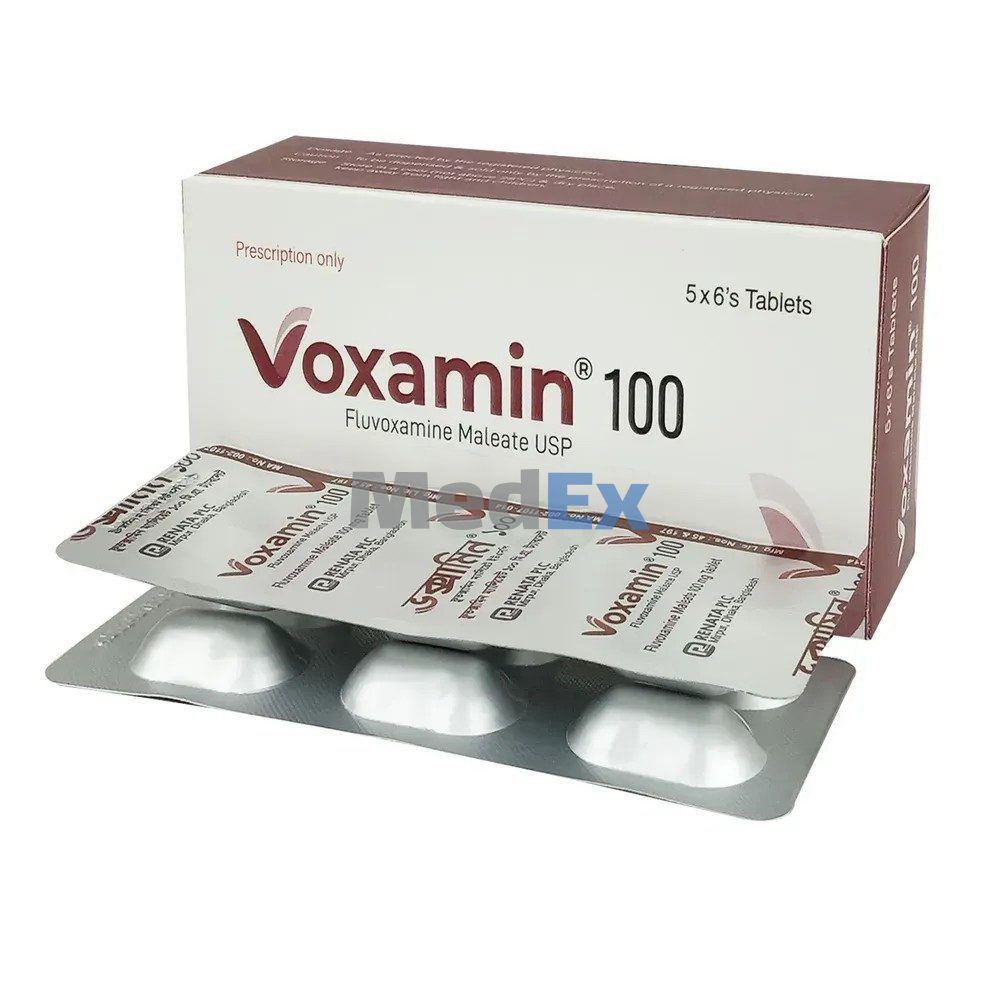
Voxamin
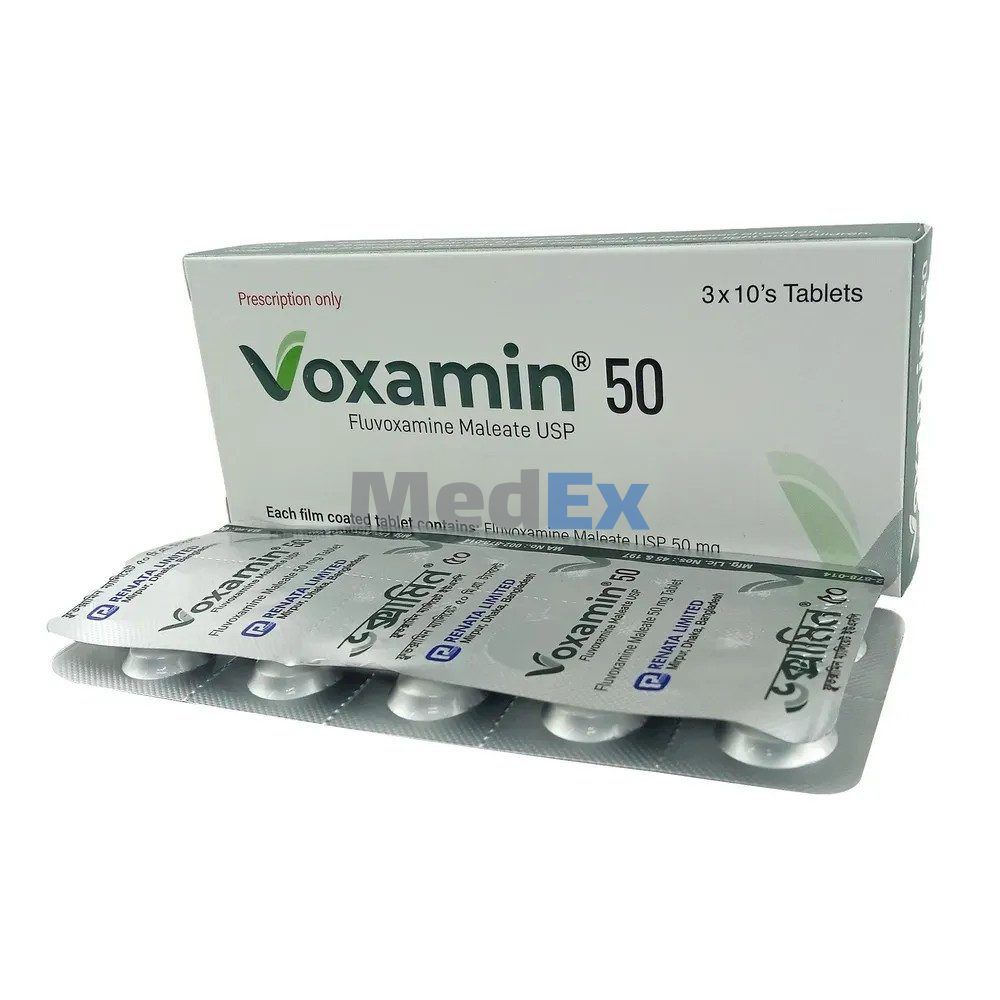
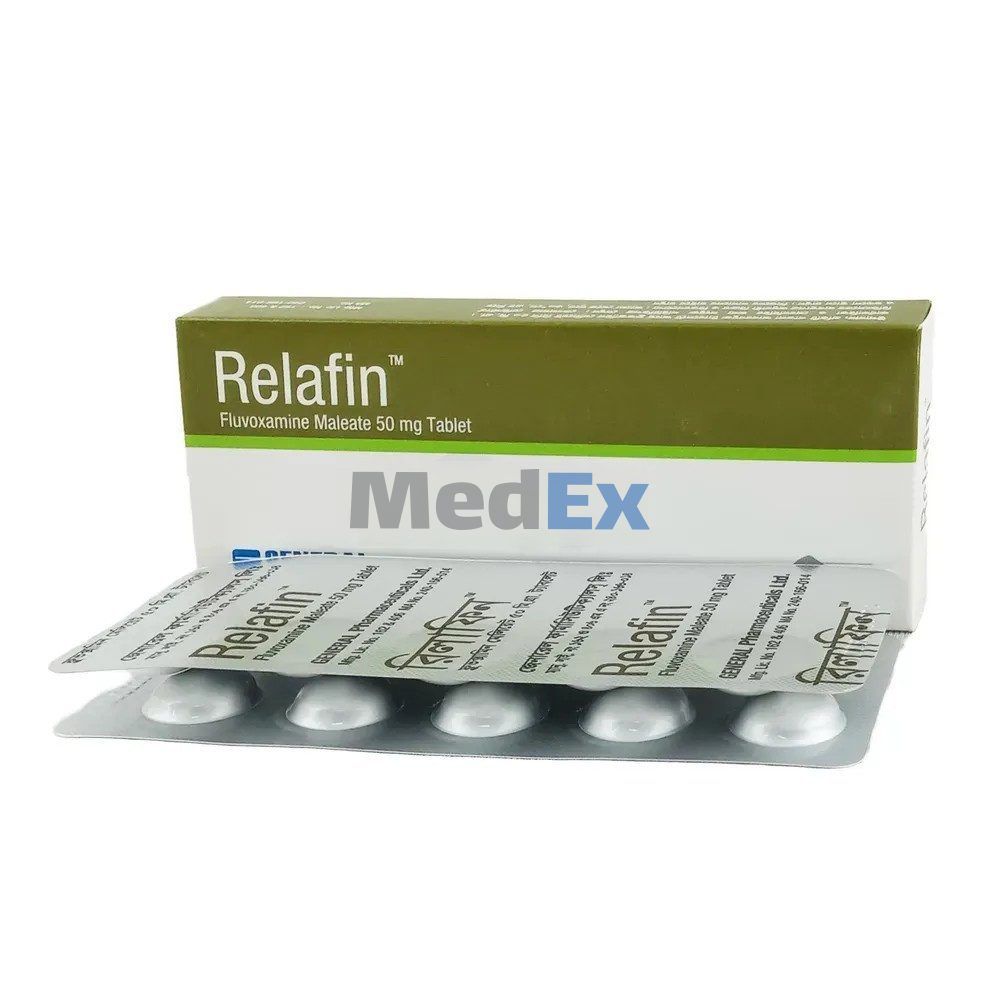
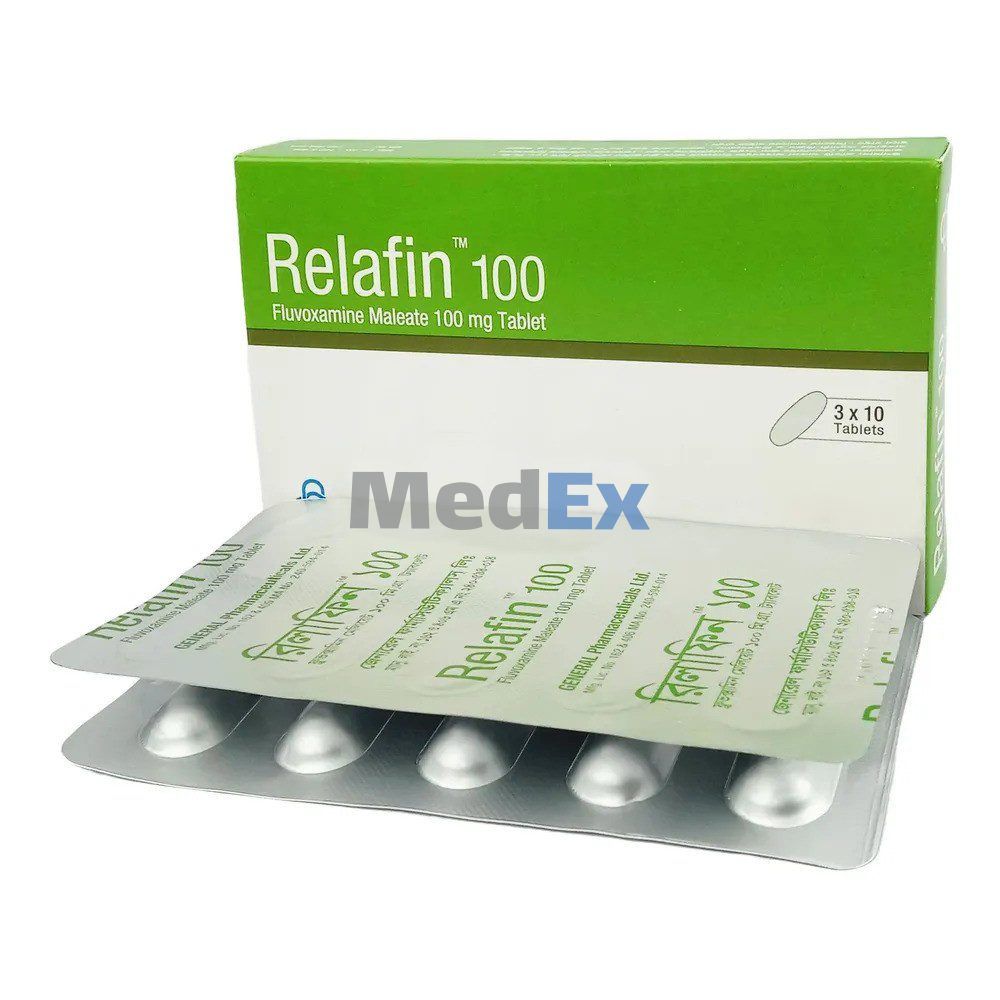
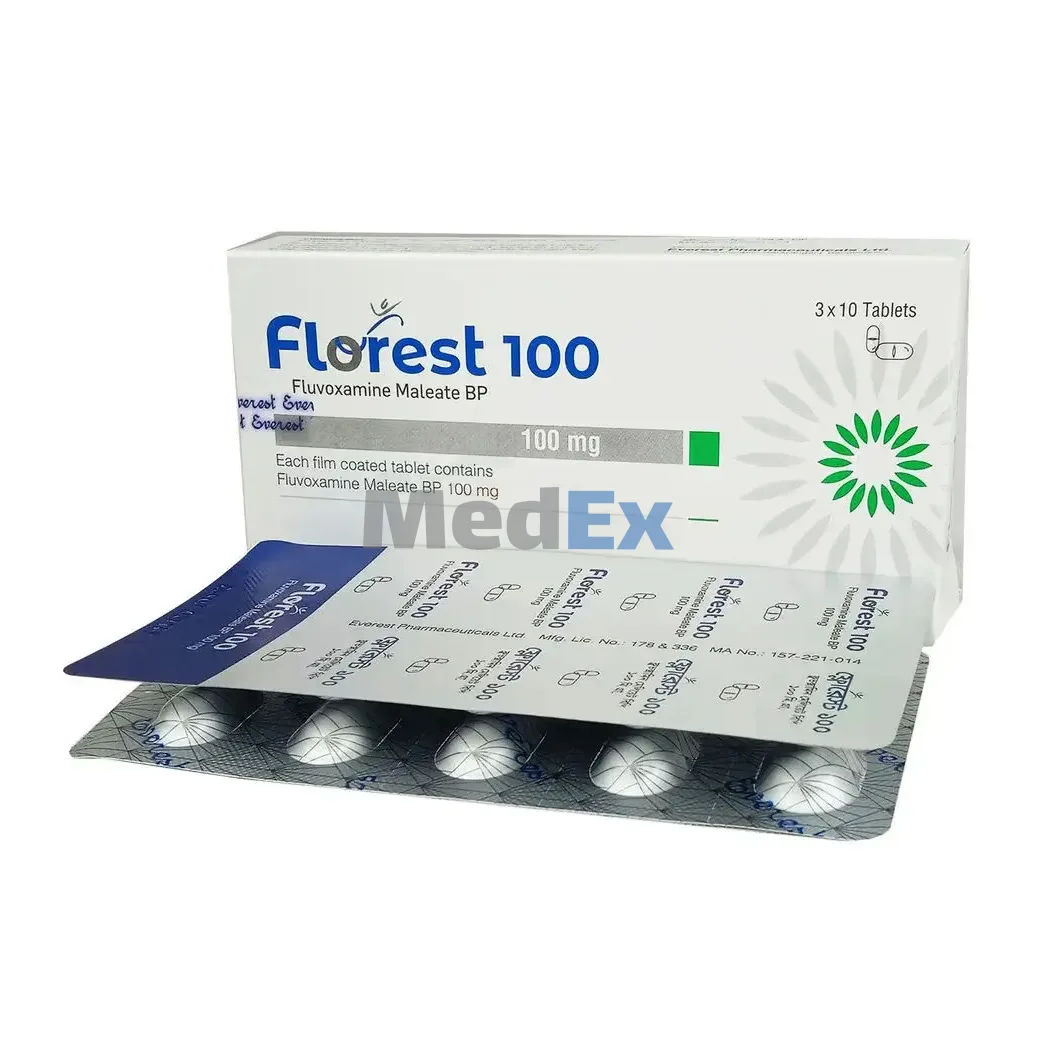
Cheaper & Alternative Brands
Same generic (Fluvoxamine Maleate), same form (Tablet)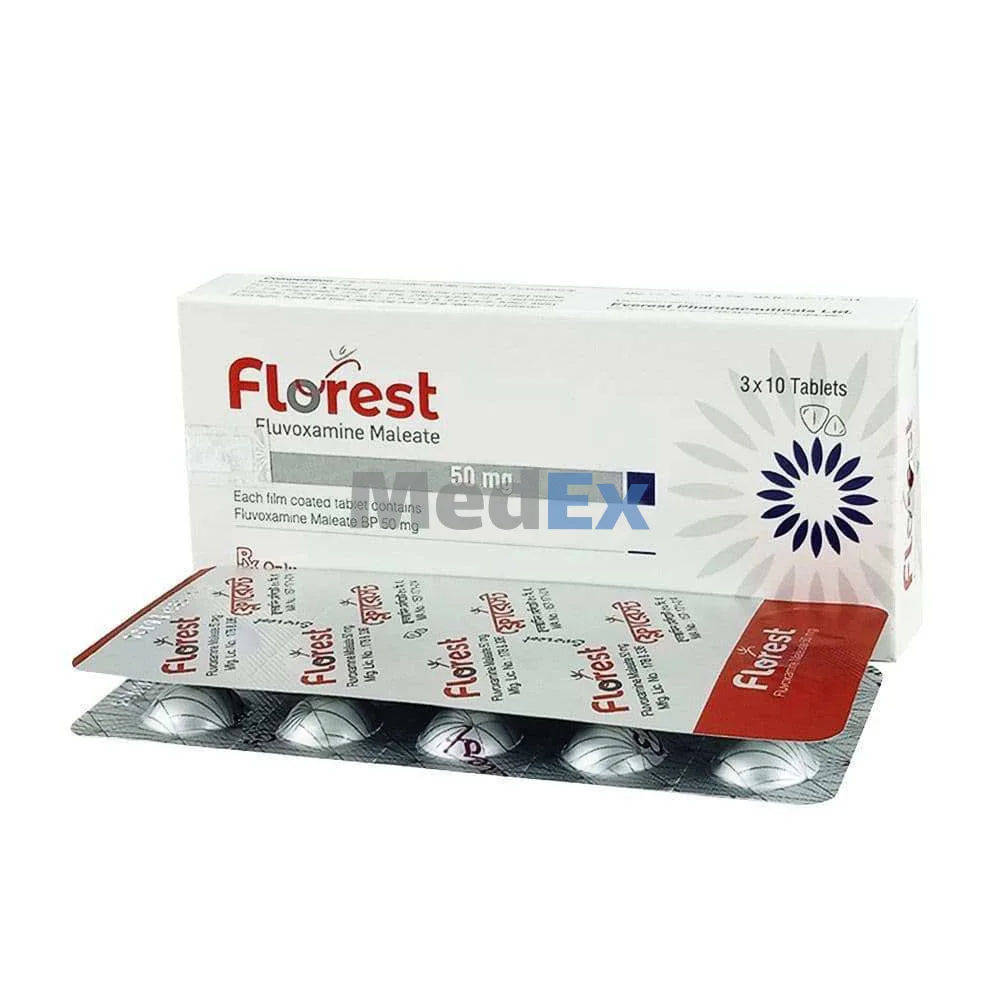
Clinical Prescribing Information
Medical monograph and safety information for healthcare professionals & patients.Indications & Clinical Uses
Florest is indicated in-
Obsessive-Compulsive Disorder
Depressive illness
It is also Indicated in-
Panic Disorder
Eating Disorder
Chronic Tension Headache
Dosage & Administration
Obsessive-Compulsive Disorder:
Adult
: Initially 50 mg in the evening for 3-4 days, increasing if necessary to 300 mg daily (over 150 mg in divided doses).
Child
: Over 8 years initially 25 mg daily increased if necessary in steps of 25 mg every 3-4 days to max 200 mg daily in divided doses.
Depression:
Adult
: Initially 50-100 mg daily in the evening, increased if necessary to 300 mg daily (over 150 mg in divided doses). Usual maintenance dose 100 mg daily.
Child
: Not recommended.
Contraindications
Fluvoxamine maleate should not be used if the patient enters a manic phase.
Side Effects & Adverse Reactions
Gastrointestinal side effects, anorexia with weight loss (increased appetite and weight gain also reported), hypersensitivity reactions including rash, urticaria, angioedema, arthralgia, myalgia and photosensitivity. Other side effects include dry mouth, nervousness, anxiety, headache, insomnia and sexual dysfunction, palpitation, tachycardia (may also cause bradycardia), rarely postural hypotension, confusion, ataxia, abnormal liver function tests.
Warnings & Precautions
Florest should be used with caution in patients with a history of mania, seizures, suicidal tendency, concomitant EOT, cardiac disease, diabetes mellitus, angle-closure glaucoma, history of bleeding disorders (specially gastrointestinal bleeding), hepatic and renal impairment. Florest may also impair performance of skilled tasks (driving).
Pharmacology & Mechanism of Action
Fluvoxamine blocks the reuptake of serotonin at the serotonin reuptake pump of the neuronal membrane, enhancing the actions of serotonin on 5HT1A autoreceptors. Studies have also demonstrated that fluvoxamine has virtually no affinity for α1- or α2-adrenergic, β-adrenergic, muscarinic, dopamine D2, histamine H1, GABA-benzodiazepine, opiate, 5-HT1, or 5-HT2 receptors, despite having an affinity for binding to σ1 receptors.