
Vegzelma
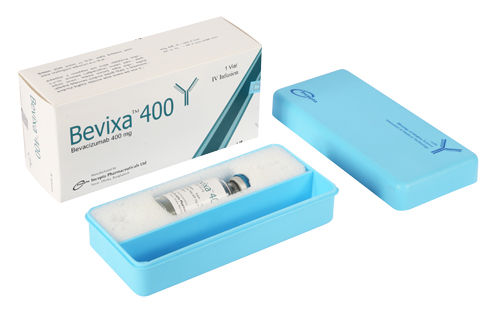
Cheaper & Alternative Brands
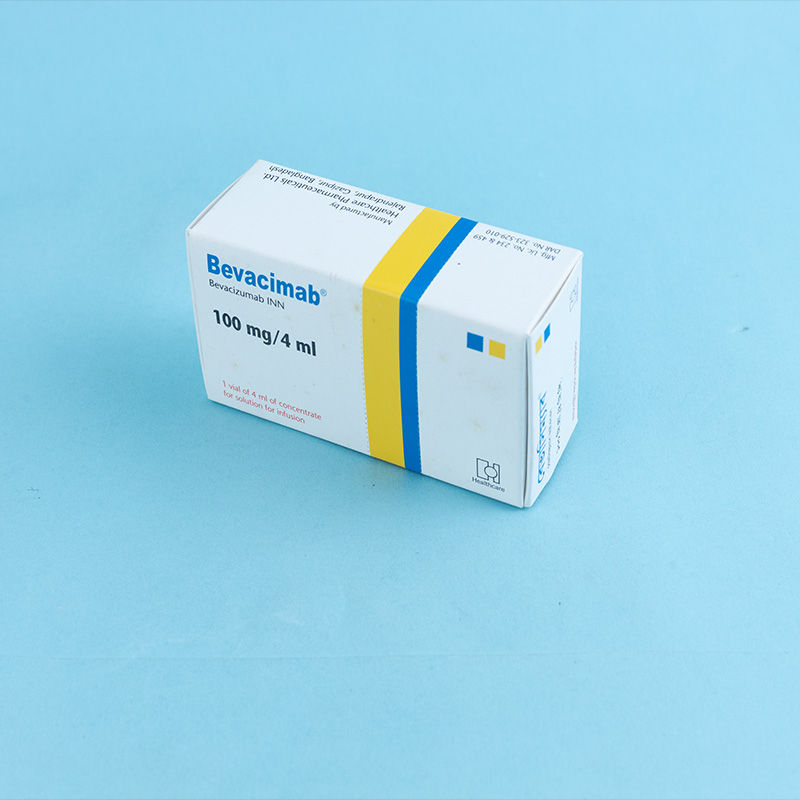
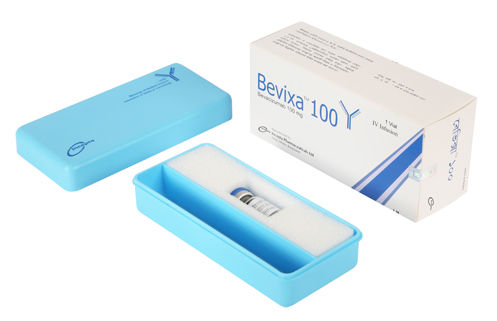
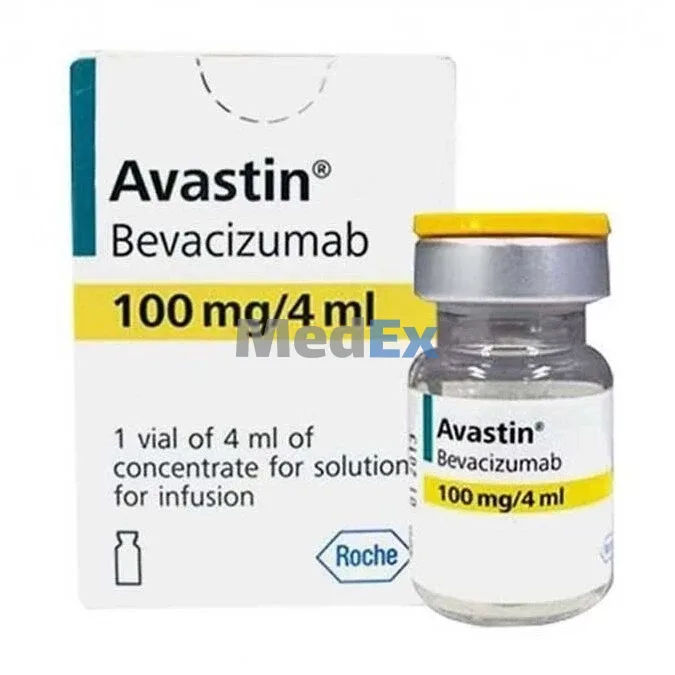
Same generic (Bevacizumab), same form (IV Infusion)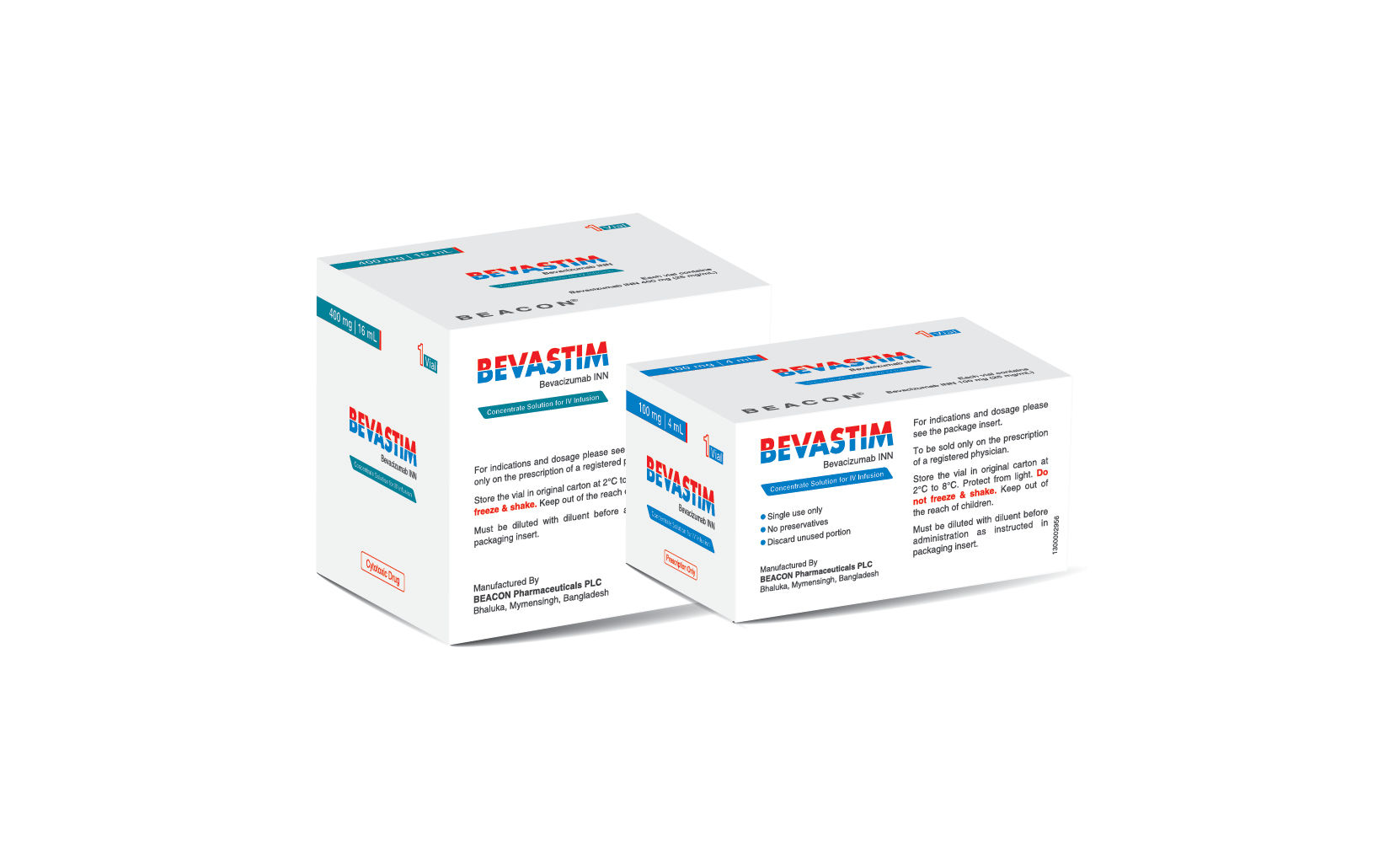

Clinical Prescribing Information
Medical monograph and safety information for healthcare professionals & patients.Indications & Clinical Uses
Abevmy is a vascular endothelial growth factor-specific angiogenesis inhibitor indicated for the treatment of:
Metastatic colorectal cancer, with intravenous 5-fluorouracil-based chemotherapy for first-or second-line treatment.
Metastatic colorectal cancer, with fluoropyrimidine-irinotecan or fluoropyrimidine-oxaliplatin based chemotherapy for second-line treatment in patients who have progressed on a first-line Abevmy containing regimen.
... Read more
Abevmy is a vascular endothelial growth factor-specific angiogenesis inhibitor indicated for the treatment of:
Metastatic colorectal cancer, with intravenous 5-fluorouracil-based chemotherapy for first-or second-line treatment.
Metastatic colorectal cancer, with fluoropyrimidine-irinotecan or fluoropyrimidine-oxaliplatin based chemotherapy for second-line treatment in patients who have progressed on a first-line Abevmy containing regimen.
Non-squamous non-small cell lung cancer, with carboplatin and paclitaxel for first-line treatment of unresectable, locally advanced, recurrent or metastatic disease.
Glioblastoma, as a single agent for adult patients with progressive disease following prior therapy. Effectiveness of Abevmy is based on improvement in objective response rate. No data available demonstrating improvement in disease-related symptoms or survival with Abevmy.
Metastatic renal cell carcinoma with interferon alfa.
Cervical cancer, in combination with paclitaxel and cisplatin or paclitaxel and topotecan in persistent, recurrent, or metastatic disease.
Recurrent epithelial ovarian, fallopian tube, or primary peritoneal cancer that is: (1) Platinum-resistant in combination with paclitaxel, pegylated liposomal doxorubicin, or topotecan. (2) Platinum-sensitive in combination with carboplatin and paclitaxel or in combination with carboplatin and gemcitabine, followed by Abevmy as a single agent.
Limitation of Use: Abevmy is not indicated for adjuvant treatment of colon cancer.
Contraindications
There are no contraindications listed in the manufacturer’s labeling.
Side Effects & Adverse Reactions
Most common adverse reactions (incidence >10% and at least twice the control arm rate) are epistaxis, headache, hypertension, rhinitis, proteinuria, taste alteration, dry skin, rectal hemorrhage, lacrimation disorder, back pain and exfoliative dermatitis.
Warnings & Precautions
Perforation or Fistula
: Discontinue Abevmy if perforation or fistula occurs.
Arterial Thromboembolic Events or ATE
(e.g., myocardial infarction, cerebral infarction): Discontinue Abevmy for severe ATE.
Venous Thromboembolic Events or VTE
: Discontinue Abevmy for lifethreatening VTE.
Hypertension
: Monitor blood pressure and treat hypertension. Temporarily suspend Abevmy if not medically controlled. Discontinue Abevmy for hypertensive crisis or hypertensive encephalopathy.
Posterior Reversible Encephalopathy Syndrome (PRES)
: Discontinue Abevmy.
Proteinuria
: Monitor urine protein. Discontinue Abevmy for nephrotic syndrome. Temporarily suspend Abevmy for moderate proteinuria.
Infusion Reactions
: Stop Abevmy for severe infusion reactions.
Embryo-fetal Toxicity
: Advise females of potential risk to a fetus and the need for use of effective contraception.
Ovarian Failure
: Advise females of the potential risk.
Pharmacology & Mechanism of Action
Bevacizumab is a recombinant humanized monoclonal IgG1 antibody that binds to and inhibits the biologic activity of human vascular endothelial growth factor (VEGF) in-vitro and in-vivo assay systems. Bevacizumab contains human framework regions and the complementarity-determining regions of a murine antibody that binds to VEGF. Bevacizumab has an approximate molecular weight of 149 kD. Bevacizumab is produced in a mammalian cell (Chinese Hamster Ovary) expression system in a nutrient medium containing the antibiotic gentamicin. Gentamicin is not detectable in the final product. Bevacizumab is a clear to slightly opalescent, colorless to pale brown, sterile, pH 6.2 solution for intravenous infusion.