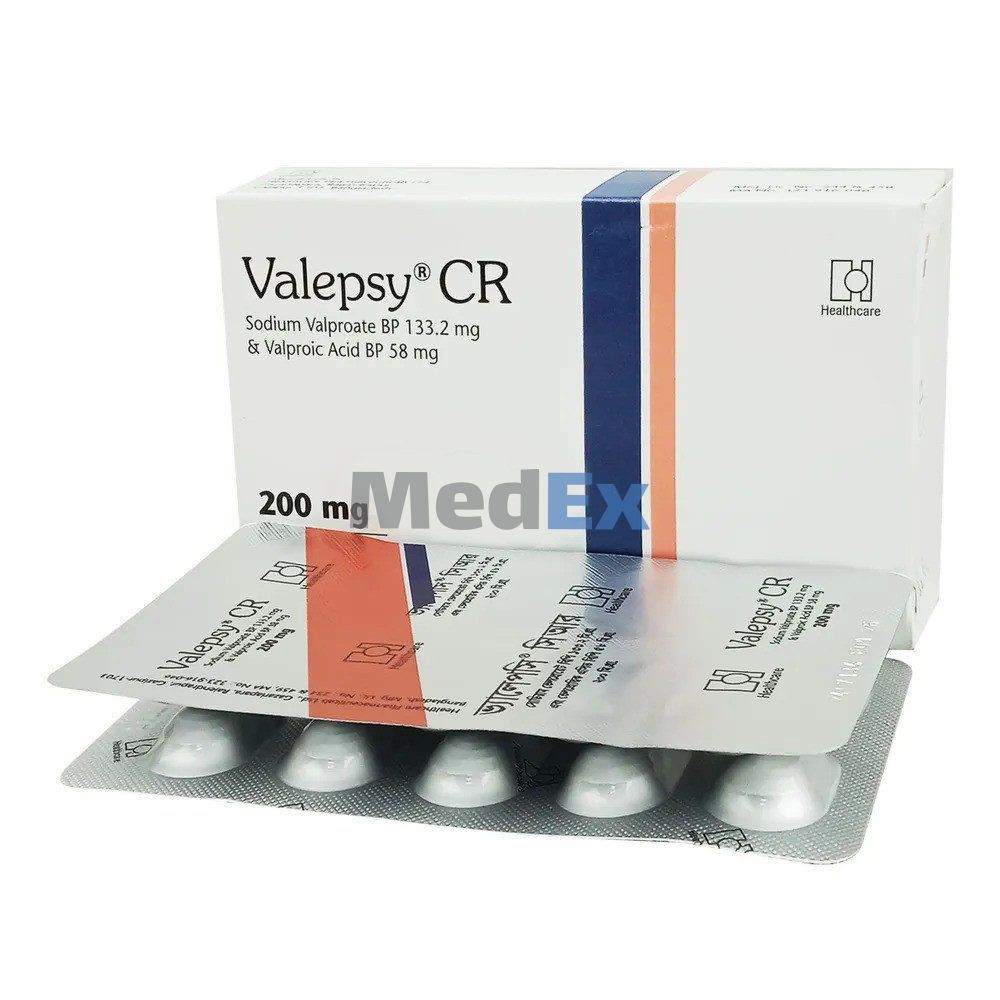
Valepsy CR
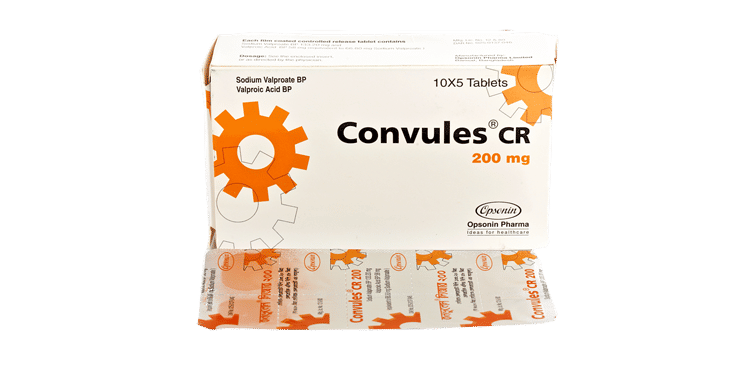
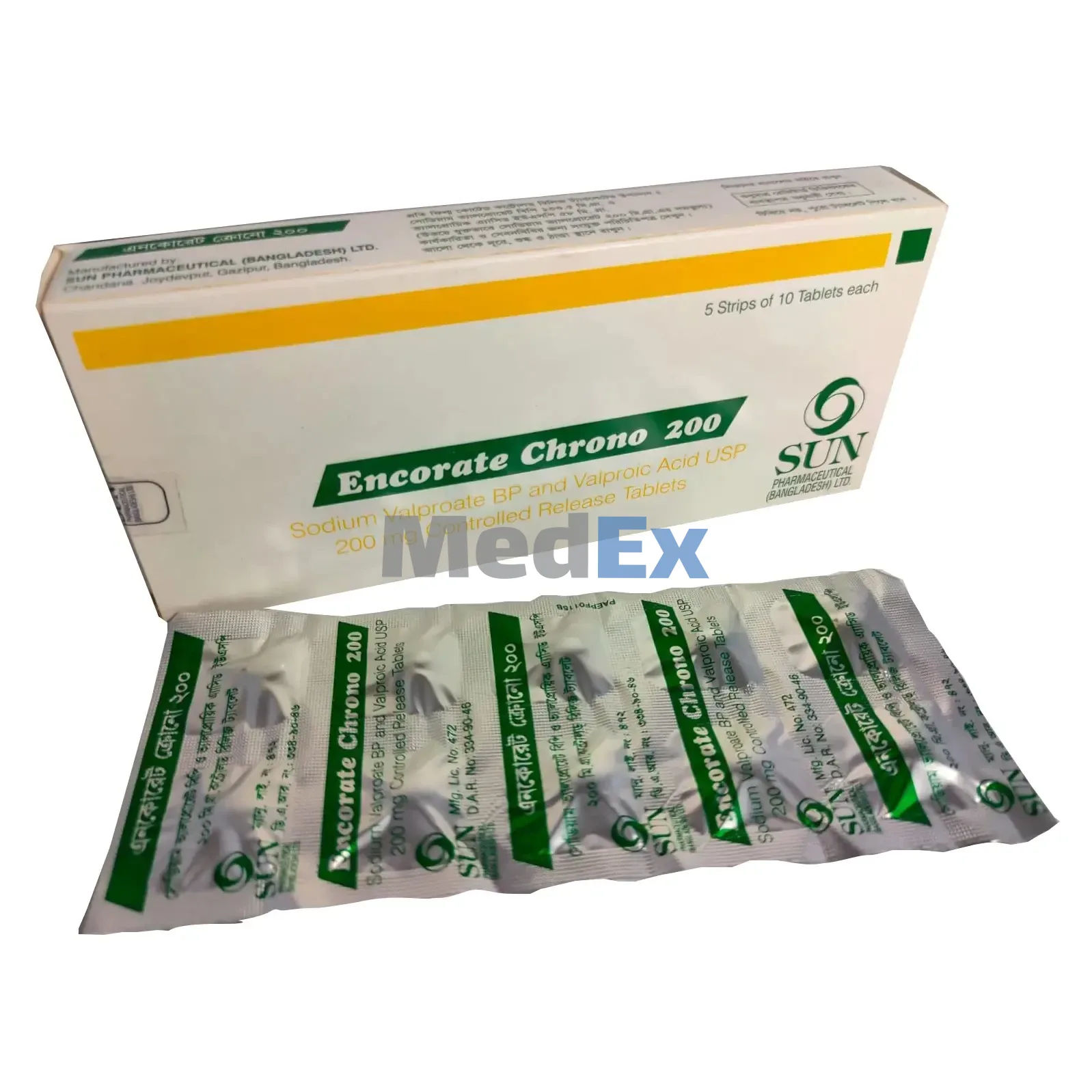
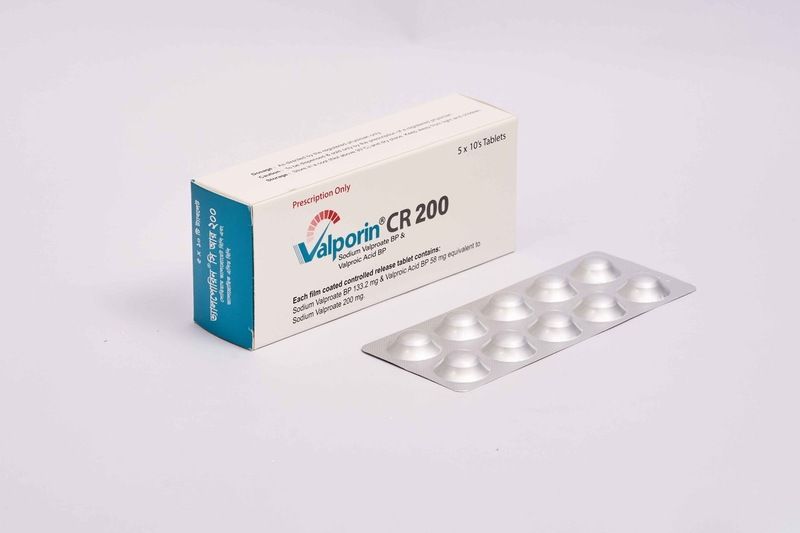
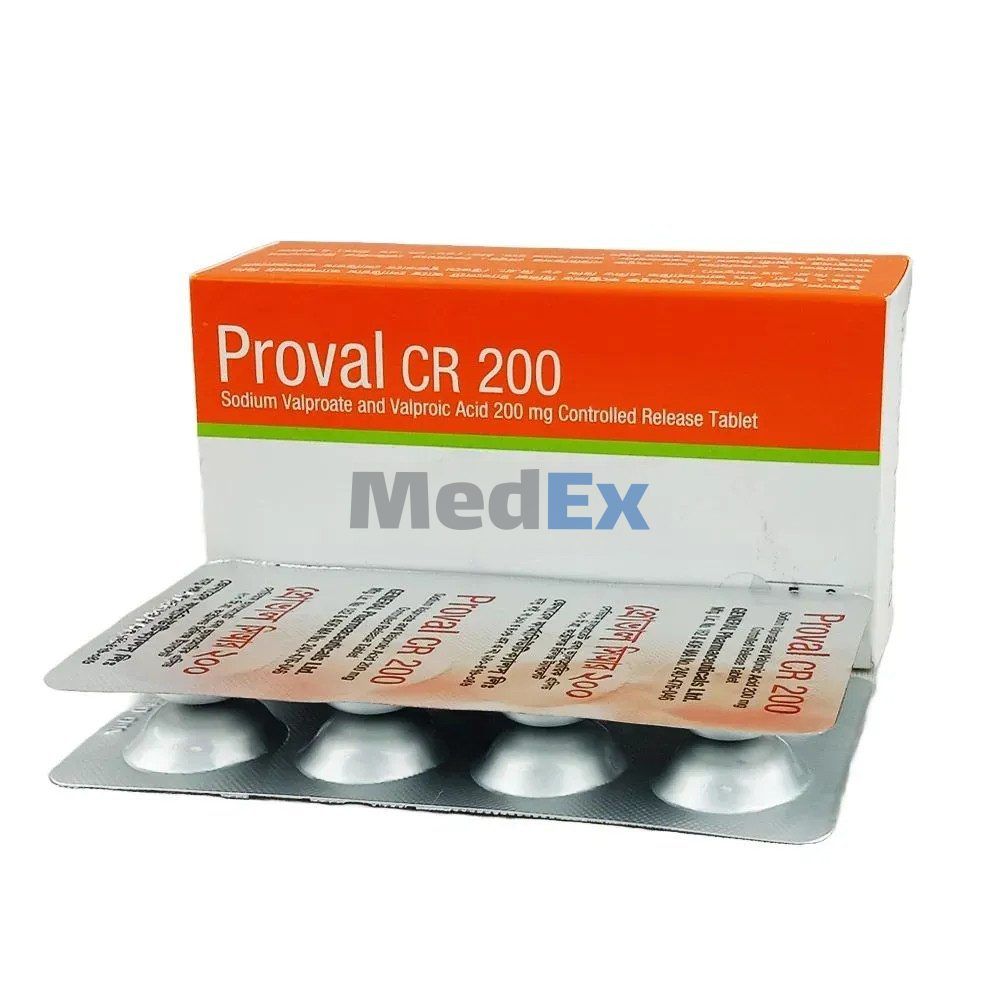
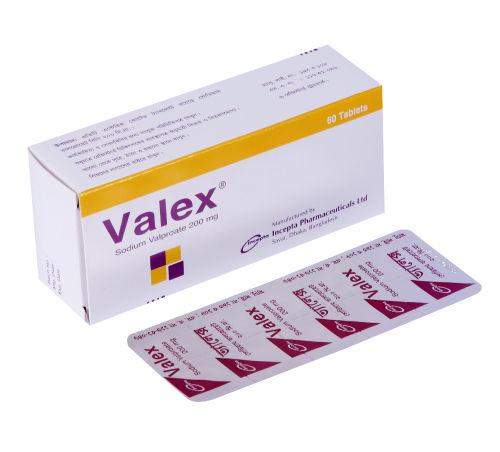
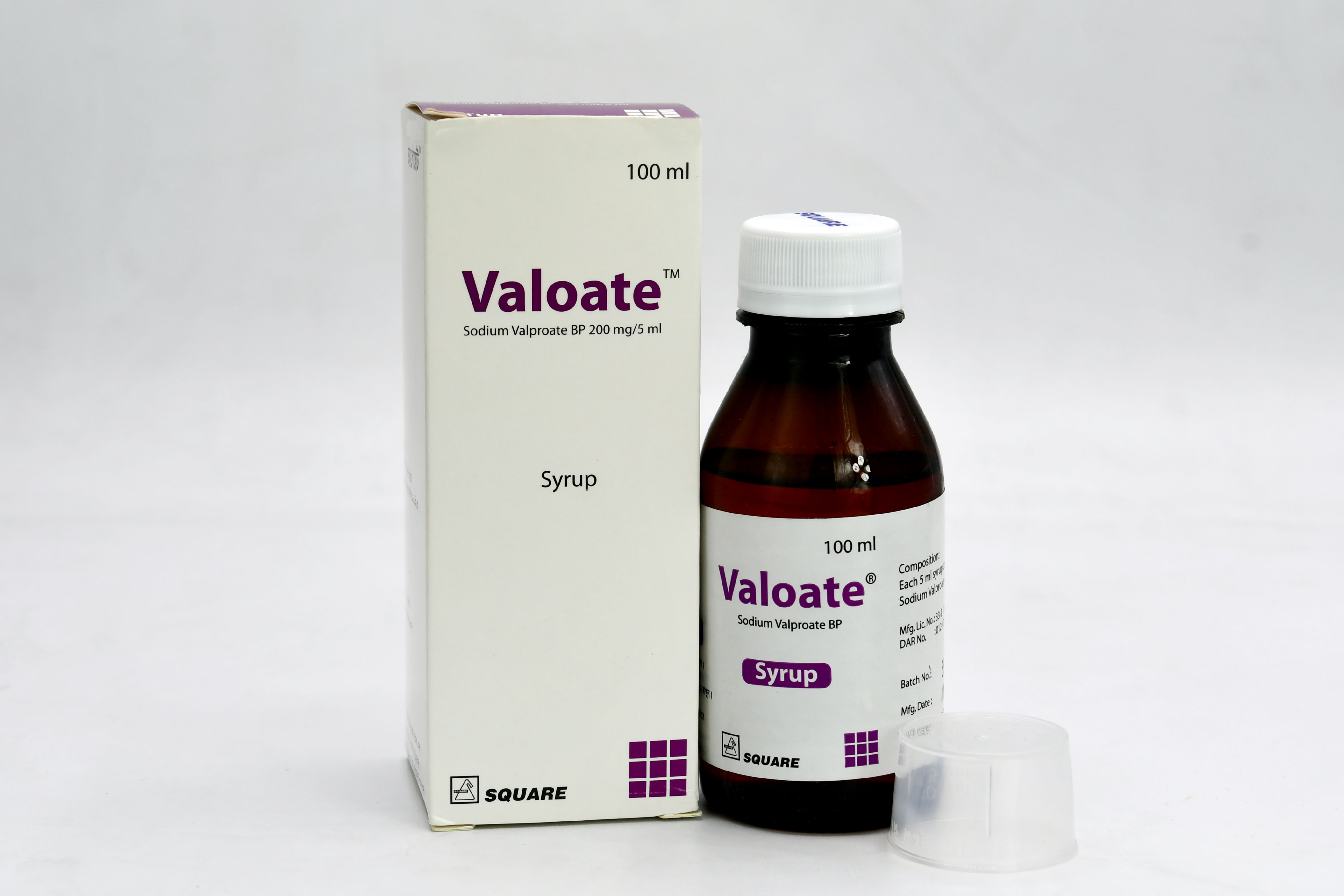
Cheaper & Alternative Brands
Same generic (Sodium Valproate), same form (Tablet (Controlled Release))


Clinical Prescribing Information
Medical monograph and safety information for healthcare professionals & patients.Indications & Clinical Uses
Convules is indicated for the treatment of all types of epilepsy, e.g.
Partial seizures
Absence seizures (petit mal)
Generalized tonic-clonic seizures (grand mal)
Myoclonic seizures
Atonic seizures
Mixed seizures that include absence attack
Prophylaxis of febrile convulsion
Prophylaxis of post-traumatic epilepsy.
Convules is also indicated in the treatment of bipolar disorder & prophylaxis of migraine.
Dosage & Administration
Oral
: Sodium Valproate tablets may be given once or twice daily and syrup should be given in divided doses.
Epilepsy:
Adult
: Initially, 600 mg daily is given in 2 divided doses, preferably after food, increasing by 200 mg/day at 3-day intervals to a maximum of 2.5 g daily in divided doses until control of seizure is achieved. Usual maintenance dose is 1-2 g daily (20-30 mg/kg daily).
Children (over 20 kg)
- Initially 400 mg daily in divided doses increased until control (usually in the range of 20-30 mg/kg daily); Maximum 35 mg/kg daily.
Children (up to 20 kg)
- Initially 20 mg/kg daily in divided doses.
Febrile convulsion: 20-30 mg/kg/day in 3 divided doses.
Bipolar disorder: Initially 600 mg daily (20-30 mg/kg/day) in 2-3 divided doses. The maintenance dosage is 1000-2000 mg daily.
Prophylaxis of migraine: 400-600 mg daily, although some may require 1000-1500 mg daily.
Injection
:
Adults
- May be given a slow intravenous injection over 3-5 minutes, usually 400-800 mg depending on body weight (up to 10 mg/kg) followed by continuous or repeated infusion up to a maximum of 2500 mg/day.
For children
- Initial: 20-30 mg/kg/day, Maximum: 40 mg/kg/day. It may be given by direct slow intravenous injection or by infusion using compatible diluents e.g. 0.9% Sodium Chloride injection, 5% Dextrose injection.
Contraindications
Sodium Valproate is contraindicated to patients who have known hypersensitivity to the drug and liver dysfunction. Use of Sodium Valproate is restricted during pregnancy and in women of childbearing potential.
Side Effects & Adverse Reactions
The most common side effects are anorexia, nausea and vomiting. However, these side effects are minimized with the use of enteric coated tablets. Effects on the CNS include sedation, ataxia and tremor. These symptoms occur infrequently and usually respond to a decrease in doses. Rash, alopecia and stimulation of appetite have been observed occasionally. Convules Vaiproate has several effects on hepatic function of which elevation of liver enzymes in plasma is observed in up to 40% of patients and often occurs asymptomatically during the first few months of therapy. Rarely a fulminate hepatitis that may be fatal may develop. Children below 2 years of age with other medical conditions and those being treated with multiple antiepileptic agents are specially prone to suffer from hepatic injury, acute pancreatitis and hyperammonemia have also been frequently associated with the use of Convules.
Warnings & Precautions
Liver functions should be monitored before therapy and during first 6 months especially in patients most at risk, No undue potential for bleeding before starting and before major surgery must be ensured, Care should be taken in renal impairment, pregnancy, breast-feeding and systemic lupus erythematosus. Convules is partially eliminated in the urine as a ketone metabolite, which may lead to a false interpretation of the urine ketone test. Sudden withdrawal of therapy should be avoided. Convules should not be used during pregnancy and in women of childbearing potential.
Pharmacology & Mechanism of Action
Sodium Valproate, the active ingredient of this preparation is endowed with anti-epileptic activity against a variety of seizures. The mechanism by which Sodium Valproate exerts its anti-epileptic effects has not been established. However, it has been suggested that its activity is related to increase brain levels of gamma-aminobutyric acid (GABA).