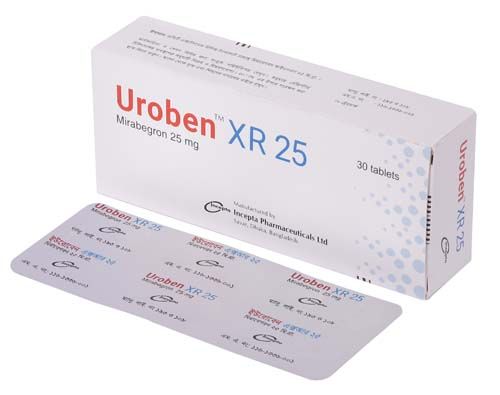
Uroben XR
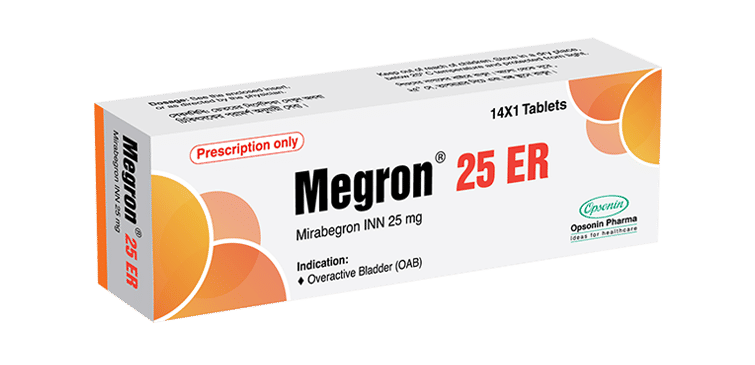
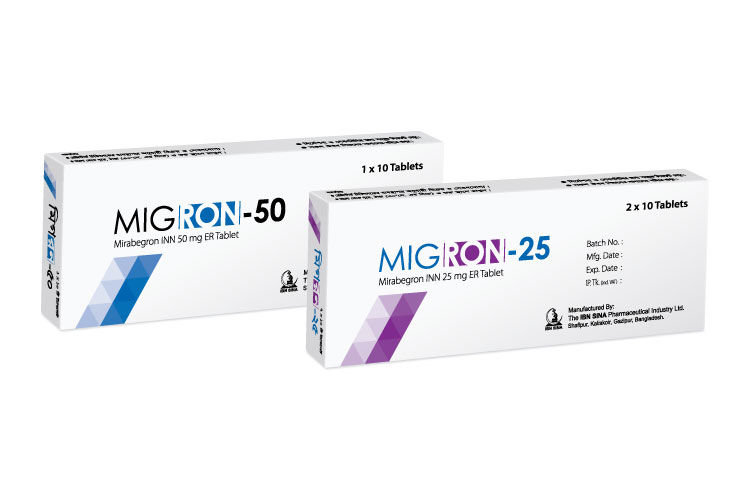
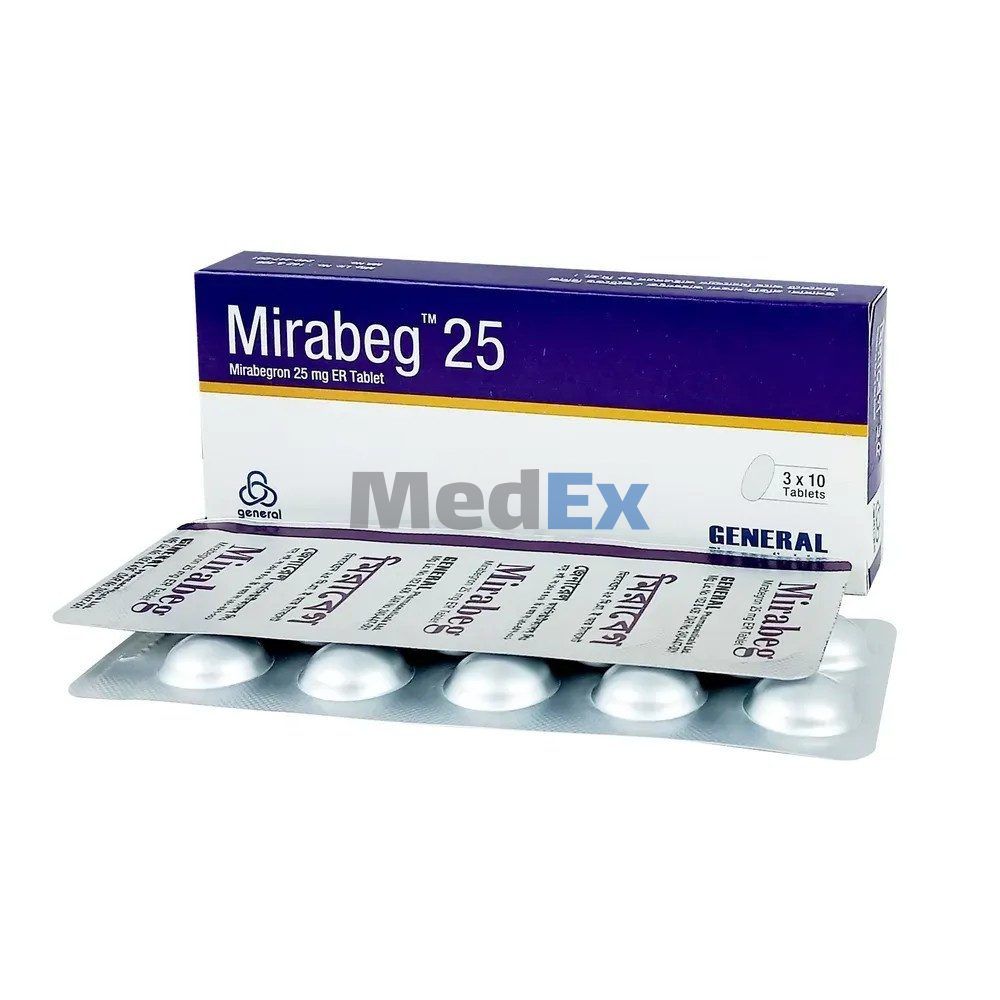
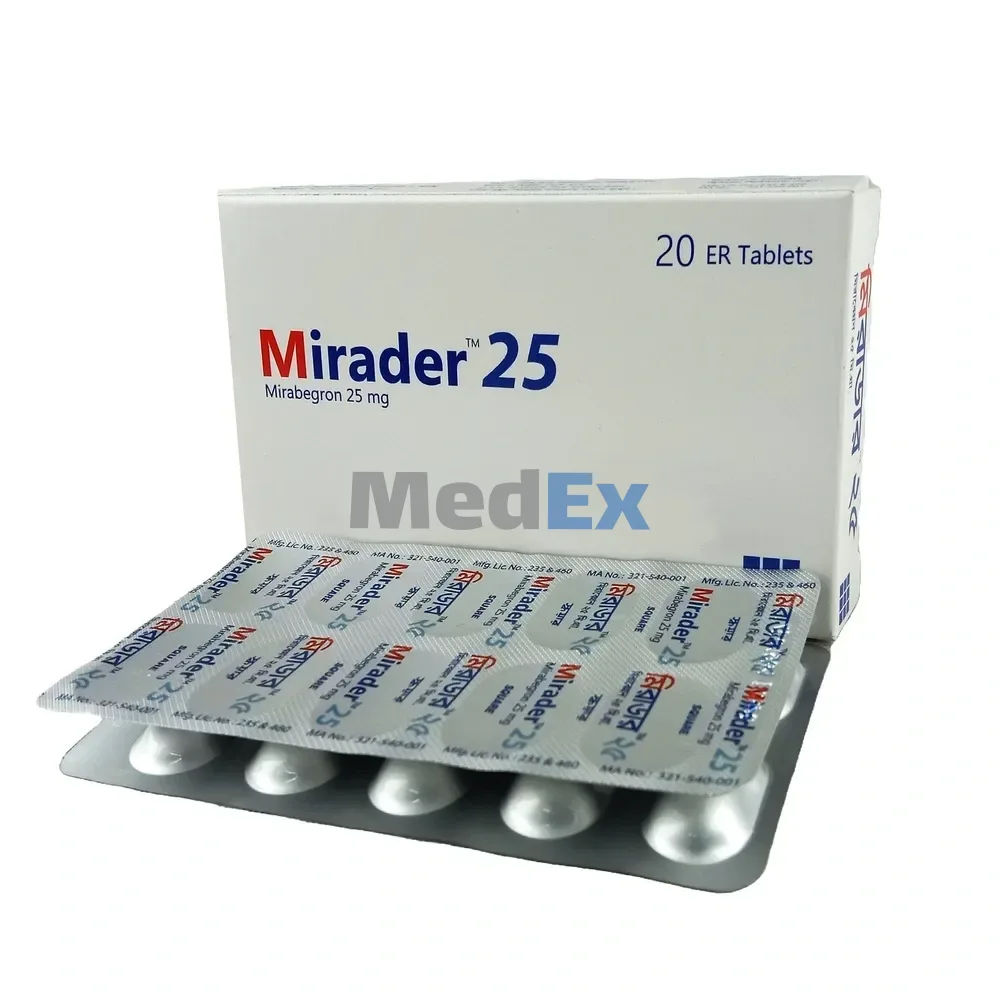
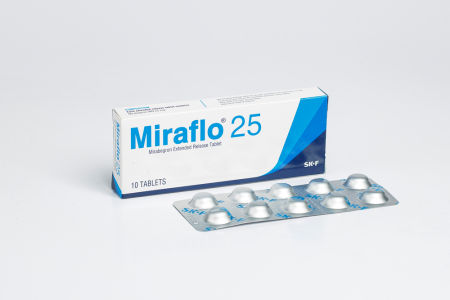
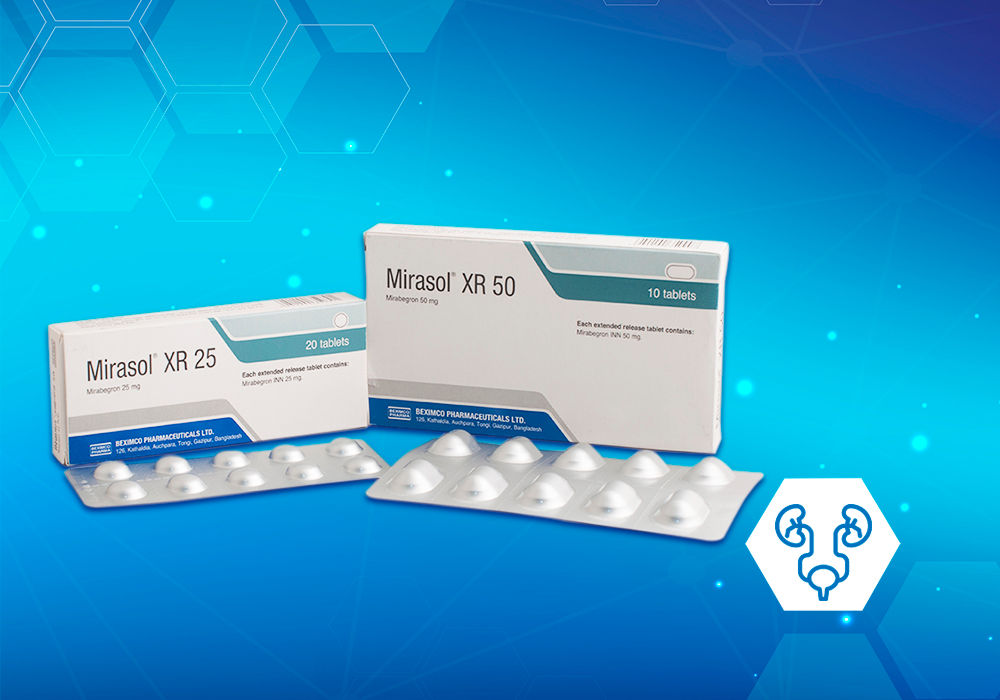
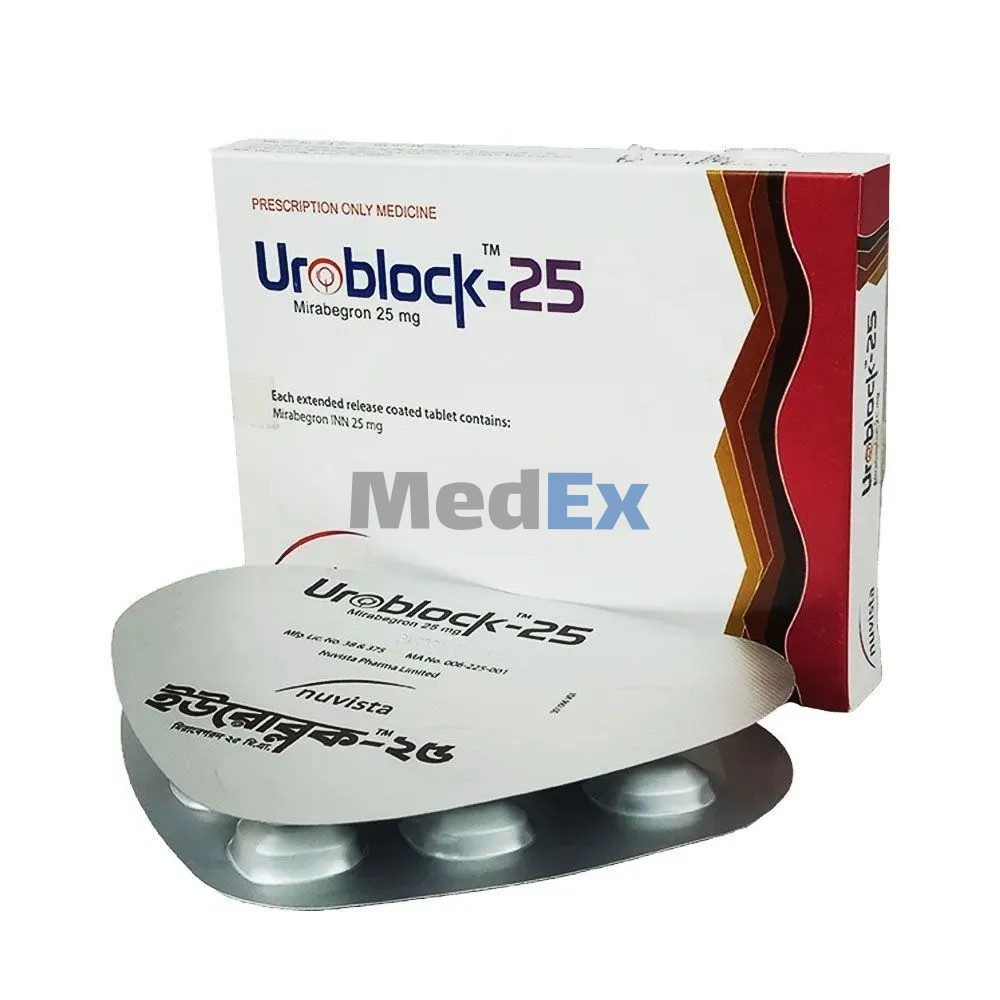
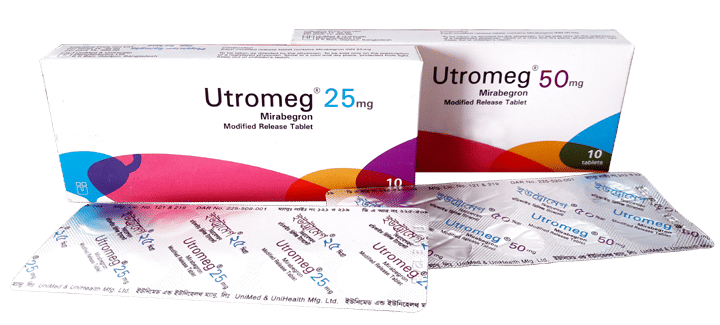
Cheaper & Alternative Brands
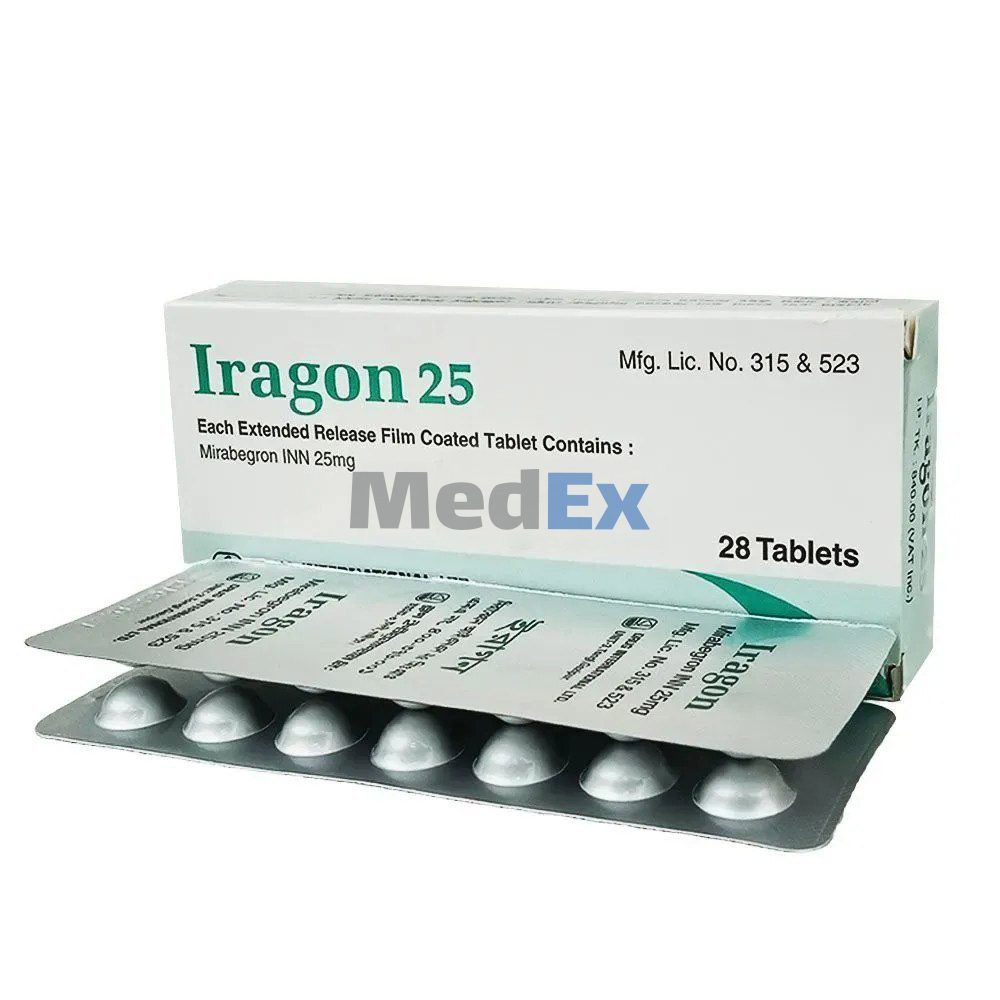
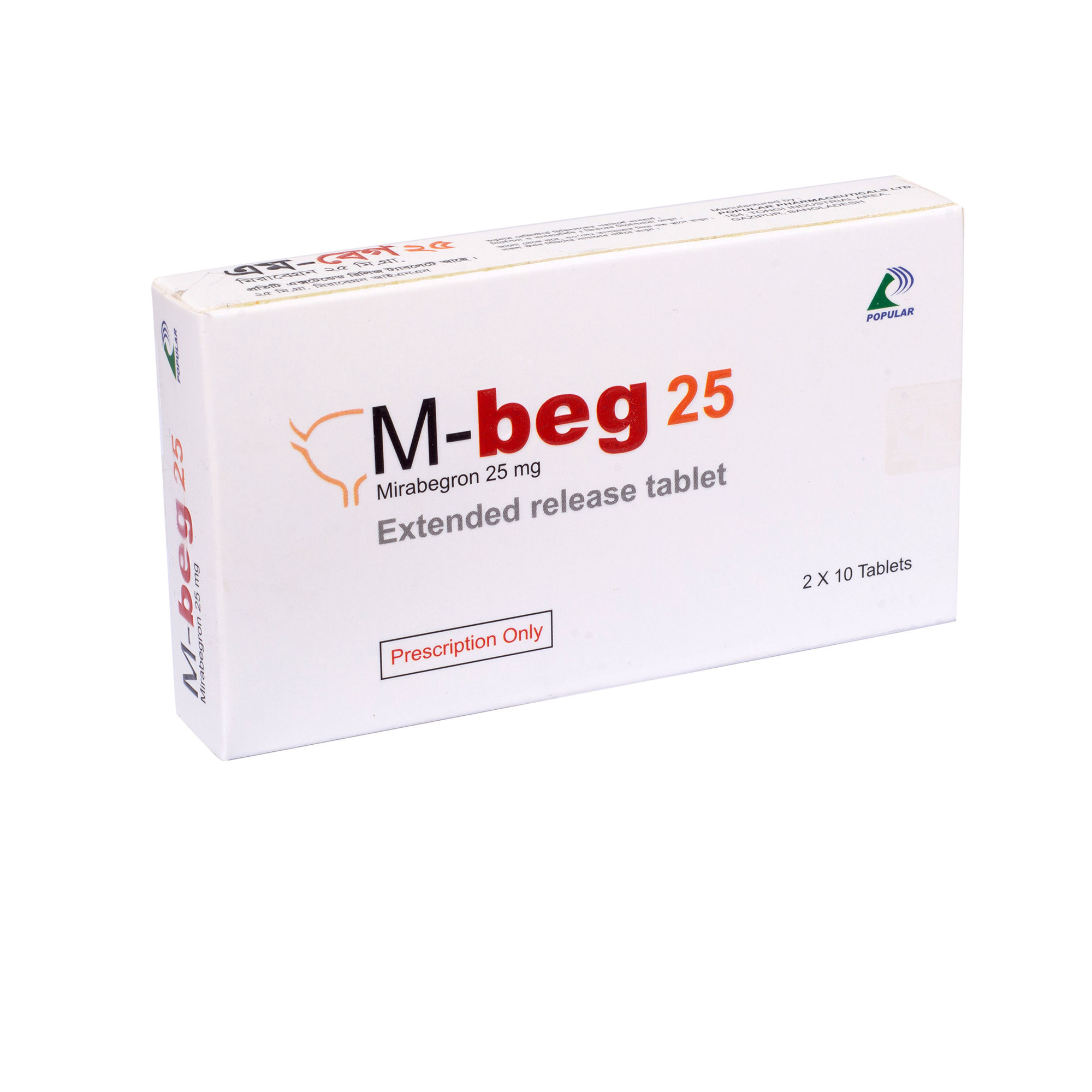
Same generic (Mirabegron), same form (Tablet (Extended Release))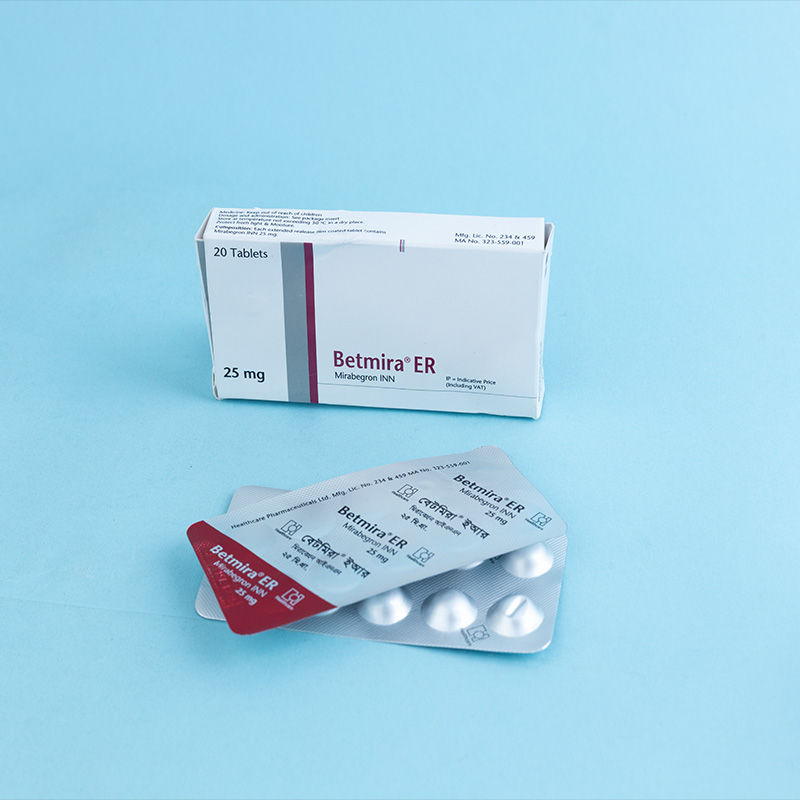
Clinical Prescribing Information
Medical monograph and safety information for healthcare professionals & patients.Indications & Clinical Uses
Betmira ER tablet is indicated for the symptomatic treatment of urgency, increased micturition frequency and urgency incontinence as may occur in adult patients with overactive bladder (OAB) syndrome.
Dosage & Administration
Adults including elderly
: The recommended starting dose is Mirabegron 25 mg tablet once daily with or without food. Based on individual patient efficacy and tolerability the dose may be increased to Mirabegron 50 mg tablet once daily.
Renal or hepatic impairment
:
Patients with severe renal impairment (ClCr 15 to 29 mL/min or eGFR 15 to 29 mL/min/1.73 m2) or moderate hepatic impairment (Child-Pugh Class B), the daily dose of Mirabegron should not exceed 25 mg tablet once daily.
Mirabegron has not been studied in patients with end stage renal disease (GFR <15 mL/min/1.73 m2 or patients requiring haemodialysis) or severe hepatic impairment (Child Pugh Class C) and it is therefore not recommended for use in these patient populations.
Gender
: No dose adjustment is necessary according to gender.
Paediatric population
: The safety and efficacy of Mirabegron in children below 18 years of age have not yet been established.
Mirabegron tablet is to be taken once daily, with liquids, swallowed whole and is not to be chewed, divided, or crushed.
Contraindications
Mirabegron is contraindicated in patients with hypersensitivity to the active substance or to any of the excipients and severe uncontrolled hypertension defined as systolic blood pressure 180 mm Hg and/or diastolic blood pressure 110 mm Hg.
Side Effects & Adverse Reactions
The most common side effects reported for patients treated with Betmira ER 50 mg during the three 12-week phase 3 double blind, placebo controlled studies are tachycardia and urinary tract infections. The frequency of tachycardia was 1.2% in patients receiving Betmira ER 50 mg. Tachycardia led to discontinuation in 0.1% patients receiving Betmira ER 50 mg. The frequency of urinary tract infections was 2.9% in patients receiving Betmira ER 50 mg. Urinary tract infections led to discontinuation in none of the patients receiving Betmira ER 50 mg. Serious adverse reactions included atrial fibrillation (0.2%).
Warnings & Precautions
Renal impairment
: Betmira ER has not been studied in patients with end stage renal disease (GFR <15 mL/min/1.73 m2 or patients requiring haemodialysis) and therefore, it is not recommended for use in this patient population. Data are limited in patients with severe renal impairment (GFR 15 to 29 mL/min/1.73 m2); based on a pharmacokinetic study a dose reduction to 25 mg is recommended in this population. Betmira ER is not recommended for use in patients with severe renal impairment (GFR 15 to 29 mL/min/1.73 m2) concomitantly receiving strong CYP3A inhibitors.
Hepatic impairment
: Betmira ER has not been studied in patients with severe hepatic impairment (Child-Pugh Class C) and, therefore, it is not recommended for use in this patient population. Betmira ER is not recommended for use in patients with moderate hepatic impairment (Child-Pugh Class B) concomitantly receiving strong CYP3A inhibitors.
Hypertension
: Betmira ER can increase blood pressure. Blood pressure should be measured at baseline and periodically during treatment with Betmira ER, especially in hypertensive patients. Data are limited in patients with stage 2 hypertension (systolic blood pressure 160 mm Hg or diastolic blood pressure 100 mm Hg).
Patients with congenital or acquired QT prolongation
: Caution should be exercised when administering Betmira ER in patients with congenital or acquired QT prolongation.
Patients with bladder outlet obstruction and patients taking antimuscarinics medications for OAB
: A controlled clinical safety study in patients with bladder outlet obstruction (BOO) did not demonstrate increased urinary retention in patients treated with Betmira ER; however, Betmira ER should be administered with caution to patients with clinically significant bladder outlet obstruction. Betmira ER should also be administered with caution to patients taking antimuscarinic medications for the treatment of OAB.
Pharmacology & Mechanism of Action
Mirabegron is the first beta-3 adrenoceptor agonist. Mirabegron exerts its effect via a dual mechanism, both directly acts on the bladder smooth muscle and also via the sensory nervous system, it increases the levels of cyclic adenosine monophosphate (cyclic AMP) and leads to relaxation of the detrusor smooth muscle during storage phase of urinary bladder fill-void cycle by activation of beta-3 adrenoceptor which increase bladder capacity.