Tussy
Cheaper & Alternative Brands
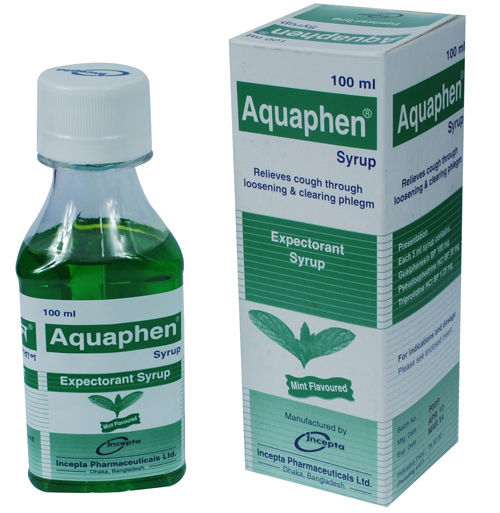
Same generic (Pseudoephedrine + Guaiphenasine + Triprolidine), same form (Syrup)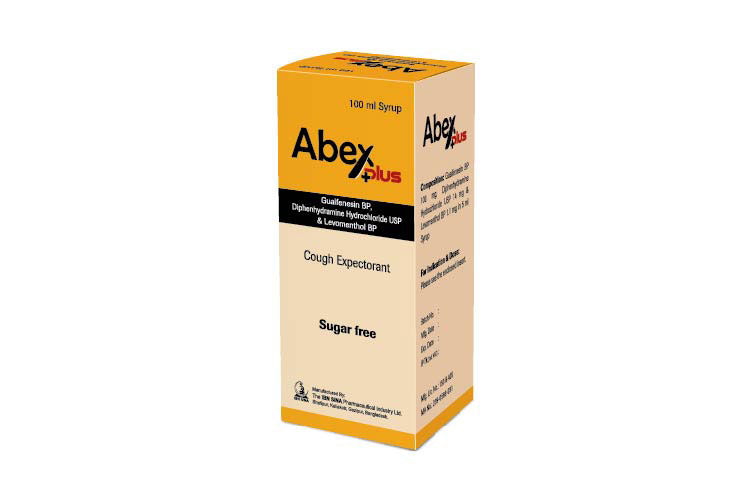
Clinical Prescribing Information
Medical monograph and safety information for healthcare professionals & patients.Indications & Clinical Uses
This is indicated for the symptomatic relief of upper respiratory tract disorders accompanied by productive cough which benefits from the administration of a nasal decongestant, a histamine H1 receptor antagonist and an expectorant combination.
Dosage & Administration
Adult and Children over 12 years
: 10 ml (2 teaspoonful) three times a day.
Children 6-12 years
: 5 ml (1 teaspoonful) three times a day.
Children 2-5 years
: 2.5 ml (1/2 teaspoonful) three times a day.
A physician's advice is preferred before administering this preparation to children aged less than 2 years.
Contraindications
This is contraindicated in the cases of known hypersensitivity to any of its constituents, cardiovascular disease including hypertension, lower respiratory symptoms including asthma, monoamine oxidase inhibitor (MAOI) therapy.
Side Effects & Adverse Reactions
Central nervous system (CNS) depression or excitation may occur. Sleep disturbance and rarely hallucination have been reported. Skin rashes, tachycardia, dryness of mouth, nose and throat have occasionally been reported. Urinary retention has been reported occasionally in men receiving pseudoephedrine; prostatic enlargement could have been an important predisposing factor.
Warnings & Precautions
This syrup may cause drowsiness and impair performance in tests of auditory vigilance. It may also impair the patients ability to drive and also to use machineries. So, driving and operation of machineries should be avoided during treatment with this syrup. Although there are no objective data, users of this syrup should avoid the concomitant use of alcohol or other centrally acting sedatives.
Although Pseudoephedrine has virtually no pressor effect in patients with normal blood pressure, this syrup should be used with caution in patients taking antihypertensive agents, tricyclic antidepressants or other sympathomimetic agents such as decongestant, appetite suppressants and amphetamine-like psychostimulants. The effects of a single dose of this syrup on the blood pressure of these patients should be observed before recommending repeated or unsupervised treatment.
As with other sympathomimetic agents, caution should be exercised in patients with hypertension, heart disease, diabetes, hyperthyroidism, elevated intraocular pressure and prostatic enlargement. This syrup should not be used for persistent or chronic cough such as occurs with smoking, asthma or emphysema or where cough is accompanied by excessive secretions unless directed by a physician.
Pharmacology & Mechanism of Action
Guaiphenesin has an expectorant action. It reduces sputum viscosity by increasing the volume and water content of the bronchial secretion thereby facilitating the expectoration of sputum. Pseudoephedrine has direct and indirect sympathomimetic activity and is an effective upper respiratory decongestant. Pseudoephedrine is substantially less potent than ephedrine in producing both tachycardia and elevation of systolic blood pressure and considerably less potent in causing stimulation of the central nervous system.Triporlidine provides symptomatic relief in conditions believed to depend wholly or partly upon the triggered release of histamine. It is a potent competitive histamine H1-receptor antagonist of the pyrrolidine class with mild central nervous system depressant properties which may cause drowsiness. This syrup is absorbed from the gastrointestinal tract. Guaiphenesin is metabolized and excreted in the urine. Pseudoephedrine is largely excreted unchanged in the urine together with small amounts of its hepatic metabolite and triprolidine is metabolized in the liver and excreted usually as motabolites in the urine.