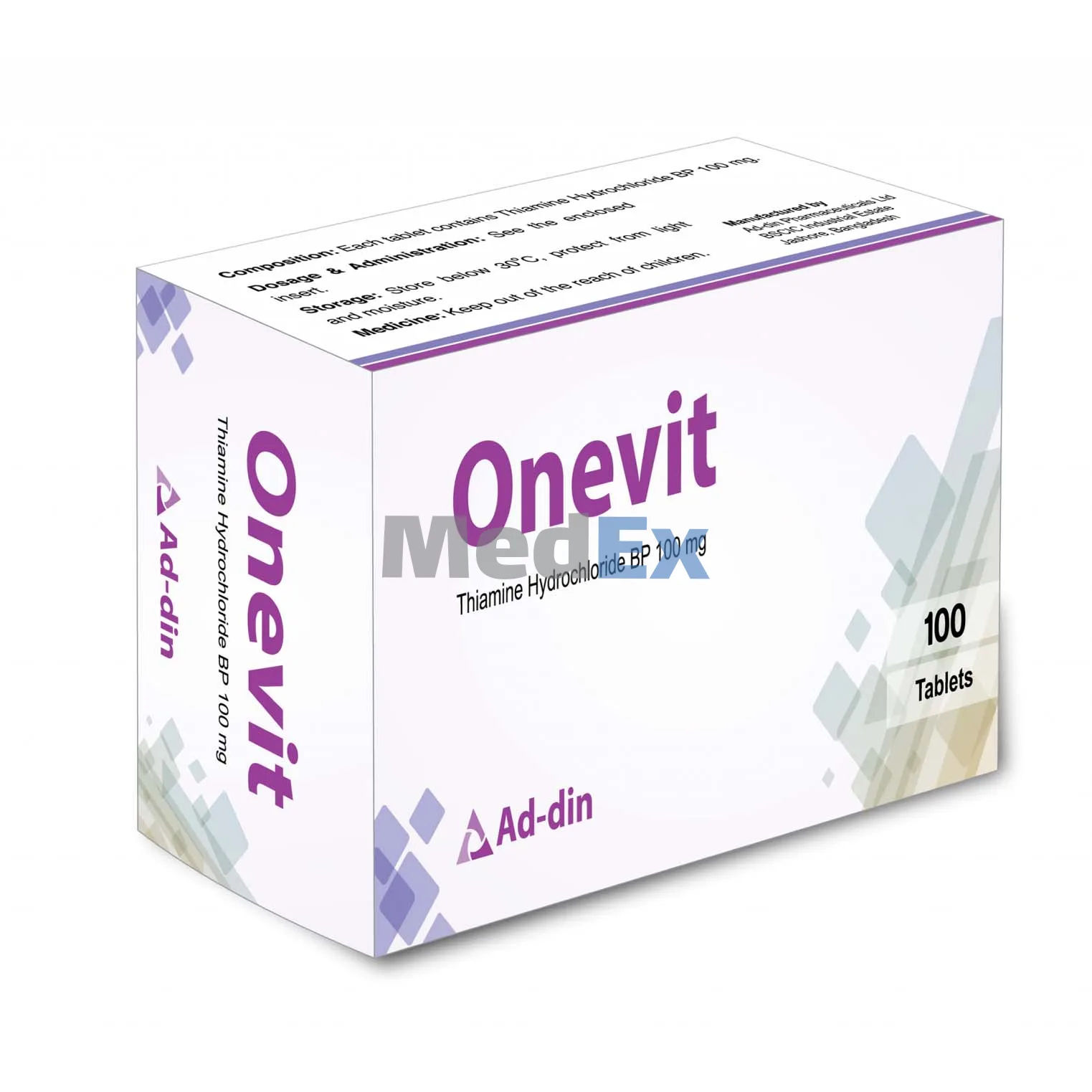
Tivit
Cheaper & Alternative Brands
Same generic (Thiamine Hydrochloride), same form (Tablet)
Clinical Prescribing Information
Medical monograph and safety information for healthcare professionals & patients.Indications & Clinical Uses
A-B1 is specifically used in the treatment of the various manifestations of thiamine deficiency such as Beriberi and Wernick's encephalopathy, neuritis associated with pregnancy and pellagra. Supplementary A-B1 may be indicated prophylactically in conditions where there is low dietary intake or impaired gastro intestinal absorption of thiamine (e.g. alcohol) or where requirements are increased (pregnancy, carbohydrate rich diet).
Dosage & Administration
In the treatment of mild chronic Thiamine deficiency doses up to 30 mg daily in single or divided doses have been recommended. In severe Thiamine deficiency doses up to 300 mg daily have been given.
Contraindications
Hypersensitivity to Thiamine.
Side Effects & Adverse Reactions
No untoward effects occur when A-B1 is administered orally in amounts many times greater than the therapeutic dose.
Warnings & Precautions
A very serious allergic reaction to this vitamin is rare. However, seek immediate medical attention if you notice any symptoms of a serious allergic reaction, including: rash, itching/swelling (especially of the face/ tongue/ throat), severe dizziness, trouble breathing.
Pharmacology & Mechanism of Action
Thiamine Hydrochloride (Vitamin B1) is an essential constituent for the metabolism of carbohydrate and a lot of amino acids. Utilization of pyruvic acid and amino acid in tissue are decreased in Thiamine deficiency. So pyruvic acid and lactic acid are accumulated and cause Beri-beri. In adult, approximately 1 mg of Thiamine per day is completely degraded by the tissues, and this is roughly the minimal daily requirement. Thiamine is well absorbed from the Gastro-intestinal tract and is widely distributed to most body tissues. Excess of the body requirements are excreted in the urine as unchanged or as metabolites.