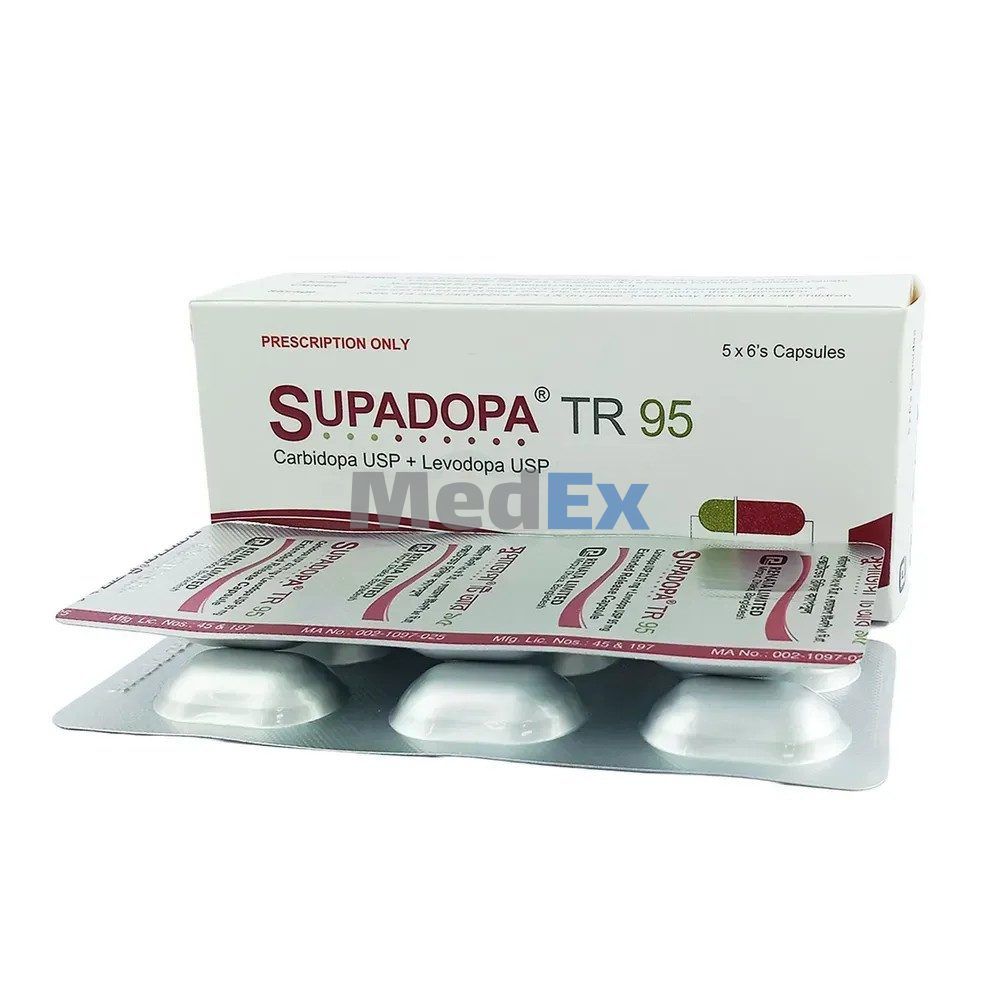
Supadopa TR
Cheaper & Alternative Brands
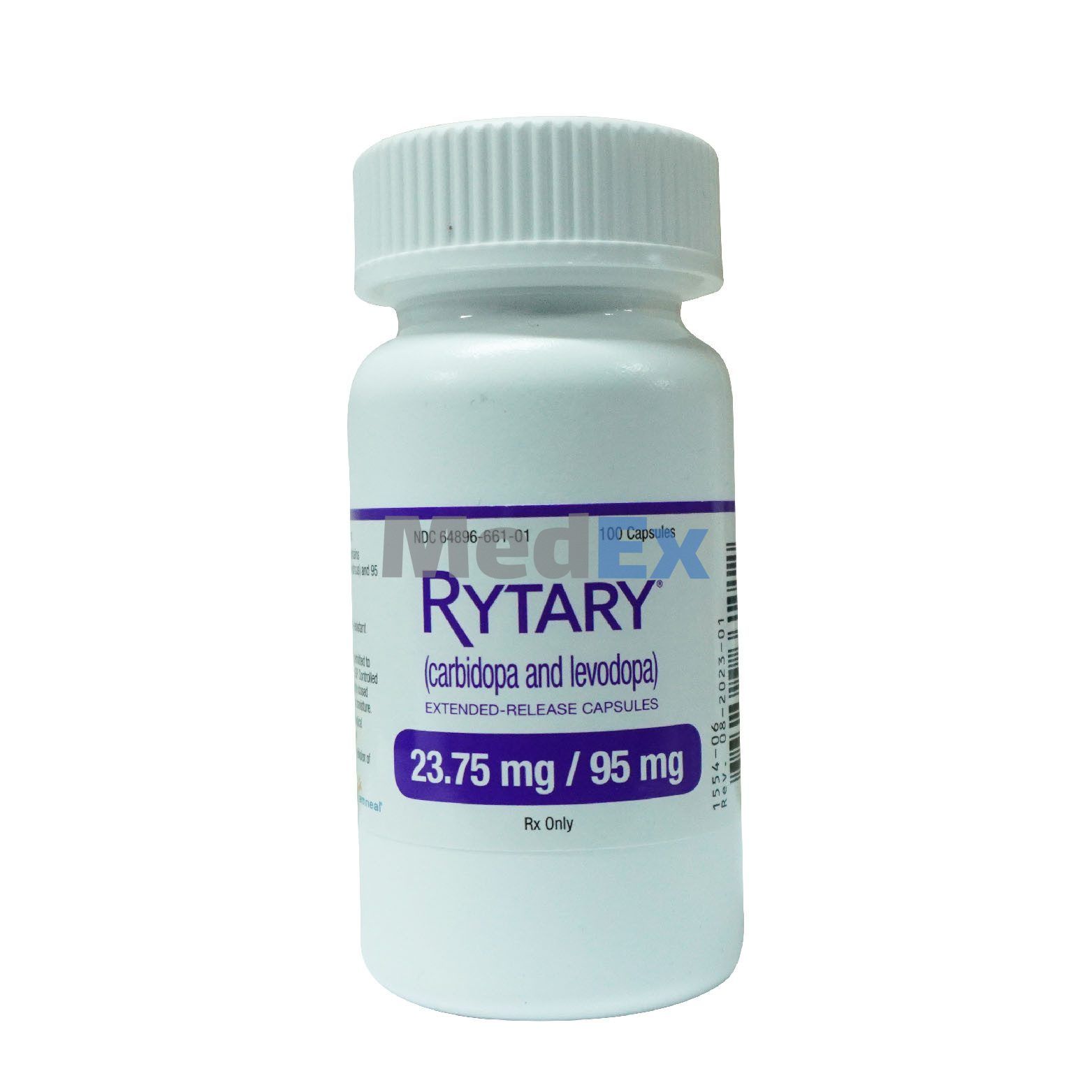
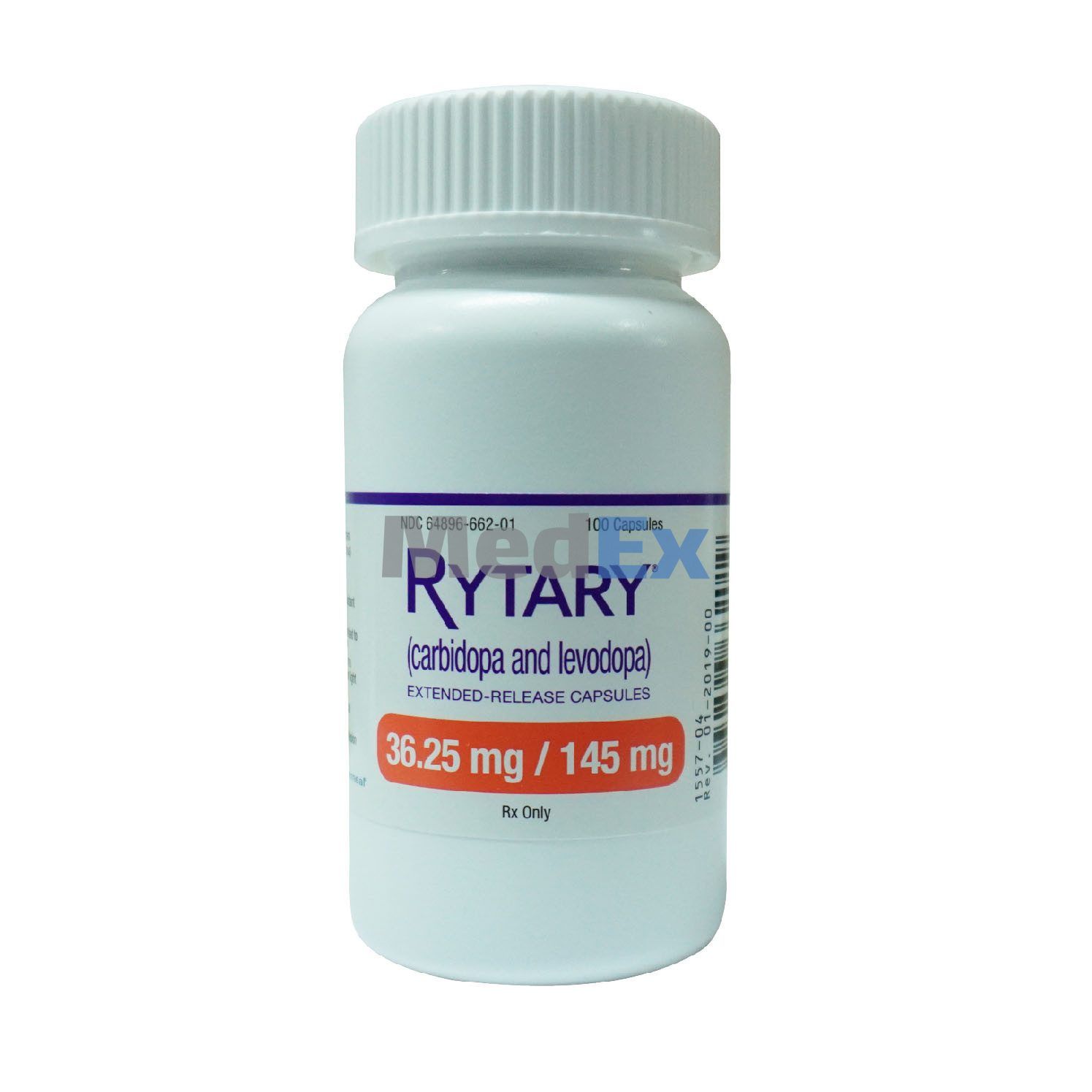
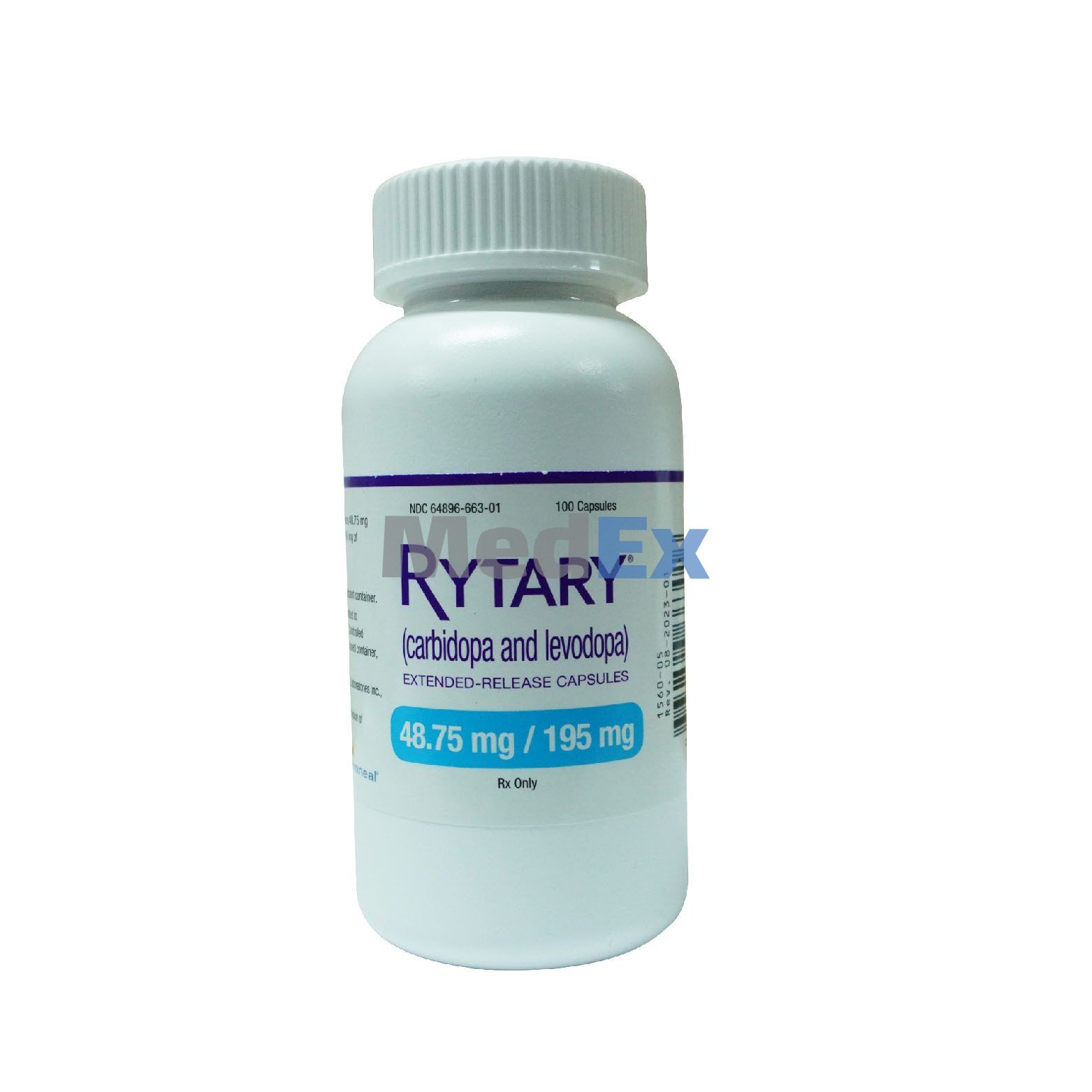
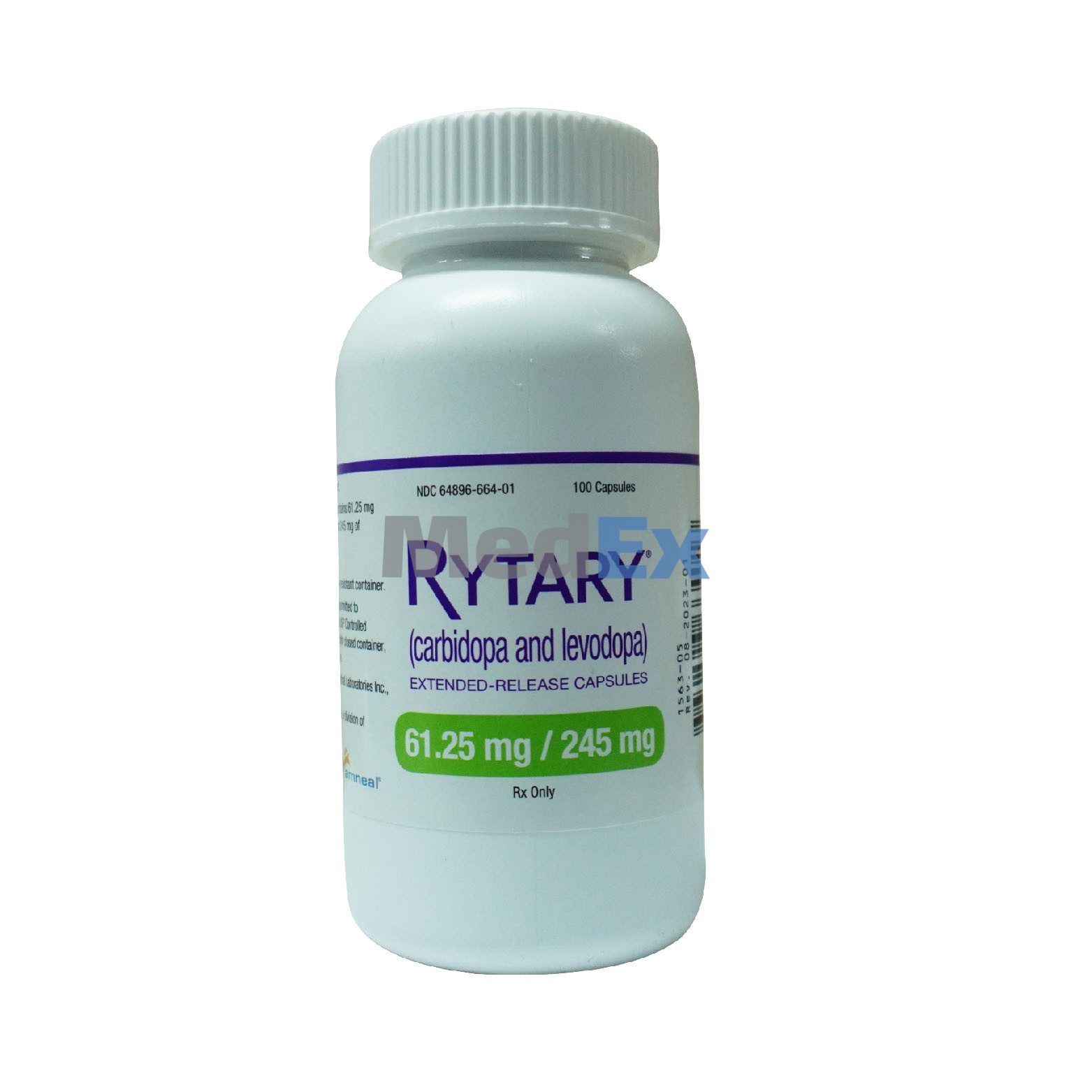
Same generic (Carbidopa + Levodopa), same form (Capsule (Extended Release))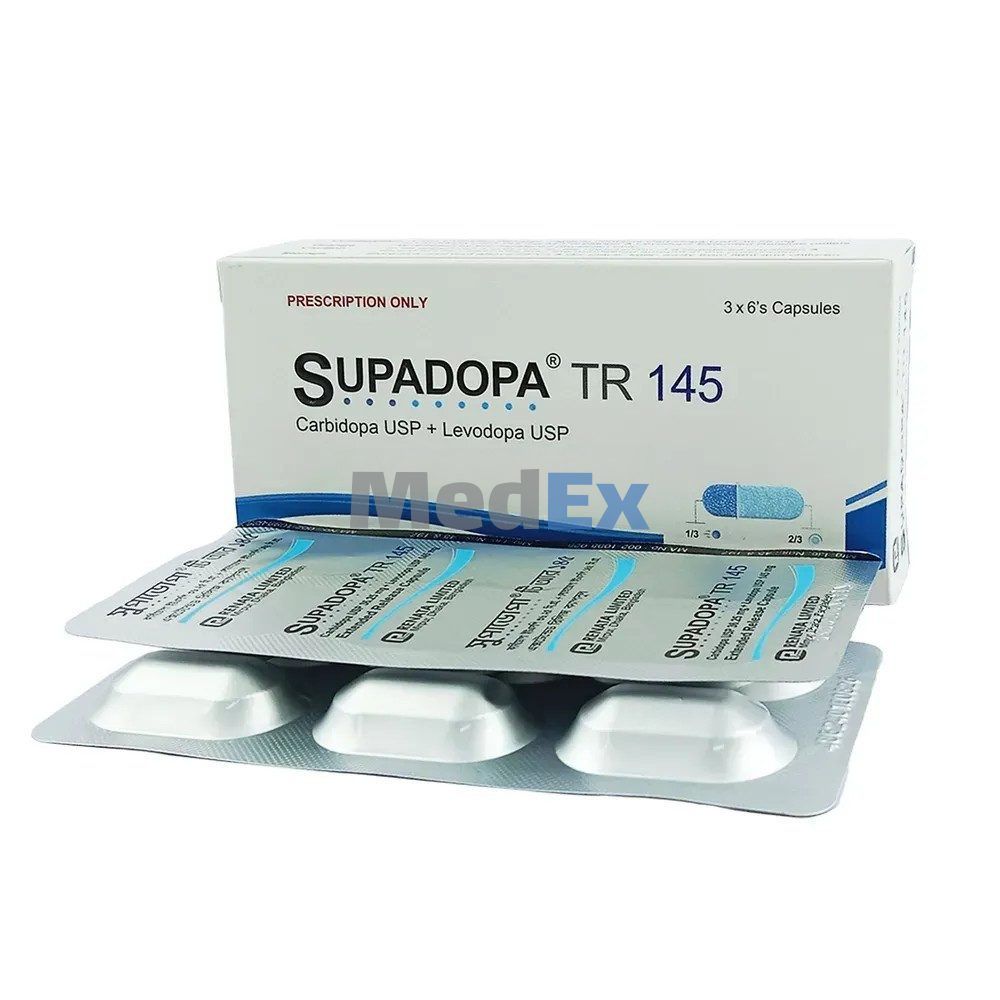
Clinical Prescribing Information
Medical monograph and safety information for healthcare professionals & patients.Indications & Clinical Uses
Idiopathic Parkinson's disease, in particular to reduce off-period in patients who previously have been treated with levodopa/decarboxylase inhibitors, or with levodopa alone and who have experienced motor fluctuations.
Contraindications
Levodopa-Carbidopa prolonged-release tablet should not be given when administration of a sympathomimetic amine is contraindicated. Non-selective monoamine oxidase (MAO) inhibitors are contraindicated for use with Levodopa-Carbidopa prolonged release tablet. These inhibitors must be discontinued at least two weeks prior to initiating therapy with Levodopa-Carbidopa prolonged release tablet. Levodopa-Carbidopa prolonged release tablet may be administered concomitantly with the manufacturer's recommended dose of an MAO inhibitor with selectivity for MAO type B (e.g. selegiline hydrochloride). Levodopa-Carbidopa prolonged release tablet is contraindicated in patients with known hypersensitivity to any component of this medication, and in patients with narrow-angle glaucoma. Because levodopa may activate a malignant melanoma, Levodopa-Carbidopa prolonged release tablet should not be used in patients with suspicious undiagnosed skin lesions or a history of melanoma.
Side Effects & Adverse Reactions
The side-effect reported most frequently was dyskinesia (a form of abnormal involuntary movements). A greater incidence of dyskinesias was seen with Levodopa-Carbidopa prolonged-release tablet than with Levodopa-Carbidopa tablet. Other side-effects: nausea, hallucinations, confusion, dizziness, chorea, dry mouth, dream abnormalities, dystonia, insomnia, depression, asthenia, vomiting, anorexia, chest pain, palpitation, constipation, diarrhoea, dyspepsia, gastro-intestinal pain, dark saliva, angioedema, urticaria, pruritus, weight loss, neuroleptic malignant syndrome, agitation, anxiety, decreased mental acuity, paraesthesia, disorientation, fatigue, headache, extrapyramidal and movement disorders, falling, gait abnormalities, muscle cramps, on-off phenomenon, increased libido, psychotic episodes, dyspnoea, flushing, alopecia, rash, dark sweat, blurred vision, dark urine, cardiac irregularities, hypertension, phlebitis, bitter taste, sialorrhoea, dysphagia, bruxism, hiccups, gastro-intestinal bleeding, flatulence, burning sensation of tongue, development of duodenal ulcer, leucopenia, haemolytic and non-haemolytic anaemia, thrombocytopenia, agranulocytosis.
Warnings & Precautions
When patients are receiving levodopa monotherapy, levodopa must be discontinued at least eight hours before therapy with Levodopa-Carbidopa prolonged-release tablet is started (at least 12 hours if slow-release levodopa has been administered). Dyskinesias may occur in patients previously treated with levodopa alone because carbidopa permits more levodopa to reach the brain and, thus, more dopamine to be formed. The occurrence of dyskinesias may require dosage reduction. Levodopa-Carbidopa prolonged-release tablet is not recommended for the treatment of drug-induced extrapyramidal reactions or for the treatment of Huntingdon’s chorea. Based on the pharmacokinetic profile of Levodopa-Carbidopa prolonged-release tablet the onset of effect in patients with early morning dyskinesias may be slower than with conventional Levodopa-Carbidopa tablet. The incidence of dyskinesias is slightly higher during treatment with Levodopa-Carbidopa prolonged-release tablet than with conventional Levodopa-Carbidopa tablet (16.5% vs 12.2%) in advanced patients with motor fluctuations. Levodopa-Carbidopa prolonged-release tablet should be administered cautiously to patients with severe cardiovascular or pulmonary disease, bronchial asthma, renal, hepatic or endocrine disease, or with a history of peptic ulcer disease or of convulsions. Care should be exercised in administering Levodopa-Carbidopa prolonged-release tablet to patients with a history of recent myocardial infarction who have residual atrial, nodal, or ventricular arrhythmia. In such patients, cardiac function should be monitored with particular care during the period of initial dosage administration and titration. Levodopa has been associated with somnolence and episodes of sudden sleep onset. Sudden onset of sleep during daily activities, in some cases without awareness or warning signs, has been reported very rarely. Patients must be informed of this and advised to exercise caution while driving or operating machines during treatment with levodopa. Patients who have experienced somnolence and/or an episode of sudden sleep onset must refrain from driving or operating machines. Furthermore a reduction of dosage or termination of therapy may be considered.
As with levodopa, Levodopa-Carbidopa prolonged-release tablet may cause involuntary movements and mental disturbances. Patients with a history of severe involuntary movements or psychotic episodes when treated with levodopa alone or levodopa/decarboxylase inhibitor combination should be observed carefully when Levodopa-Carbidopa prolonged-release tablet is substituted. These reactions are thought to be due to increased brain dopamine following administration of levodopa and use of Levodopa-Carbidopa prolonged-release tablet may cause recurrence. Dosage reduction may be required. All patients should be observed carefully for the development of depression with concomitant suicidal tendencies. Patients with past or current psychoses should be treated with caution. Impulse control disorders: Patients should be regularly monitored for the development of impulse control disorders. Patients and carers should be made aware that behavioural symptoms of impulse control disorders including pathological gambling, increased libido, hypersexuality, compulsive spending or buying, binge eating and compulsive eating can occur in patients treated with dopamine agonists and/or other dopaminergic treatments containing levodopa including Levodopa-Carbidopa tablet. Review of treatment is recommended if such symptoms develop.