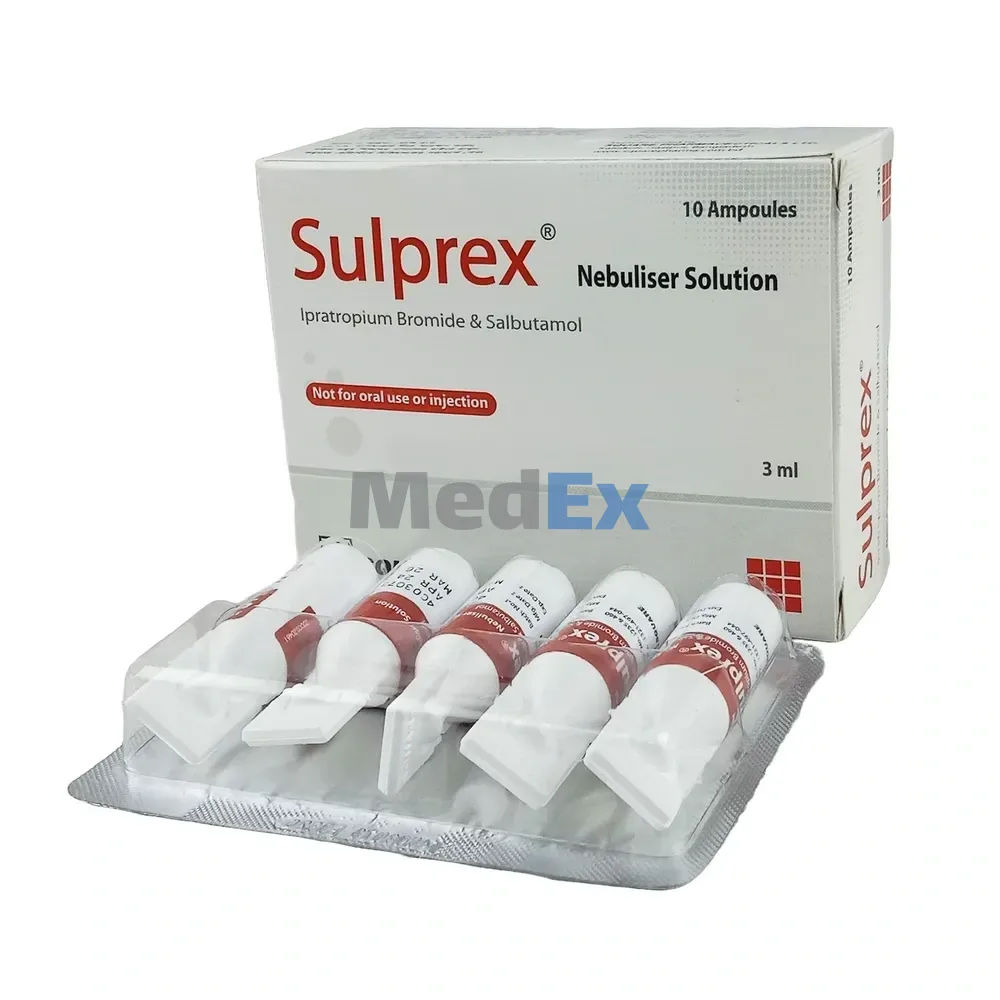
Sulprex
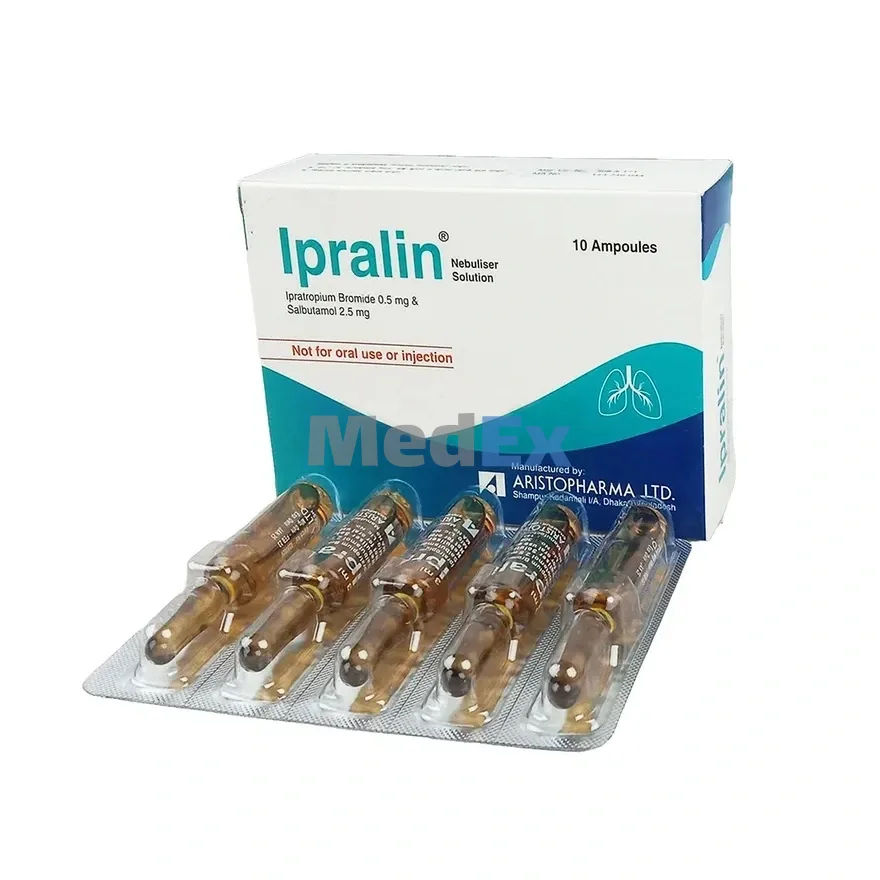
Cheaper & Alternative Brands
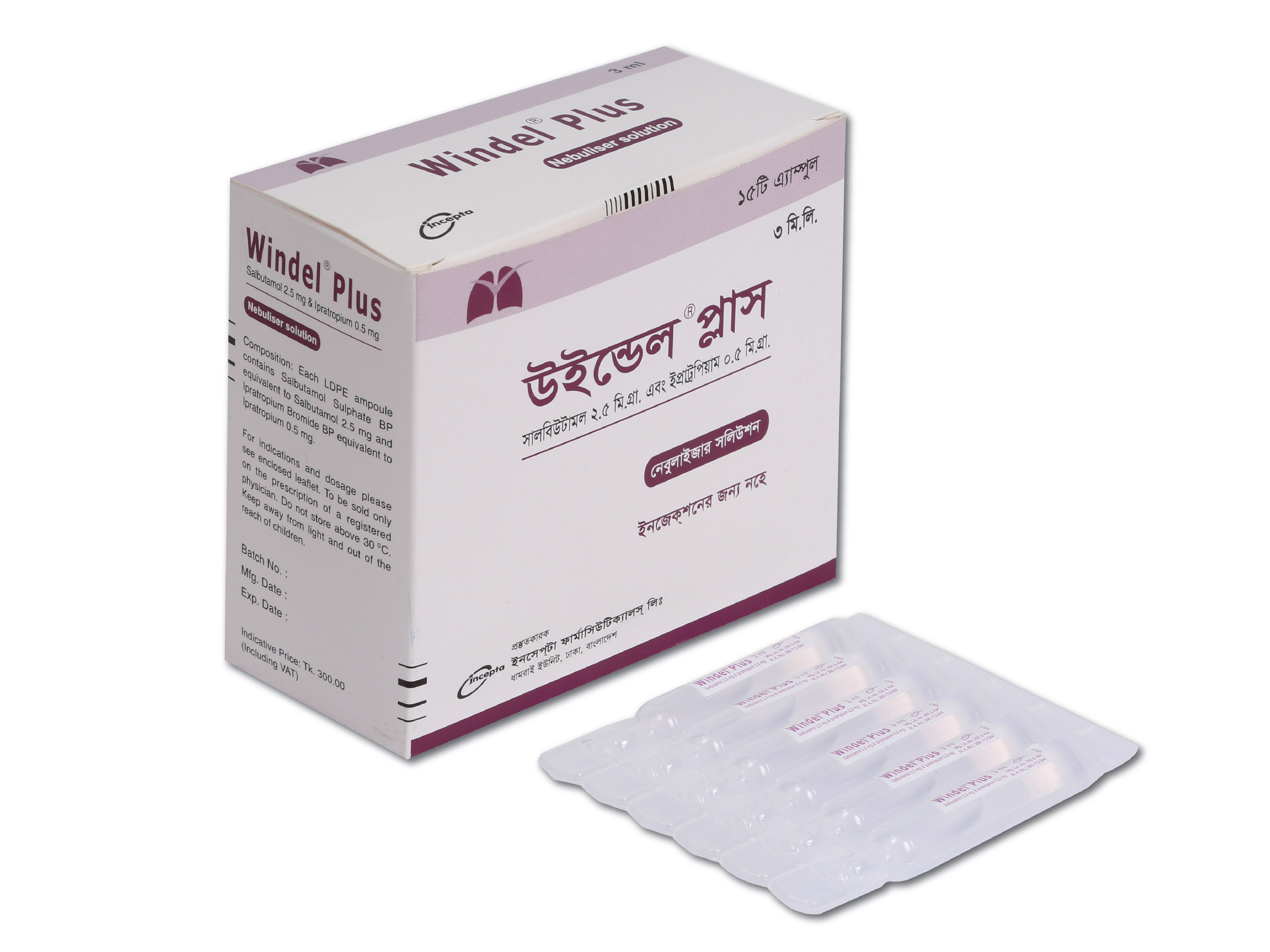
Same generic (Salbutamol + Ipratropium), same form (Nebuliser Solution)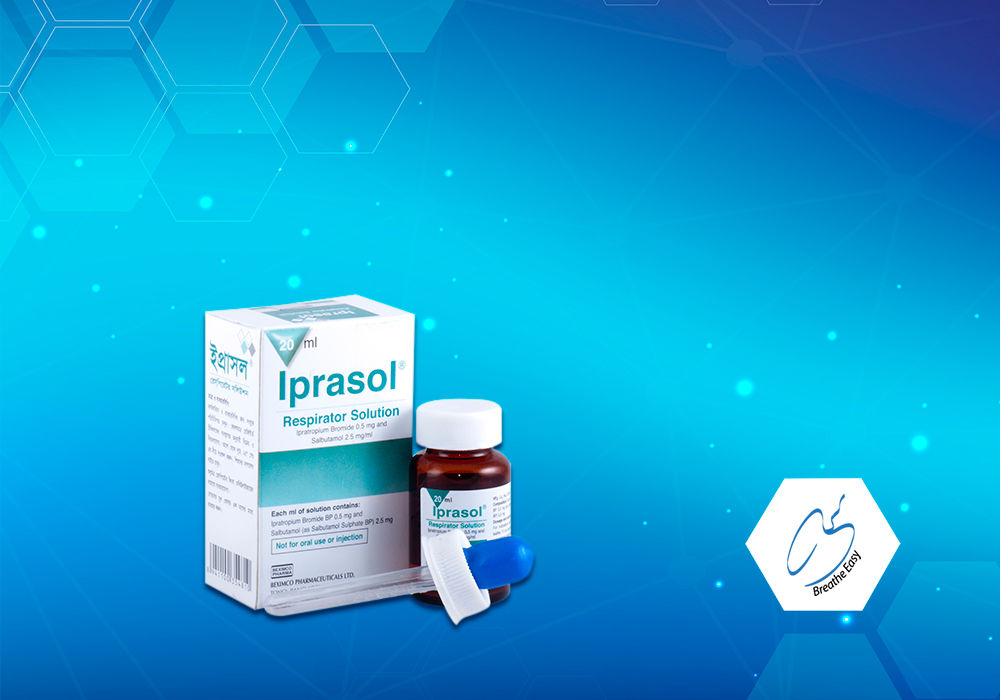


Clinical Prescribing Information
Medical monograph and safety information for healthcare professionals & patients.Indications & Clinical Uses
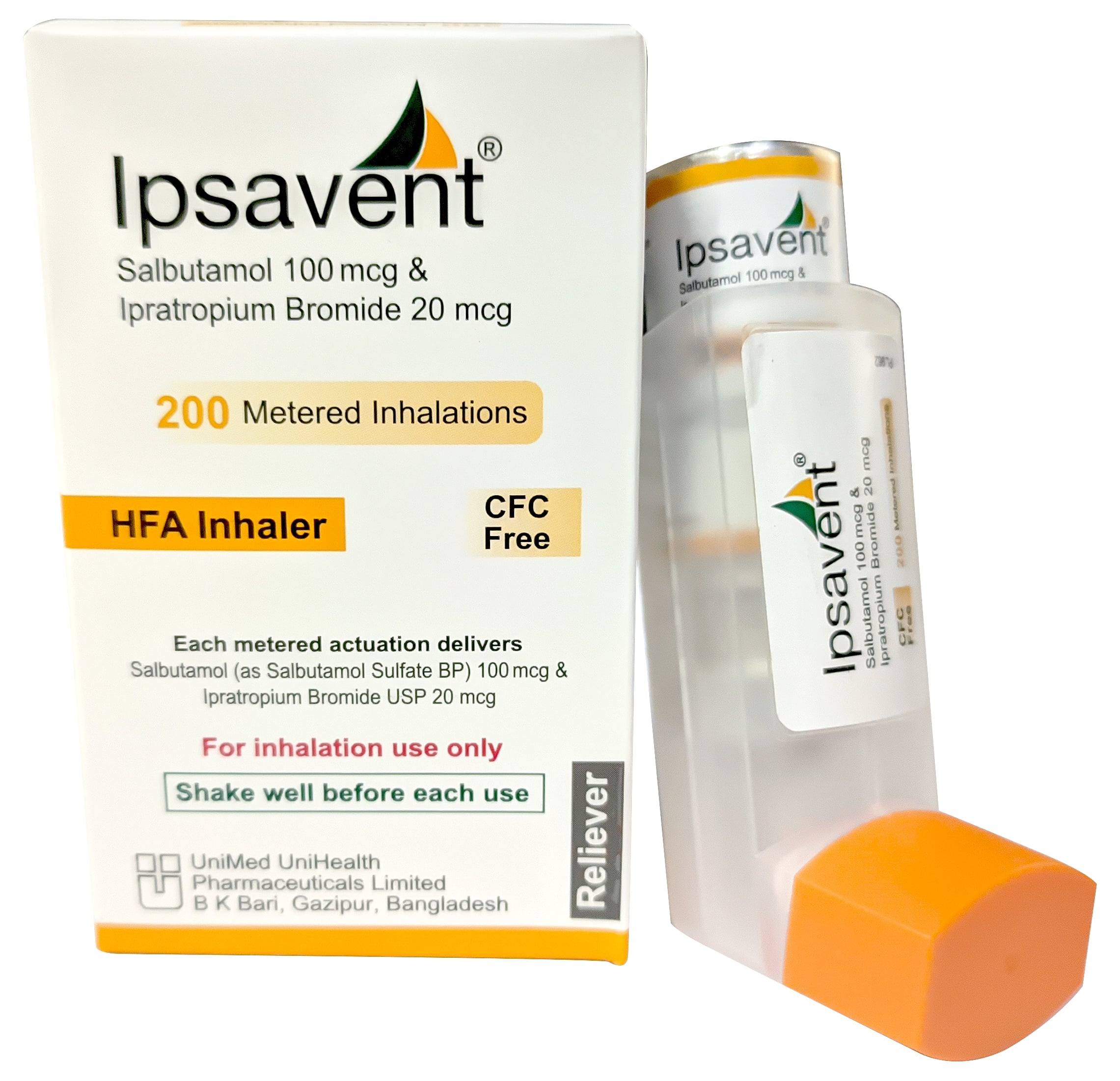
Combiver inhalation aerosol is indicated for use in patients with chronic obstructive pulmonary disease (COPD) on a regular aerosol bronchodilator who continues to have evidence of bronchospasm and who requires a second bronchodilator.
Contraindications
This inhalation aerosol is contraindicated in patients with a history of hypersensitivity to Soya-Lecithin or related food products such as soybean and peanut. This inhalation aerosol is also contraindicated in patients hypersensitive to any other components of the drug product or to atropine or its derivatives.
Side Effects & Adverse Reactions
Due to presence of Salbutamol, mild tremor and headache have been reported. These usually disappear with continuous treatment. There have been very rare reports of treatments muscle cramp, hypersensitivity reactions including angioedema, urticaria, bronchospasm and hypotension.
For the presence of Ipratropium Bromide headache, influenza, chest pain, nausea, dyspnea, coughing, pharyngitis, sinusitis are rarely reported.
Pharmacology & Mechanism of Action
This inhalation aerosol is a combination of Salbutamol (as Sulphate) and Ipratropium Bromide. It is a hydrofluoroalkane (HFA) based environment friendly inhaler. Because it does not contain chlorofluorocarbon (CFC) as propellant which is one of the main reasons of ozone layer depletion.
Salbutamol is a short acting beta2-adrenergic bronchodilator and Ipratropium Bromide is an anticholinergic bronchodilator. When used in combination, Ipratropium Bromide prevents the increase in intracellular concentration of cyclic guanosine monophosphate, which are caused by interaction of acetylcholine with the muscarinic receptor on bronchial smooth muscle. This inhalation aerosol is expected to maximize the response of the treatment in patients with chronic obstructive pulmonary disease (COPD) by reducing bronchospasm through two distinctly different mechanisms, anticholinergic (parasympatholytic) and sympathomimetic. Simultaneous administration of an anticholinergic (Ipratropium Bromide) and a beta 2-sympathomimetic (Salbutamol) is designed to benefit the patient by producing a greater bronchodilatory effect than when either drug is utilized alone at its recommended dosage.