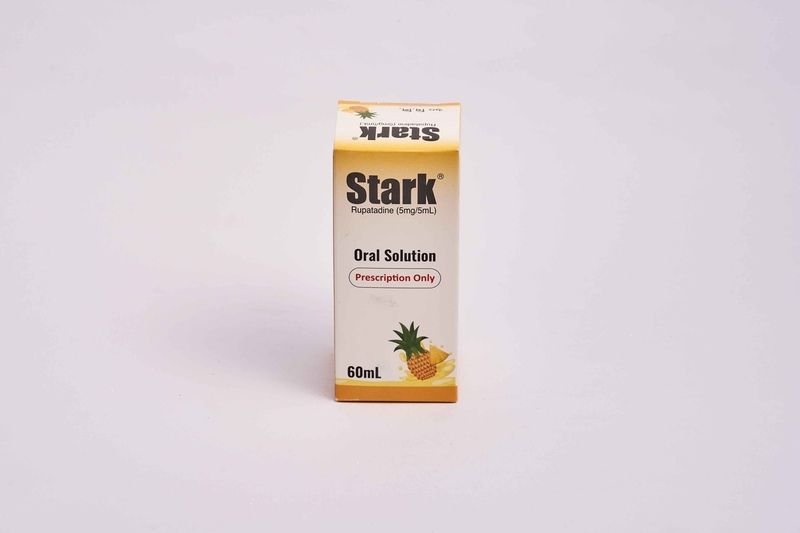
Stark
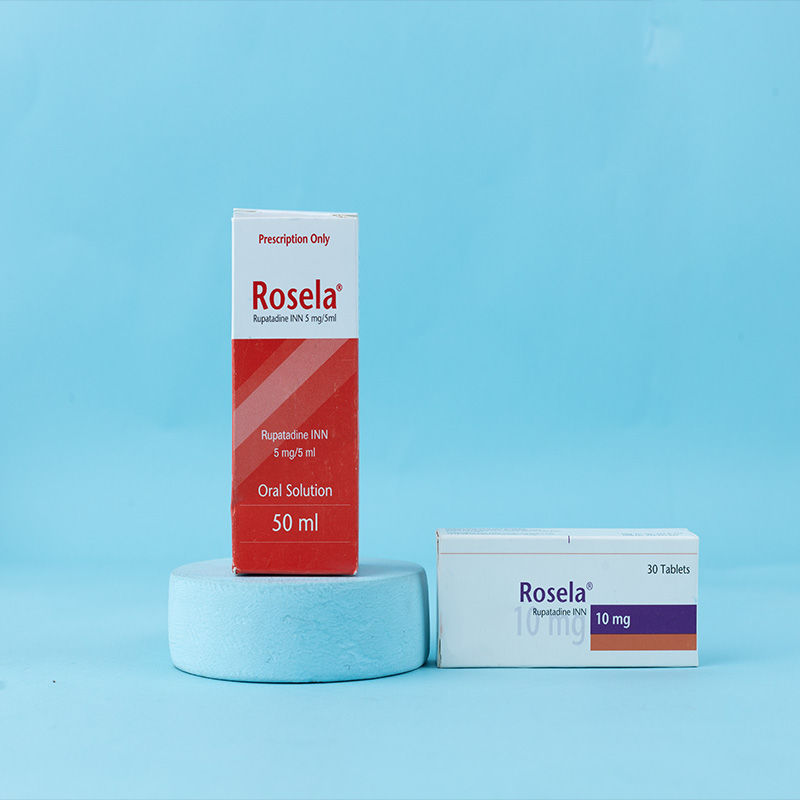
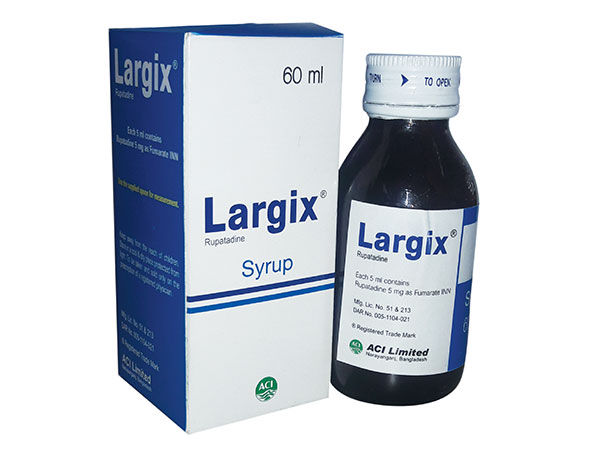
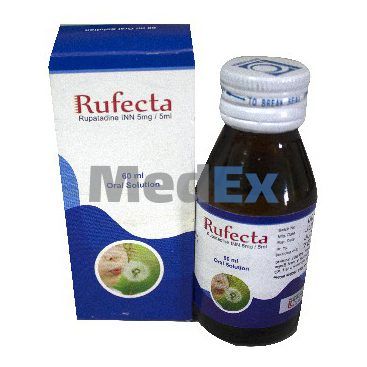
Cheaper & Alternative Brands
Same generic (Rupatadine Fumarate), same form (Oral Solution)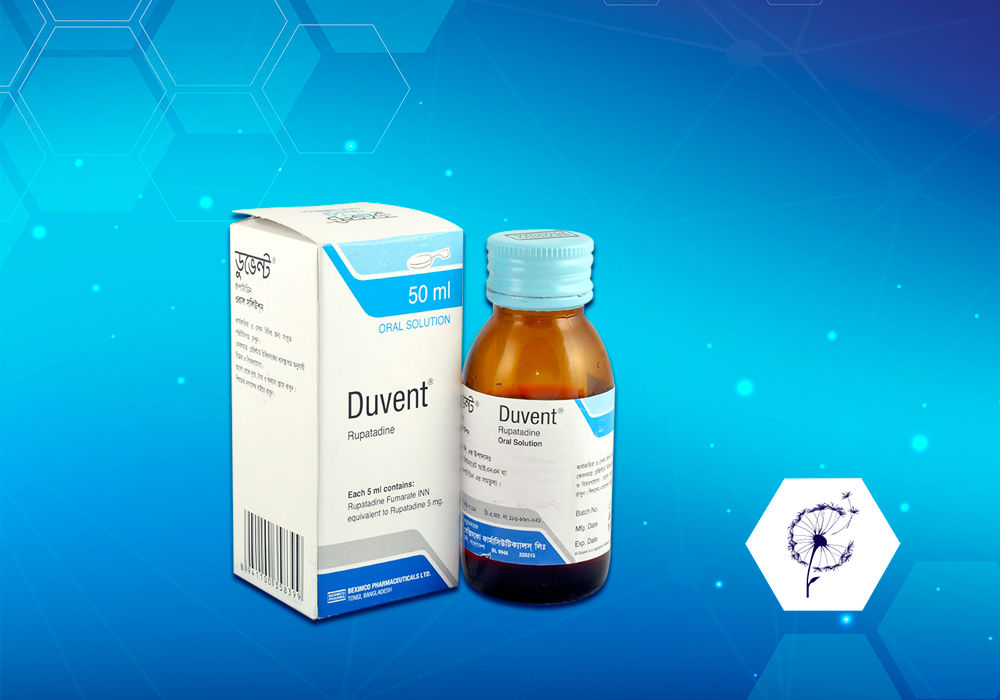
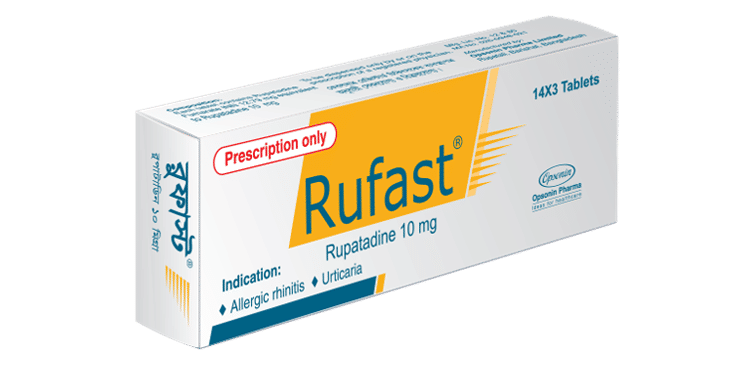
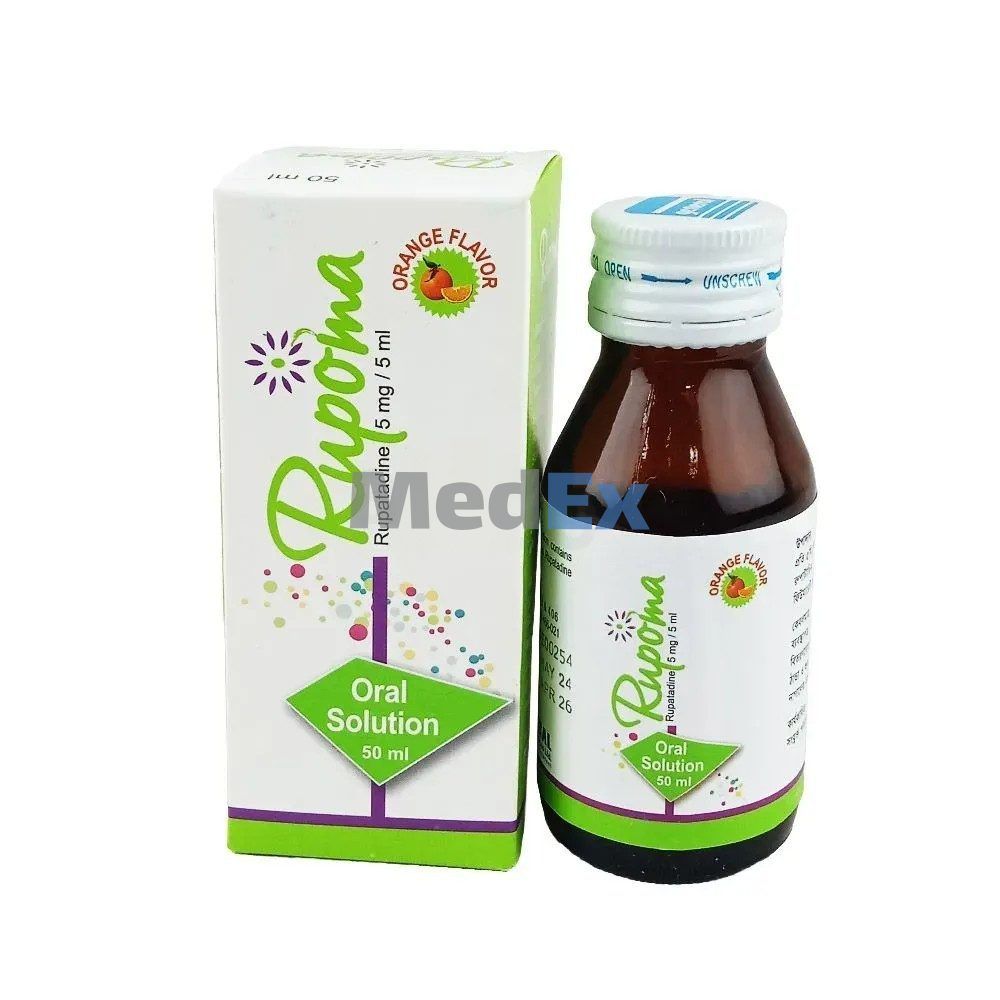
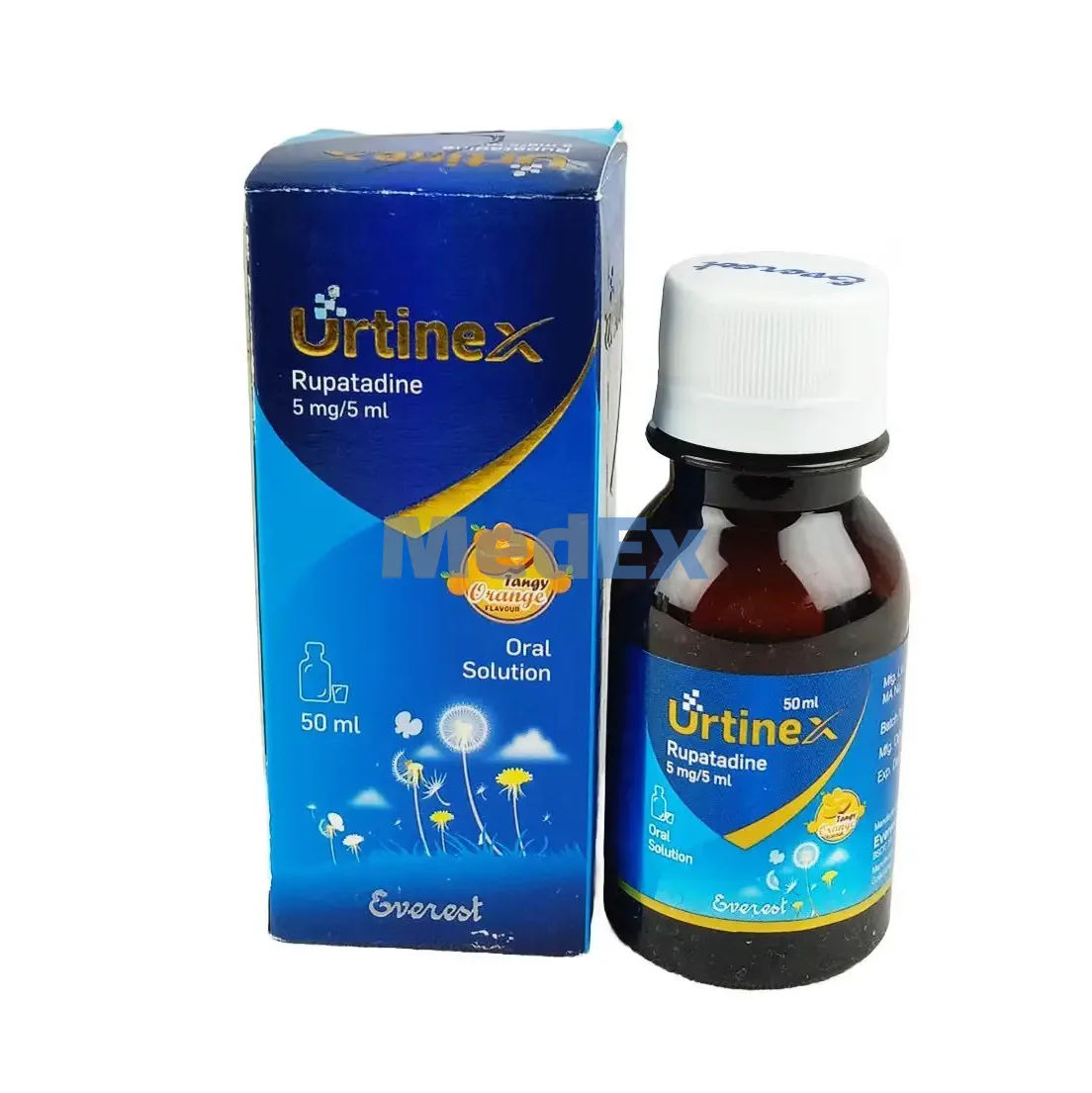
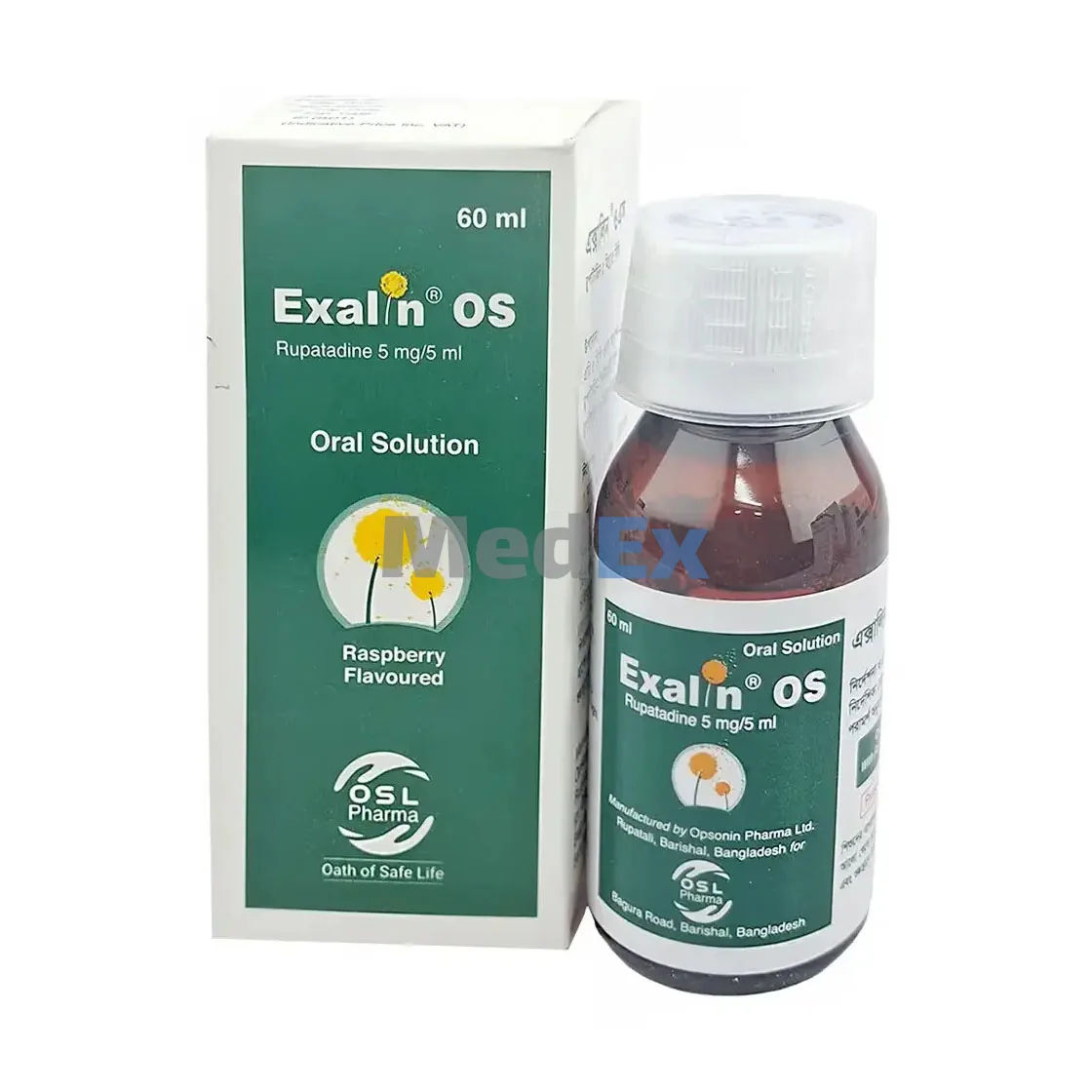
Clinical Prescribing Information
Medical monograph and safety information for healthcare professionals & patients.Indications & Clinical Uses
Aladin is indicated for the symptomatic treatment of Seasonal & Perennial Allergic Rhinitis and Urticaria.
Dosage & Administration
Adults and adolescents (over 12 years)
: The recommended dose is 10 mg once a day. Rupatadine may be taken with or without food.
Children aged 2 to 11 years:
Children weighing 25 kg or more
: 1 teaspoonful (5 ml) of the oral solution once daily with or without food.
Children weighing equal or more than 10 kg to less than 25 kg
: 1/2 teaspoonful (2.5 ml) oral solution once daily with or without food.
Contraindications
Hypersensitivity to Rupatadine or to any of the excipients.
Side Effects & Adverse Reactions
Common: Asthenia, dizziness, drowsiness. Uncommon: Appetite increased, arthralgia, back pain, concentration impaired, constipation, cough, diarrhea, dry throat, epistaxis, fever, gastrointestinal discomfort, increased risk of infection, irritability, malaise, myalgia, nasal dryness, nausea, oropharyngeal pain, rash, thirst, vomiting, weight increased. Rare: Palpitations, tachycardia.
Warnings & Precautions
Aladin should be used with caution in patients with known prolongation of the QT interval, patients with uncorrected hypokalemia, and patients with ongoing proarrhythmic conditions, such as clinically significant bradycardia or acute myocardial ischemia. Aladin should be used with caution in elderly patients (65 years and older). As there is no clinical experience in patients with impaired kidney or liver function, the use of Aladin 10 mg tablets is at present not recommended in these patients.
Pharmacology & Mechanism of Action
Rupatadine is a long-acting, non-sedative antagonist of histamine H1-receptors. It also antagonizes the platelet activating factor (PAF). Both histamine and PAF cause broncho constriction which leads to an increase in the vascular permeability and act as a mediator in the inflammatory process. With the dual mode of action, Rupatadine shows better therapeutic effect than an isolated antihistamine. Rupatadine possesses other anti allergic properties such as the inhibition of the degranulation of mast cells induced by immunological and non immunological stimuli and inhibition of the release of cytokines, particularly of the tumor necrosis factor alpha (TNF α) in human mastocytes and monocytes.