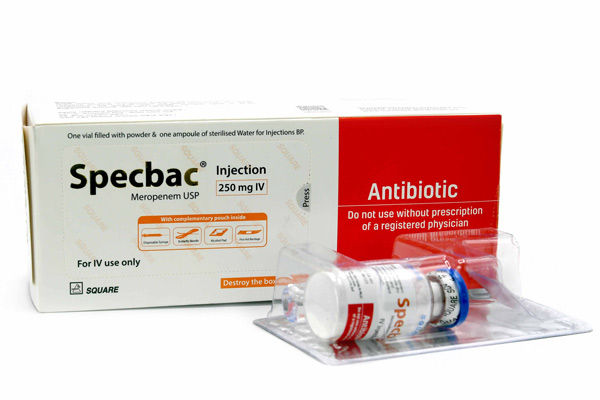
Specbac
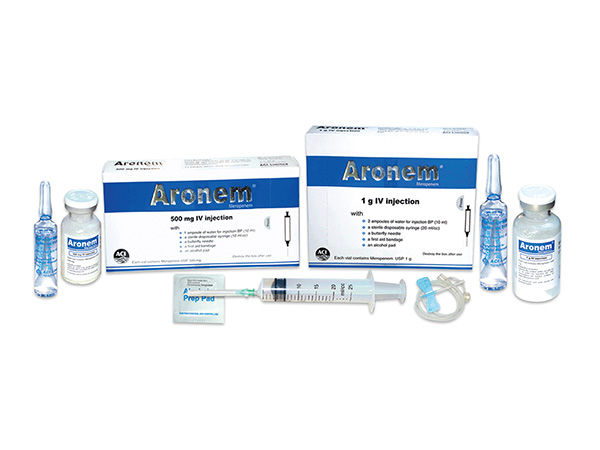
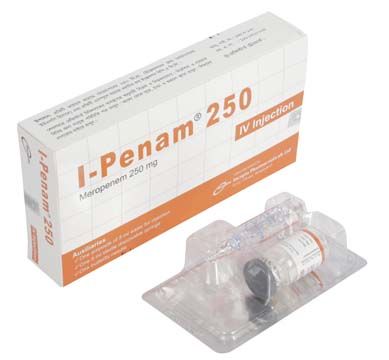
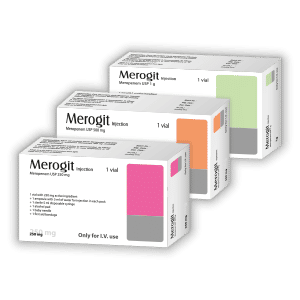
Cheaper & Alternative Brands
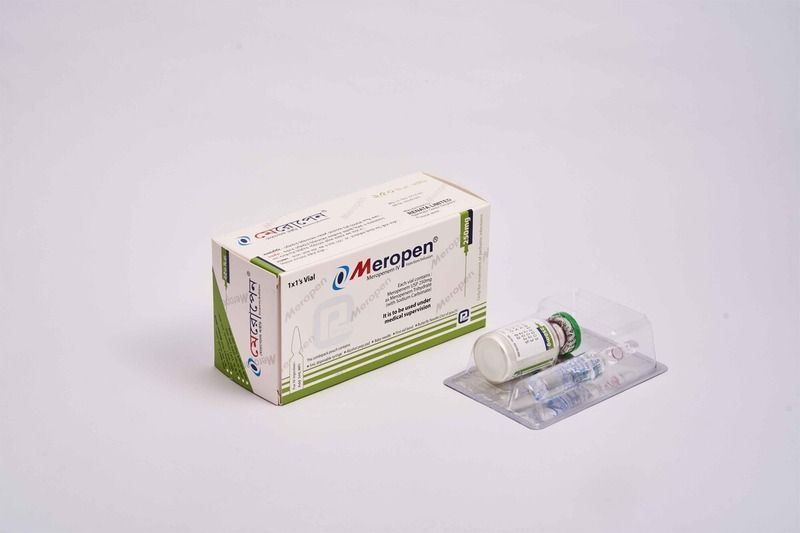
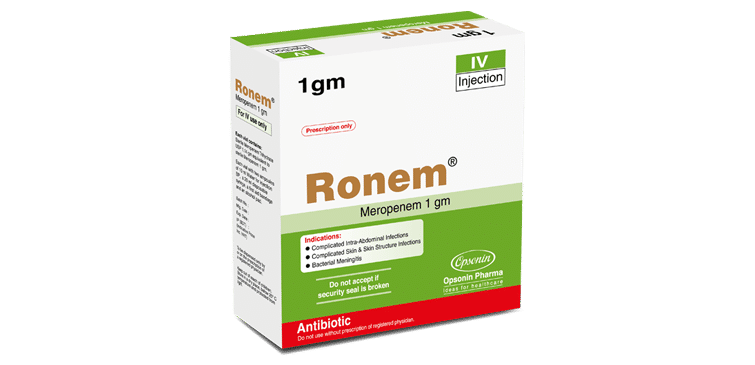
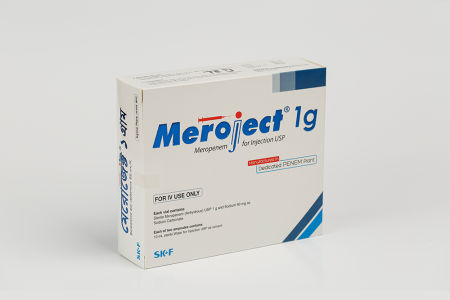
Same generic (Meropenem Trihydrate), same form (IV Injection or Infusion)


Clinical Prescribing Information
Medical monograph and safety information for healthcare professionals & patients.Indications & Clinical Uses
Admero injection is indicated for treatment in adults and children for the following infections caused by single or multiple bacteria sensitive to Admero.
Pneumonia and Nosocomial Pneumonia
Urinary Tract Infections
Intra-abdominal Infections
Gynaecological Infections, such as endometritis and pelvic inflammatory disease
... Read more
Admero injection is indicated for treatment in adults and children for the following infections caused by single or multiple bacteria sensitive to Admero.
Pneumonia and Nosocomial Pneumonia
Urinary Tract Infections
Intra-abdominal Infections
Gynaecological Infections, such as endometritis and pelvic inflammatory disease
Skin and Skin Structure Infections
Meningitis
Septicaemia
Pulmonary infections in cystic fibrosis
Empiric treatment for presumed infections in patients with febrile neutropenia.
Contraindications
Meropenem is contraindicated in patients who have demonstrated hypersensitivity to this product.
Side Effects & Adverse Reactions
Admero is generally well tolerated. Side effects like inflammation, thrombophlebitis, pain at the site of injection, skin reactions like rash, pruritus, urticaria, abdominal pain, nausea, vomiting, diarrhea, headache may occur.
Warnings & Precautions
If an allergic reaction to Admero occurs, the drug should be discontinued and appropriate measures taken. Use of Admero in patients with hepatic disease should be made with careful monitoring of transaminase and bilirubin levels.
Pharmacology & Mechanism of Action
Meropenem is a carbapenem antibiotic for parenteral use . It exerts its bactericidal action by interfering with bacterial cell wall synthesis. It penetrates bacterial cell walls, its high level of stability to all serine beta-lactamases and its marked affinity for the Penicillin Binding Proteins (PBPs.). It shows potent bactericidal activity against a broad spectrum of Gram-positive and Gram-negative, aerobic and anaerobic bacteria.