
Sensipin
Cheaper & Alternative Brands
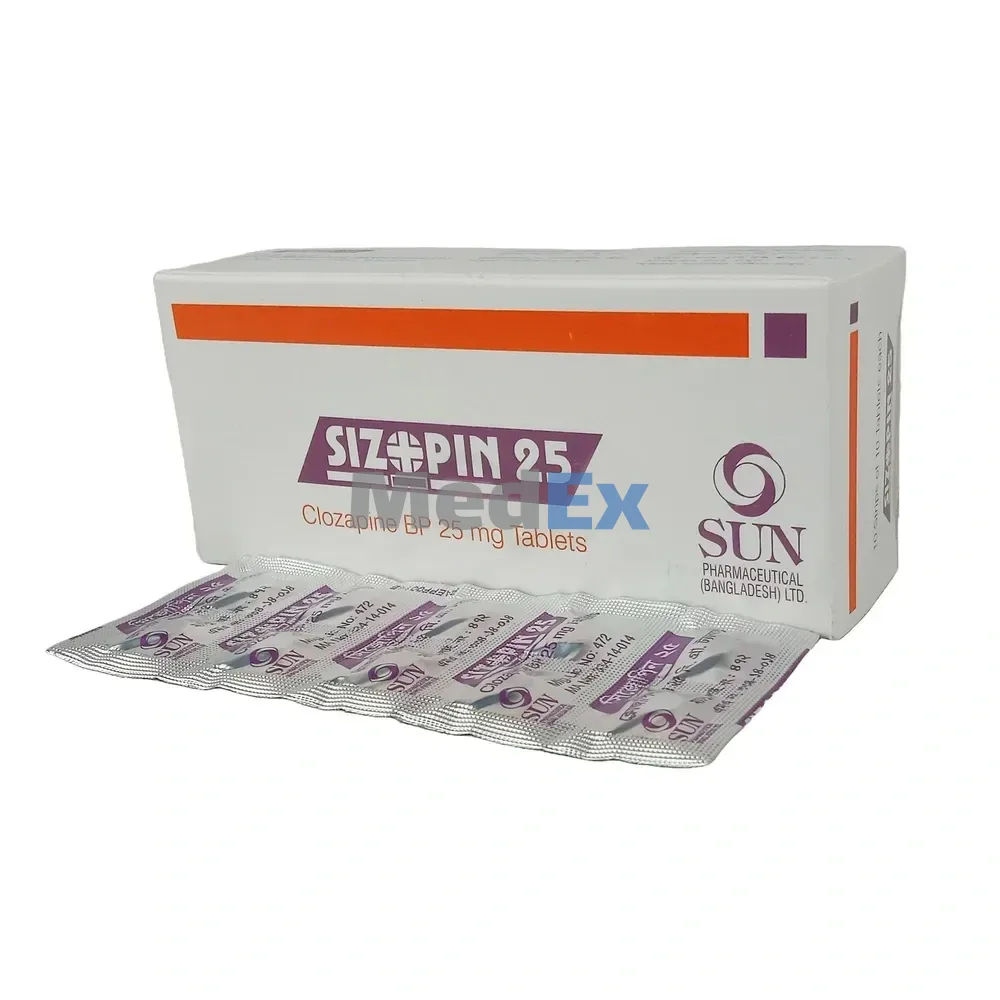
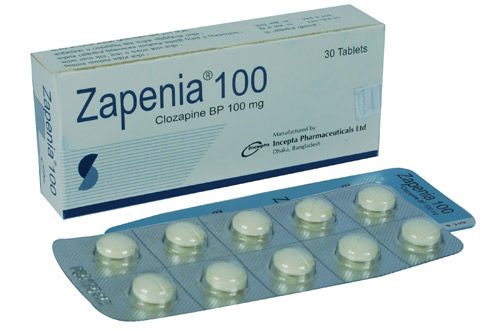
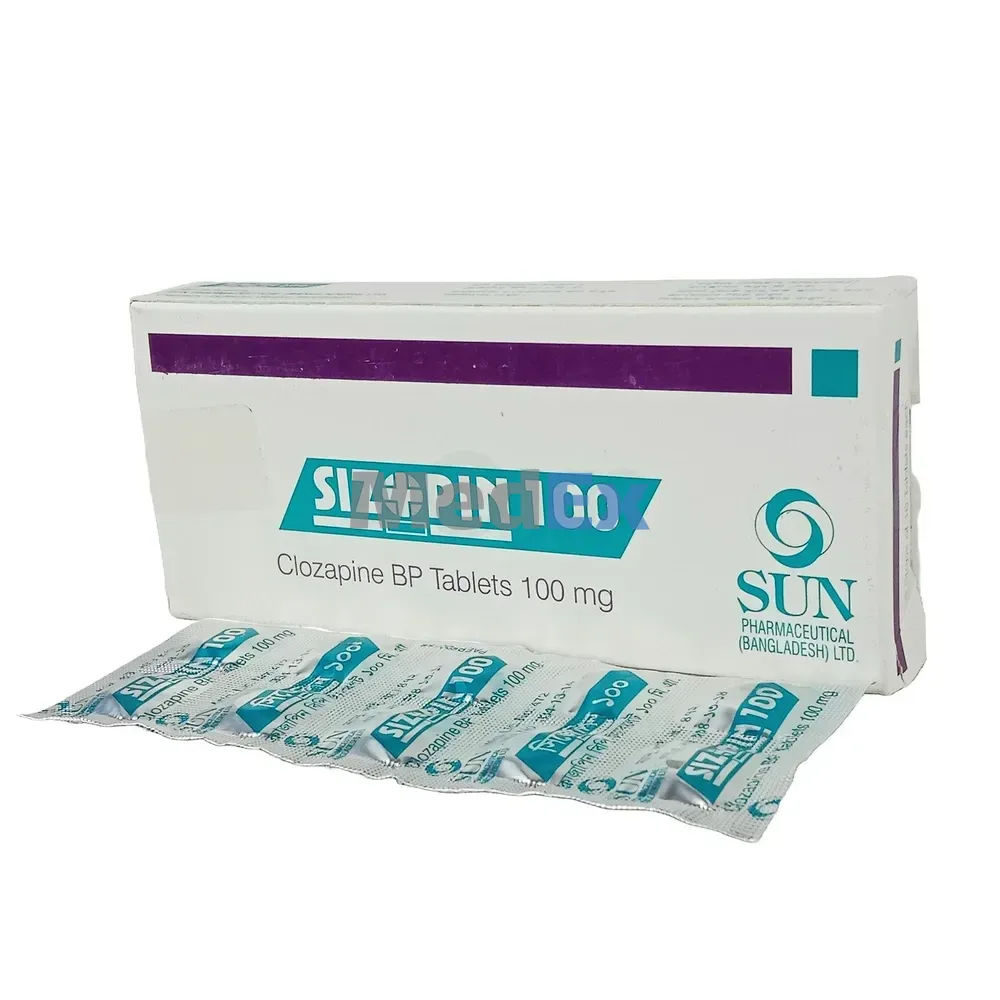
Same generic (Clozapine), same form (Tablet)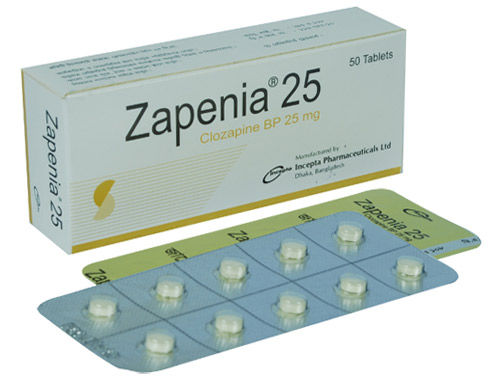
Clinical Prescribing Information
Medical monograph and safety information for healthcare professionals & patients.Indications & Clinical Uses
Cope is indicated in-
Schizophrenia in patients unresponsive to, or intolerant of, conventional antipsychotic drugs.
Psychosis in Parkinson's disease.
Dosage & Administration
Schizophrenia
: Adult over 16 years, 12.5 mg once or twice (elderly 12.5 mg once) on first day then 25-50 mg (elderly 25-37.5 mg) on second day then increased gradually (if well tolerated) in steps of 25-50 mg daily (elderly max. increment 25 mg daily) over 14-21 days up to 300 mg daily in divided doses (larger dose at night, up to 200 mg daily may be taken as a single dose at bedtime); if necessary may be further increased in steps of 50-100 mg once (preferably) or twice weekly; usual dose 200-450 mg daily (max. 900 mg daily)
Psychosis in Parkinson's disease
: Adult over 16 years, 12.5 mg at bedtime then increased according to response in steps of 12.5 mg up to twice weekly; usual dose range 25-37.5 mg at bedtime, usual maximum 50 mg daily; exceptionally, dose may be increased further in steps of 12.5 mg weekly to maximum 100 mg daily in 1-2 divided doses.
Contraindications
Severe cardiac disorders (e.g. myocarditis); renal impairment (avoid if creatinine clearance less than 10 ml/minute); history of neutropenia or agranulocytosis; bone-marrow disorders; paralytic ileus; alcoholic and toxic psychoses; history of circulatory collapse; drug intoxication; coma or severe CNS depression; uncontrolled epilepsy; breast-feeding.
Side Effects & Adverse Reactions
Common side effects are constipation, dizziness or lightheadedness (mild), drowsiness, headache (mild), increased watering of mouth, nausea or vomiting, unusual weight gain. Less common side effects include abdominal discomfort or heartburn, dryness of mouth.
Warnings & Precautions
Medication should not be stopped abruptly; should be tapered off over 1-2 weeks. If conditions warrant abrupt discontinuation (leukopenia, myocarditis, cardiomyopathy), monitor patient for psychosis and cholinergic rebound (headache, nausea, vomiting, diarrhea). Elderly patients are more susceptible to adverse effects (including agranulocytosis, cardiovascular, anticholinergic, and tardive dyskinesia). Significant risk of agranulocytosis, potentially life-threatening. WBC testing should occur weekly for the first 6 months of therapy; thereafter, if acceptable WBC counts are maintained (WBC 3000/mm3, ANC 1500/mm3) then WBC counts can be monitored every other week. WBCs must be monitored weekly for the first 4 weeks after therapy discontinuation. Use with caution in patients receiving other marrow suppressive agents. Eosinophilia has been reported to occur with Cope and may require temporary or permanent interruption of therapy.
Cognitive and/or motor impairment (sedation) is common with Cope, resulting in impaired performance of tasks requiring alertness (eg, operating machinery or driving). Use with caution in patients at risk of seizures, including those with a history of seizures, head trauma, brain damage, alcoholism, or concurrent therapy with medications which may lower seizure threshold. Has been associated with benign, self-limiting fever (<100.4°F, usually within first 3 weeks). However, dozapine may also be associated with severe febrile reactions, including neuroleptic malignant syndrome (NMS). Cope's potential for extrapyramidal symptoms appear to be extremely low.
May cause anticholinergic effects; should be used with caution in patients with urinary retention, benign prostatic hyperplasia, narrow-angle glaucoma, xerostomia, visual problems, constipation, or history of bowel obstruction. May cause hyperglycemia; in some cases may be extreme and associated with ketoacidosis, hyperosmolar coma, or death. Use with caution in patients with diabetes or other disorders of glucose regulation; monitor for worsening of glucose control. Use with caution in patients with hepatic disease or impairment; hepatitis has been reported as a consequence of therapy.
May cause orthostatic hypotension and tachycardia; should be used with caution in patients at risk of hypotension or in patients where transient hypotensive episodes would be poorly tolerated (cardiovascular disease or cerebrovascular disease). Concurrent use of psychotropics and benzodiazepines may increase the risk of severe cardiopulmonary reactions.
Myocarditis, pericarditis, pericardial effusion, cardiomyopathy, and CHF have also been associated with Cope. Fatalities due to myocarditis have been reported; highest risk in the first month of therapy, however, later cases also reported. Myocarditis or cardiomyopathy should be considered in patients who present with signs/symptoms of heart failure (dyspnea, fatigue, orthopnea, paroxysmal nocturnal dyspnea, peripheral edema), chest pain, palpitations, new electrocardiographic abnormalities (arrhythmias, ST-T wave abnormalities), or unexplained fever. Patients with tachycardia during the first month of therapy should be closely monitored for other signs of myocarditis. Discontinue Cope if myocarditis is suspected; do not rechallenge in patients with Cope-related myocarditis. The reported rate of cardiomyopathy in Cope treated patients is similar to that in the general population. The majority of patients were over 50 years of age and were taking Cope for >6 months. Cope should be discontinued in patients with confirmed cardiomyopathy unless benefit clearly outweighs risk. Rare cases of thromboembolism, including pulmonary embolism and stroke resulting in fatalities, have been associated with Cope.
Pharmacology & Mechanism of Action
Clozapine is classified as an 'atypical' antipsychotic drug because of its profile of binding to dopamine receptors and its effects on various dopamine-mediated behaviors differ from those exhibited by other typical antipsychotic drug products. In particular, although Clozapine does interfere with the binding of dopamine at D1, D2, D3 and D5 receptors, and has a high affinity for the D4 receptor. This evidence, consistent with the view that Clozapine is preferentially more active at limbic than at striatal dopamine receptors. This may explain the relative freedom of Clozapine from extrapyramidal side effects. Clozapine also acts as an antagonist at adrenergic, cholinergic, histaminergic and serotonergic receptors.