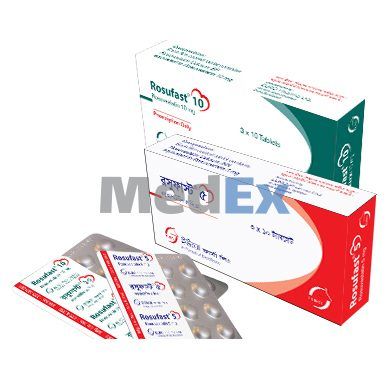
Rosufast
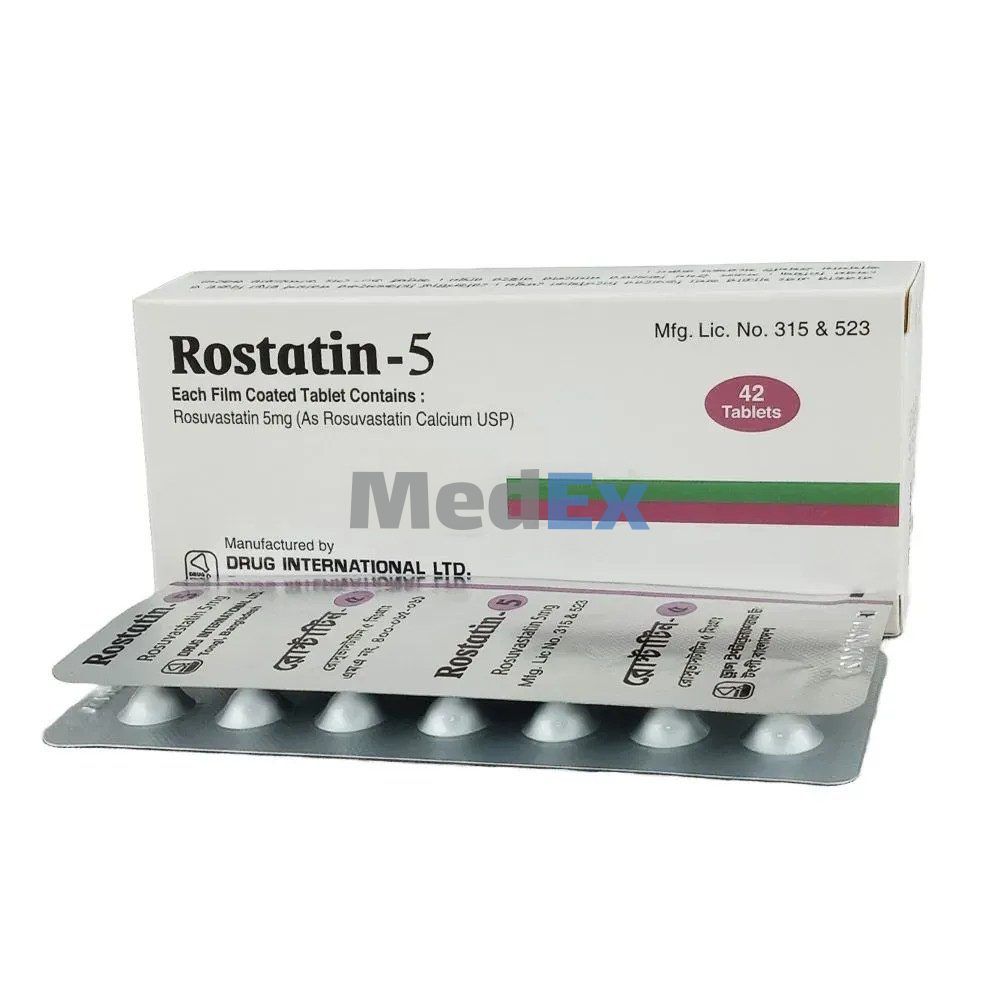
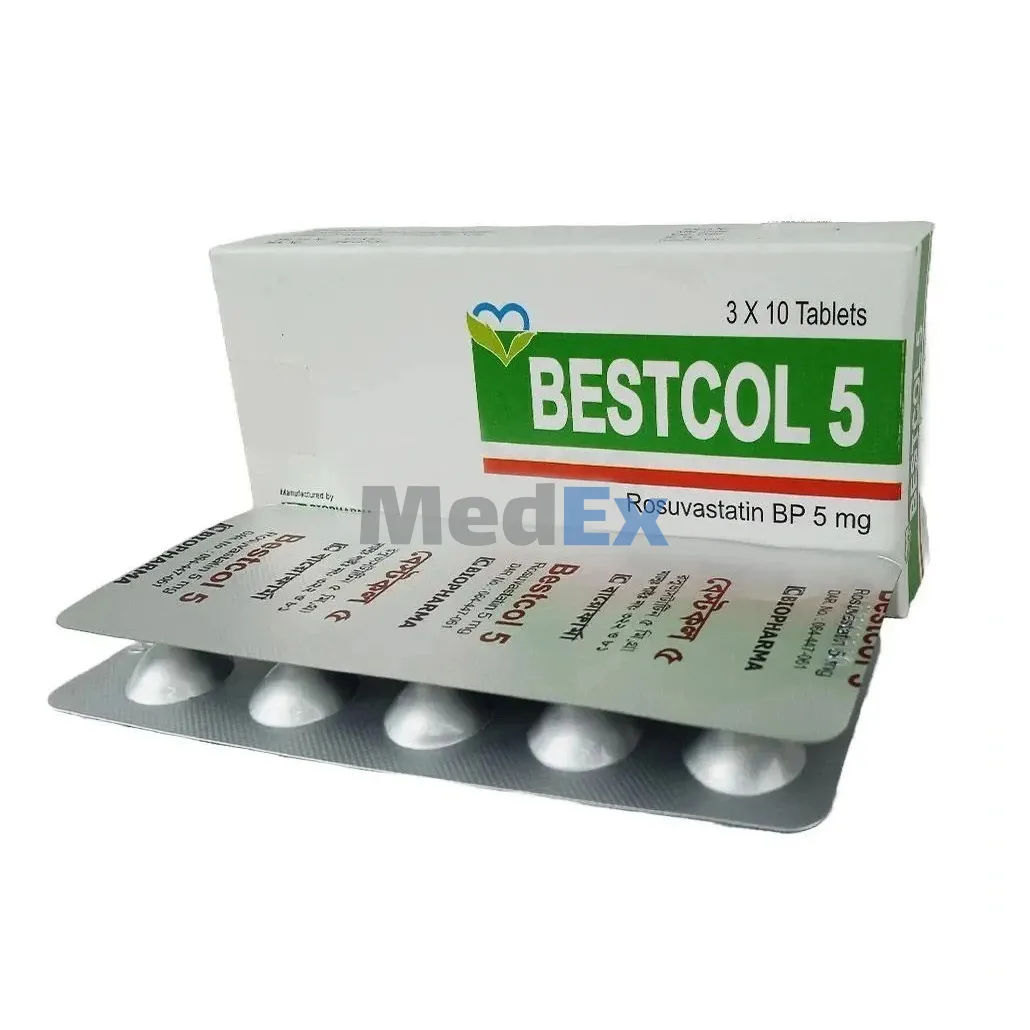
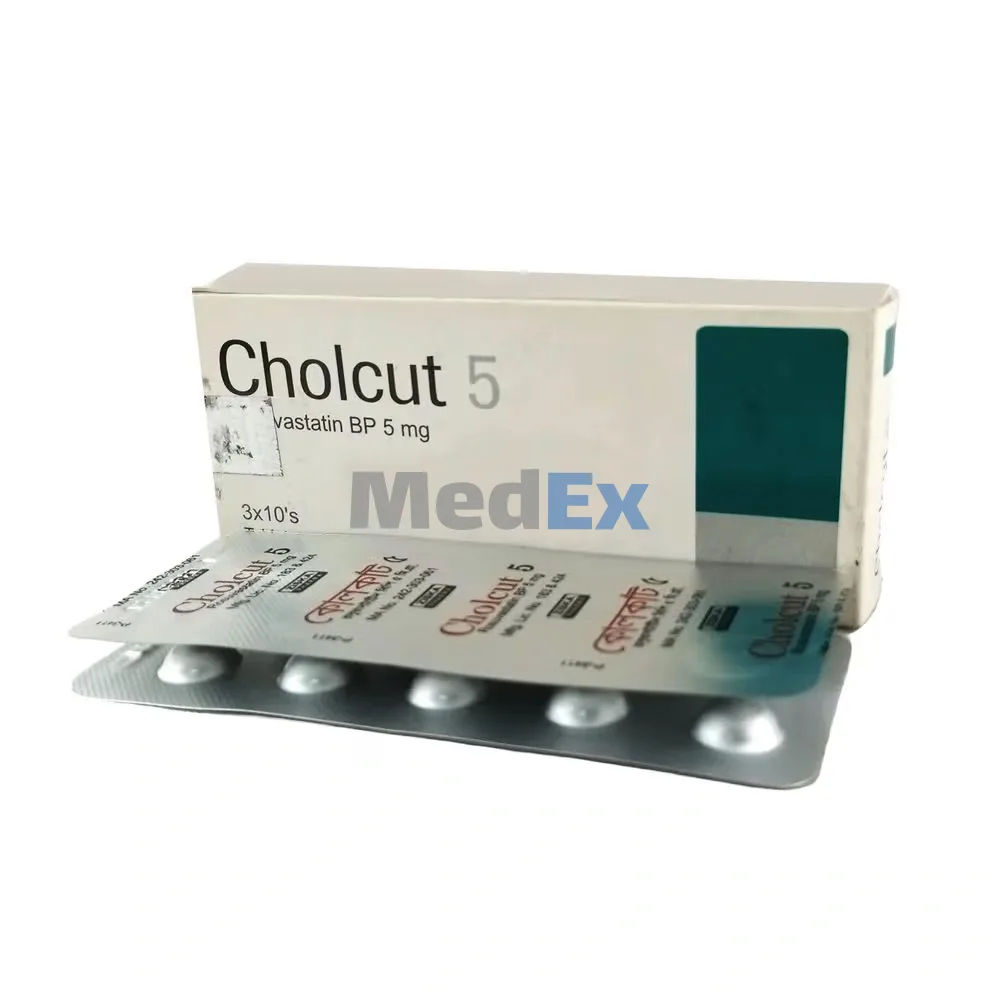
Cheaper & Alternative Brands
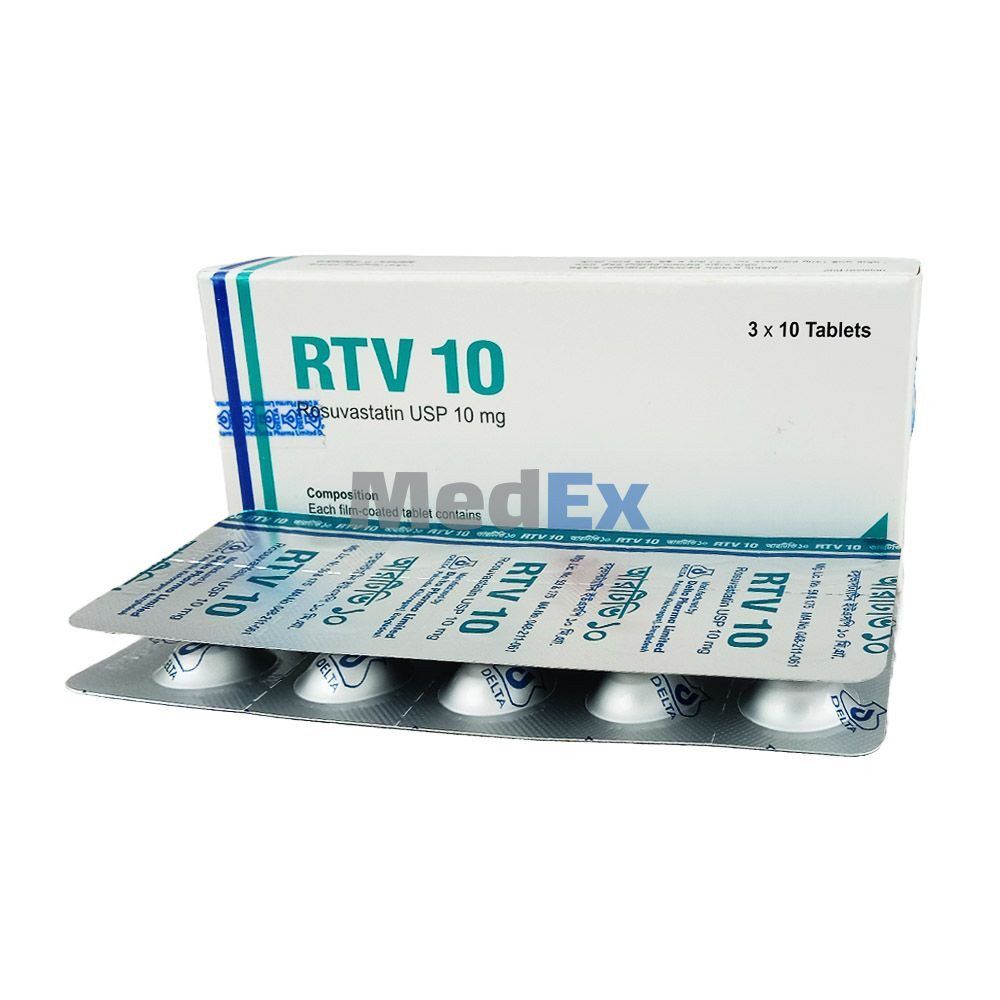
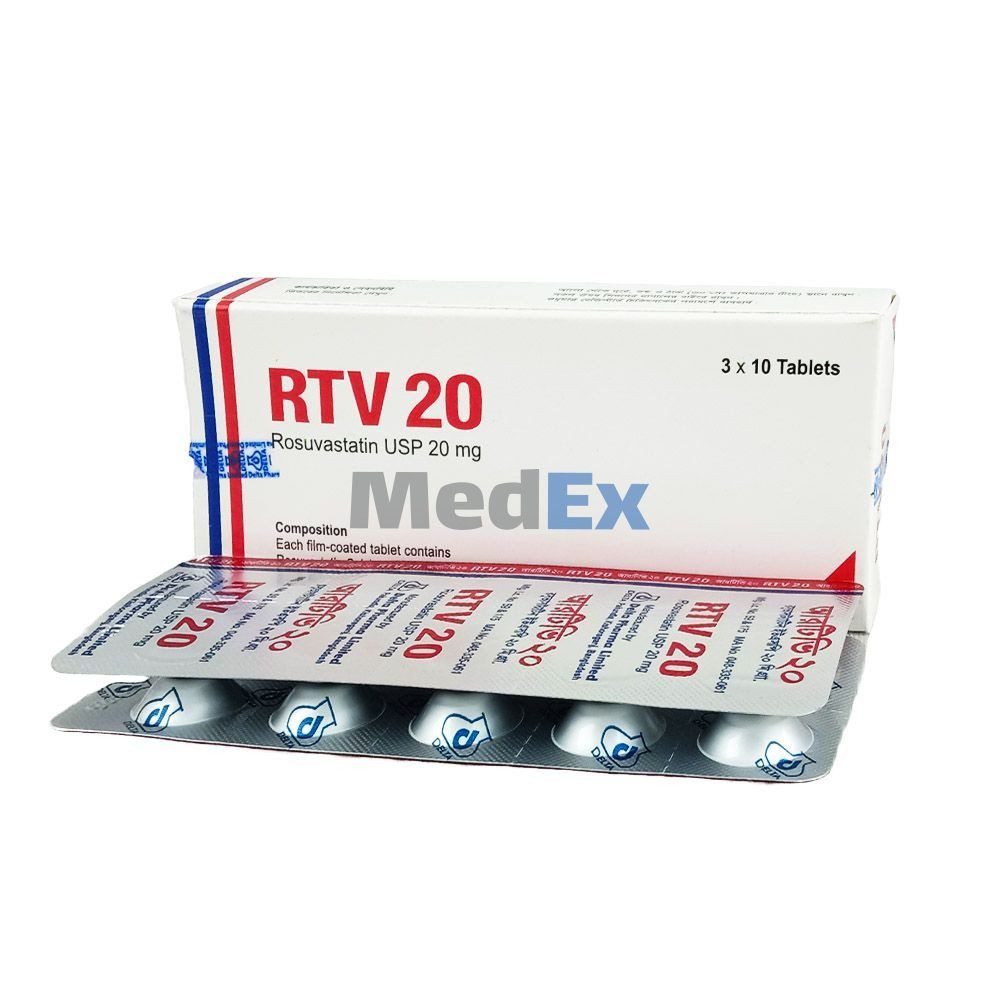
Same generic (Rosuvastatin Calcium), same form (Tablet)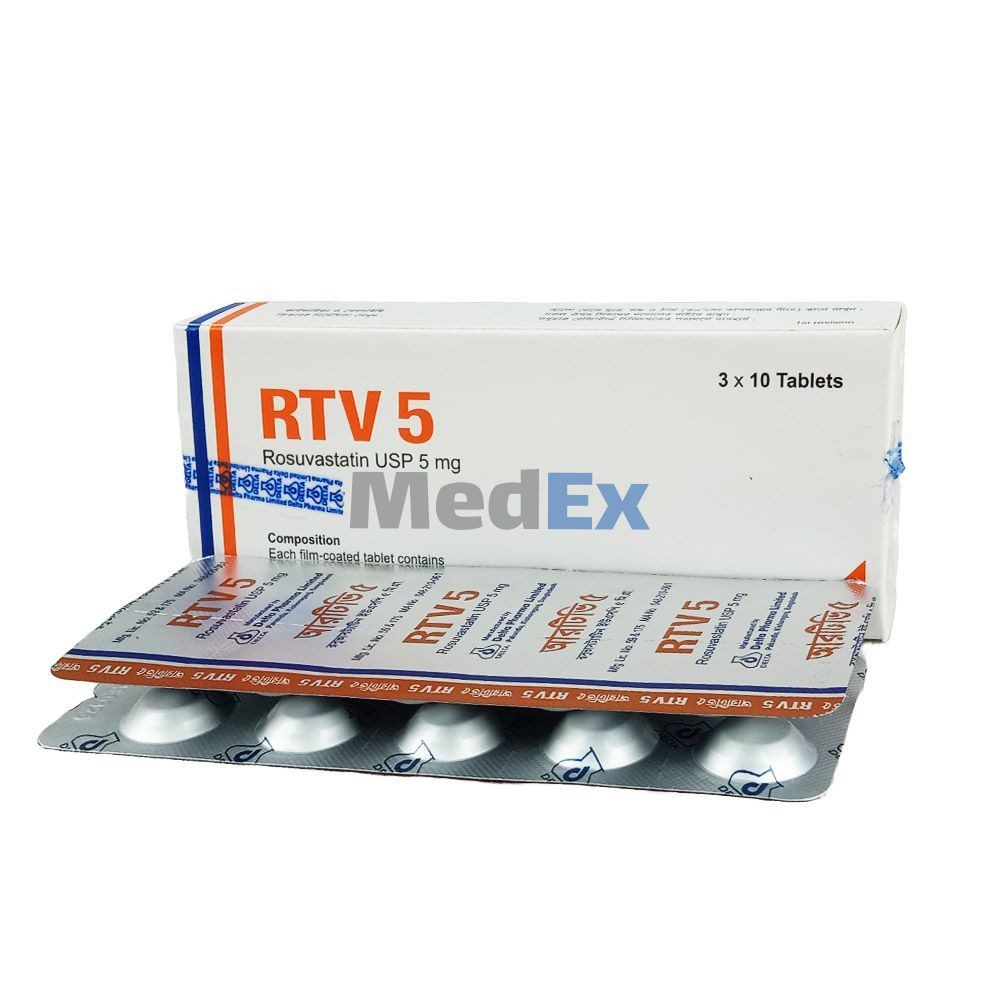

Clinical Prescribing Information
Medical monograph and safety information for healthcare professionals & patients.Indications & Clinical Uses
Amber tablet is indicated for:
Patients with primary hyperlipidemia and mixed dyslipidemia as an adjunct to diet to reduce elevated total-C, LDL-C, ApoB, non HDL-C and TG levels and to increase HDL-C.
Patients with hypertriglyceredemia as an adjunct to diet.
Patients with primary dysbetalipoproteinemia (Type III hyperlipoproteinemia) as an adjunct to diet.
... Read more
Amber tablet is indicated for:
Patients with primary hyperlipidemia and mixed dyslipidemia as an adjunct to diet to reduce elevated total-C, LDL-C, ApoB, non HDL-C and TG levels and to increase HDL-C.
Patients with hypertriglyceredemia as an adjunct to diet.
Patients with primary dysbetalipoproteinemia (Type III hyperlipoproteinemia) as an adjunct to diet.
Patients with homozygous familial hypercholesterolemia (HoFH) to reduce LDL-C, total-C, and ApoB.
Slowing the progression of atherosclerosis as part of a treatment strategy to lower total-C and LDL-C as an adjunct to diet.
Pediatric patients 10 to 17 years of age with heterozygous familial hypercholesterolemia (HeFH) to reduce elevated total-C, LDL-C and ApoB after failing an adequate trial of diet therapy.
Risk reduction of Myocardial Infarction (MI), stroke and arterial revascularization procedures in patients without clinically evident CHD, but with multiple risk factors.
Dosage & Administration
Heterozygous Familial Hypercholesterolemia in Pediatric Patients (10 to 17 years of age)
: The usual dose range of Rosuvastatin is 5-20 mg/day; the maximum recommended dose is 20 mg/day (doses greater than 20 mg have not been studied in this patient population). Doses should be individualized according to the recommended goal of therapy. Adjustments should be made at intervals of 4 weeks or more.
Very High Cholesterol and High Risk of Ml or Stroke
: 40 mg once daily.
Homozygous Familial Hypercholesterolemia
: The recommended starting dose of Rosuvastatin is 20 mg once daily. Response to therapy should be estimated from preapheresis LDL-C levels.
Dosage in Asian Patients
: Initiation of Rosuvastatin therapy with 5 mg once daily should be considered for Asian patients
Use with Cyclosporine, Lopinavir/Ritonavir or Atazanavir/Ritonavir
: In patients taking Cyclosporine, the dose of Rosuvastatin should be limited to 5 mg once daily. In patients taking a combination of Lopinavir and Ritonavir or Atazanavir and Ritonavir, the dose of Rosuvastatin should be limited to 10 mg once daily.
Concomitant Lipid-Lowering Therapy
: The risk of skeletal muscle effects may be enhanced when Rosuvastatin is used in combination with Niacin or Fenofibrate; a reduction in Rosuvastatin dosage should be considered in this setting. Combination therapy with Gemfibrozil should be avoided because of an increase in Rosuvastatin exposure with concomitant use; if Rosuvastatin is used in combination with Gemfibrozil, the dose of Rosuvastatin should be limited to 10 mg once daily.
Dosage in Patients with Severe Renal Impairment
: For patients with severe renal impairment (ClCr<30 mL/min/1.73 m²) not on hemodialysis, dosing of Rosuvastatin should be started at 5 mg once daily and not exceed 10 mg once daily.
Contraindications
Rosuvastatin is contraindicated if-
Known hypersensitivity to product components
Liver disease, which may include unexplained persistent elevations in hepatic transaminase levels
Pregnant women and women who may become pregnant
Nursing mothers
Side Effects & Adverse Reactions
Amber is generally well tolerated. The most frequent adverse events thought to be related to Amber were headache, myalgia, constipation, asthenia, abdominal pain and nausea.
Warnings & Precautions
Amber should be prescribed with caution in patients with predisposing factors for myopathy (e.g., age >65 years, inadequately treated hypothyroidism, renal impairment). The risk of myopathy during treatment with Amber may be increased with concurrent administration of some other lipid-lowering therapies (Fibrates or Niacin), Gemfibrozil, Cyclosporine, Lopinavir/Ritonavir, or Atazanavir/Ritonavir. Amber therapy should be discontinued if markedly elevated creatinine kinase levels occur or myopathy is diagnosed or suspected. Amber therapy should also be temporarily withheld in any patient with an acute, serious condition suggestive of myopathy or predisposing to the development of renal failure secondary to rhabdomyolysis (e.g., sepsis, hypotension, dehydration, major surgery, trauma, severe metabolic, endocrine, and electrolyte disorders, or uncontrolled seizures). It is recommended that liver enzyme tests be performed before and at 12 weeks following both the initiation of therapy and any elevation of dose, and periodically (e.g., semiannually) thereafter.
Pharmacology & Mechanism of Action
Rosuvastatin is a selective and competitive inhibitor of HMG-CoA reductase, the rate-limiting enzyme that converts 3-hydroxy-3-methyl glutaryl coenzyme A to mevalonate, a precursor of cholesterol. Rosuvastatin produces its lipid-modifying effects in two ways. First, it increases the number of hepatic LDL receptors on the cell surface to enhance uptake and catabolism of LDL. Second, Rosuvastatin inhibits hepatic synthesis of VLDL, which reduces the total number of VLDL and LDL particles.