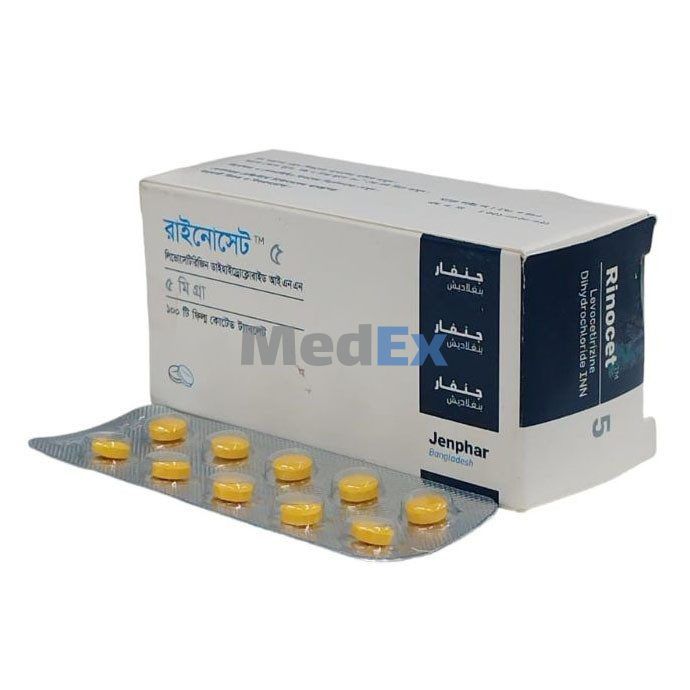
Rinocet
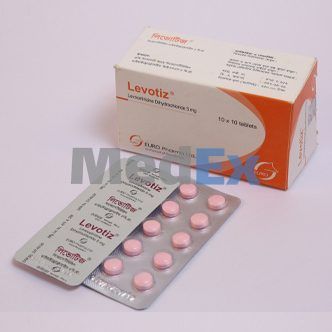
Cheaper & Alternative Brands
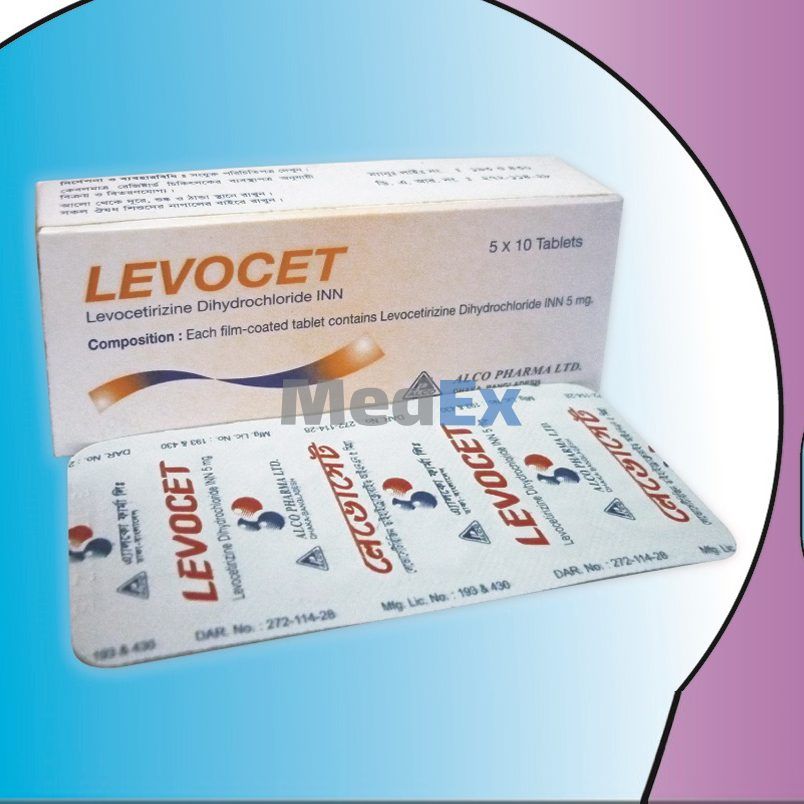
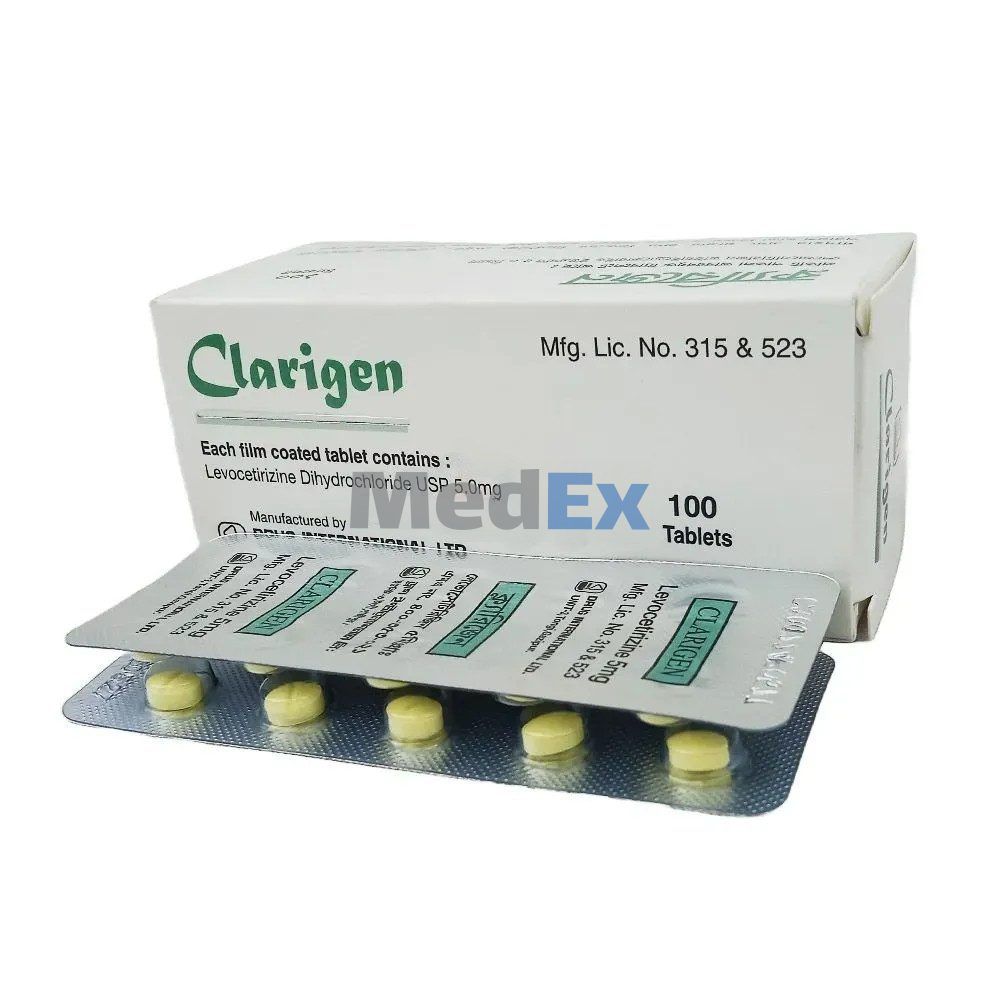
Same generic (Levocetirizine Dihydrochloride), same form (Tablet)
Clinical Prescribing Information
Medical monograph and safety information for healthcare professionals & patients.Indications & Clinical Uses
Acitrin-L is indicated in the treatment of symptoms associated with allergic conditions such as-
perennial allergic rhinitis
seasonal allergic rhinitis
chronic idiopathic urticaria
Dosage & Administration
Adult and children 12 years of age and older
: The recommended dose is 5 mg once daily.
Children 6 to 11 years of age
: The recommended dose is 2.5 mg (½ tablet or 1 teaspoon oral solution) once daily.
Children 6 months to 5 years of age
: The recommended dose is 1.25 mg (½ teaspoon oral solution) once daily.
Pediatric use
: The recommended dose for the treatment of the uncomplicated skin manifestations of chronic idiopathic urticaria in patients 6 months to 17 years of age is based on extrapolation of efficacy from adults 18 years of age and older.
Geriatric use
: In clinical studies, each approved indication did not include sufficient numbers of patients aged 65 years and older to determine whether they respond differently than younger patients.
Hepatic impairment
: No dosage adjustment is required in patients with solely hepatic impairment.
Renal impairment
:
Mild renal impairment (creatinine clearance: 50-80 ml/min): a dose of 2.5 mg once daily is recommended.
Moderate renal impairment (creatinine clearance: 30-50 ml/min): a dose of 2.5 mg once every other day is recommended.
Severe renal impairment (creatinine clearance: 10-30 ml/min): a dose of 2.5 mg twice weekly (administered once every 3-4 days) is recommended.
End-stage renal disease patients (creatinine clearance: <10 ml/min) and patients undergoing hemodialysis: should not receive Levocetirizine.
Contraindications
Hypersensitivity to levocetirizine, cetirizine or its parent compound hydroxyzine. Patients with severe renal impairment (creatinine clearance: <10 ml/min) should not be administered levocetirizine.
Side Effects & Adverse Reactions
Generally, levocetirizine is well tolerated. However, a few side effects like headache, dry mouth, fatigue and skin rash have been reported rarely.
Warnings & Precautions
Epileptic patients and patients at risk of convulsions. Renal impairment. Pregnancy and lactation.
Pharmacology & Mechanism of Action
This preparation contains Levocetirizine Dihydrochloride. Levocetirizine is the active (Levo) isomer of cetirizine. It is a new highly effective and well-tolerated nonsedating antihistamine with potent antiallergic properties. It has a two-fold higher affinity for H1 receptors than cetirizine. Levocetirizine has a rapid and long-acting action, allowing once-a-day administration.