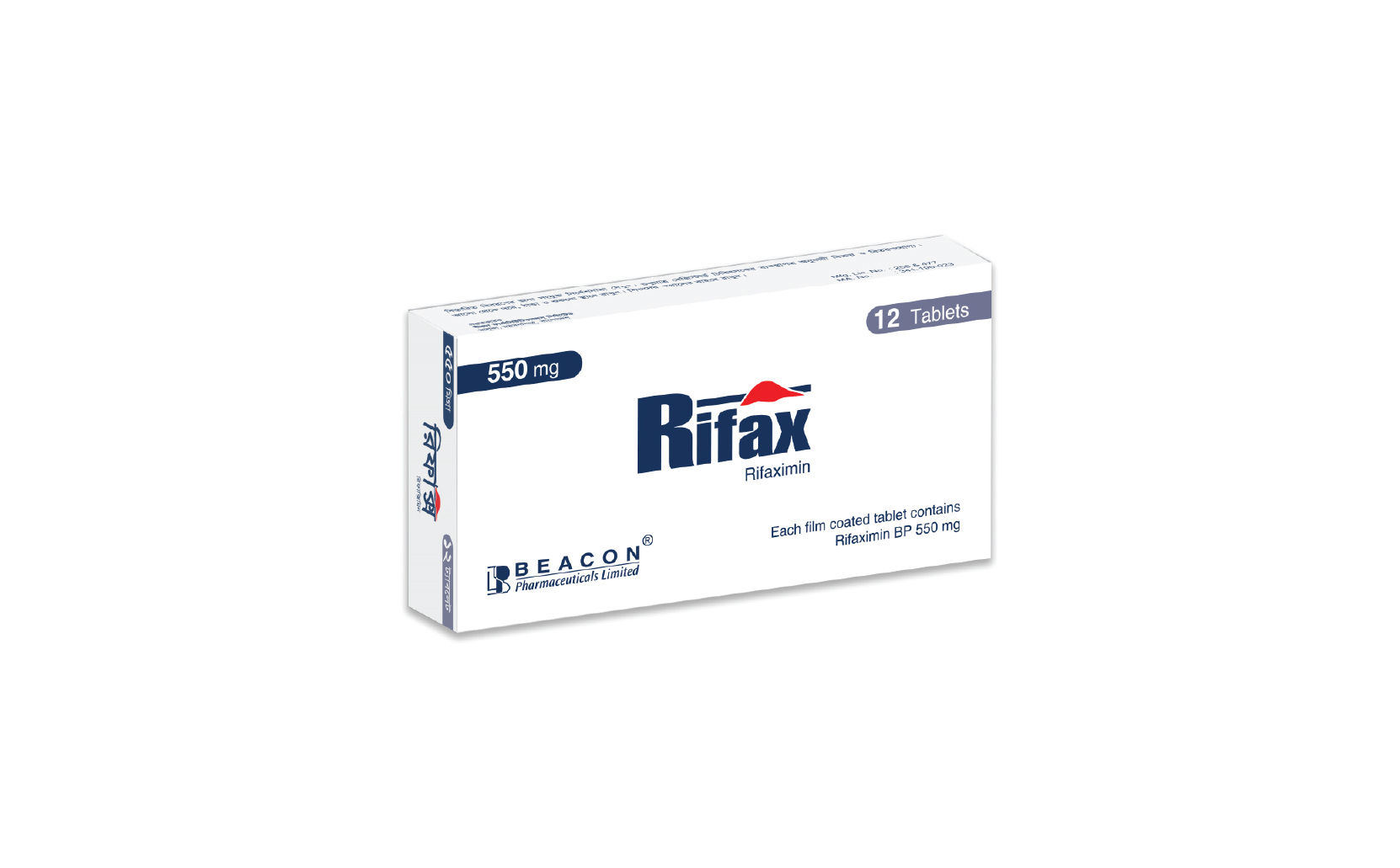
Rifax
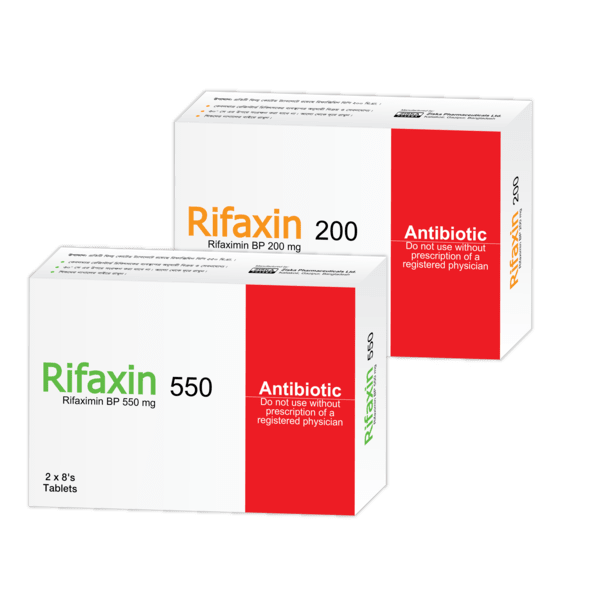
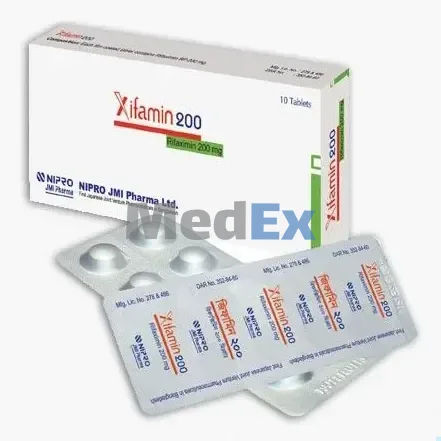
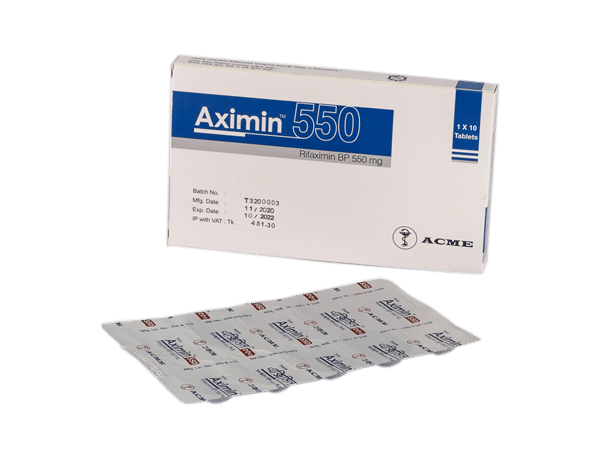
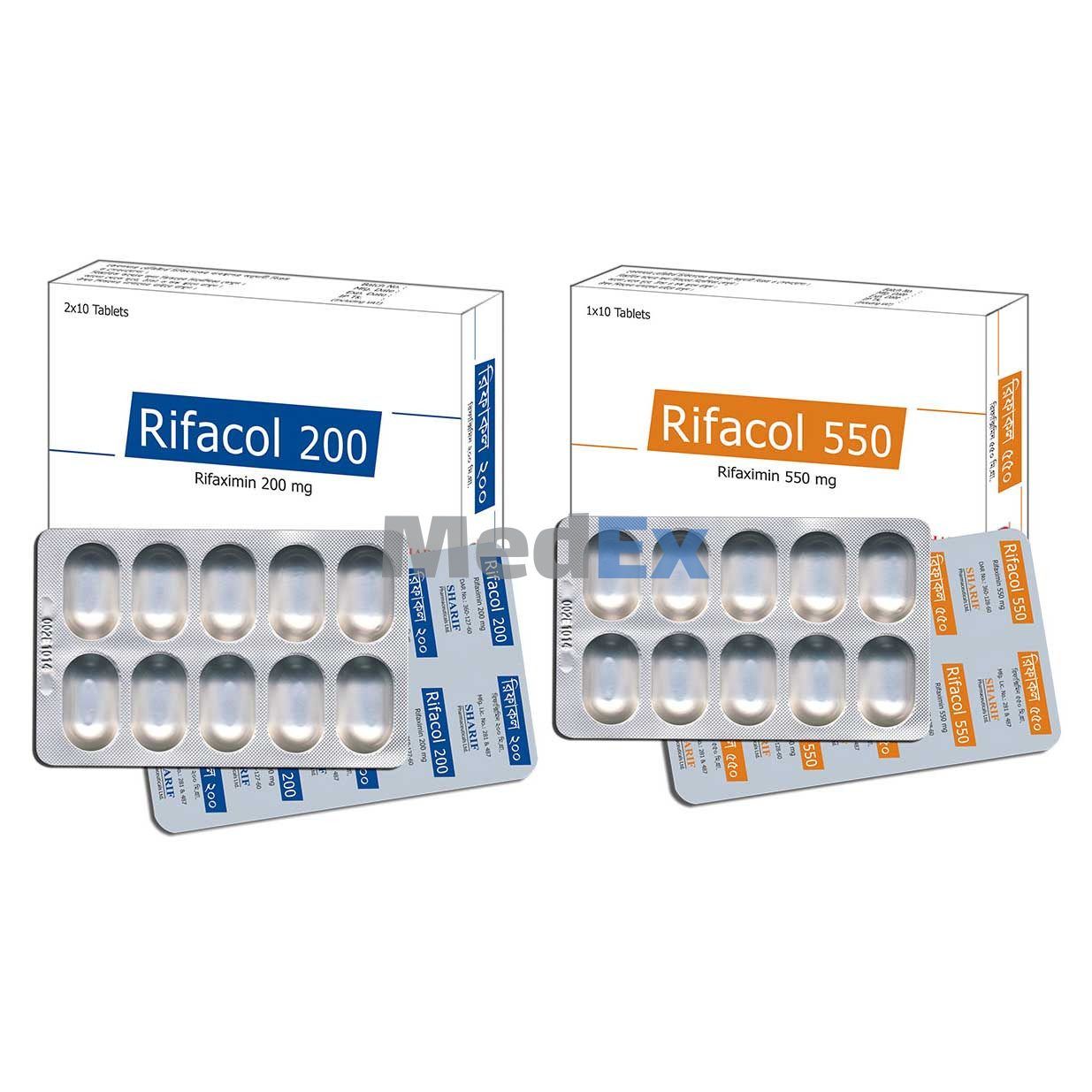
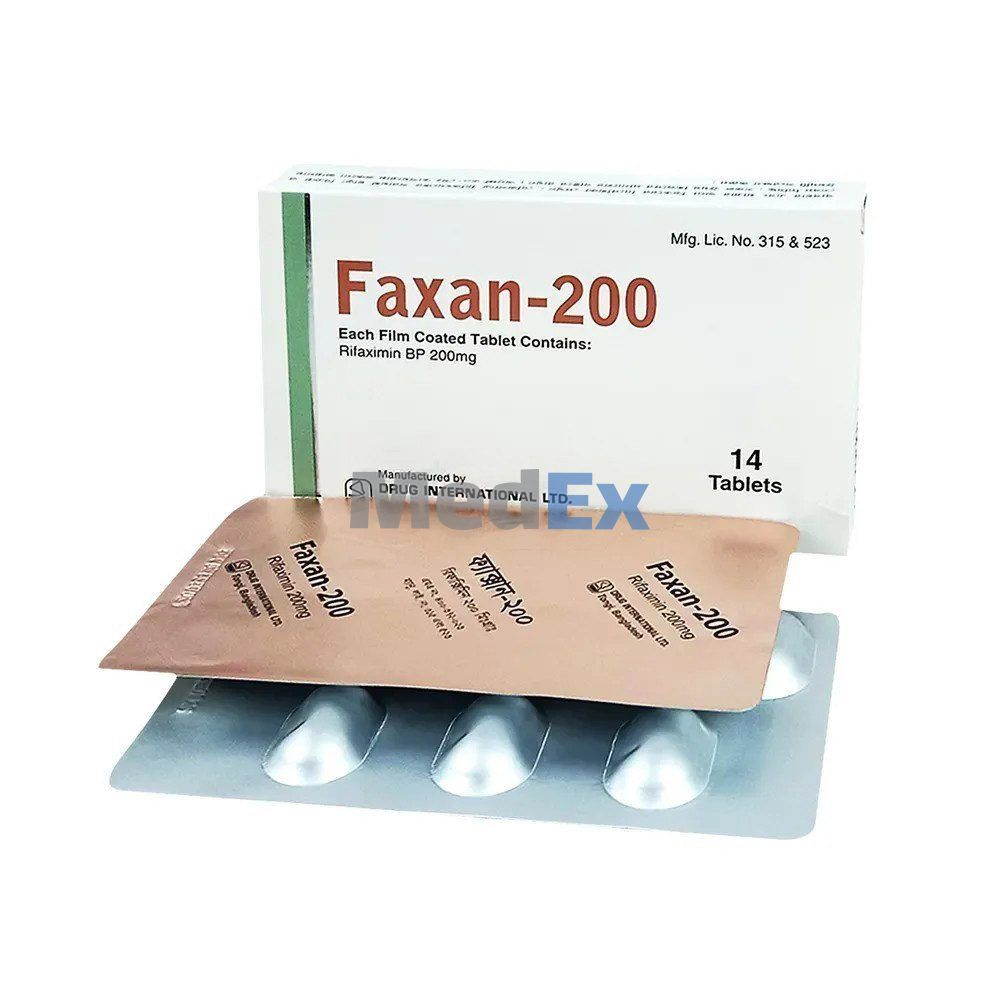
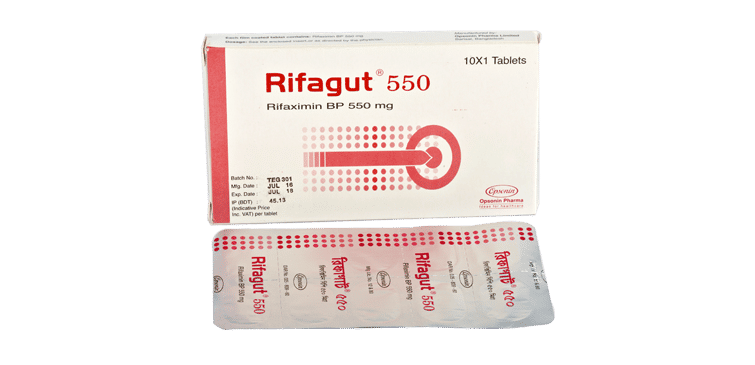
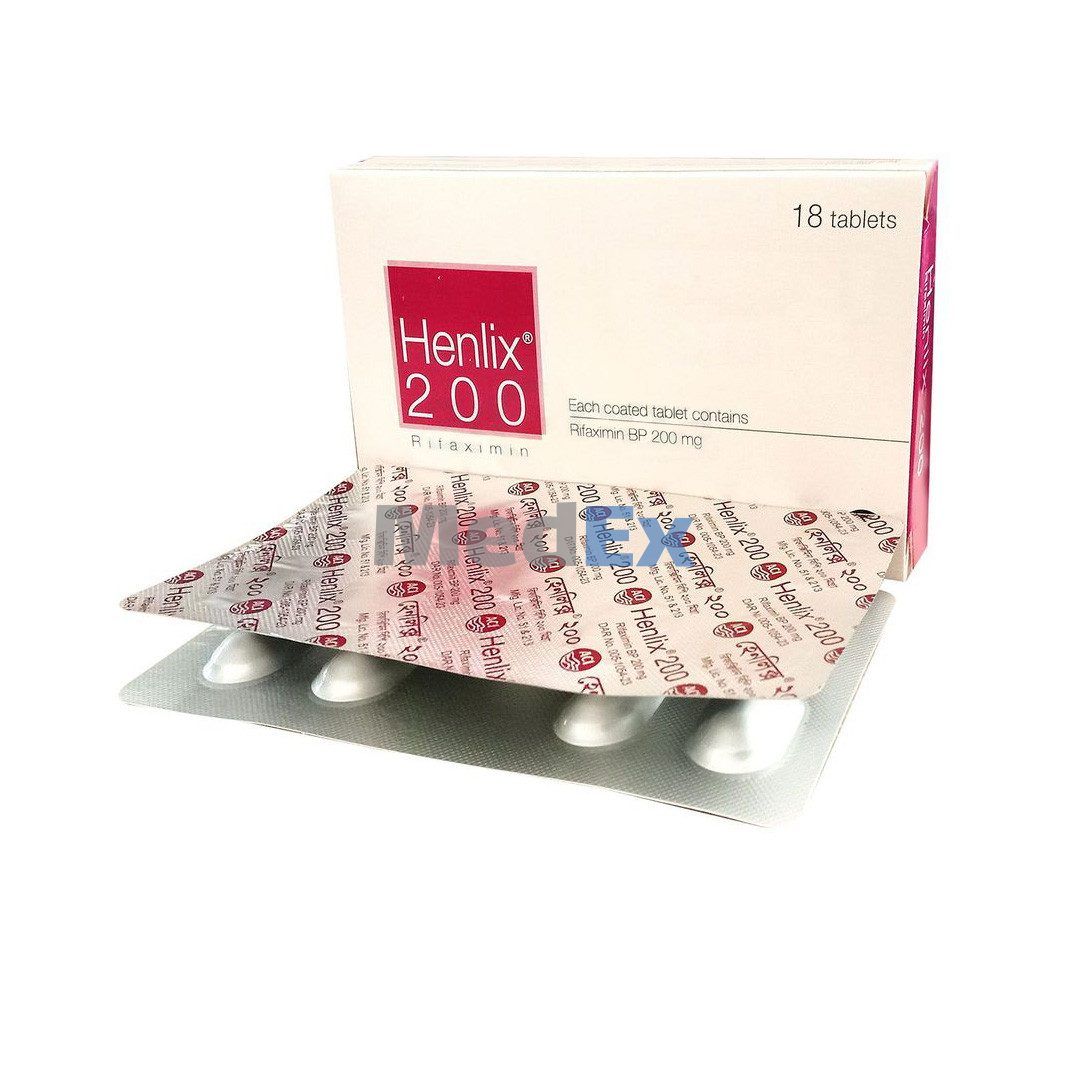
Cheaper & Alternative Brands
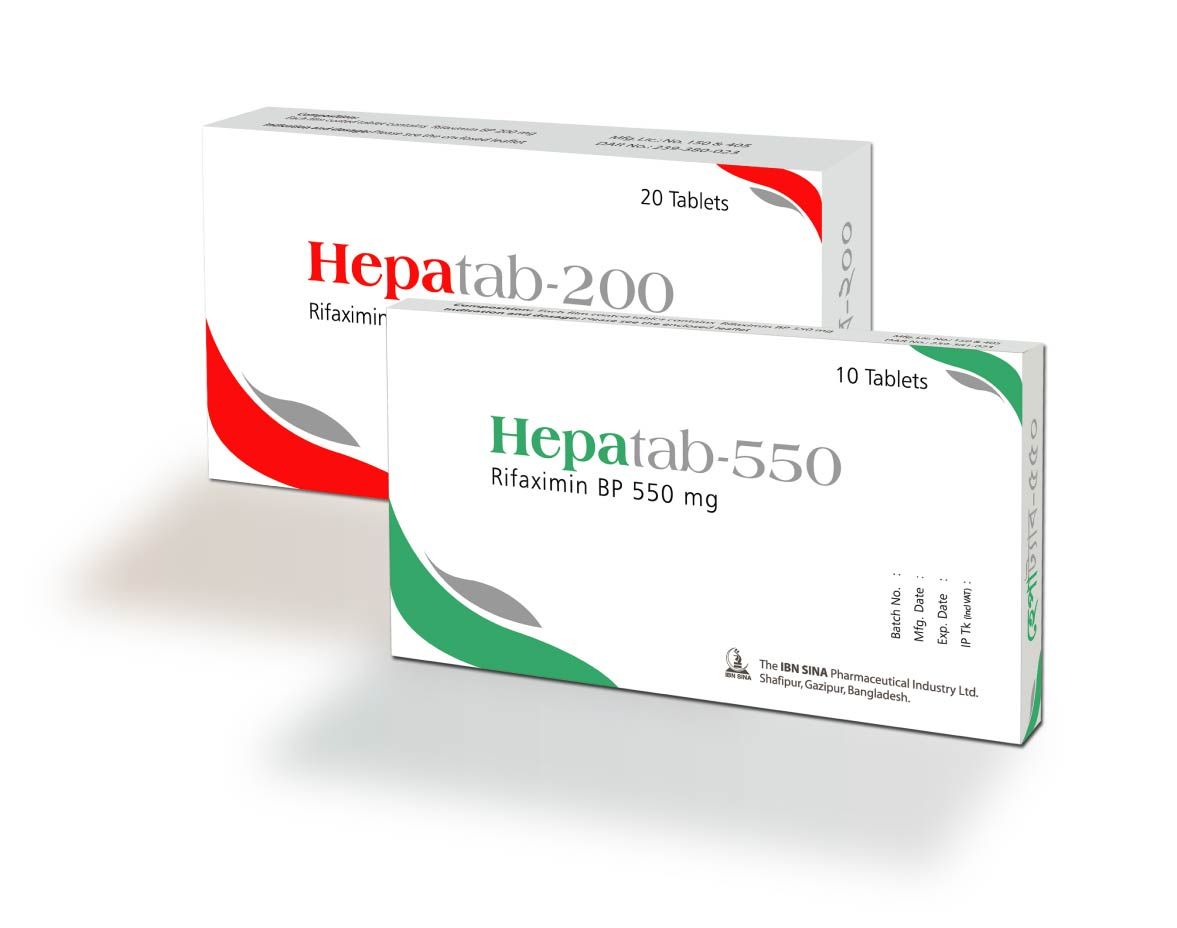
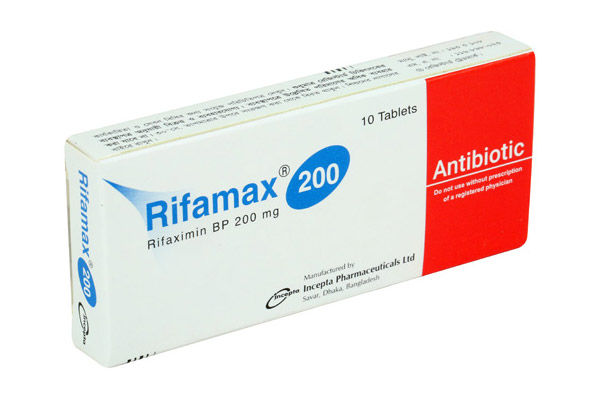
Same generic (Rifaximin), same form (Tablet)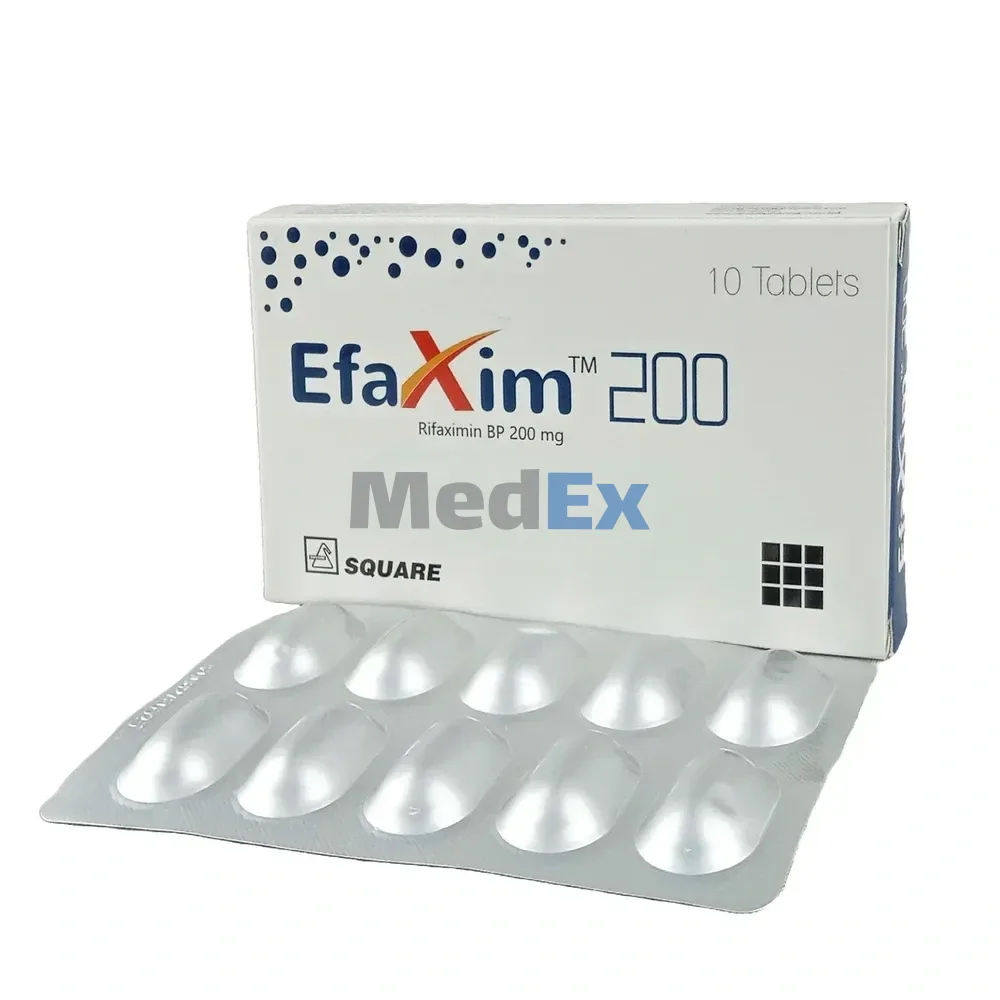


Clinical Prescribing Information
Medical monograph and safety information for healthcare professionals & patients.Indications & Clinical Uses
Aximin is indicaed in-
Treatment of traveler's diarrhea by noninvasive strains of E. coli
reduction in risk of overt hepatic encephalopathy
bacterial overgrowth of irritable bowel syndrome.
Dosage & Administration
Traveler's Diarrhea
: For patients ≥12 years of age: 200 mg 3 times daily for 3 days.
Hepatic Encephalopathy:
For patients ≥18 years of age: 550 mg 2 times daily.
Bacterial overgrowth of irritable bowel syndrome
: 400 mg 3 times daily for 10 days or 550 mg 3 times daily for 14 days. Can be taken with or without food
Contraindications
Contraindicated in patients with a hypersensitivity to Rifaximin or to any of the rifamycin antimicrobial agents, or any components of this product
Side Effects & Adverse Reactions
Side effects include flatulence, headache, abdominal pain, rectal tenesmus, defecation urgency, nausea, constipation, pyrexia, vomiting. Reactions have been reported, including anaphylaxis, angioneurotic edema, and exfoliative dermatitis.
Warnings & Precautions
Aximin is not found to be effective in patients with diarrhea complicated by fever and/or blood in the stools. Aximin therapy should be discontinued if diarrhea symptoms get worse or persist for more than 24-48 hours and alternative antibiotic therapy should be considered. Pseudomembranous colitis has been reported with nearly all antibacterial agents and may range in severity from mild to life-threatening. Therefore, it is important to consider this diagnosis in patients who present with diarrhea subsequent to the administration of antibacterial agents.
Pharmacology & Mechanism of Action
Rifaximin is a semisynthetic, rifamycin-based non-systemic antibiotic. Very little of the drug will pass the gastrointestinal wall into the circulation as is common for other types of orally administered antibiotics. Rifaximin inhibits bacterial RNA synthesis by its action on the beta-subunit of the DNA-dependent RNA polymerase. It shows the same broad spectrum activity as rifamycin which exerts bactericidal action against many species of Gram-positive and Gram-negative, aerobic and anaerobic bacteria.