
Repanid
Cheaper & Alternative Brands
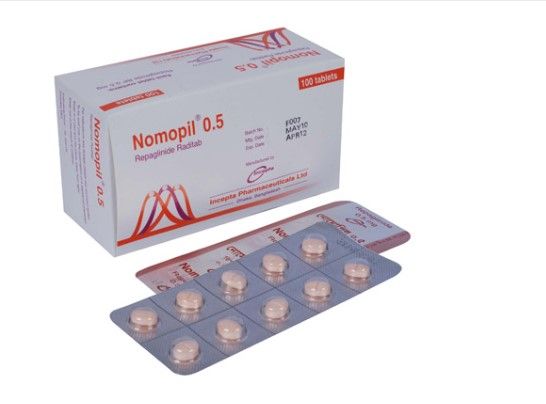
Same generic (Repaglinide), same form (Tablet)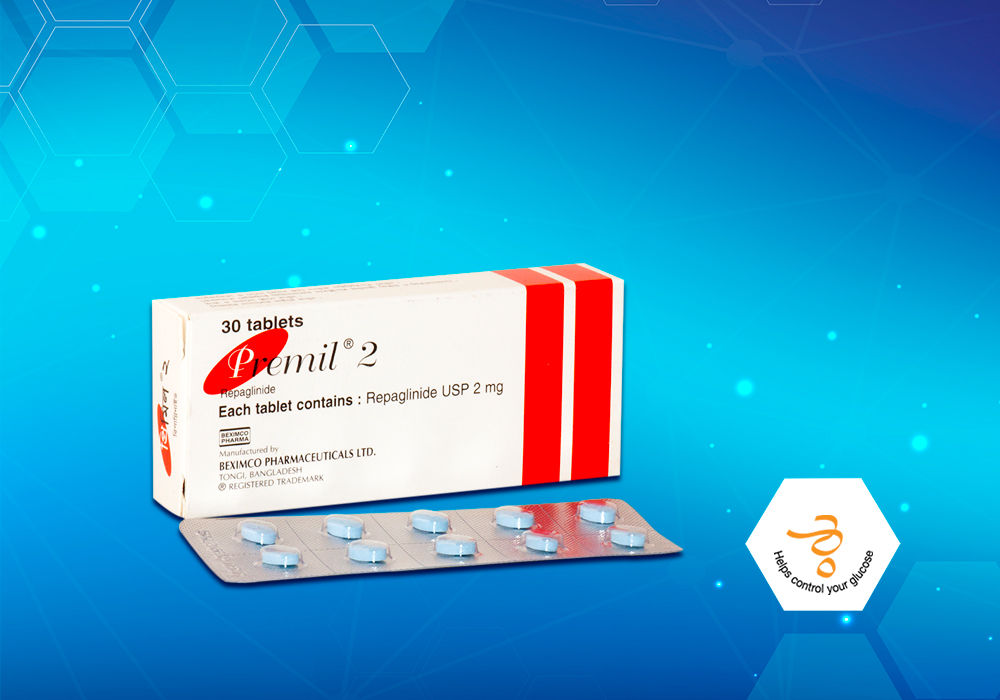

Clinical Prescribing Information
Medical monograph and safety information for healthcare professionals & patients.Indications & Clinical Uses
Dianorm is indicated as an adjunct to diet and exercise to lower the blood glucose in patients with type 2 diabetes mellitus (NIDDM) whose hyperglycemia cannot be controlled satisfactorily by diet and exercise alone. It is also indicated for use in combination with Metformin to lower blood glucose in patients whose hyperglycemia cannot be controlled by exercise, diet, and either Dianorm or Metformin alone.
Dosage & Administration
For patients not previously treated or whose HbA1c is <8%, the starting dose should be 0.5 mg before each meal.
For patients previously treated with blood glucose-lowering drugs and whose HbA1c is >8%, the initial dose is 1 or 2 mg before each meal.
Repaglinide should be taken immediately or up to 30 minutes before each meal.
Dosage should be adjusted according to response at intervals of 1-2 weeks; up to 4 mg may be given as a single-dose, maximum 16 mg daily.
Contraindications
Repaglinide is contraindicated in patients with:
Diabetic ketoacidosis, with or without coma.
Type 1 diabetes mellitus and
Known hypersensitivity to the drug or its inactive ingredients.
Side Effects & Adverse Reactions
The most common side effects of Dianorm are hypoglycemia and related symptoms. Others include upper respiratory tract infections, diarrhea, constipation, nausea and vomiting. Hypersensitivity reactions include rashes and urticaria.
Warnings & Precautions
Insulin should be substituted during concurrent illness (such as myocardial infarction, coma, infection, and trauma) and during surgery. All oral blood glucose-lowering drugs are capable of producing hypoglycemia. Dianorm should be administered with meals to lessen the risk of hypoglycemia.
Pharmacology & Mechanism of Action
Repaglinide binds to specific receptors in the cell membrane leading to the closure of ATP dependent K
+
channels and the depolarisation of cell membrane. This in turn, leads to Ca
++
influx, increased intracellular Ca
++
and the stimulation of insulin secretion.