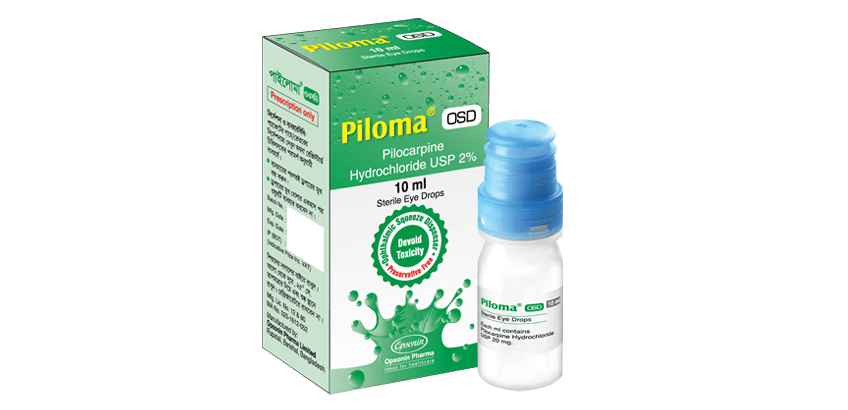
Piloma
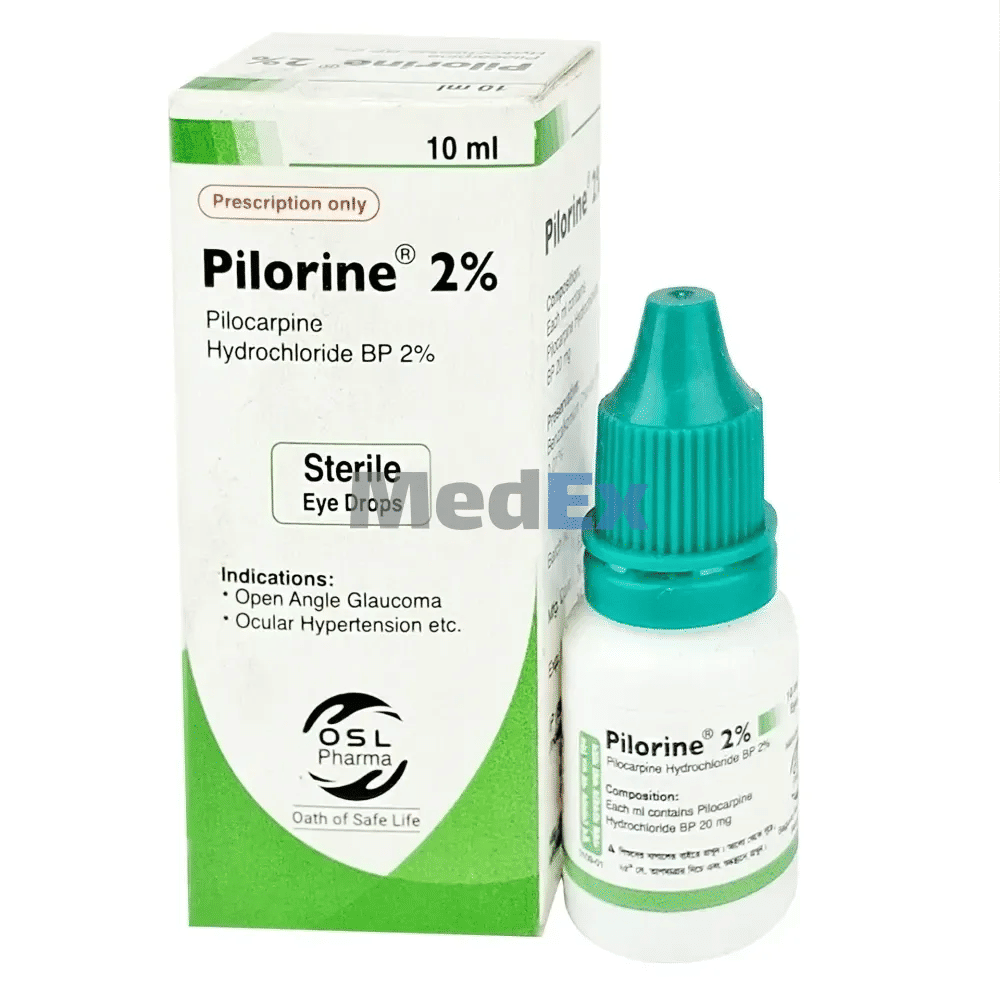
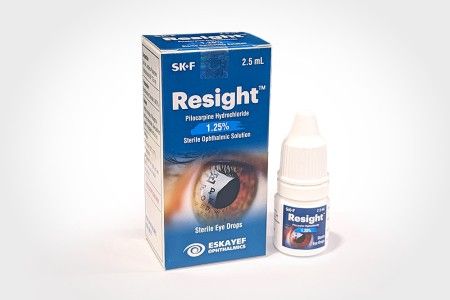
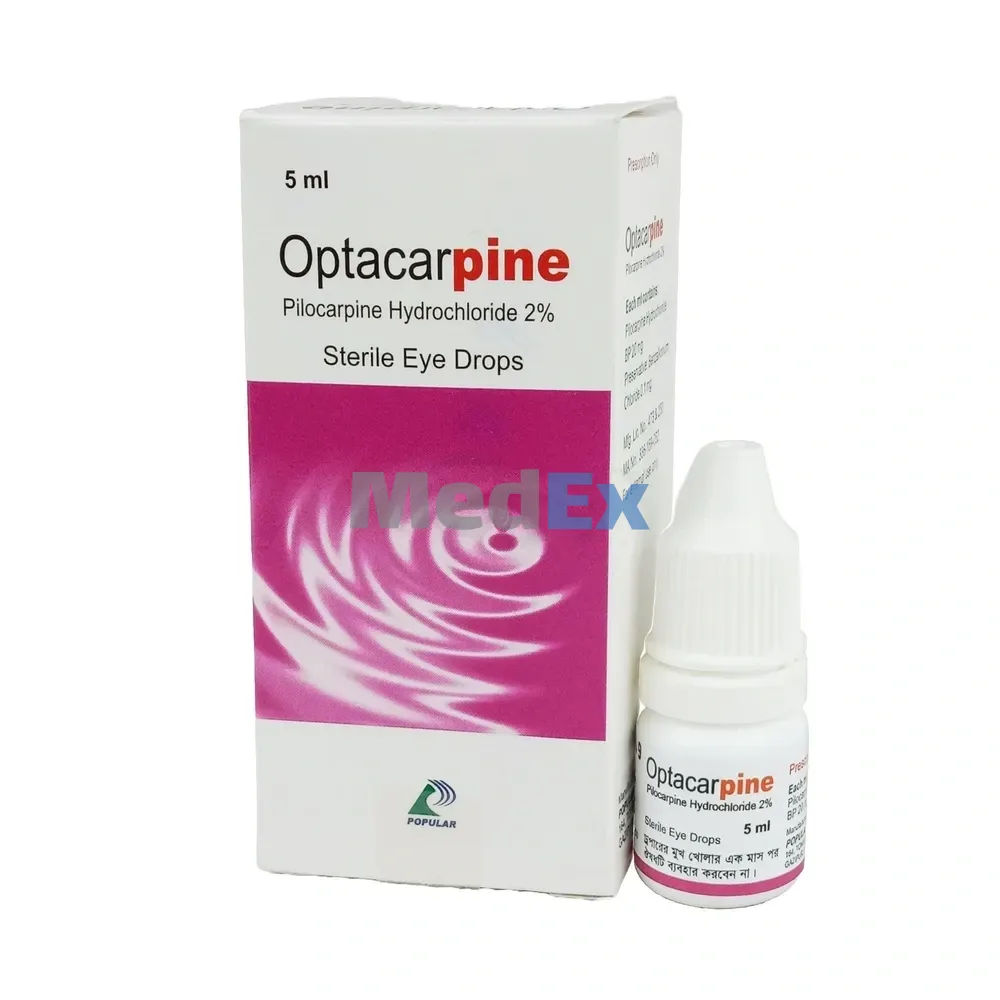
Cheaper & Alternative Brands
Same generic (Pilocarpine Hydrochloride), same form (Ophthalmic Solution)
Clinical Prescribing Information
Medical monograph and safety information for healthcare professionals & patients.Indications & Clinical Uses
Optacarpine is indicated for chronic open angle glaucoma, acute or chronic narrow angle glaucoma, suspected glaucoma and ocular hypertension.
Dosage & Administration
Instill 1 drop 2-4 times daily. To minimize systemic absorption of the active ingredient of the eye drops, pressure should be applied for one minute on the tear duct after application.
Contraindications
Hypersensitivity to any ingredient including excipients.
Conditions where pupillary constriction is undesirable (e.g. acute iritis).
Retinal detachment; past history of retinal detachment or conditions that predispose to retinal detachment.
Side Effects & Adverse Reactions
Common: Temporary blurred vision, burning, stinging, redness, watering of the eyes, decrease in night vision, eye irritation, headache.
Rare: Eye pain, increased sweating, muscle tremors, nausea, vomiting, diarrhea, watering of the mouth, troubled breathing or wheezing.
Warnings & Precautions
If blurred vision or changes in near or far sight occur, especially at night, patients should exercise caution when involved in night driving or hazardous work in poor light. It is recommended that intraocular pressure measurements be performed regularly during therapy.
Pharmacology & Mechanism of Action
Pilocarpine Hydrochloride directly stimulates cholinergic receptors. It produces contraction of the iris sphincter muscle, resulting in pupillary constriction (miosis); constriction of the ciliary muscle, resulting in increased accommodation; and reduction in intraocular pressure associated with an increase in the outflow and a decrease in the inflow of aqueous humor. In chronic open angle glaucoma, the exact mechanism by which miotics lower intraocular pressure is not exactly known; however, contraction of the ciliary muscle apparently opens the intertrabecular spaces and facilitates aqueous humor outflow. There is also a decrease in the rate of inflow of aqueous humor. In angle-closure glaucoma, constriction of the pupil apparently pulls the iris away from the trabeculum, thereby relieving blockage of the trabecular meshwork.