
Pavigard
Cheaper & Alternative Brands
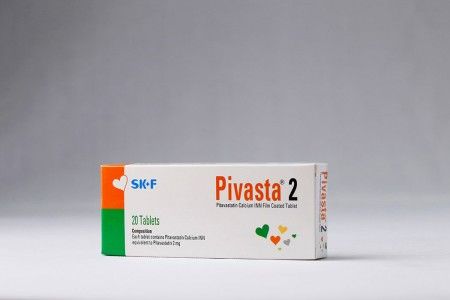
Same generic (Pitavastatin Calcium), same form (Tablet)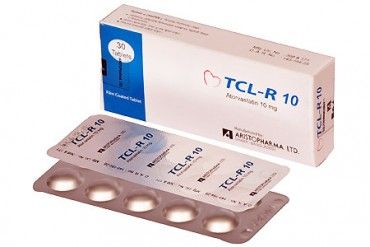
Clinical Prescribing Information
Medical monograph and safety information for healthcare professionals & patients.Indications & Clinical Uses
Patients with primary hyperlipidemia and mixed dyslipidemia as an adjunctive therapy to diet to reduce elevated total cholesterol (TC), low-density lipoprotein cholesterol (LDL-C), apolipoprotein B (Apo B), triglycerides (TG), and to increase high-density lipoprotein cholesterol (HDL-C).
Dosage & Administration
General Dosing Information
: The dose range for pitavastatin is 1 to 4 mg orally once daily at any time of the day with or without food. The recommended starting dose is 2 mg and the maximum dose is 4 mg. The starting dose and maintenance doses of pitavastatin should be individualized according to patient characteristics, such as goal of therapy and response. After initiation or upon titration of pitavastatin, lipid levels should be analyzed after 4 weeks and the dosage adjusted accordingly.
Dosage in Patients with Renal Impairment
: Patients with moderate and severe renal impairment (glomerular filtration rate 30-59 mL/min/1.73 m2 and 15-29 mL/min/1.73 m2 not receiving hemodialysis, respectively) as well as end-stage renal disease receiving hemodialysis should receive a starting dose of pitavastatin 1 mg once daily and a maximum dose of pitavastatin 2 mg once daily.
Use with Erythromycin
: In patients taking erythromycin, a dose of pitavastatin 1 mg once daily should not be exceeded.
Use with Rifampin
: In patients taking rifampin, a dose of pitavastatin 2 mg once daily should not be exceeded.
Contraindications
Known hypersensitivity to Pitavastatin Calcium
Active liver disease, which may include unexplained persistent elevations in hepatic transaminase levels
Women who are pregnant or may become pregnant
Co-administration with cyclosporine
Side Effects & Adverse Reactions
The most frequent adverse reactions are myalgia, back pain, diarrhoea, constipation and pain in extremity.
Warnings & Precautions
Skeletal muscle effects
(e.g. myopathy and rhabdomyolysis): Risks increase in a dose-dependent manner, with advanced age (>65), renal impairment, inadequately treated hypothyroidism, and combination use with fibrates. Advise patients to promptly report unexplained muscle pain, tenderness, or weakness, and discontinue pitavastatin if signs or symptoms appear.
Liver enzymes abnormalities and monitoring
: Persistent elevations in hepatic transaminases can occur. Monitor liver enzymes before and during treatment.
Pharmacology & Mechanism of Action
Pitavastatin competitively inhibits HMG-CoA reductase, which is a rate-determining enzyme involved with biosynthesis of cholesterol, in a manner of competition with the substrate so that it inhibits cholesterol synthesis in the liver. As a result, the expression of LDL-receptors followed by the uptake of LDL from blood to liver is accelerated and then the plasma TC decreases. Further, the sustained inhibition of cholesterol synthesis in the liver decreases levels of very low density lipoproteins.