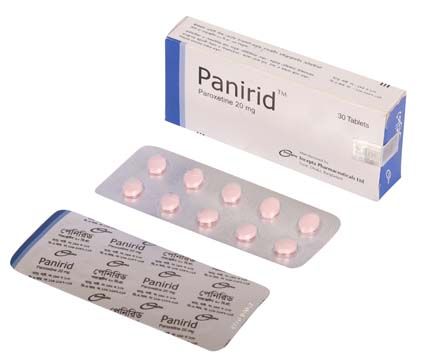
Panirid
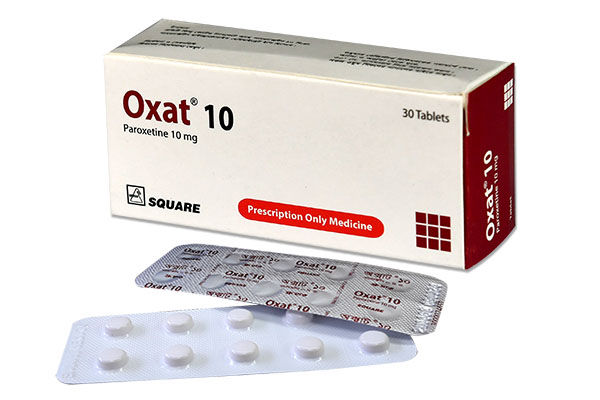
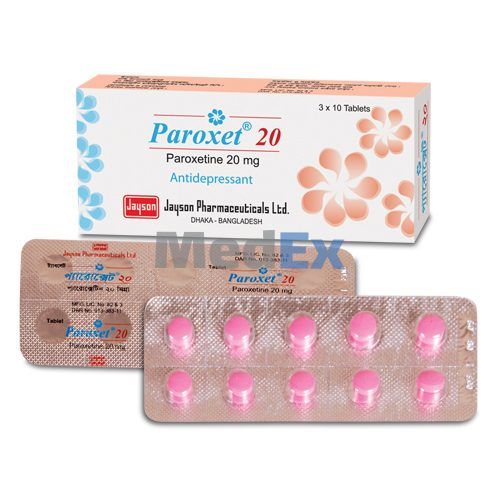
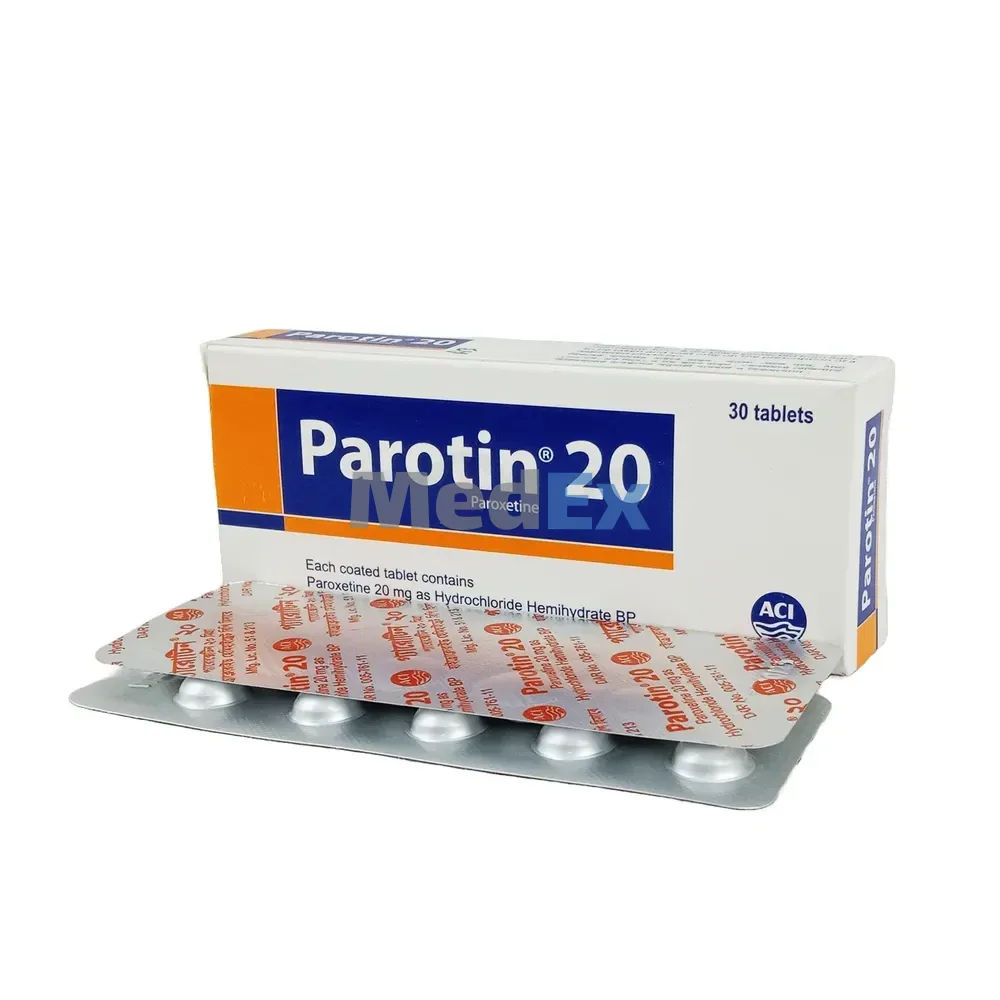
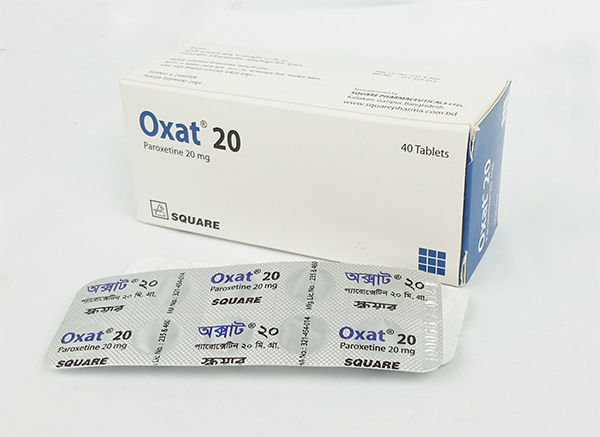
Cheaper & Alternative Brands
Same generic (Paroxetine Hydrochloride), same form (Tablet)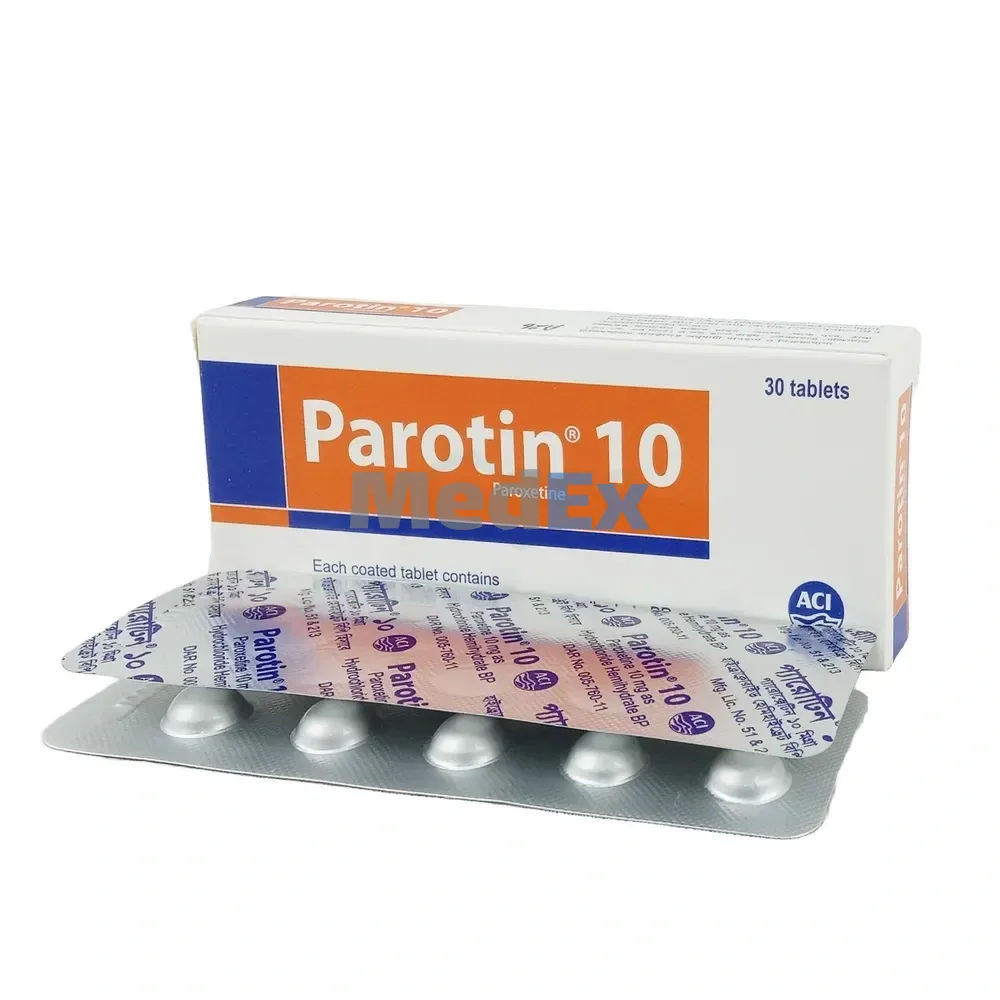
Clinical Prescribing Information
Medical monograph and safety information for healthcare professionals & patients.Indications & Clinical Uses
Melev is indicated in:
Major Depressive Disorder
Obsessive Compulsive Disorder
Panic Disorder
Social Anxiety Disorder
Generalized Anxiety Disorder
Posttraumatic Stress Disorder.
Dosage & Administration
Major Depressive Disorder:
Usual Initial Dosage
: Paroxetine (Paroxetine hydrochloride) should be administered as a single daily dose with or without food, usually in the morning. The recommended initial dose is 20 mg/day. Some patients not responding to a 20 mg dose may benefit from dose increases, in 10 mg/day increments, up to a maximum of 50 mg/day. Dose changes should occur at intervals of at least 1 week.
Maintenance Therapy
: Systematic evaluation of the efficacy of Paroxetine hydrochloride has shown that efficacy is maintained for periods of up to 1 year with doses that averaged about 30 mg.
Obsessive Compulsive Disorder (OCD):
Usual Initial Dosage
: Paroxetine (Paroxetine hydrochloride) should be administered as a single daily dose with or without food, usually in the morning. The recommended dose of Paroxetine in the treatment of OCD is 40 mg daily. Patients should be started on 20 mg/day and the dose can be increased in 10 mg/day increments. Dose changes should occur at intervals of at least 1 week.
Maintenance Therapy
: Dosage adjustments should be made to maintain the patient on the lowest effective dosage, and patients should be periodically reassessed to determine the need for continued treatment.
Panic Disorder:
Usual Initial Dosage
: Paroxetine should be administered as a single daily dose with or without food, usually in the morning. The target dose of Paroxetine in the treatment of panic disorder is 40 mg/day. Patients should be started on 10 mg/day. Dose changes should occur in 10 mg/day increments and at intervals of at least 1 week. The maximum dosage should not exceed 60 mg/day.
Maintenance Therapy
: Dosage adjustments should be made to maintain the patient on the lowest effective dosage, and patients should be periodically reassessed to determine the need for continued treatment.
Social Anxiety Disorder (SAD):
Usual Initial Dosage
: Paroxetine should be administered as a single daily dose with or without food, usually in the morning. The recommended initial dosage is 20 mg/day.
Maintenance Therapy
: Dosage adjustments should be made to maintain the patient on the lowest effective dosage, and patients should be periodically reassessed to determine the need for continued treatment.
Generalized Anxiety Disorder (GAD):
Usual Initial Dosage
: Paroxetine should be administered as a single daily dose with or without food, usually in the morning. The recommended starting dosage and the established effective dosage is 20 mg/day.
Maintenance Therapy
: Dosage adjustments should be made to maintain the patient on the lowest effective dosage, and patients should be periodically reassessed to determine the need for continued treatment.
Posttraumatic Stress Disorder (PTSD):
Usual Initial Dosage
: Paroxetine should be administered as a single daily dose with or without food, usually in the morning. The recommended starting dosage and the established effective dosage is 20 mg/day. Dose changes, if indicated, should occur in 10 mg/day increments and at intervals of at least 1 week.
Maintenance Therapy
: Dosage adjustments should be made to maintain the patient on the lowest effective dosage, and patients should be periodically reassessed to determine the need for continued treatment.
Contraindications
Concomitant use in patients taking either monoamine oxidase inhibitors (MAOIs) or thioridazine is contraindicated. This is contraindicated in patients with a hypersensitivity to Paroxetine.
Side Effects & Adverse Reactions
Major depressive disorder:
Asthenia, sweating, nausea, decreased appetite, somnolence, dizziness, insomnia, tremor, nervousness, ejaculatory disturbance and other male genital disorders.
Obsessive compulsive disorder:
Nausea, dry mouth, decreased appetite, constipation, dizziness, somnolence, tremor, sweating, impotence and abnormal ejaculation.
Panic disorder:
Asthenia, sweating, decreased appetite, decreased libido , tremor, abnormal ejaculation, female genital disorders and impotence.
Social anxiety disorder:
Sweating, nausea, dry mouth, constipation, decreased appetite, somnolence, tremor, decreased libido, yawn, abnormal ejaculation, female genital disorders and impotence.
Generalised anxiety disorder:
Asthenia, infection, constipation, decreased appetite, dry mouth, nausea, decreased libido, somnolence, tremor, sweating and abnormal
ejaculation.
Post-traumatic stress disorder:
Asthenia, sweating nausea, dry mouth, diarrhoea, decreased appetite, somnolence, decreased libido, abnormal ejaculation, female genital disorders and impotence.
Warnings & Precautions
Cardiac conditions
: Melev does not produce clinically significant changes in blood pressure, heart rate and ECG. Nevertheless, as with all psychoactive drugs, caution is advised when treating patients with cardiac conditions.
Epilepsy
: As with other antidepressants, Melev should be used with caution in-patients with epilepsy.
Seizures
: Overall, the incidence of seizures is < 0.1% in patients treated with Melev. Melev should be discontinued in any patient who develops seizures.
ECT
: There is little clinical experience of concurrent administration of Melev with ECT.
Ability to drive/use machines
: Clinical experience has shown that therapy with Melev is not associated with impairment of cognitive or psychomotor function. However, as with all psychoactive drugs, patients should be cautioned about their ability to drive a car and operate machinery.
Discontinuation of Treatment with Melev
: Recent clinical trials supporting the various approved indications of Melev employed a taper phase regimen, rather than an abrupt discontinuation of treatment. The taper phase regimen used in GAD and PTSD clinical trials involved an incremental decrease in the daily dose by 10 mg/day at weekly intervals. When a daily dose of 20 mg/day was reached, patients were continued on this dose for 1 week before treatment was stopped.
Pharmacology & Mechanism of Action
The efficacy of Paroxetine is presumed to be linked to potentiation of serotonergic activity in the central nervous system resulting from inhibition of neuronal reuptake of serotonin (5-hydroxy-tryptamine, 5 HT). Studies at clinically relevant doses in humans have demonstrated that paroxetine blocks the uptake of serotonin into human platelets. In vitro studies in animals also suggest that paroxetine is a potent and highly selective inhibitor of neuronal serotonin reuptake and has only very weak effects on norepinephrine and dopamine neuronal reuptake. In vitro radioligand binding studies indicate that paroxetine has little affinity for muscarinic, alpha1, alpha2, beta adrenergic, dopamine (D2), 5-HT1, 5 HT2 and histamine (H1)-receptors; antagonism of muscarinic, histaminergic and alpha1-adrenergic receptors has been associated with various anticholinergic, sedative and cardiovascular effects for other psychotropic drugs. Because the relative potencies of paroxetine’s major metabolites are at most 1/50 of the parent compound, they are essentially inactive.