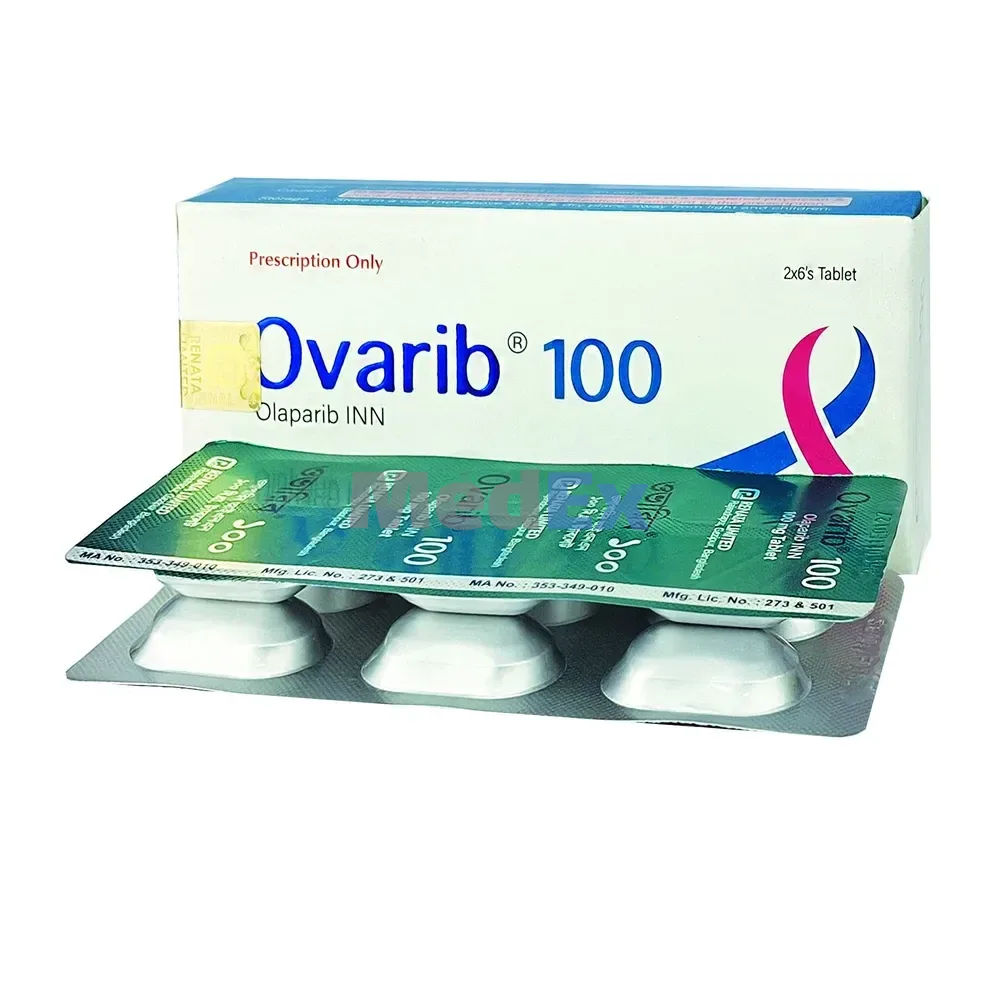
Ovarib
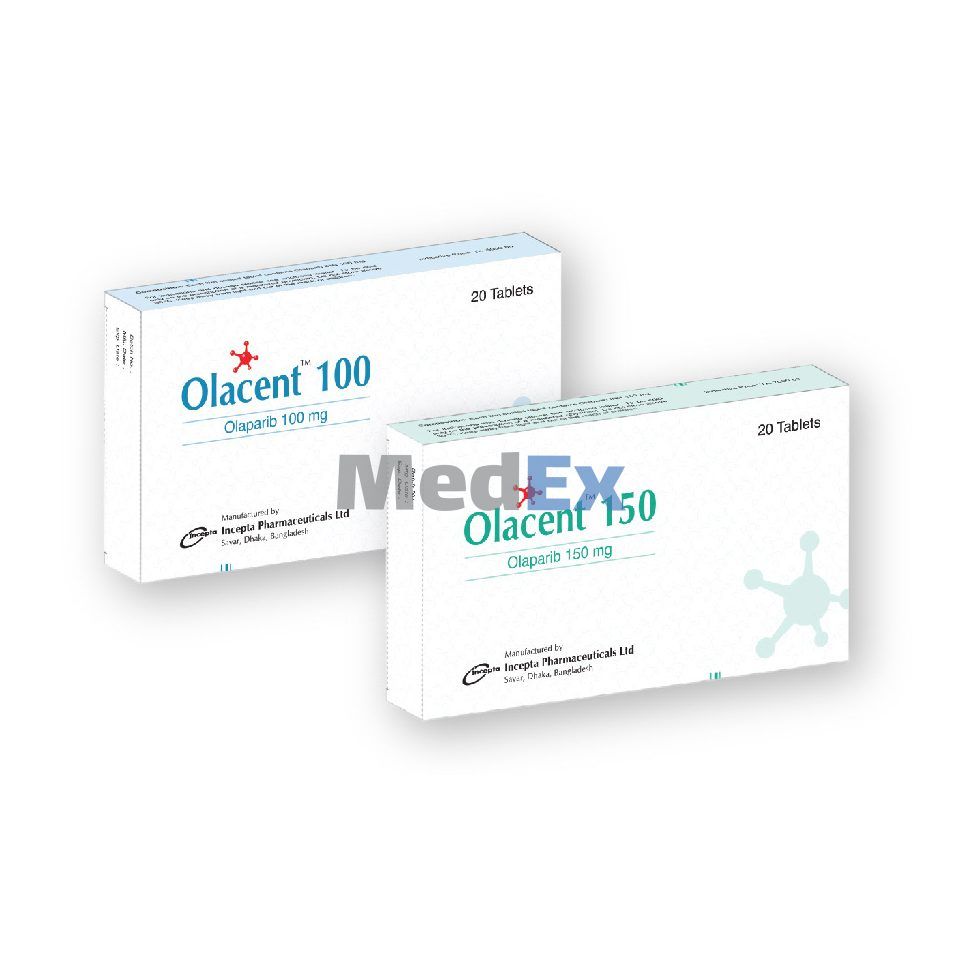
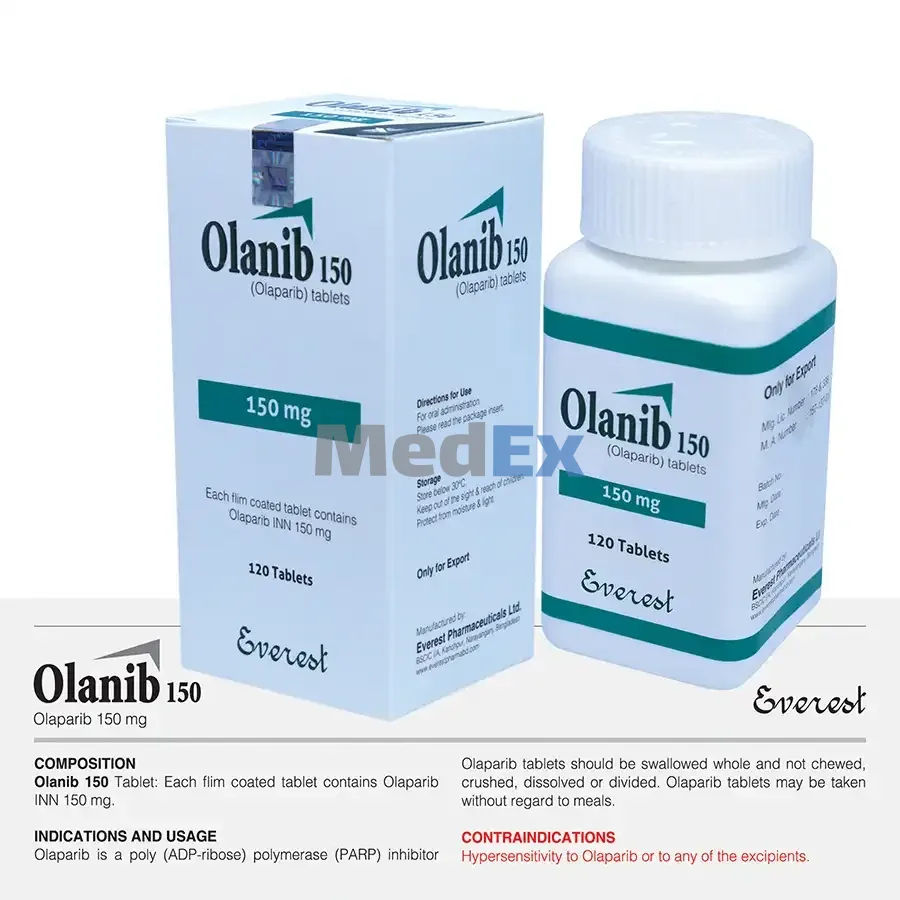
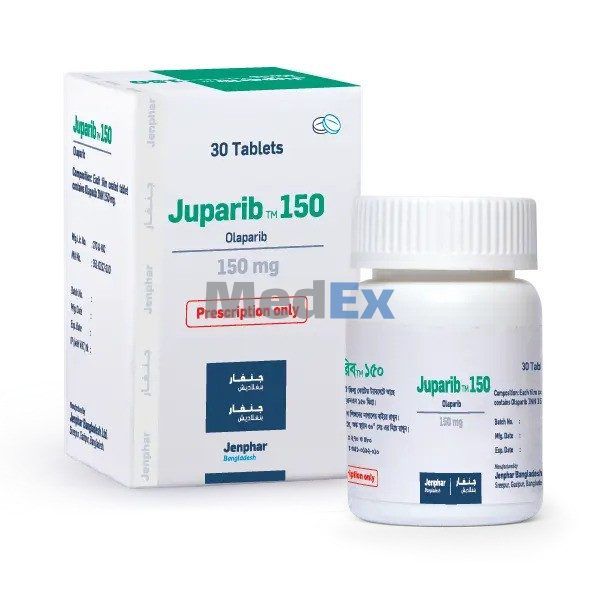
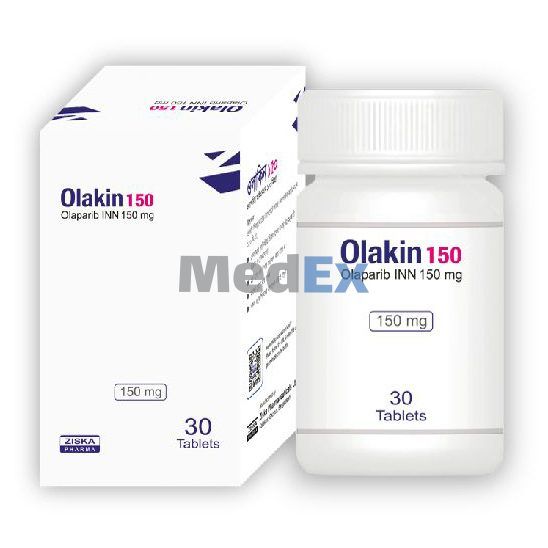
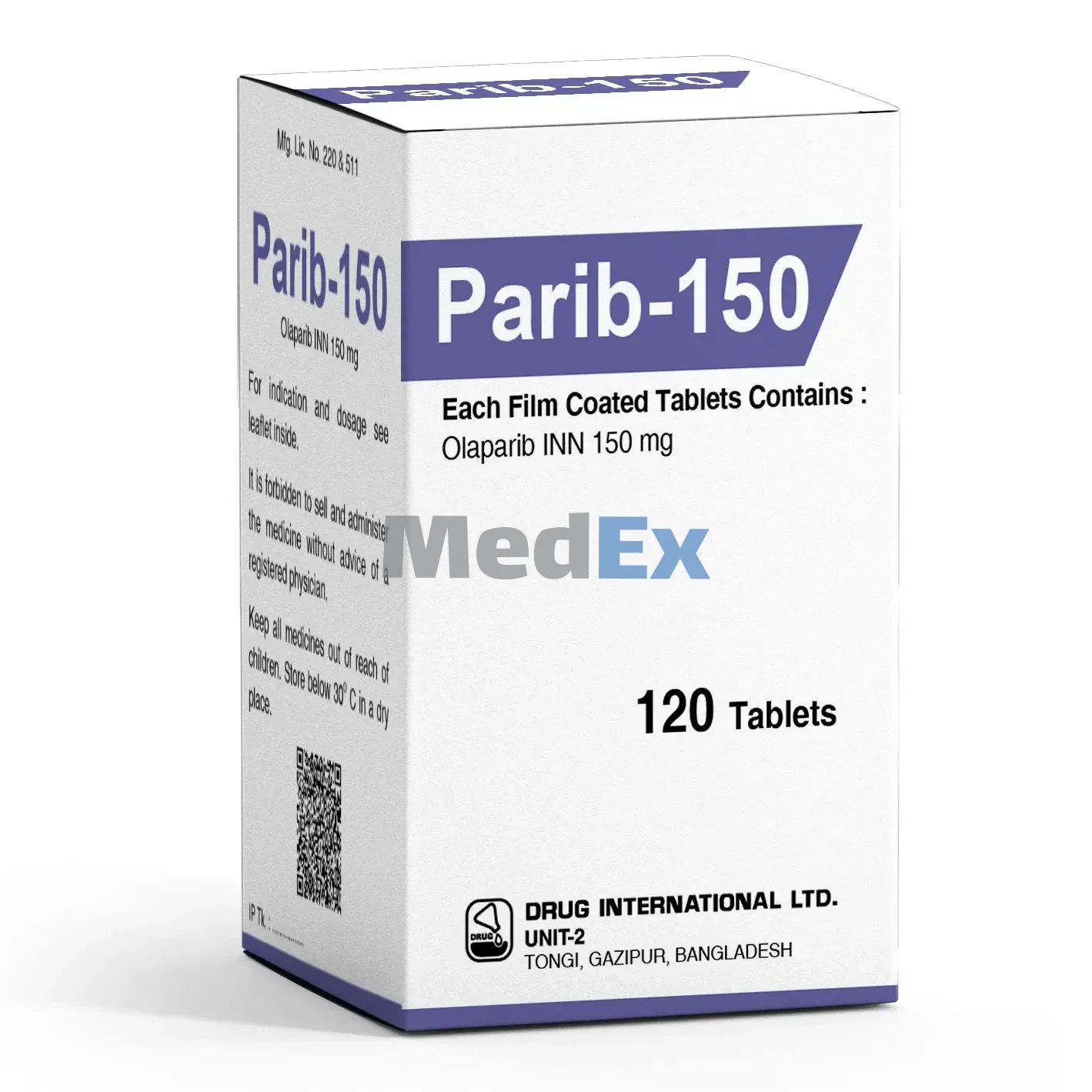
Cheaper & Alternative Brands
Same generic (Olaparib), same form (Tablet)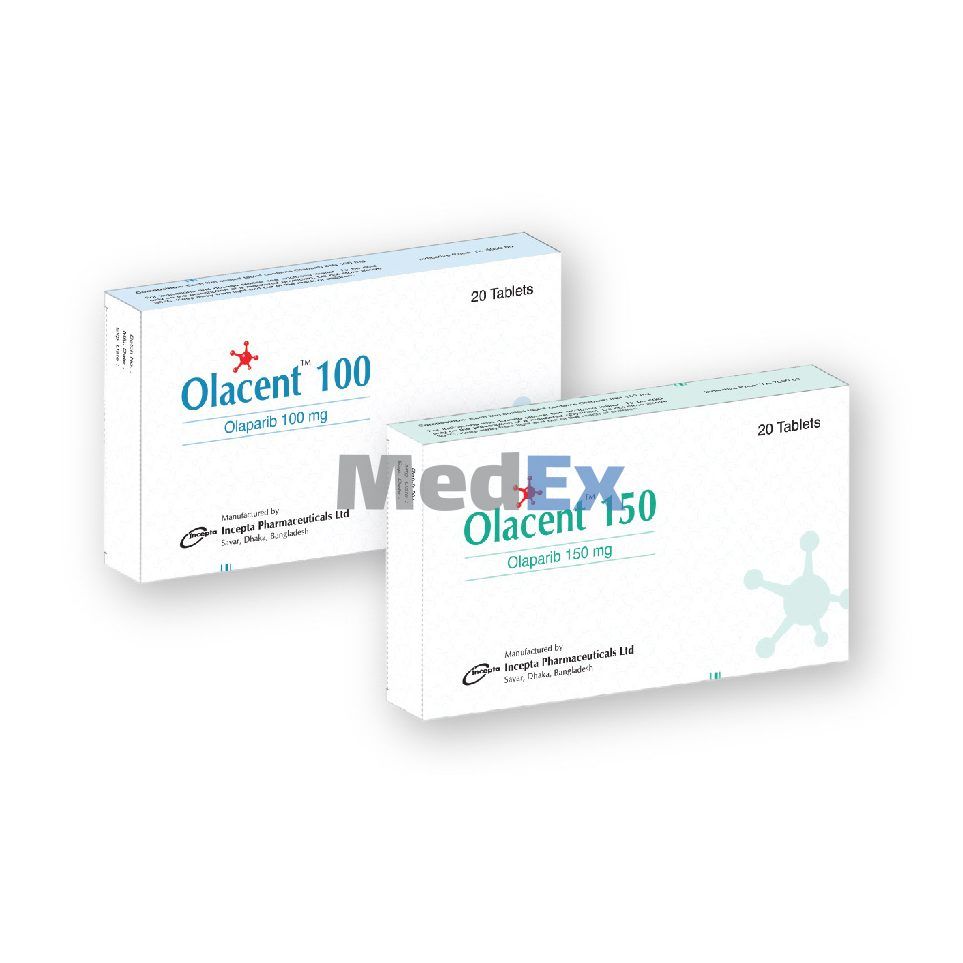

Clinical Prescribing Information
Medical monograph and safety information for healthcare professionals & patients.Indications & Clinical Uses
Breast Cancer
: Inpoza is indicated as monotherapy for the treatment of adult patients with deleterious or suspected deleterious germline BRCA-mutated (gBRCAm), human epidermal growth factor receptor 2 (HER2)-negative metastatic breast cancer who have previously been treated with chemotherapy
... Read more
Breast Cancer
: Inpoza is indicated as monotherapy for the treatment of adult patients with deleterious or suspected deleterious germline BRCA-mutated (gBRCAm), human epidermal growth factor receptor 2 (HER2)-negative metastatic breast cancer who have previously been treated with chemotherapy in the neoadjuvant, adjuvant or metastatic setting. Patients with hormone receptor (HR)-positive breast cancer should have progressed on or be considered inappropriate for endocrine therapy. Germline BRCA mutation must be confirmed before Inpoza treatment is initiated.
Ovarian Cancer
: Inpoza is indicated as monotherapy for the maintenance treatment of adult patients with platinum sensitive relapsed (PSR) high-grade epithelial ovarian, fallopian tube or primary peritoneal cancer who are in response (complete response or partial response) to platinumbased chemotherapy.
Dosage & Administration
Important Dosage Information
: DO NOT substitute Olaparib capsules (50 mg) with Olaparib tablets (100 mg and 150 mg) on a milligram-to-milligram basis due to differences in the dosing and bioavailability of each formulation.
Recommended Dosing
: The recommended dose of Olaparib is 400 mg (eight 50 mg capsules) taken orally twice daily with or without food, for a total daily dose of 800 mg. Continue treatment until disease progression or unacceptable toxicity. If a patient misses a dose of Olaparib, instruct patients to take their next dose at its scheduled time. Swallow capsule whole. Do not chew, dissolve, or open capsule. Do not take capsules which appear deformed or show evidence of leakage.
Dosage Modifications for Adverse Reactions
: To manage adverse reactions, consider interruption of treatment or dose reduction. The recommended dose reduction is 200 mg (four 50 mg capsules) taken twice daily, for a total daily dose of 400 mg. If a further dose reduction is required, then reduce to 100 mg (two 50 mg capsules) taken twice daily, for a total daily dose of 200 mg.
Dose Modifications for Use with CYP3A Inhibitors
: Avoid concomitant use of strong and moderate CYP3A inhibitors and consider alternative agents with less CYP3A inhibition. If the inhibitor cannot be avoided, reduce the Olaparib dose to 150 mg (three 50 mg capsules) taken twice daily for a strong CYP3A inhibitor or 200 mg (four 50 mg capsules) taken twice daily for a moderate CYP3A inhibitor.
Dose Modifications for Patients with Renal Impairment
: Patients with mild renal impairment (ClCr 51-80 mL/min as estimated by Cockcroft-Gault equation) do not require an adjustment in Olaparib dosing. In patients with moderate renal impairment (ClCr 31-50 mL/min) the recommended dose reduction is to 300 mg (six 50 mg capsules) twice daily, for a total daily dose of 600 mg. The pharmacokinetics of Olaparib have not been evaluated in patients with severe renal impairment or end-stage renal disease (ClCr ≤30 mL/min). Or as directed by the registered physician.
Pediatric Use
: The safety and efficacy of Olaparib has not been established in pediatric patients.
Contraindications
Olaparib is contraindicated in patients who are hypersensitive to this drug or to any ingredient in the formulation.
Side Effects & Adverse Reactions
The most common serious adverse reaction reported was anemia (2.4% Inpoza vs 2.2% chemotherapy). The following serious ADRs were reported in one patient each: dermatitis allergic, neutrophil count decreased and platelet count decreased. The proportion of patients who permanently discontinued Inpoza due to adverse events was 4.9% in the Inpoza arm compared with 7.7% in the chemotherapy arm. Anemia and platelet count decrease were the only adverse reactions leading to discontinuation of Inpoza in more than one patient.
Warnings & Precautions
Myelodysplastic Syndrome/Acute Myeloid Leukemia
: Overall, the incidence of Myelodysplastic Syndrome/Acute Myeloid Leukemia (MDS/AML) in patients treated with Inpoza monotherapy in clinical trials, including long-term follow up, was <1.5% (21/1680) and the majority of events had a fatal outcome. Of these, 19/21 patients had a documented BRCA mutation, 1 patient had gBRCA wildtype and in 1 patient the BRCA mutation status was unknown. Additional cases of MDS/AML have been documented in patients treated with Inpoza in combination studies. The duration of therapy with Inpoza in patients who developed secondary MDS/cancer-therapy related AML varied from < 6 months to > 2 years. All of these patients had received previous chemotherapy with platinum agents and/or other DNA damaging agents including radiotherapy. Some of these patients also had a history of previous cancer or bone marrow dysplasia. Do not start Inpoza until patients have recovered from hematological toxicity caused by previous chemotherapy (≤ Grade 1). Monitor complete blood count for cytopenia at baseline and monthly thereafter for clinically significant changes during treatment. For prolonged hematological toxicities, interrupt Inpoza and monitor blood counts weekly until recovery. If the levels have not recovered to Grade 1 or less after 4 weeks, refer the patient to a hematologist for further investigations, including bone marrow analysis and blood sample for cytogenetics. If MDS/AML is confirmed, discontinue Inpoza.
Pneumonitis
: Pneumonitis, including fatal cases, occurred in <1% of patients treated with Inpoza. If patients present with new or worsening respiratory symptoms such as dyspnea, cough and fever, or a radiological abnormality occurs, interrupt Inpoza treatment and promptly assess the source of symptoms. If pneumonitis is confirmed, discontinue Inpoza treatment and treat the patient appropriately.
Pharmacology & Mechanism of Action
Olaparib is an inhibitor of poly (ADP-ribose) polymerase (PARP) enzymes, including PARP1, PARP2, and PARP3. PARP enzymes are involved in normal cellular homeostasis, such as DNA transcription, cell cycle regulation, and DNA repair. Olaparib has been shown to inhibit growth of select tumor cell lines in vitro and decrease tumor growth in mouse xenograft models of human cancer both as monotherapy or following platinum-based chemotherapy. Increased cytotoxicity and anti-tumor activity following treatment with olaparib were noted in cell lines and mouse tumor models with deficiencies in BRCA. In vitro studies have shown that olaparib-induced cytotoxicity may involve inhibition of PARP enzymatic activity and increased formation of PARP-DNA complex, resulting in disruption of cellular homeostasis and cell death.
Absorption
: Following oral administration of Olaparib via the capsule formulation, absorption is rapid with peak plasma concentrations typically achieved between 1 to 3 hours after dosing. On multiple dosing there is no marked accumulation (accumulation ratio of 1.4-1.5 for twice daily dosing), with steady state exposures achieved within 3 to 4 days. Limited data suggest that the systemic exposure (AUC) of Olaparib increases less than proportionally with dose over the dose range of 100 to 400 mg, but the PK data were variable across trials. Co-administration with a high fat meal slowed the rate (Tmax delayed by 2 hours) of absorption, but did not significantly alter the extent of Olaparib absorption (mean AUC increased by approximately 20%).
Distribution
: Olaparib had a mean (± standard deviation) apparent volume of distribution at steady state of 167 ± 196 L after a single 400 mg dose of Olaparib. The in vitro protein binding of Olaparib is approximately 82%.
Metabolism
: In vitro, CYP3A4/5 were shown to be the enzymes primarily responsible for the metabolism of Olaparib. Following oral dosing of 14C-Olaparib to female patients, unchanged Olaparib accounted for the majority of the circulating radioactivity in plasma (70%). It was extensively metabolized with unchanged drug accounting for 15% and 6% of radioactivity in urine and feces, respectively. The majority of the metabolism is attributable to oxidation reactions with a number of the components produced undergoing subsequent glucuronide or sulfate conjugation.
Excretion
: A mean (± standard deviation) terminal plasma half-life of 11.9 ± 4.8 hours and apparent plasma clearance of 8.6 ± 7.1 L/h were observed after a single 400 mg dose of Olaparib. Following a single dose of 14C-Olaparib, 86% of the dosed radioactivity was recovered within a 7-day collection period, 44% via the urine and 42% via the feces. The majority of the material was excreted as metabolites.