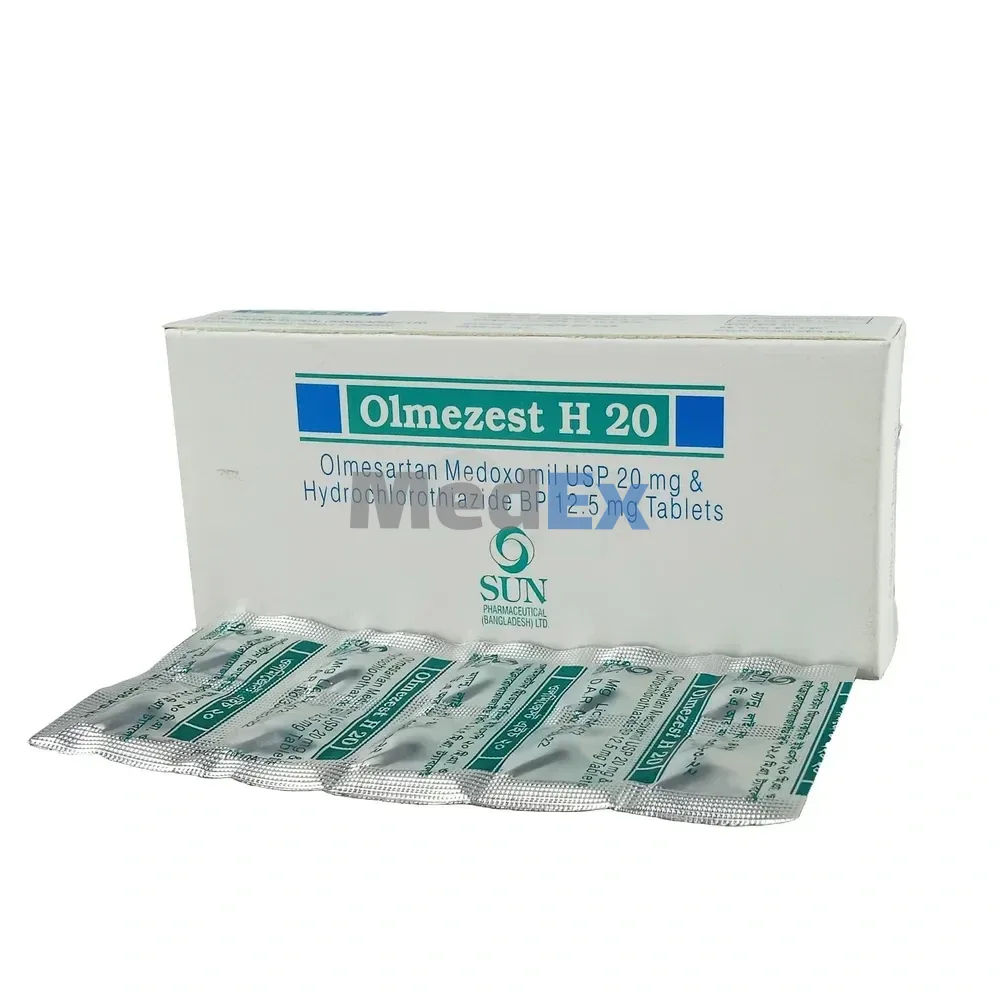
Olmezest H
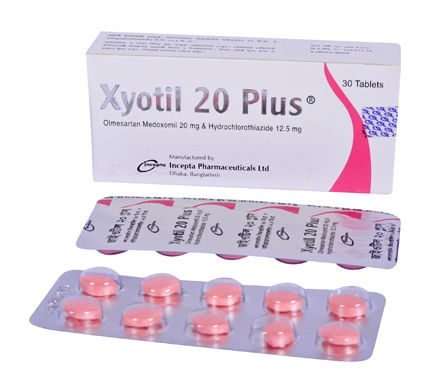
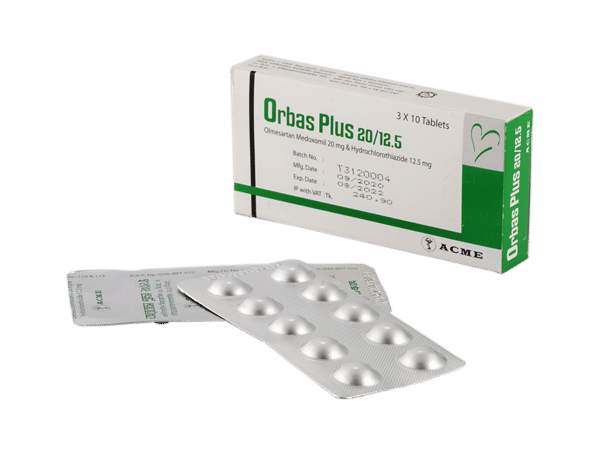
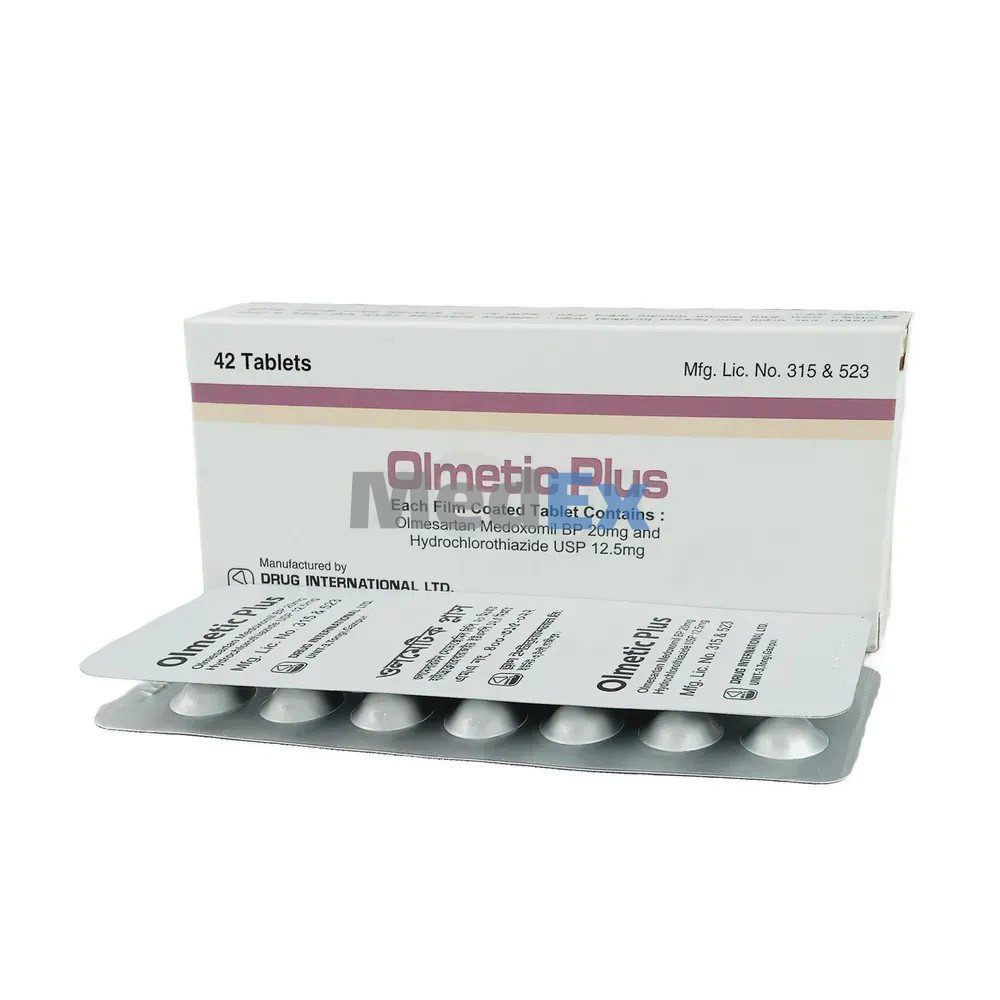
Cheaper & Alternative Brands
Same generic (Olmesartan Medoxomil + Hydrochlorothiazide), same form (Tablet)
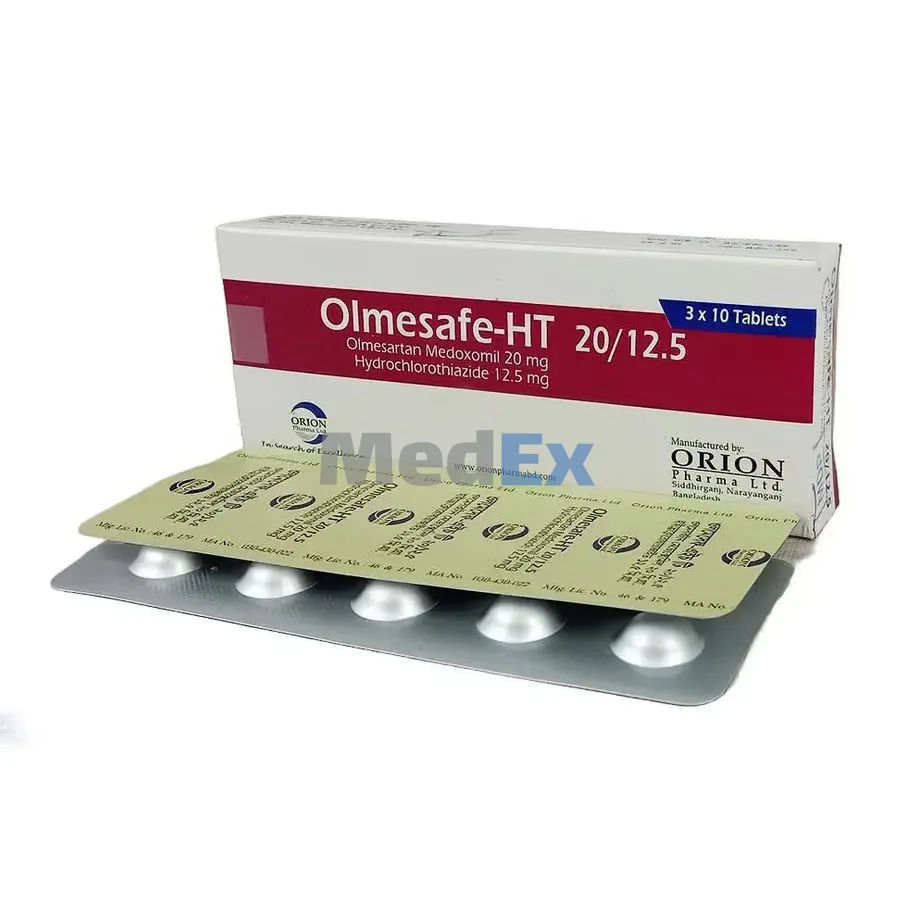
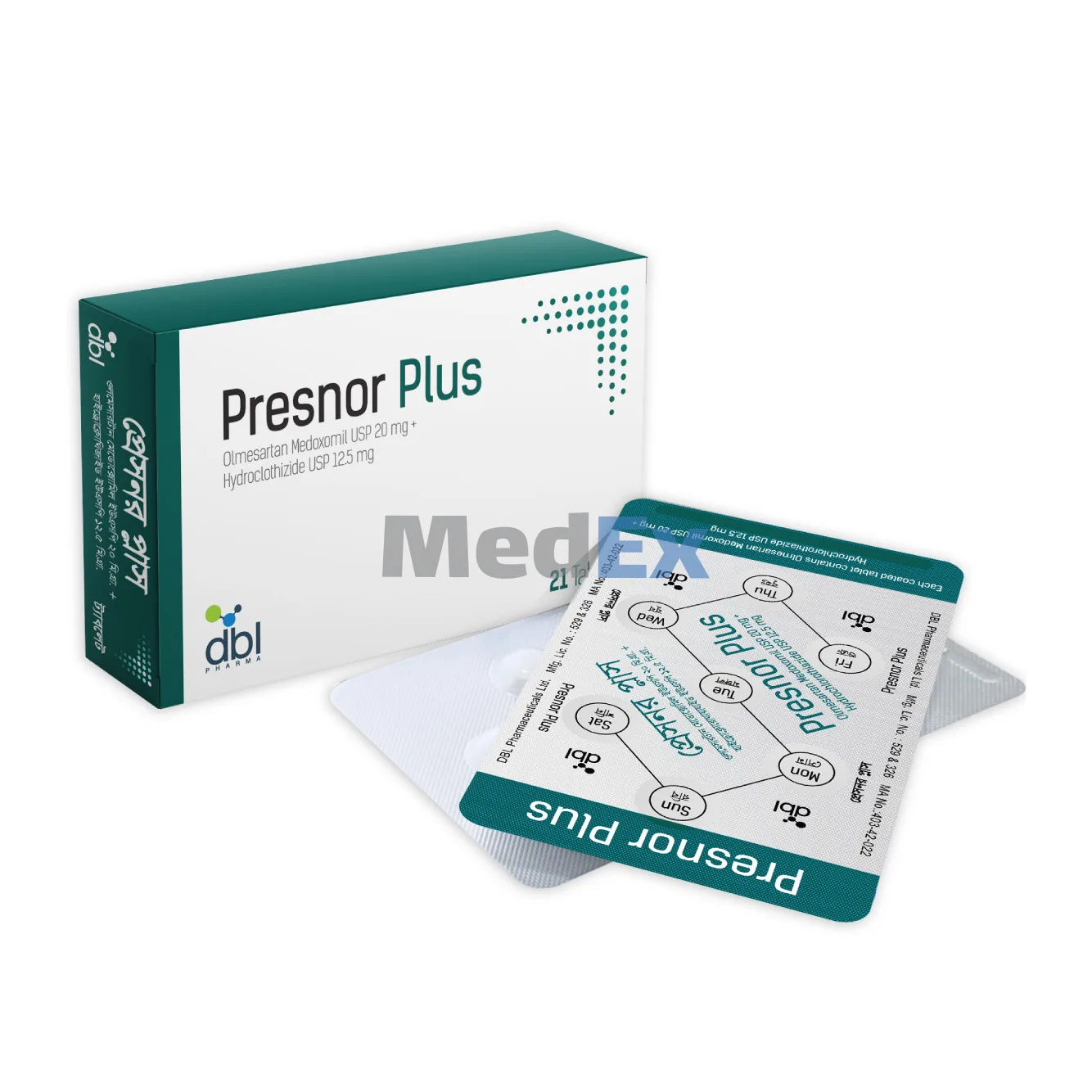

Clinical Prescribing Information
Medical monograph and safety information for healthcare professionals & patients.Indications & Clinical Uses
Abetis Plus tablet is indicated for the treatment of hypertension.
Dosage & Administration
Hypertension
: The usual starting dose is 20/12.5 mg one tablet once daily. Dosing should be individualized. Depending on the blood pressure response, the dose may be titrated at intervals of 2-4 weeks to two tablets 40/25 once daily.
Contraindications
The combination of Olmesartan and Hydrochlorothiazide is contraindicated in patients who are hypersensitive to any component of this product. Because of the Hydrochlorothiazide component, this product is contraindicated in patients with anuria or hypersensitivity to other sulfonamide-derived drugs.
Side Effects & Adverse Reactions
The common side-effects are nausea, headache, dizziness, hyperuricemia, upper respiratory tract infection and urinary tract infection. Other adverse effects are chest pain, back pain, peripheral edema, abdominal pain, dyspepsia, gastroenteritis, diarrhea.
Warnings & Precautions
Periodic determination of serum electrolytes should be performed at appropriate intervals to detect possible electrolyte imbalance like hypokalemia, hyponatremia and hypochloremic alkalosis.
Hyperuricemia may occur in certain patients receiving thiazide therapy.
Impaired renal function.
Pharmacology & Mechanism of Action
Angiotensin-II formed from angiotensin-I in a reaction catalyzed by angiotensin-converting enzyme (ACE), is a potent vasoconstrictor, the primary vasoactive hormone of the renin-angiotensin system and an important component in the pathophysiology of hypertension. It also stimulates aldosterone secretion by the adrenal cortex. Olmesartan blocks the vasoconstrictor and aldosterone-secreting effects of angiotensin-II by selectively blocking the binding of angiotensin-II to the AT 1 receptor found in many tissues (e.g. vascular smooth muscle, adrenal gland). In-vitro-binding studies indicate that Olmesartan is a reversible & competitive inhibitor of AT 1 receptor. Olmesartan does not inhibit ACE (kinase-I, the enzyme that converts angiotensin-I to angiotensin-II and degrades bradykinin).
Hydrochlorothiazide is a thiazide diuretic. Thiazides affect the renal tubular mechanisms of electrolyte reabsorption, directly increasing the excretion of Sodium and Chloride in approximately equivalent amounts. Indirectly, the diuretic action of Hydrochlorothiazide reduces plasma volume with consequent increases in plasma renin activity, increases Aldosterone secretion & urinary Potassium loss and decreases serum Potassium. The renin-aldosterone link is mediated by angiotensin-II. So, co-administration of an angiotensin-II receptor antagonist tends to reverse the potassium loss associated with these diuretics.