Ocluma B
Cheaper & Alternative Brands
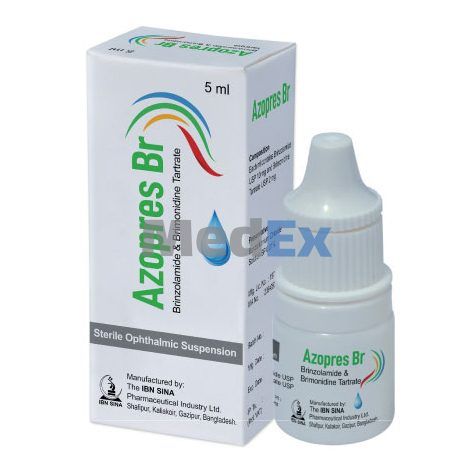
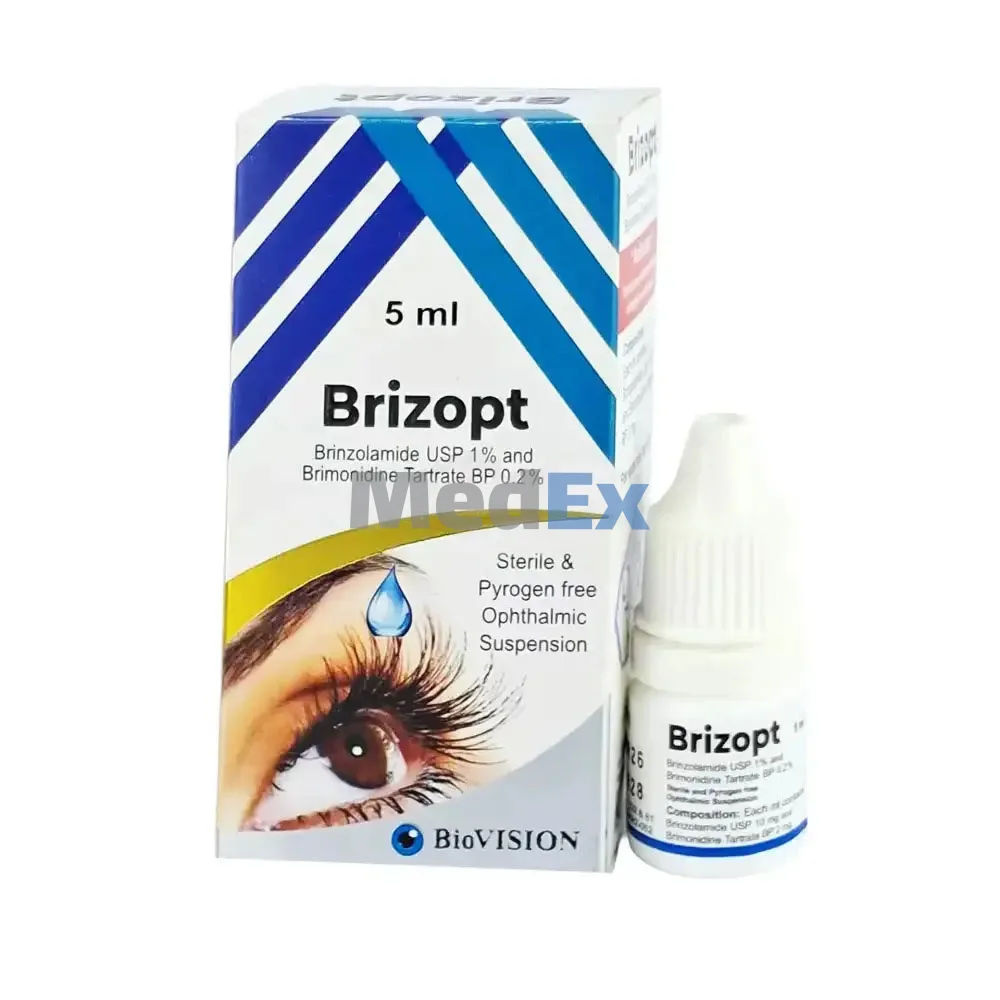
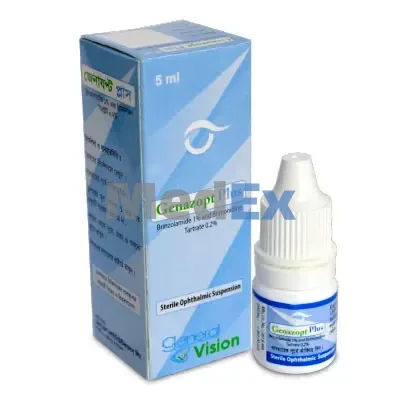
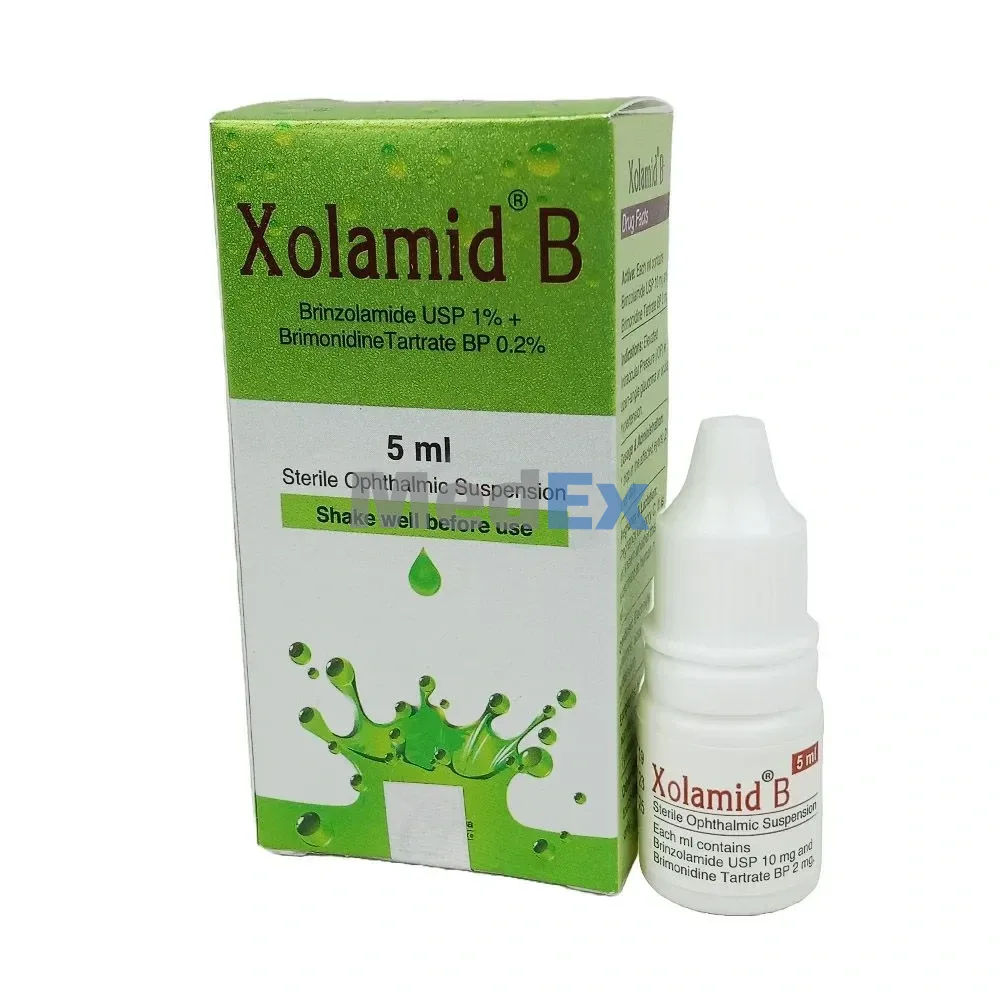
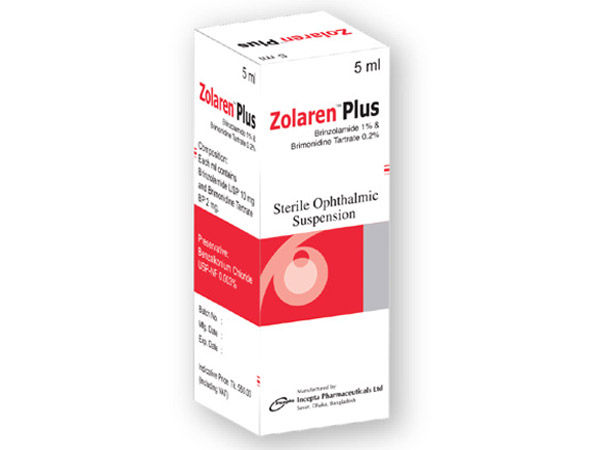
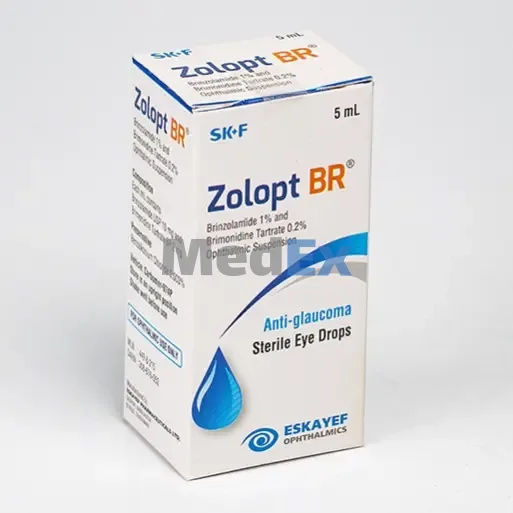
Same generic (Brinzolamide + Brimonidine Tartrate), same form (Ophthalmic Suspension)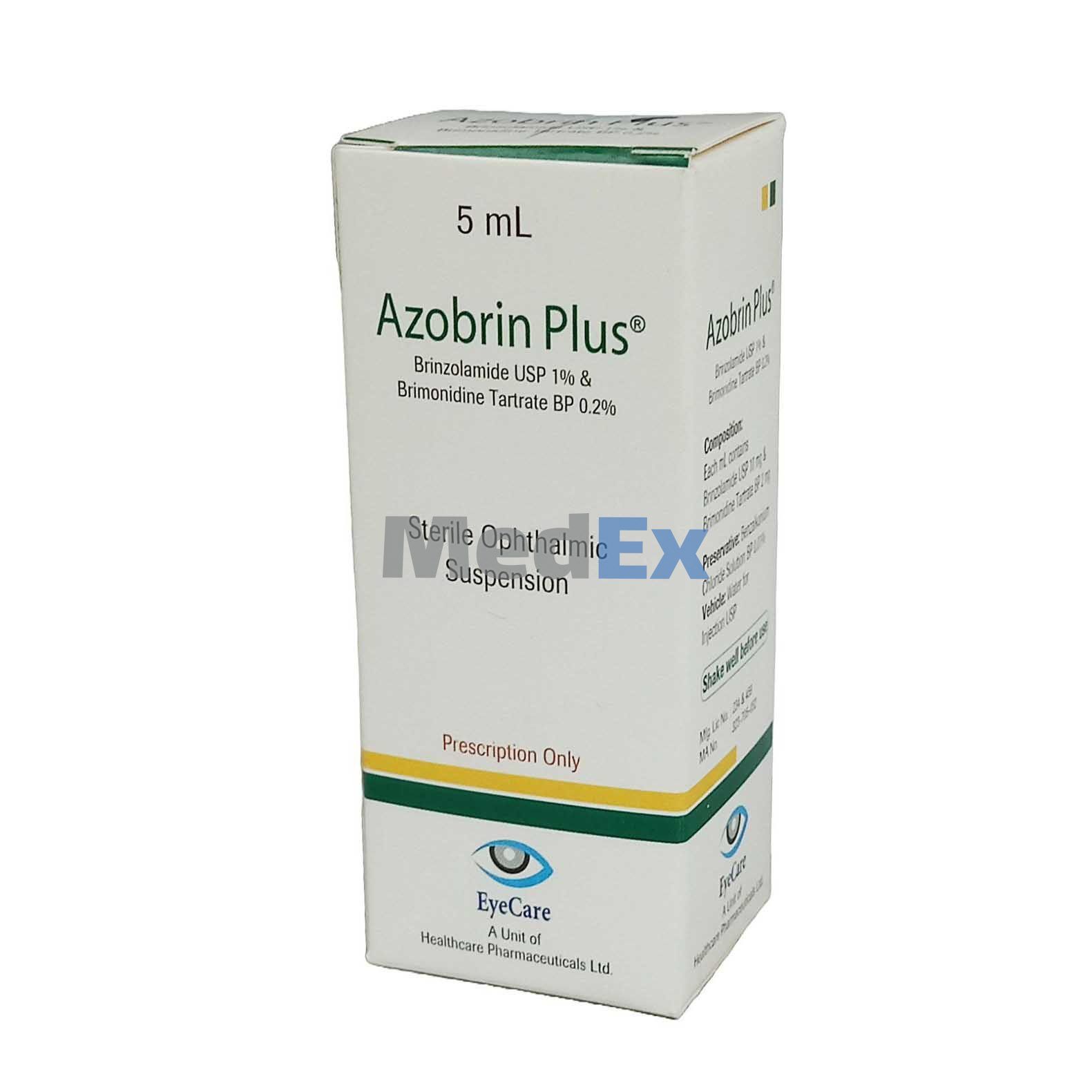
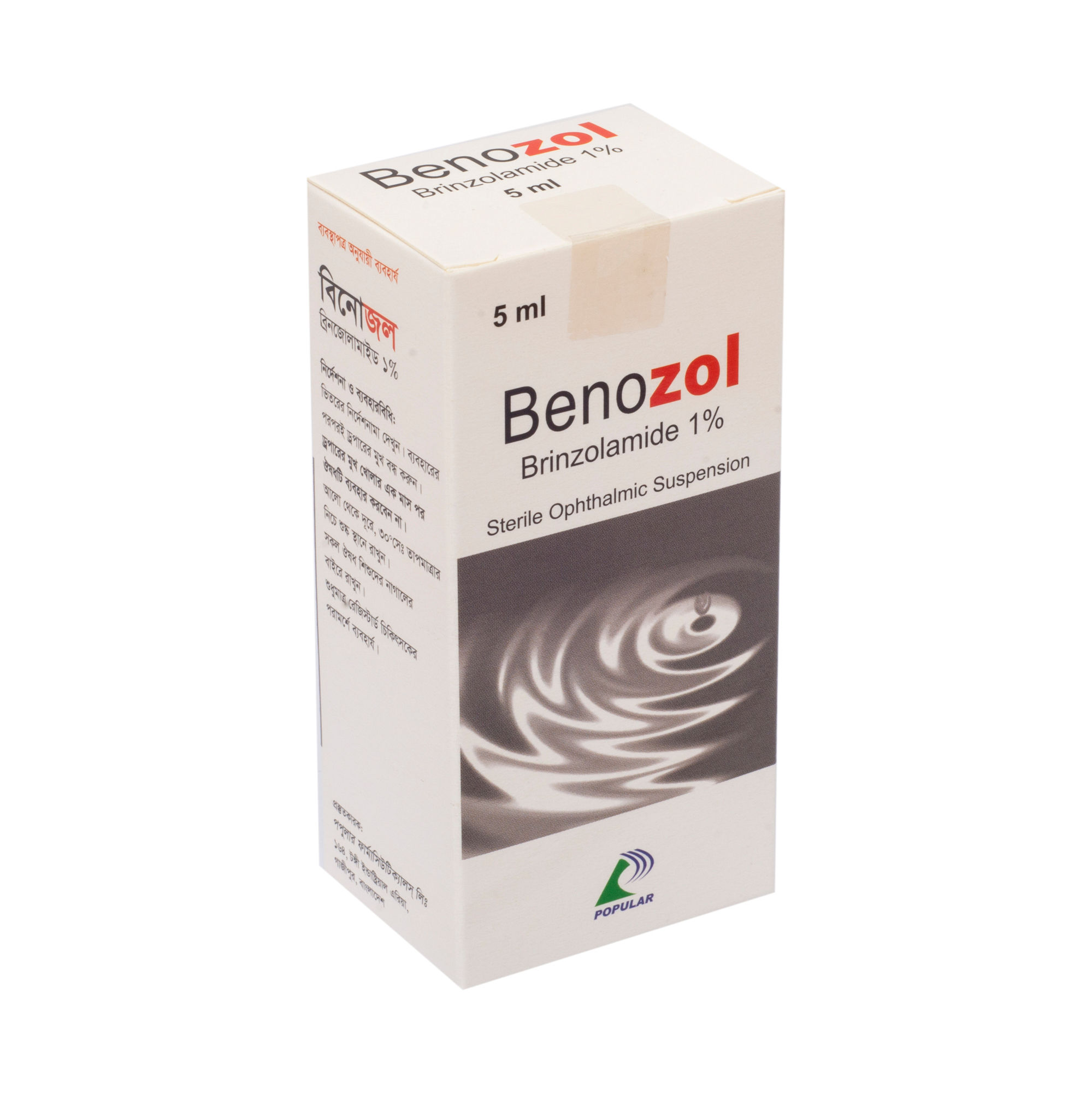
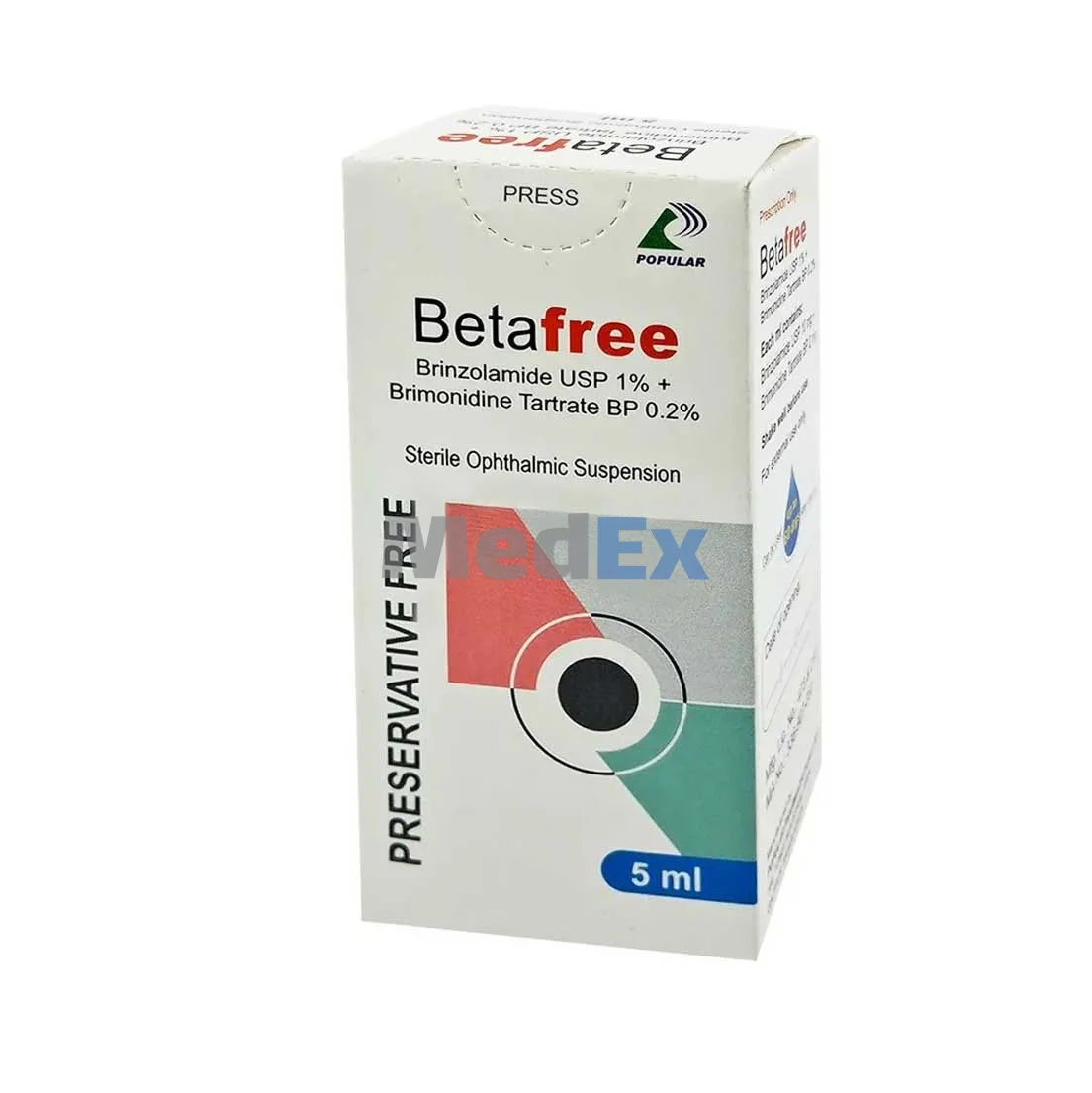
Clinical Prescribing Information
Medical monograph and safety information for healthcare professionals & patients.Indications & Clinical Uses
Azobrin Plus ophthalmic suspension is a fixed combination of a carbonic anhydrase inhibitor and an alpha 2 adrenergic receptor agonist indicated for the reduction of elevated intraocular pressure in patients with open-angle glaucoma or ocular hypertension.
Dosage & Administration
Shake well before use. Instill one drop in the affected eye(s) three times daily. If more than one topical ophthalmic drug is being used, the drugs should be administered at least five (5) minutes apart.
Contraindications
It is contraindicated in patients who are hypersensitivity to Brinzolamide, Brimonidine Tartrate, or to any ingredient in the formulation and Neonates and Infants (under the age of 2 years).
Side Effects & Adverse Reactions
The most frequently reported adverse reactions in patients treated with Benozol BR occurring in approximately 3 to 5% of patients were blurred vision, eye irritation, dysgeusia (bad taste), dry mouth, and eye allergy. Other adverse reactions that have been reported with the individual components during clinical trials are listed below.
Brinzolamide 1%
: The most frequently reported adverse reactions reported with Brinzolamide in 5 to 10% of patients were blurred vision and bitter, sour or unusual taste. Adverse reactions occurring in 1 to 5% of patients were blepharitis, dermatitis, dry eye, foreign body sensation, headache, hyperemia, ocular discharge, ocular discomfort, ocular keratitis, ocular pain, ocular pruritus and rhinitis.
Brimonidine Tartrate 0.2%
: Adverse reactions occurring with Brimonidine Tartrate in approximately 10 to
30% of the subjects, in descending order of incidence, included oral dryness, ocular hyperemia, burning and stinging, headache, blurring, foreign body sensation, fatigue/drowsiness, conjunctival follicles, ocular allergic reactions, and ocular pruritus.
Warnings & Precautions
Benozol BR contains Brinzolamide, a sulfonamide, and although administered topically is absorbed systemically. Therefore, the same types of adverse reactions that are attributable to sulfonamides may occur with topical administration of Benozol BR. Fatalities have occurred due to severe reactions to sulfonamides including Stevens-Johnson syndrome, toxic epidermal necrolysis, fulminant hepatic necrosis, agranulocytosis, aplastic anemia, and other blood dyscrasias. Brimonidine Tartrate also may potentiate syndromes associated with vascular insufficiency. Benozol BR should be used with caution in patients with depression, cerebral or coronary insufficiency, Raynaud's phenomenon, orthostatic hypotension, or thromboangitis obliterans. anemia, and other blood dyscrasias. Brinzolamide and its metabolite are excreted predominantly by the kidney, Benozol BR is not recommended in renal impairment patients. The preservative in Benozol BR, benzalkonium chloride, may be absorbed by soft contact lenses. Contact lenses should be removed during instillation of Benozol BR but may be reinserted 15 minutes after.
Pharmacology & Mechanism of Action
Brinzolamide (carbonic anhydrase inhibitor) and Brimonidine Tartrate (alpha 2 adrenergic receptor agonist). Each of these two components decreases elevated intraocular pressure. Elevated intraocular pressure is a major risk factor in the pathogenesis of optic nerve damage and glaucomatous visual field loss. Brinzolamide inhibits carbonic anhydrase in the ciliary processes of the eye to decrease aqueous humor secretion, presumably by slowing the formation of bicarbonate ions with subsequent reduction in sodium and fluid transport. Brinzolamide has a peak ocular hypotensive effect occurring at 2 to 3 hours post-dosing.
Fluorophotometric studies in animals and humans suggest that Brimonidine Tartrate has a dual mechanism of action by reducing aqueous humor production and increasing uveoscleral outflow. Brimonidine Tartrate has a peak ocular hypotensive effect occurring at two hours post-dosing. The result is a reduction in intraocular pressure (IOP).