Nurela
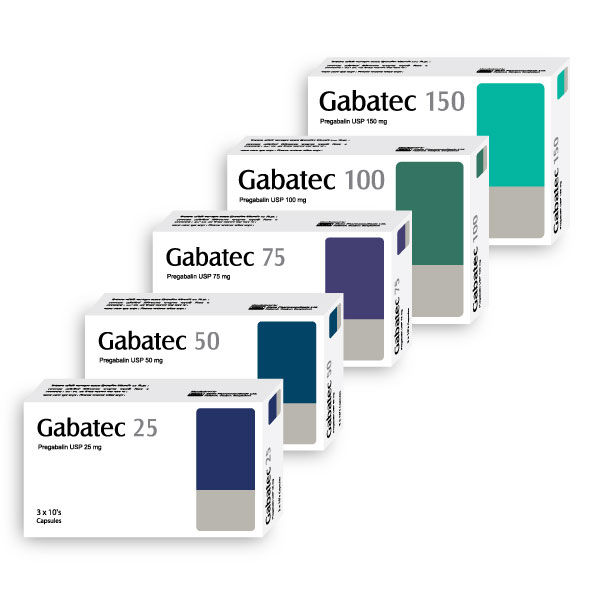
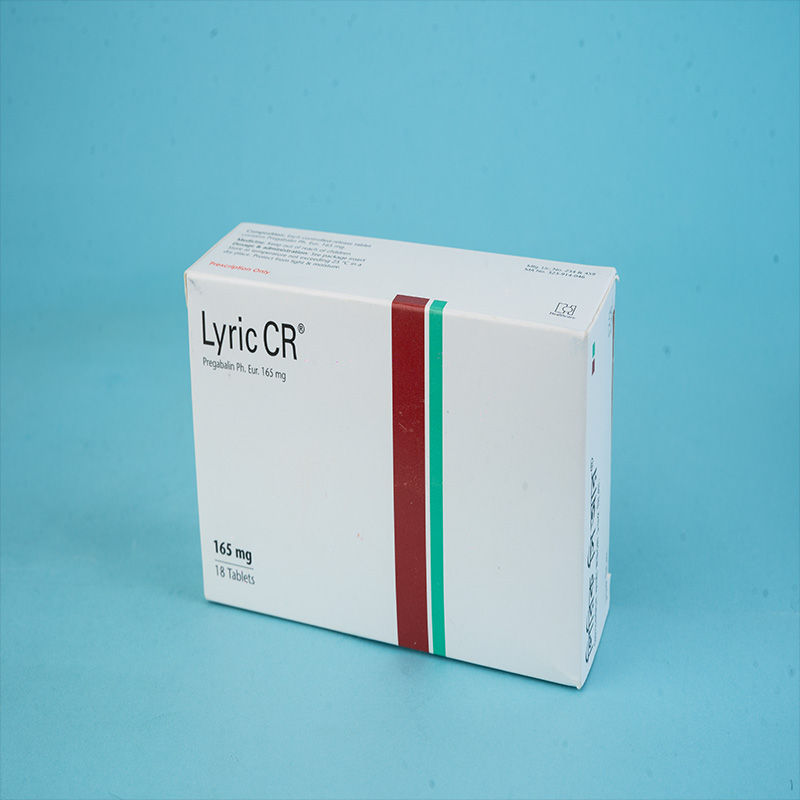
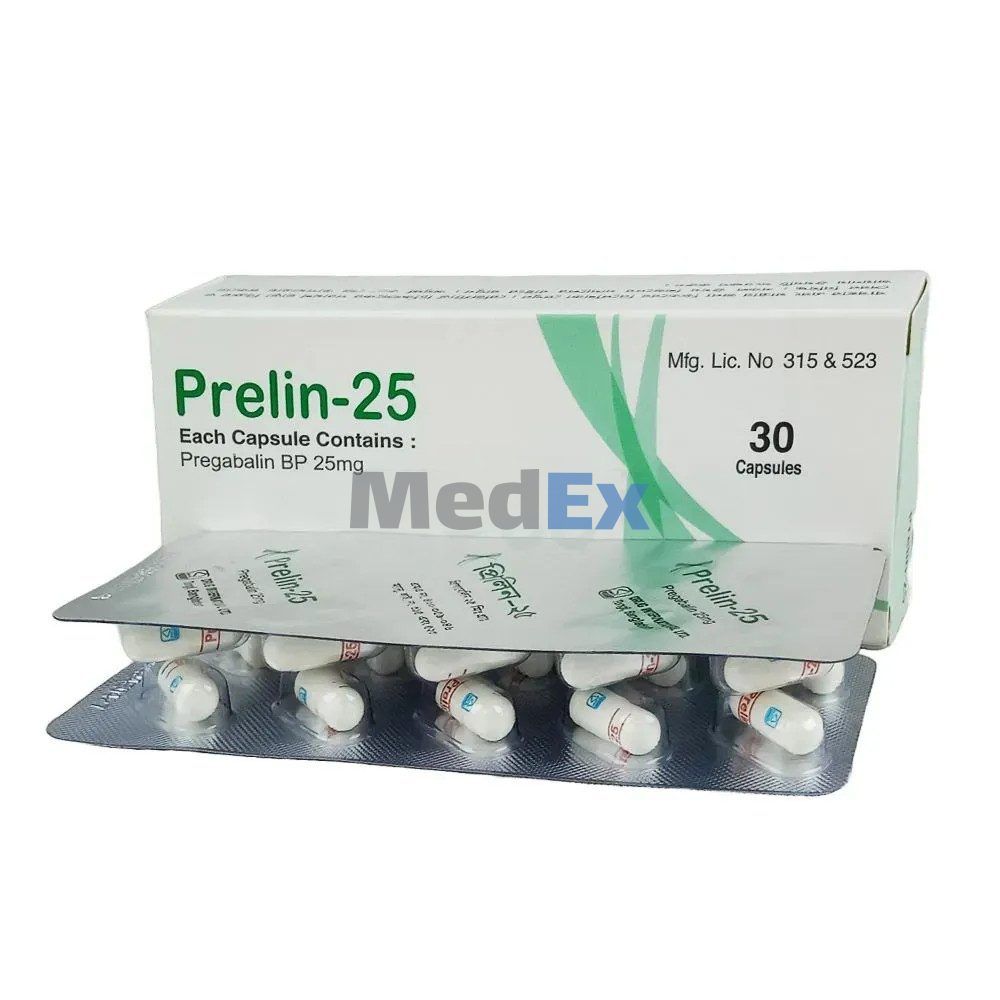
Cheaper & Alternative Brands
Same generic (Pregabalin), same form (Capsule)
Clinical Prescribing Information
Medical monograph and safety information for healthcare professionals & patients.Indications & Clinical Uses
Film-coated tablet is indicated for:
Neuropathic pain associated with diabetic peripheral neuropathy
Postherpetic neuralgia
Adjunctive therapy for the treatment of partial-onset seizures in patients 1 month of age and older
Fibromyalgia
Neuropathic pain associated with spinal cord injury
Controlled release tablet is indicated for:
Neuropathic pain associated with diabetic peripheral neuropathy
Postherpetic neuralgia
Contraindications
Pregabalin is contraindicated in patients with known hypersensitivity to Pregabalin or any of its components.
Side Effects & Adverse Reactions
Most common side effects in adults are dizziness, somnolence, dry mouth, edema, blurred vision, weight gain and thinking abnormal (primarily difficulty with concentration/attention). Most common side effects in pediatric patients for the treatment of partial onset seizures are increased weight and increased appetite.
Warnings & Precautions
Angioedema (e.g., swelling of the throat, head and neck) can occur and may be associated with life threatening respiratory compromise requiring emergency treatment. Algaba should be discontinued immediately in these cases. Algaba should also be discontinued immediately if hypersensitivity reactions (e.g., hives, dyspnea and wheezing) occur. Antiepileptic drugs, including Algaba, increase the risk of suicidal thoughts or behavior. Respiratory depression may occur with Algaba when used with concomitant CNS depressants or in the setting of underlying respiratory impairment. Patients need to be monitored and dosage adjusted as appropriate. Algaba may cause dizziness and somnolence and impair patients ability to drive or operate machinery. Increased seizure frequency or other adverse reactions may occur if Algaba is rapidly discontinued. Algaba should be withdrawn gradually over a minimum of 1 week. Algaba may cause peripheral edema. Caution should be exercised when coadministering Algaba and thiazolidinedione antidiabetic agents.
Pharmacology & Mechanism of Action
Pregabalin is a structural derivative of the inhibitory neurotransmitter gamma-aminobutyric acid (GABA). It does not bind directly to GABA
A
, GABA
B
or benzodiazepine receptors. Pregabalin binds with high affinity to the alpha2-delta site (an auxiliary subunit of voltage-gated calcium channels) in central nervous system tissues. Although the mechanism of action of Pregabalin has not been fully elucidated, results in animal studies suggest that binding to the alpha2-delta subunit may be involved in Pregabalin's anti-nociceptive and antiseizure effects.