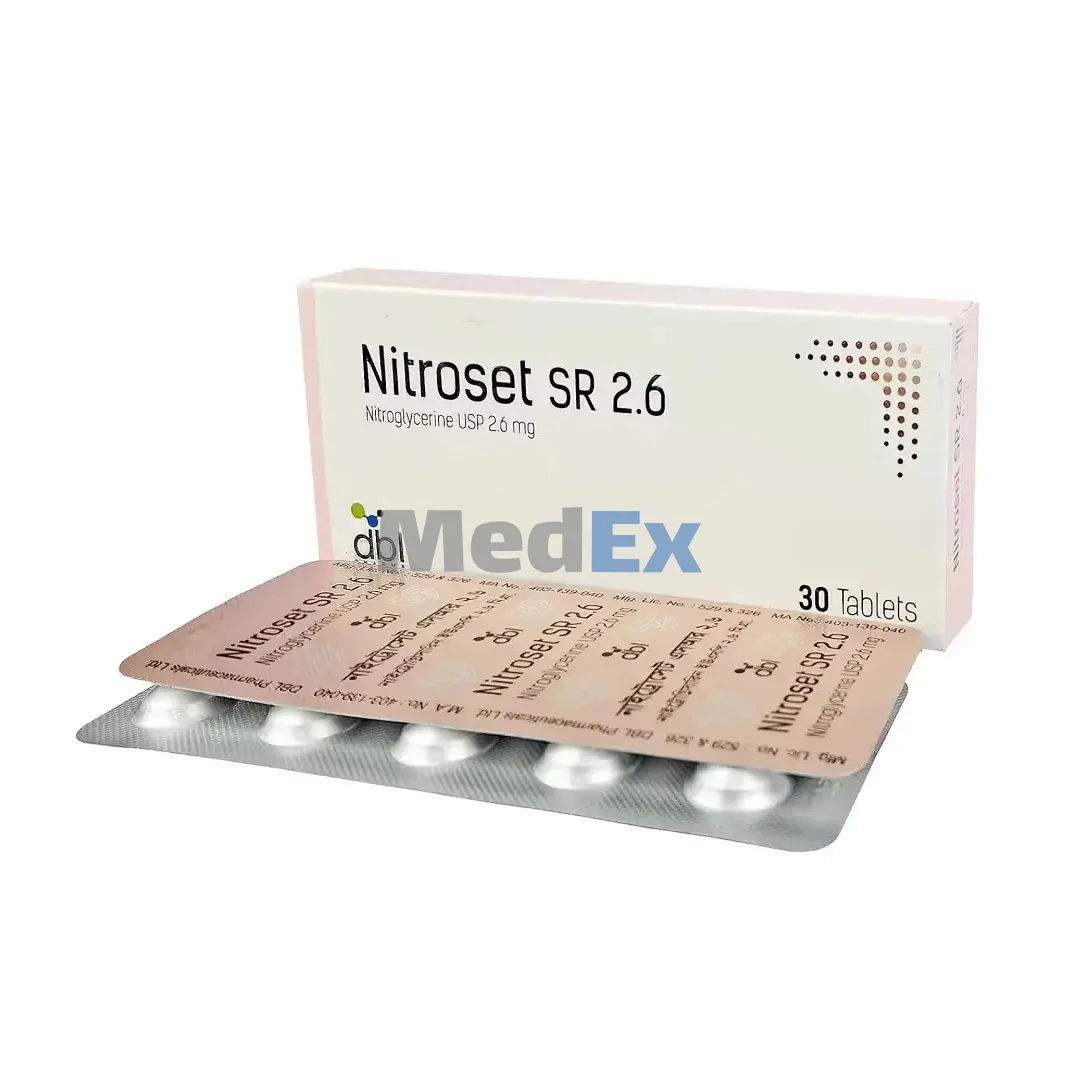
Nitroset SR
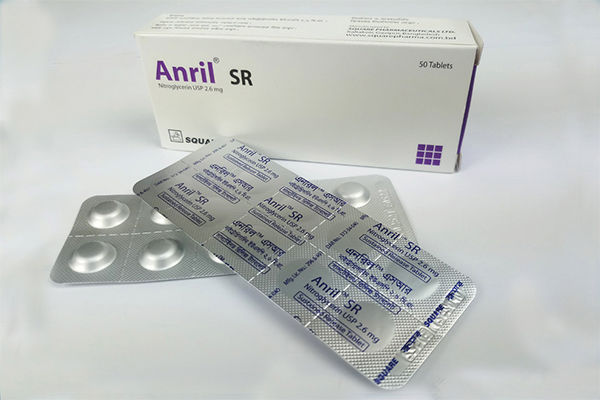
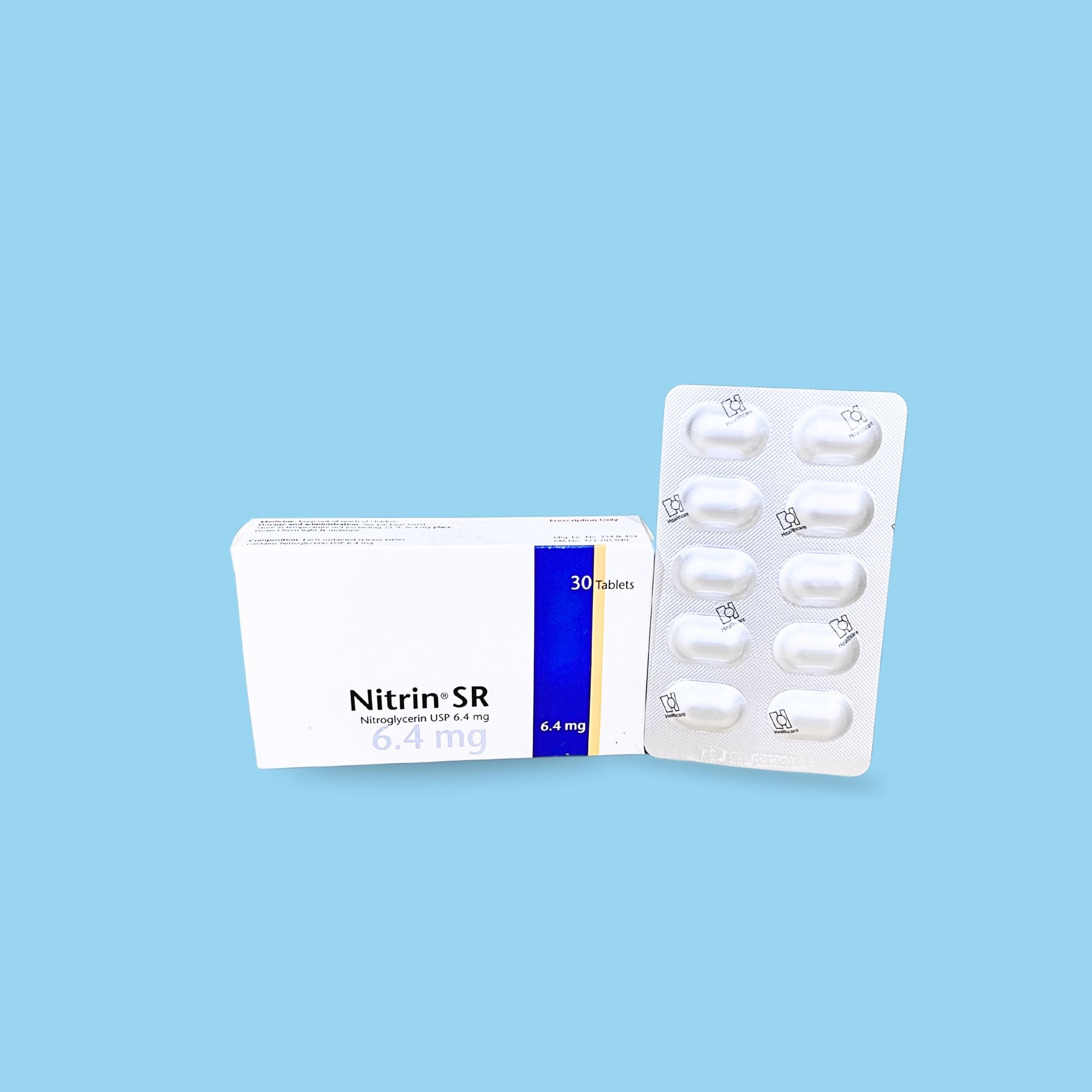
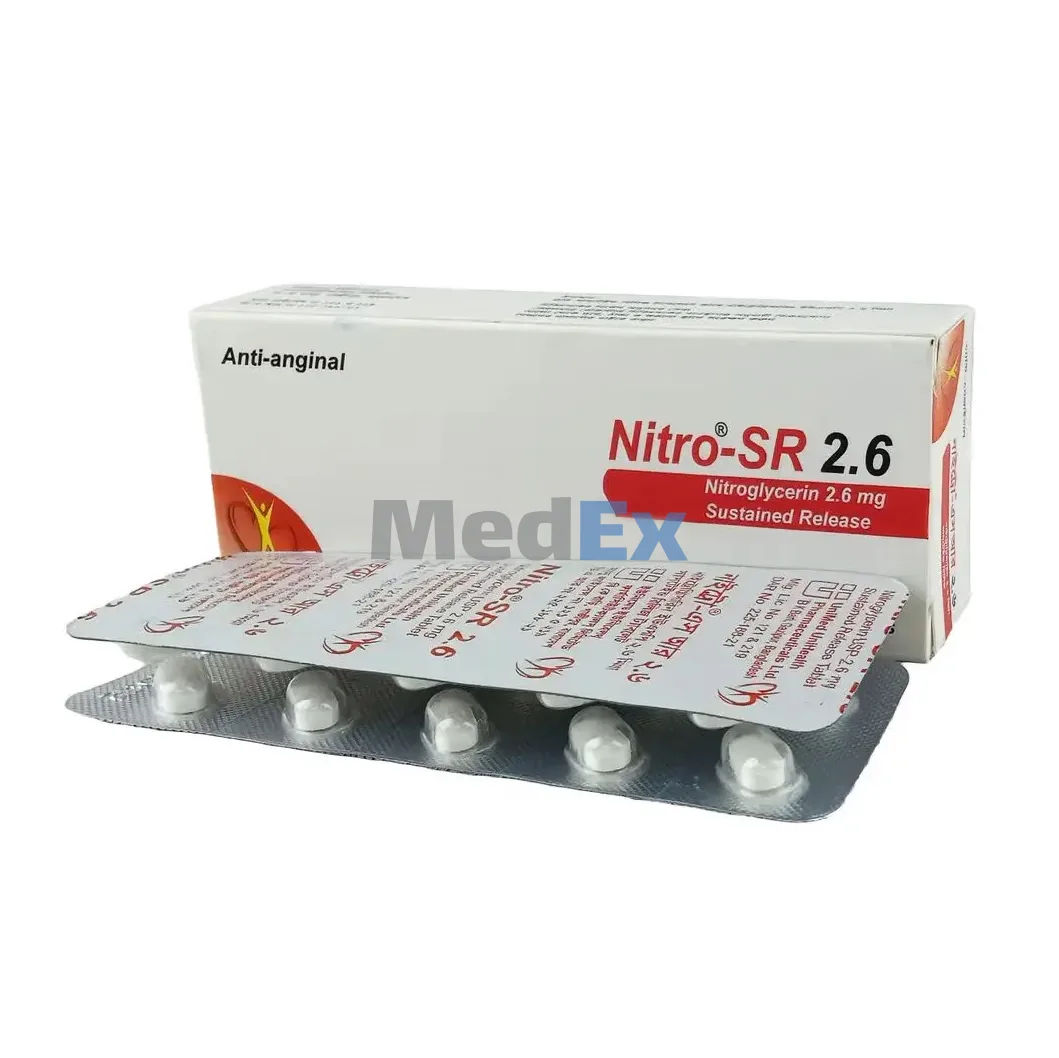
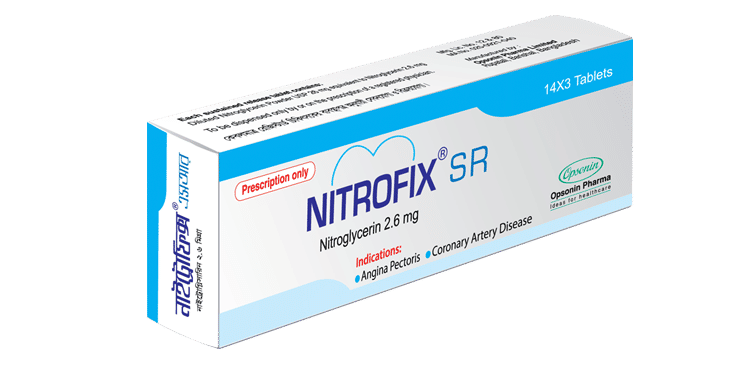
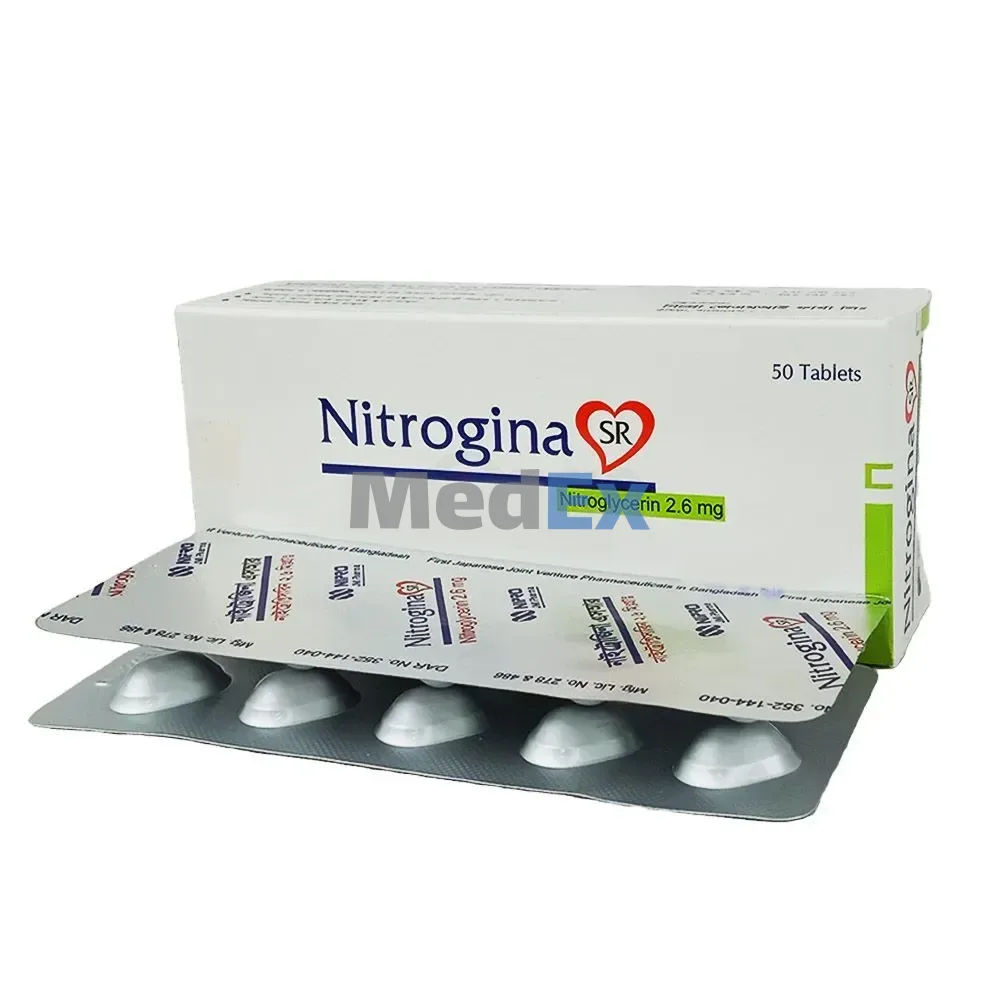
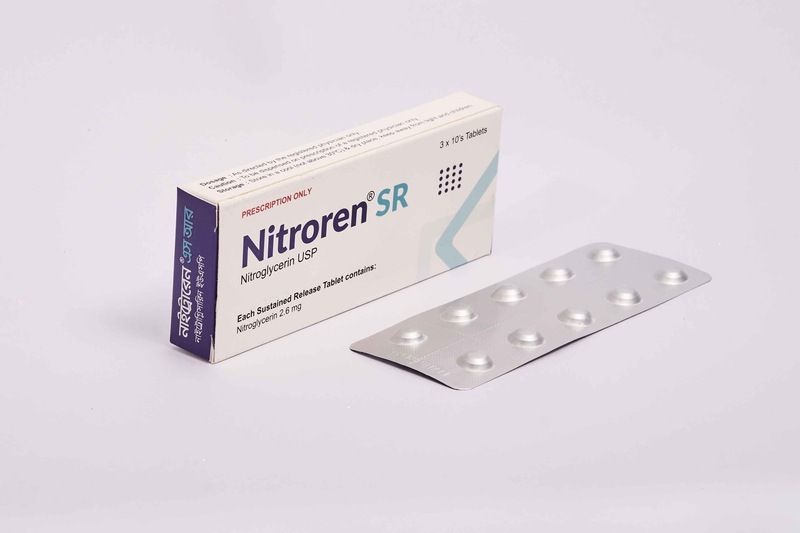
Cheaper & Alternative Brands
Same generic (Nitroglycerin), same form (Tablet (Sustained Release))

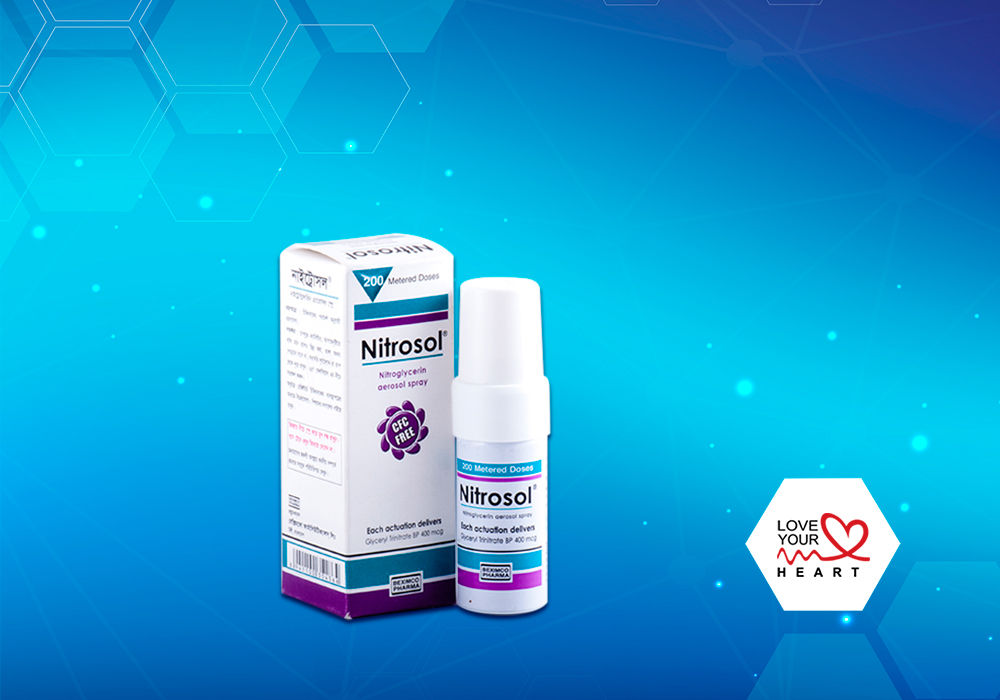
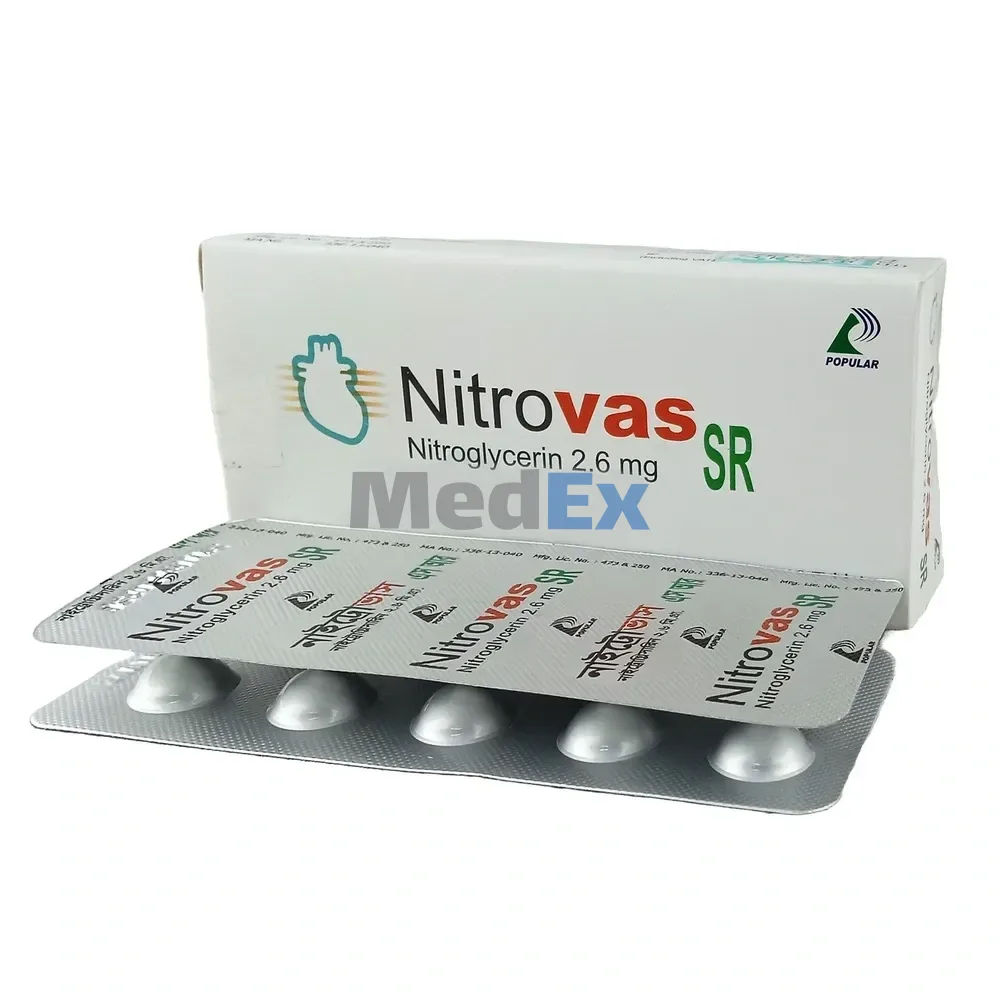
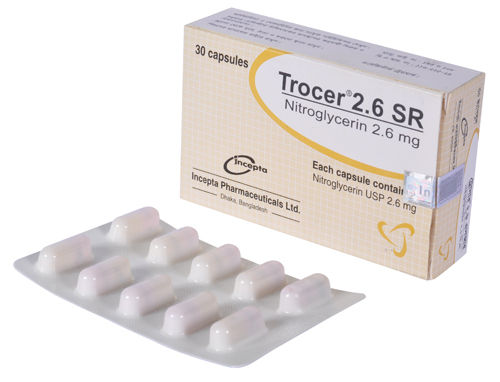
Clinical Prescribing Information
Medical monograph and safety information for healthcare professionals & patients.Indications & Clinical Uses
Angicard is indicated for acute relief of an attack or prophylaxis of angina pectoris due to coronary artery disease.
Contraindications
It is contraindicated for patients who are using PDE5 inhibitors (Sildenafil, Vardenafil & Tadalafil), patients who have severe anemia, increased intracranial pressure, hypersensitivity to it or to other nitrates or nitrites & acute circulatory failure or shock.
Side Effects & Adverse Reactions
Most common adverse reactions are headache, flushing and hypotension.
Warnings & Precautions
Only the smallest dose is required for effective control of the acute anginal attack. Excessive use may lead to
the development of tolerance. Angicard should be used with caution in patients who may be volume-depleted or are already hypotensive.
Pharmacology & Mechanism of Action
The principal pharmacological action of nitroglycerin is relaxation of vascular smooth muscle, producing a vasodilator effect on both peripheral arteries and veins with more prominent effects on the latter. Dilation of the post-capillary vessels, including large veins, promotes peripheral pooling of blood and decreases venous return to the heart, thereby reducing left ventricular enddiastolic pressure (pre-load). Arteriolar relaxation reduces systemic vascular resistance and arterial pressure (after-load).
Nitroglycerin forms free radical nitric oxide (NO), which activates guanylate cyclase, resulting in an increase of guanosine 3’5’-monophosphate (cyclic GMP) in smooth muscle and other tissues. This eventually leads to dephosphorylation of myosin light chains, which regulates thecontractile state in smooth muscle and results in vasodilation.
Absorption
: Nitroglycerin is rapidly absorbed and is often used in emergency situations for this reason.
Distribution
: The volume of distribution of Nitroglycerin is 3 L/kg.
Metabolism
: Nitroglycerin is rapidly metabolized in the liver by hepatic enzymes to di-nitrates and mononitrates.
Elimination
: Nitroglycerin is excreted by the renal route, primarily as the 2 di-nitro-metabolites.