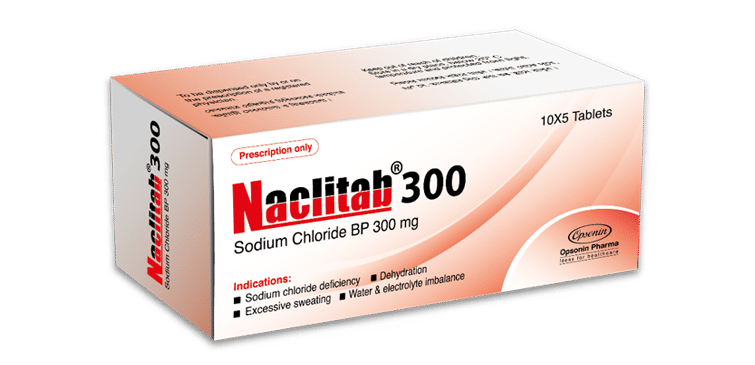
Naclitab
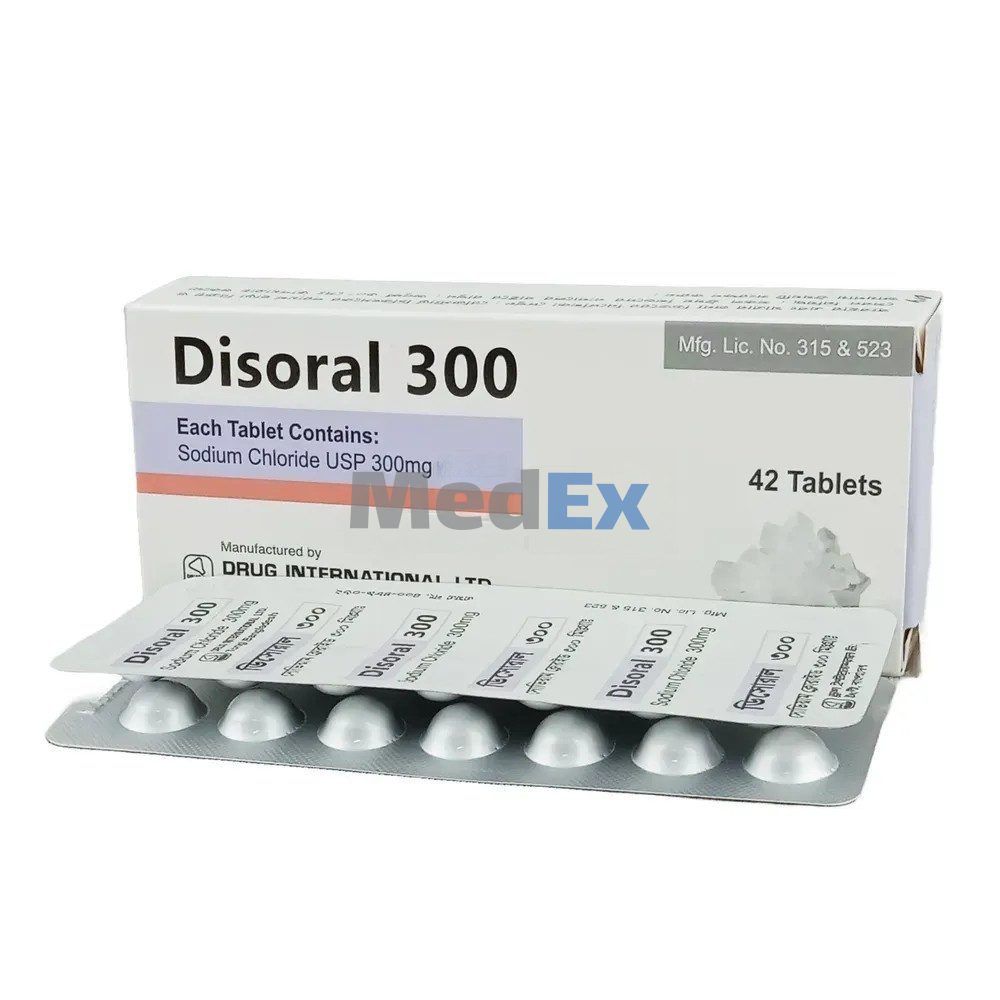
Cheaper & Alternative Brands
Same generic (Sodium Chloride), same form (Tablet)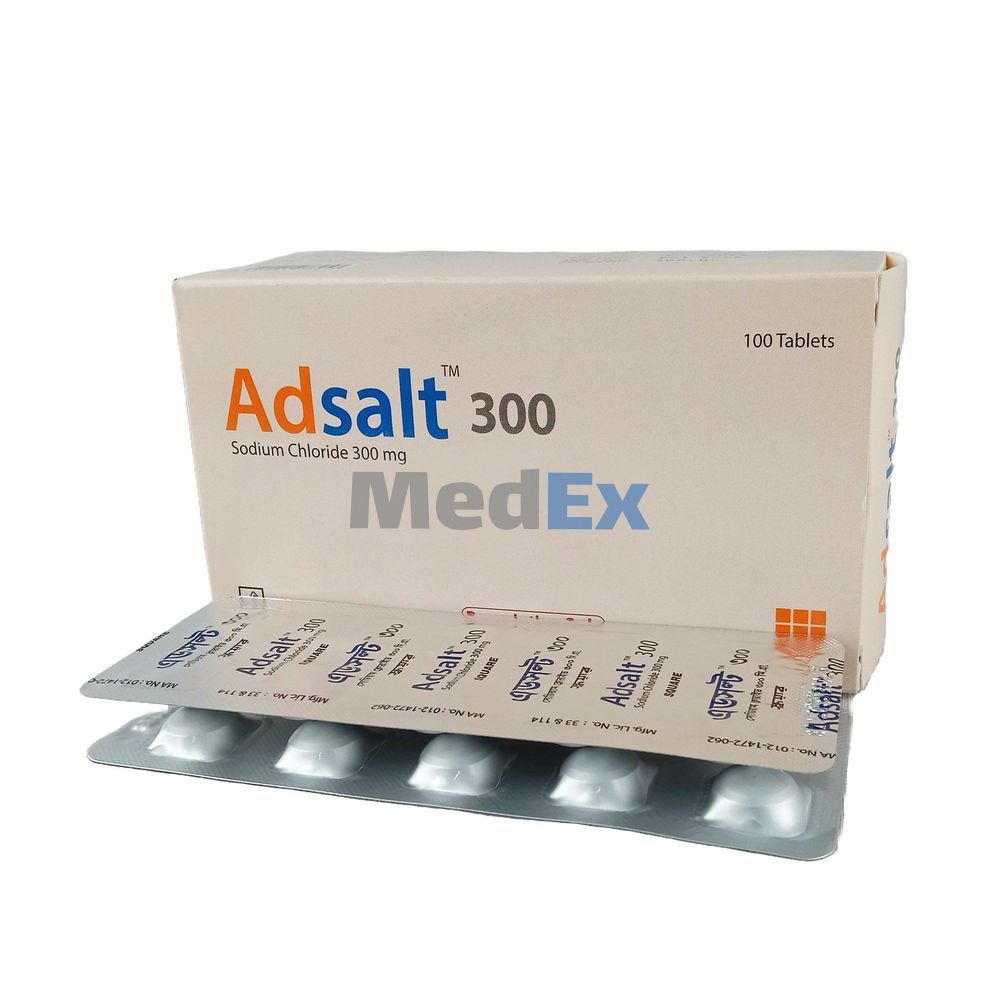
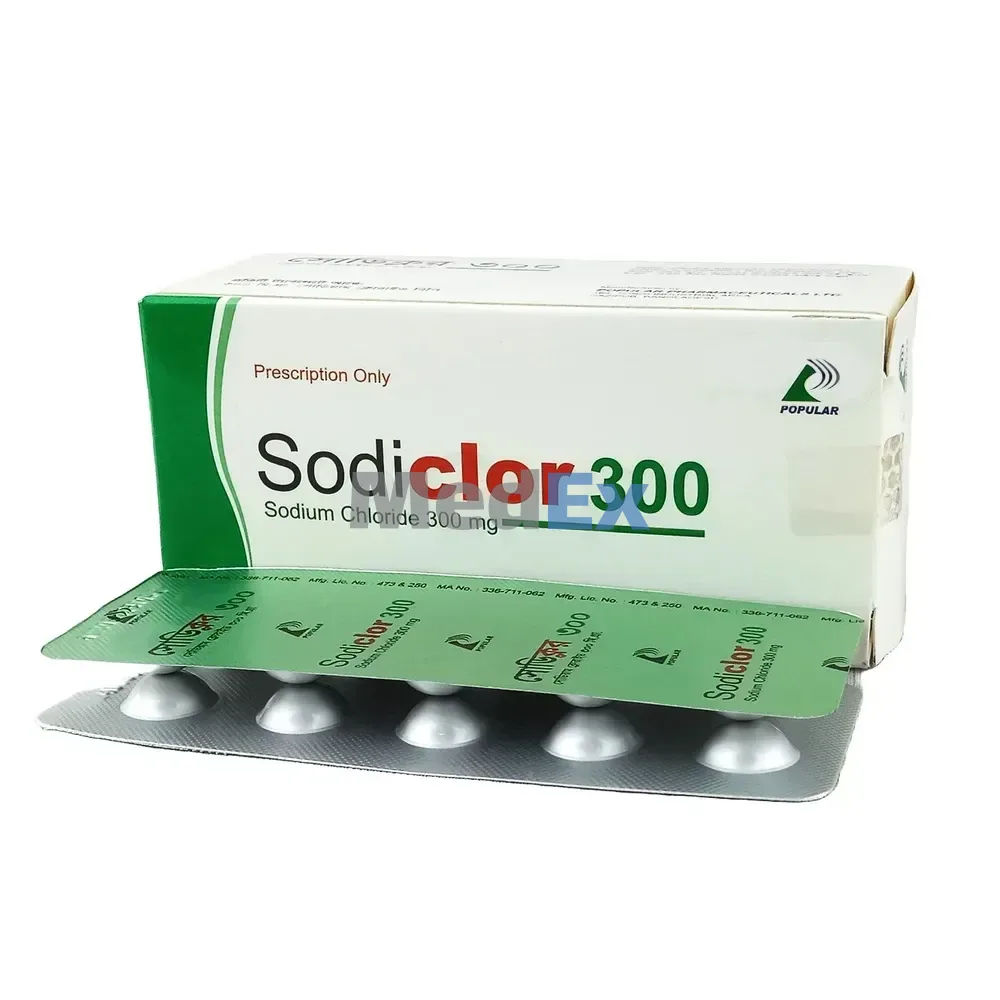
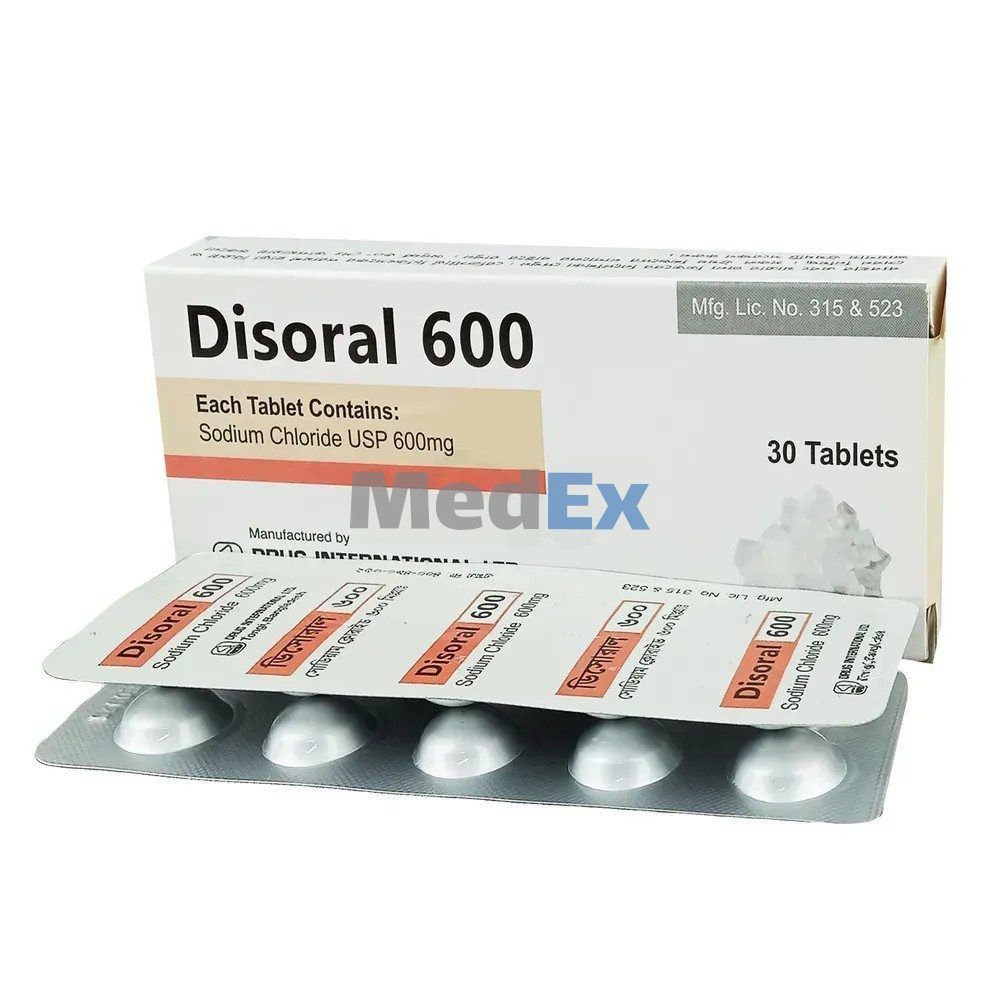
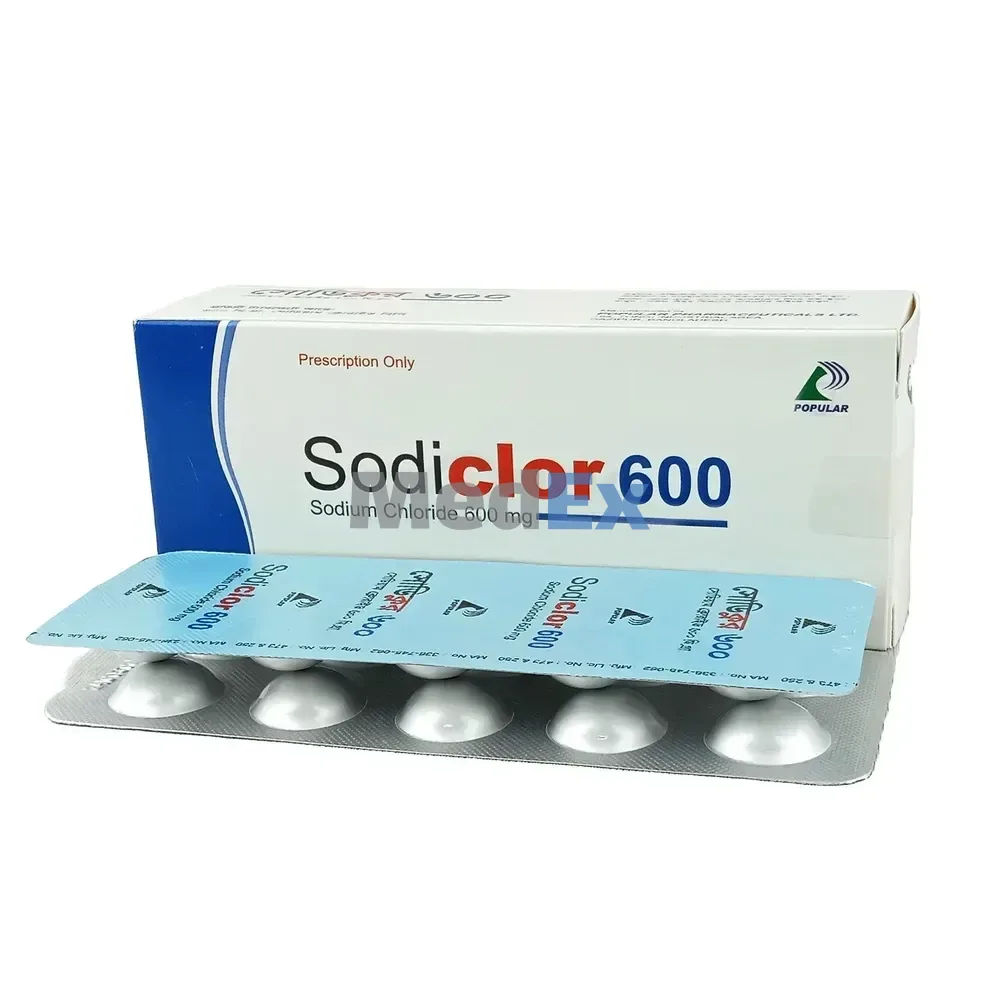
Clinical Prescribing Information
Medical monograph and safety information for healthcare professionals & patients.Indications & Clinical Uses
Eye/Ear/Nasal solution
: This is indicated for dry nasal membranes including dry nose resulting from cold and allergy medications. It moistens dry nasal passages from dry climates or from airplane travel, may help dissolve mucus from study noses and clears the nose after surgery. This
... Read more
Eye/Ear/Nasal solution
: This is indicated for dry nasal membranes including dry nose resulting from cold and allergy medications. It moistens dry nasal passages from dry climates or from airplane travel, may help dissolve mucus from study noses and clears the nose after surgery. This sterile saline solution is also used to cleanse various parts of the body (wounds, body cavities) and medical equipment (e.g. bandages, catheters, drainage tubes). It is also used as a mixing solution (diluent) for other medications used to irrigate the body (e.g. bacitracin, polymyxin).
Intravenous Solution
: For instance, in the management of metabolic alkalosis, in case of gastroenteritis, during and after surgery. It may also be used as a priming fluid for haemodialysis procedures. ACME's Normal Saline 0.9% infusion is often used as diluents for infusion of drug additives etc. It is widely used for sterile irrigation and dilution process.
Nebulizer Solution
: To remove phlegm (Thick mucus) from the lungs in Bronchiolitis, Asthma, COPD, Atelectasis, Cystic Fibrosis, Bronchiectasis etc.
Ophthalmic solution
: This is used to reduce swelling of the cornea in certain eye conditions.
Contraindications
It is contraindicated in individuals with known hypersensitivity to any of the ingredients of this preparation.
Side Effects & Adverse Reactions
Eye/Ear/Nasal
: No side effects are expected to occur. However stinging, sneezing, increased nasal discharge, or salty taste may occur in some cases.
Intravenous
: Reactions which may occur because of the solution or the technique of administration include febrile response, infection at the site of injection, venous thrombosis or phlebitis extending from the site of injection, extravasation, and hypervolemia. If an adverse reaction does occur, discontinue the infusion, evaluate the patient, institute appropriate therapeutic countermeasures and save the remainder of the fluid for examination if deemed necessary.
Ophthalmic solution
: Vision may be temporarily blurred or unstable for a period after applying the drops. Use caution if driving or performing duties requiring clear vision. Burning or irritation of the eye may occur when first applied. If these symptoms continue or become worse, inform your doctor. Notify your doctor immediately if you develop: redness, pain, swelling in or around the eyes, vision problems, sensitivity to light, headache. If you notice other effects not listed above, contact your doctor or pharmacist.
Warnings & Precautions
Eye/Ear/Nasal
: Tell your doctor about your medical history, especially of heart problems (e.g., congestive heart failure), lung problems (pulmonary edema), kidney problems, low levels of potassium (hypokalemia), high levels of sodium (hypernatremia), and any allergies.
Intravenous
: Serum electrolyte concentration should be carefully monitored. ACME's Normal Saline should be administered with caution to patients with congestive heart failure, peripheral or pulmonary oedema, impaired renal function or pre-eclampsia. Care should also be taken when administering ACME's Normal Saline intravenously to very young or elderly patients. Excessive administration should be avoided as this may result in hypokalaemia. Infusion of fluid should be immediately discontinued if rigor arises for any reason during its application. Do not use if the solution is cloudy, contains particles, or after expiry date.
Ophthalmic solution
: Tell your doctor if you have history of eye problems, any allergies. As with any medication, this should be used cautiously during pregnancy or while breast-feeding. Discuss the risks and benefits with your doctor. If the condition for which this was prescribed does not improve or becomes worse after a few days, Stop using and consult your doctor. If you miss a dose, use it as soon as remembered; do not use it if it is near the time for the next dose, instead, skip the missed dose and resume your usual dosing schedule. Do not "double-up" the dose to catch up.
Pharmacology & Mechanism of Action
Nasal drop
: Sodium Chloride nasal drop is a non-drug, isotonic saline solution that is used to moisturize nasal membranes. This formulation provides comfort for extensive and continuous use. Sodium Chloride 0.9% nasal wash moistures inside the nose by dissolving and softening thick or crusty mucus thus helps to remove the mucus from the nose and makes breathing easier. Excess sodium is predominantly excreted by the kidneys with small amounts lost in faeces and sweat.
Nasal spray
: Sodium Chloride 0.9% Nasal Spray moistens inside the nose by dissolving and softening thick or crusty mucus thus helps to remove the mucus from the nose and makes breathing easier. Excess Sodium is predominantly excreted by the kidneys with small amount lost in faeces and sweat. In babies and young children with stufy noses who cannot blow their noses, using this product helps to make the mucus easier to remove with a nasal bulb syringe. This helps relieve stufness and makes breathing easier.
Sterile Nebulizer Solution
: It pulls water from the wall of airways into the phlegm. This makes the phlegm thinner and
much less sticky. This makes it much easier to cough out the phlegm or mucus from the lungs.