

Mydran

 Daily Dose:
 Course Duration:
 Alternatives (1)
Cheaper & Alternative Brands
Same generic (Tropicamide + Phenylephrine + Lidocaine), same form (Intracameral Injection)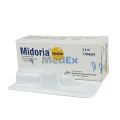
Clinical Prescribing Information
Medical monograph and safety information for healthcare professionals & patients.Indications & Clinical Uses
This is indicated for cataract surgery to obtain mydriasis (dilation of the pupil) and intraocular anesthesia during the surgical procedure.
Dosage & Administration
Used only in the elderly and adults undergoing cataract surgery. The injection has to be administered by an ophthalmic surgeon, under local anesthesia, at the beginning of cataract surgery. The recommended dose is 0.2 ml of solution, in only one injection. The following procedure should be followed:
Five minutes before performing the preoperative antiseptic procedure and the first incision, one to two drops of anesthetic eye drops should be instilled in the eye.
At the beginning of surgery, 0.2 ml of the drop is slowly injected in only one injection via intracameral route, through the side port or principal port.
Side Effects & Adverse Reactions
Most serious well-known complications occurring during or after cataract surgery:
Uncommon: may affect up to 1 in 100 people
Injury to the lens (posterior capsule rupture)
Swelling of the retina (cystoid macular edema)
Please seek urgent medical advice in this case.
Other side effects:
Uncommon: may affect up to 1 in 100 people
Nervous system disorder: Headache
Eye Disorder: Swelling of the cornea (keratitis), increased pressure in the eye, redness of the eye (ocular hyperaemia)
Vascular disorder: High blood pressure (hypertension)
Warnings & Precautions
Do not use if the blister is damaged or broken. Open under aseptic conditions only. The product should be used immediately after opening of the ampoule and not be reused for the other eye or any other patient. This is not recommended:
In combined cataract surgery with a certain type of eye surgery (vitrectomy)
If the ocular anterior chamber is shallow
If the patient has a history of acute narrow angle glaucoma
The doctor should consider the patient’s medical condition if he is suffering from hypertension, atherosclerosis or any kind of heart disease, hyperthyroidism, prostate gland disorders, epilepsy, any liver disease or kidney problem, breathing problem or myasthenia gravis.