
Mtrex
Cheaper & Alternative Brands
Same generic (Methotrexate), same form (Tablet)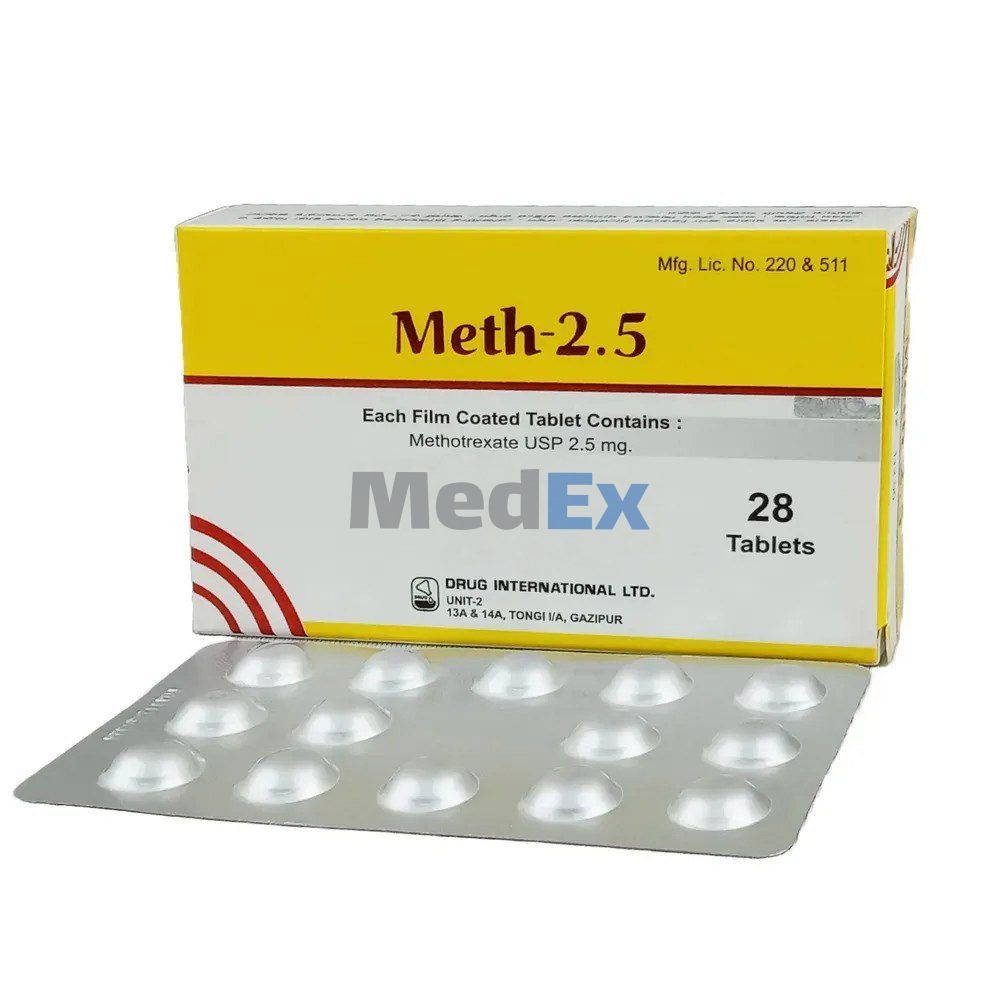


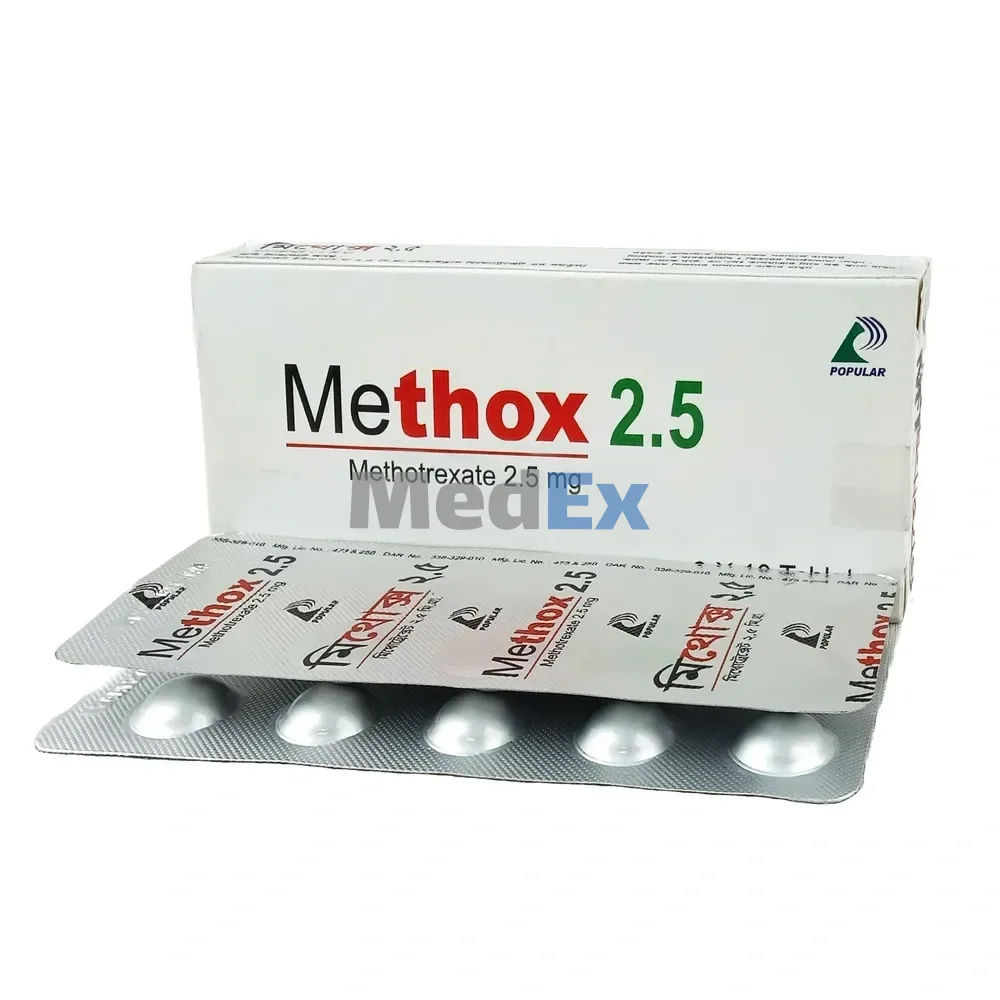

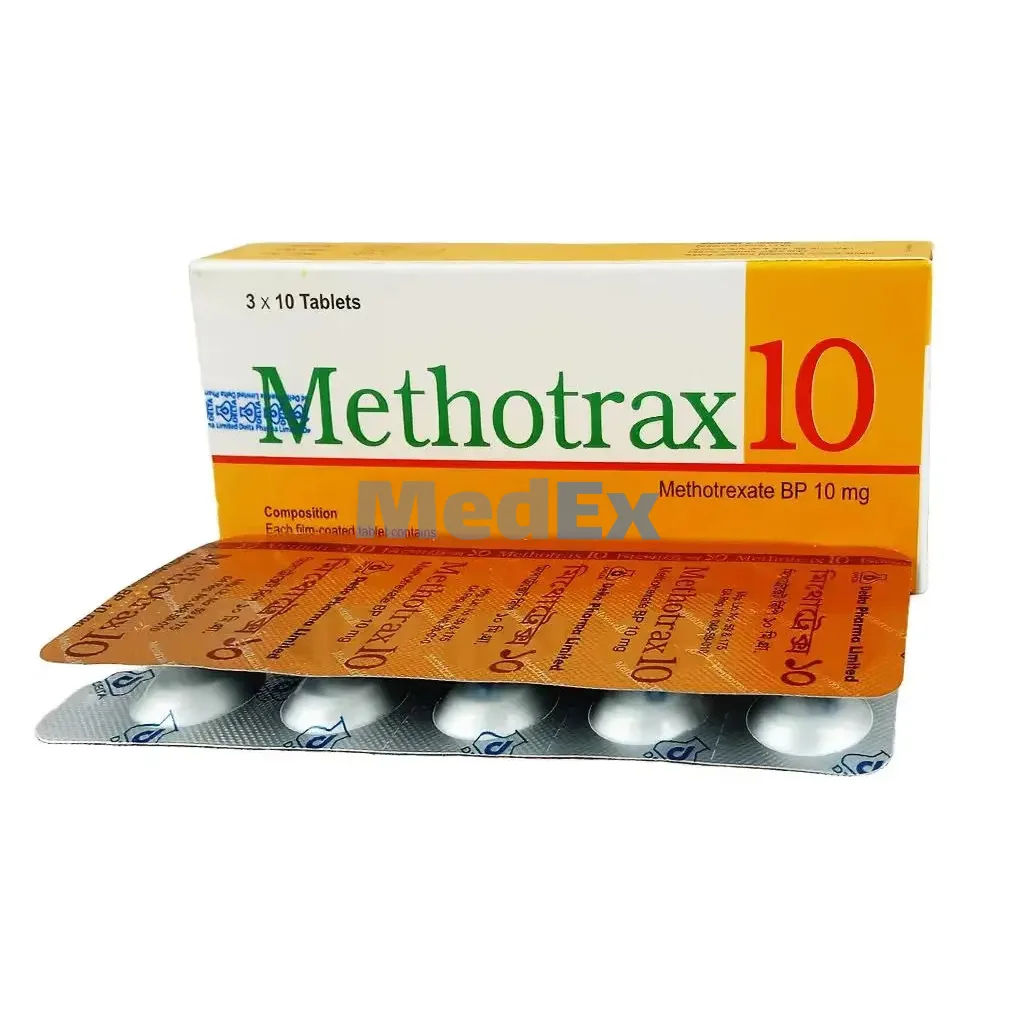
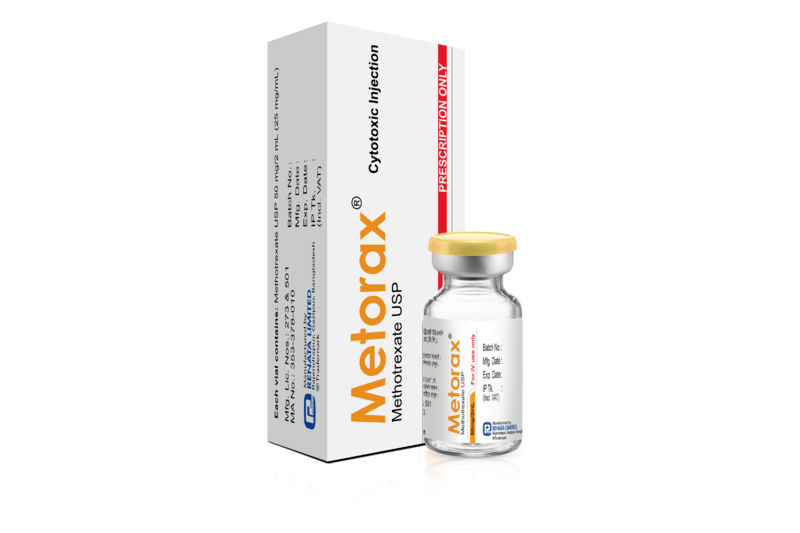

Clinical Prescribing Information
Medical monograph and safety information for healthcare professionals & patients.Indications & Clinical Uses
Neoplastic Diseases
:
Treatment of gestational choriocarcinoma, chorioadenoma destruens and hydatidiform mole
In acute lymphoblastic leukemia
Used in combination with other chemotherapeutic agents in the treatment of advanced stage non-Hodgkin’s lymphomas
... Read more
Neoplastic Diseases
:
Treatment of gestational choriocarcinoma, chorioadenoma destruens and hydatidiform mole
In acute lymphoblastic leukemia
Used in combination with other chemotherapeutic agents in the treatment of advanced stage non-Hodgkin’s lymphomas
Treatment of breast cancer, epidermoid cancers of the head and neck, advanced mycosis fungoides (cutaneous T-cell lymphoma) and lung cancer, particularly squamous cell and small cell types.
Rheumatoid Arthritis including Polyarticular-Course Juvenile Rheumatoid Arthritis
: Indicated in the management of selected adults with severe, active rheumatoid arthritis, or children with active polyarticular-course juvenile rheumatoid arthritis, who have had an insufficient therapeutic response to, or are intolerant of, an adequate trial of first-line therapy including full dose non-steroidal anti-inflammatory agents (NSAIDs)
Psoriasis
: Indicated in the symptomatic control of severe, recalcitrant, disabling psoriasis that is not adequately responsive to other forms of therapy.
Contraindications
Alcoholism, alcoholic liver disease or other chronic liver disease
Immunodeficiency syndromes
Pre-existing blood dyscrasias, such as bone marrow hypoplasia, leukopenia, thrombocytopenia, or significant anemia
Hypersensitivity to methotrexate
Pregnant women with psoriasis or rheumatoid arthritis
Women of childbearing potential
Nursing mothers
Pregnancy should be avoided if either partner is receiving methotrexate; during and for a minimum of three months after therapy for male patients, and during and for at least one ovulatory cycle after therapy for female patients
Side Effects & Adverse Reactions
The most frequently reported adverse reactions include ulcerative stomatitis, leukopenia, nausea and abdominal distress
Other frequently reported adverse effects are malaise, undue fatigue, chills and fever, dizziness and decreased resistance to infection
Meth has been reported to cause impairment of fertility, oligospermia and menstrual dysfunction in humans, during and for a short period after cessation of therapy
Warnings & Precautions
Meth formulations and diluents containing preservatives must not be used for intrathecal or high dose Meth therapy
It is necessary to follow patients on Meth closely for toxic effects
If adverse reactions occur, the drug should be reduced in dosage or discontinued and appropriate corrective measures should be taken. If necessary, this could include the use of leucovorin calcium
If Meth therapy is reinstituted, it should be carried out with caution, with adequate consideration of further need for the drug and increased alertness as to possible recurrence of toxicity
Persistent liver function test abnormalities, &/or depression of serum albumin may be indicators of serious liver toxicity & require evaluation
Folate deficiency: May increase Meth toxicity
Pharmacology & Mechanism of Action
Methotrexate inhibits dihydrofolic acid reductase. Dihydrofolates must be reduced to tetrahydrofolates by this
enzyme before they can be utilized as carriers of one-carbon groups in the synthesis of purine nucleotides and thymidylate. Therefore, methotrexate interferes with DNA synthesis, repair, and cellular replication. Actively proliferating tissues such as malignant cells, bone marrow, fetal cells, buccal and intestinal mucosa, and cells of the urinary bladder are in general more sensitive to this effect of methotrexate. When cellular proliferation in malignant tissues is greater than in most normal tissues, methotrexate may impair malignant growth without irreversible damage to normal tissues. In psoriasis, the rate of production of epithelial cells in the skin is greatly increased over normal skin. This difference in proliferation rates is the basis for the use of methotrexate to control the psoriatic process.