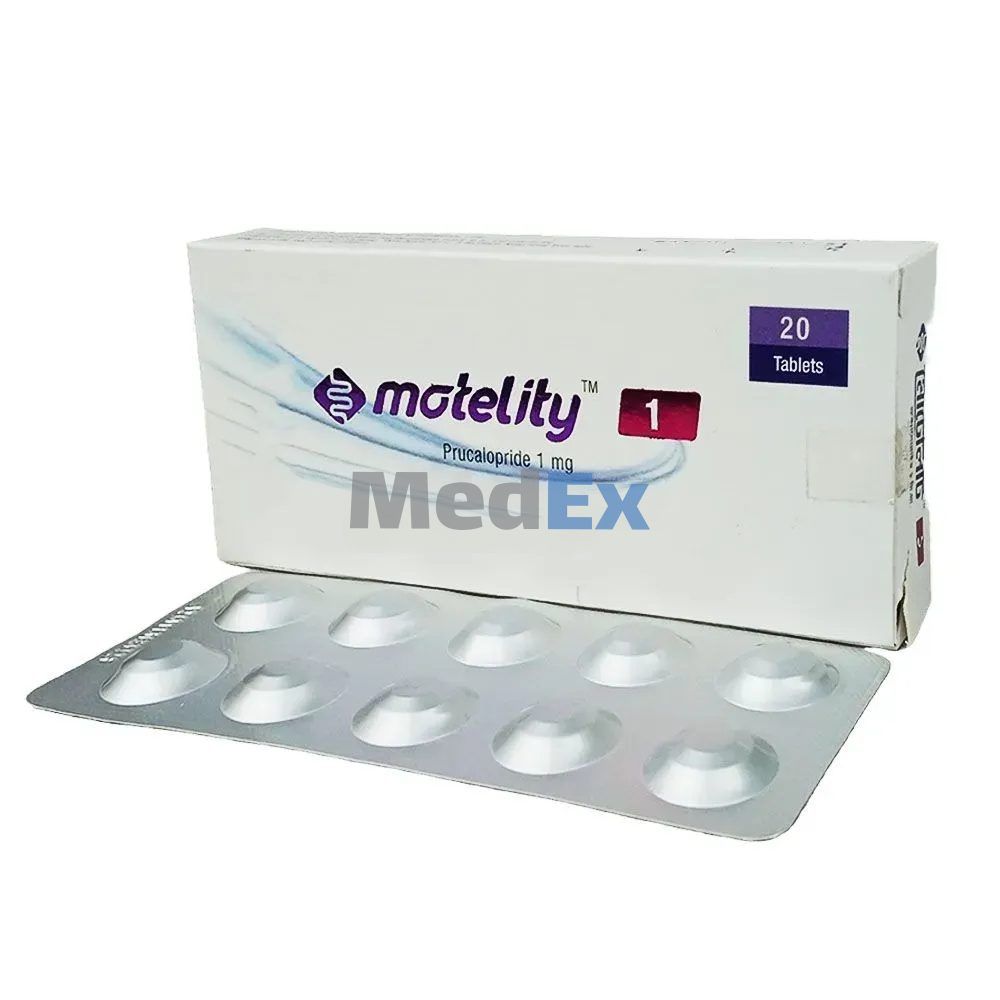
Motelity
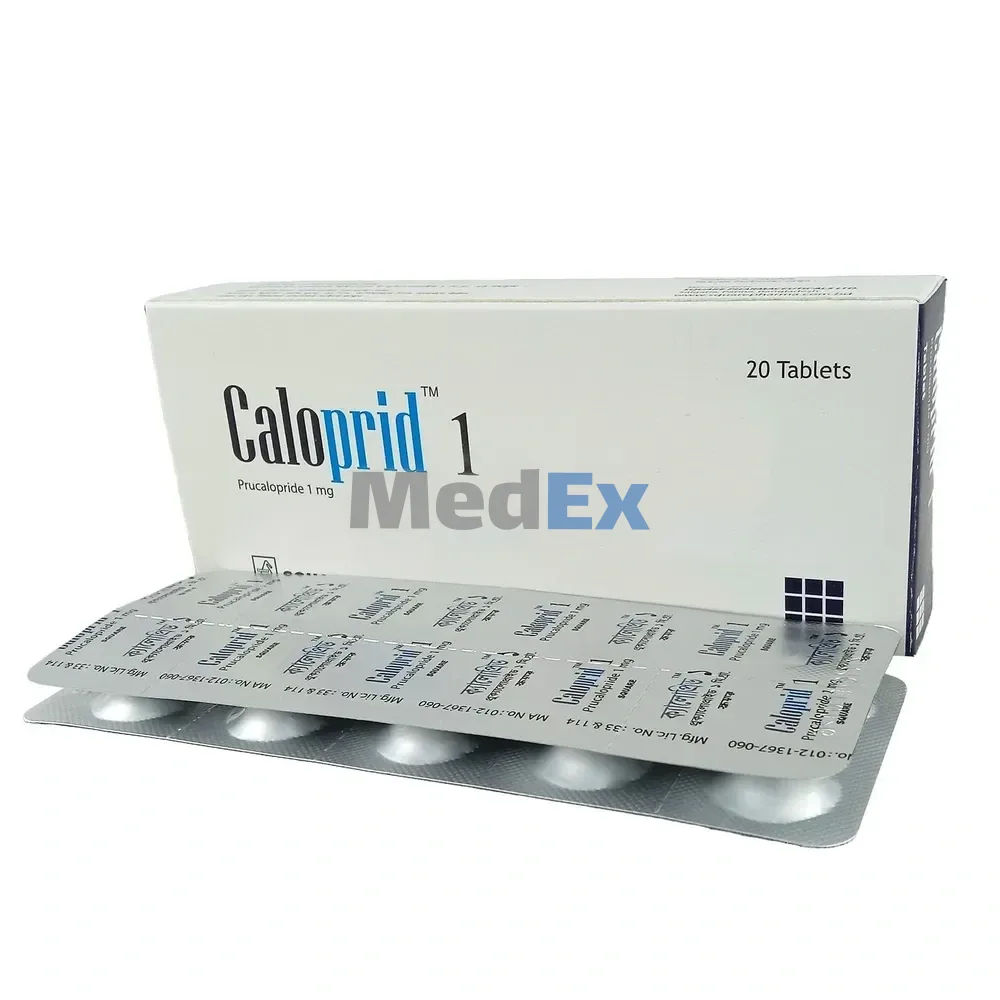
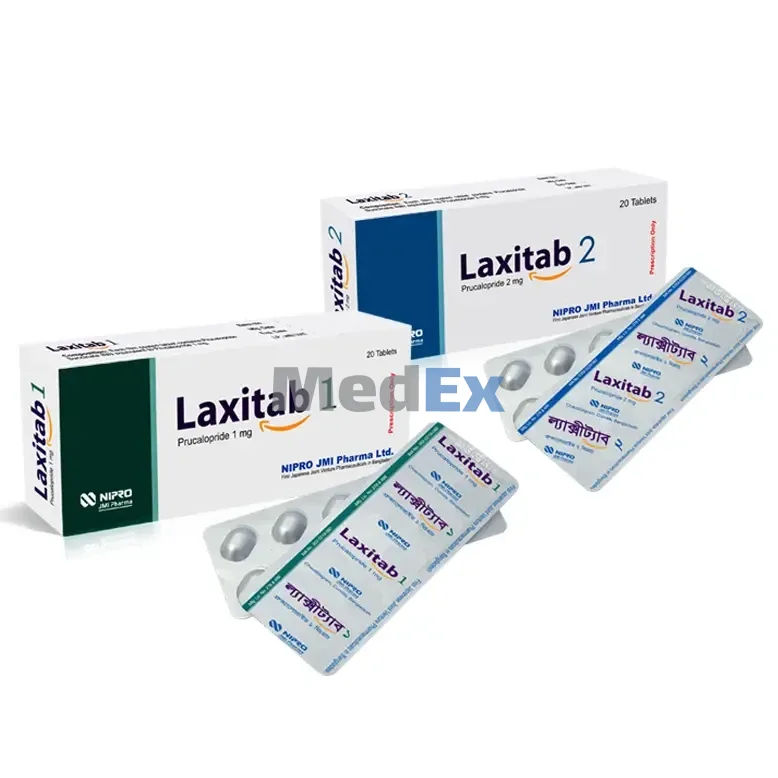
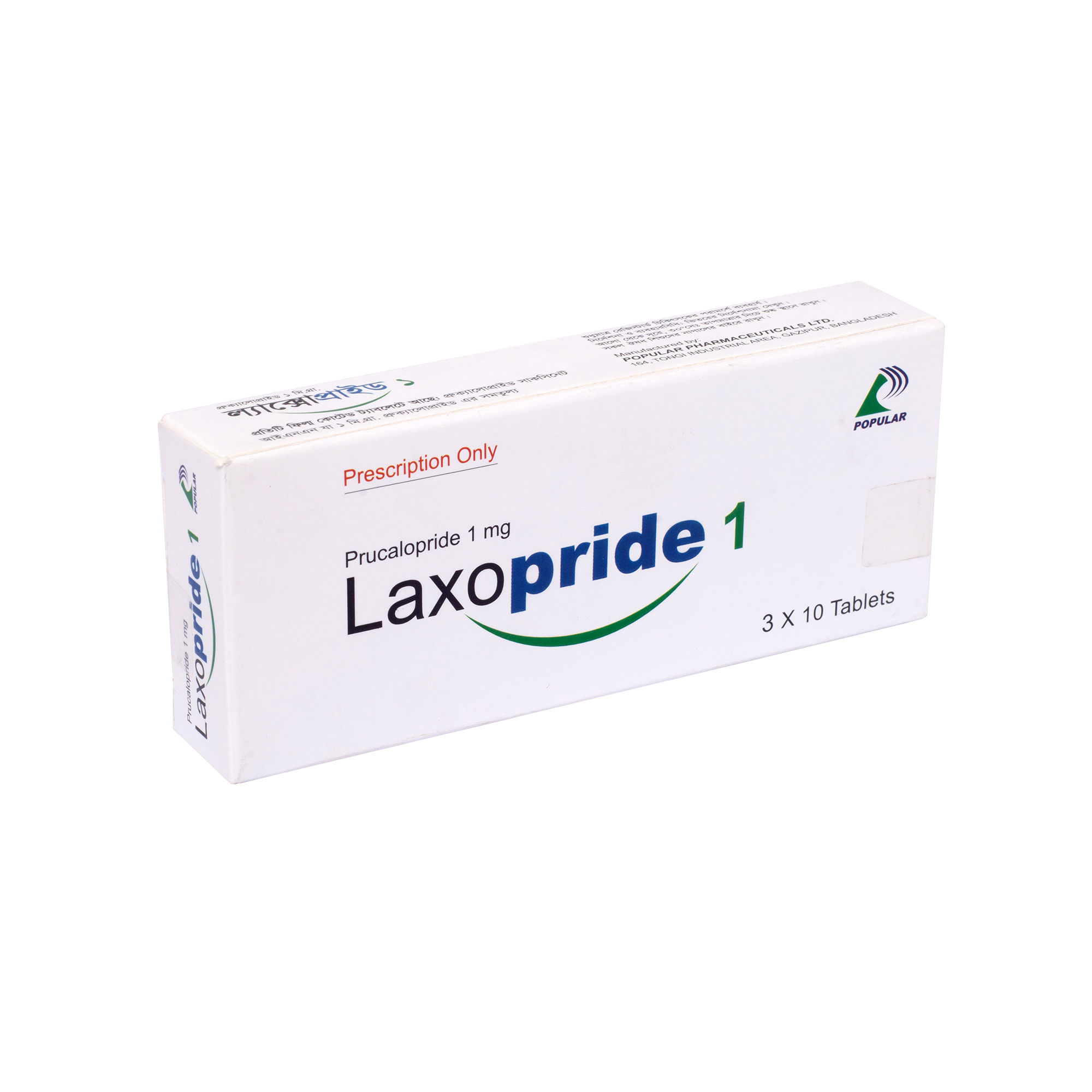
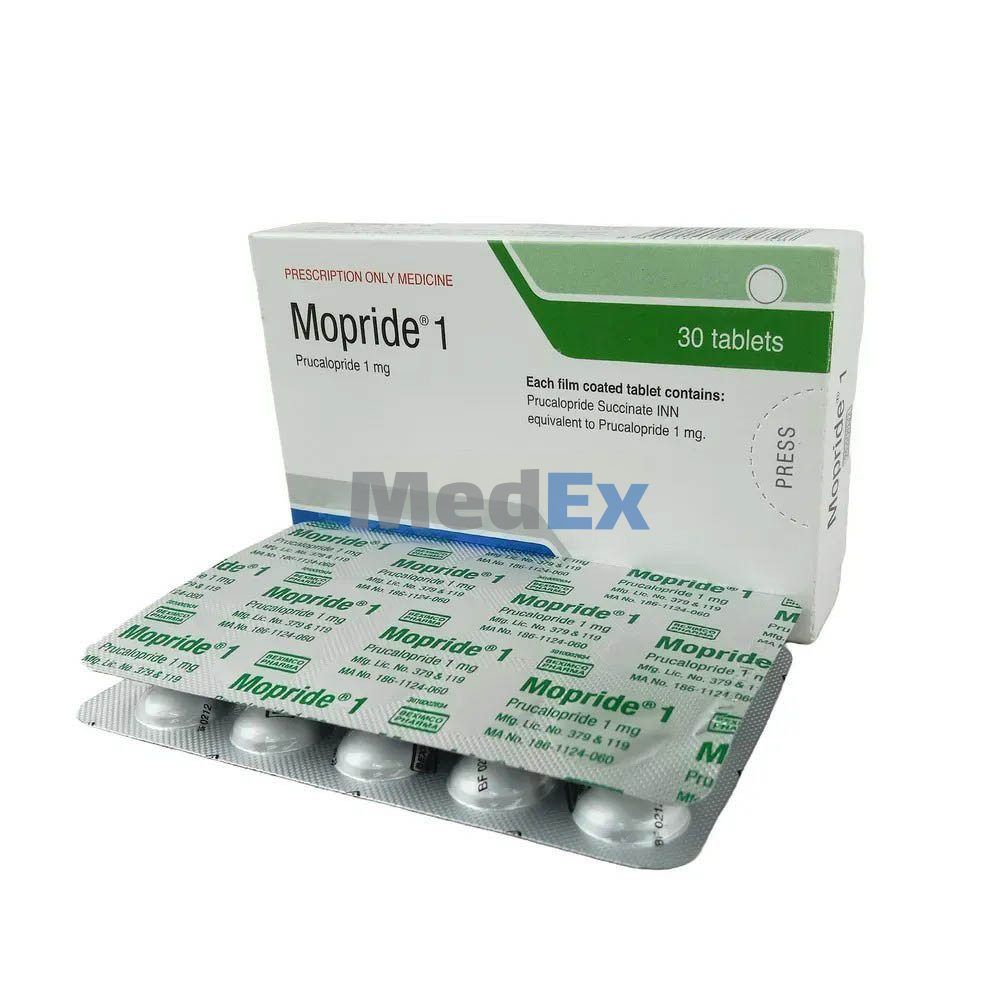
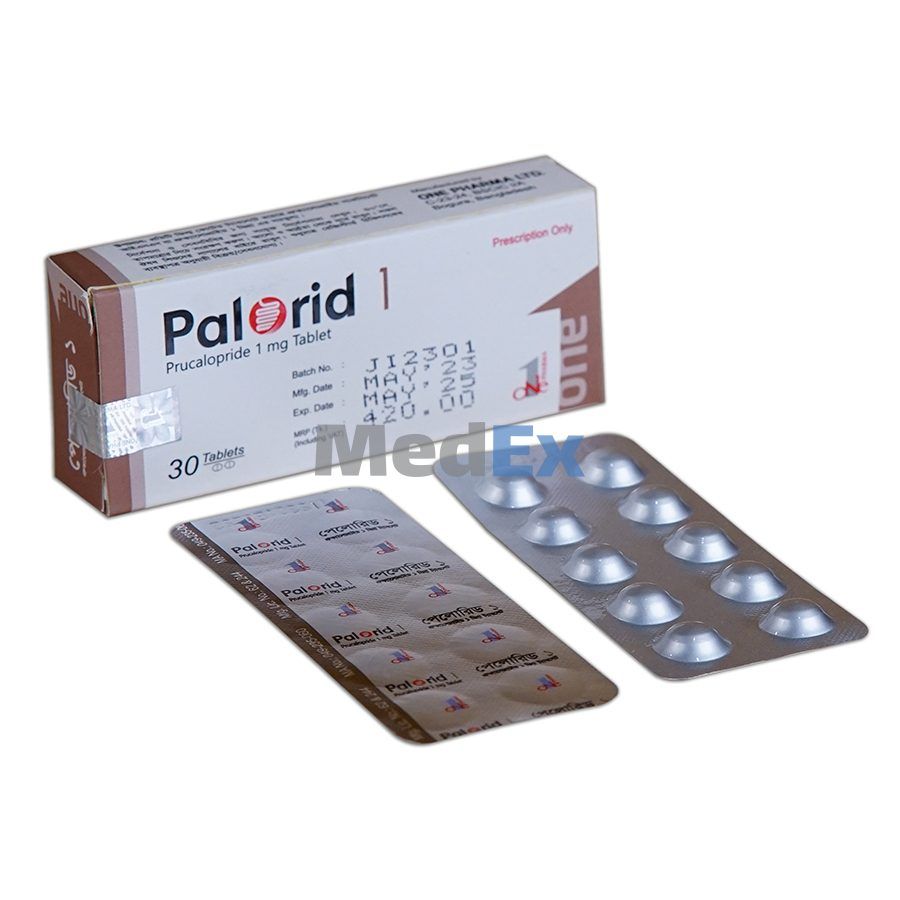
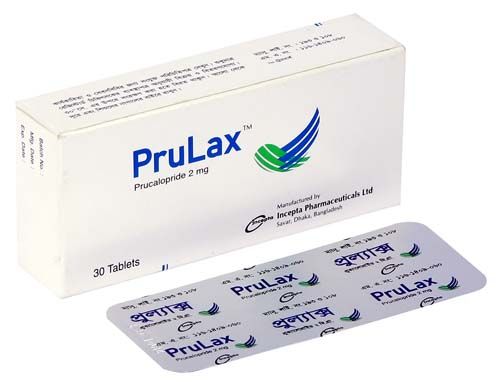
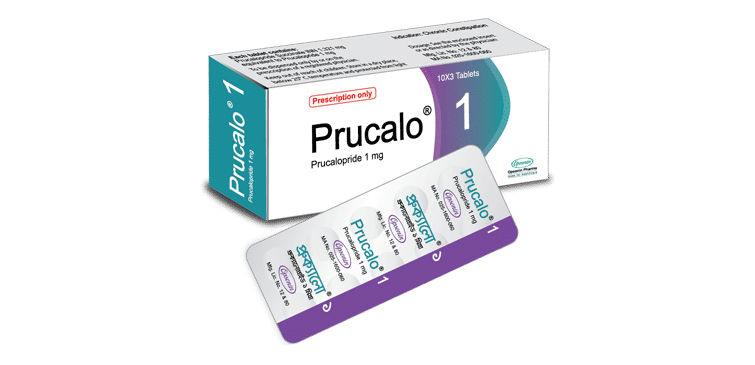
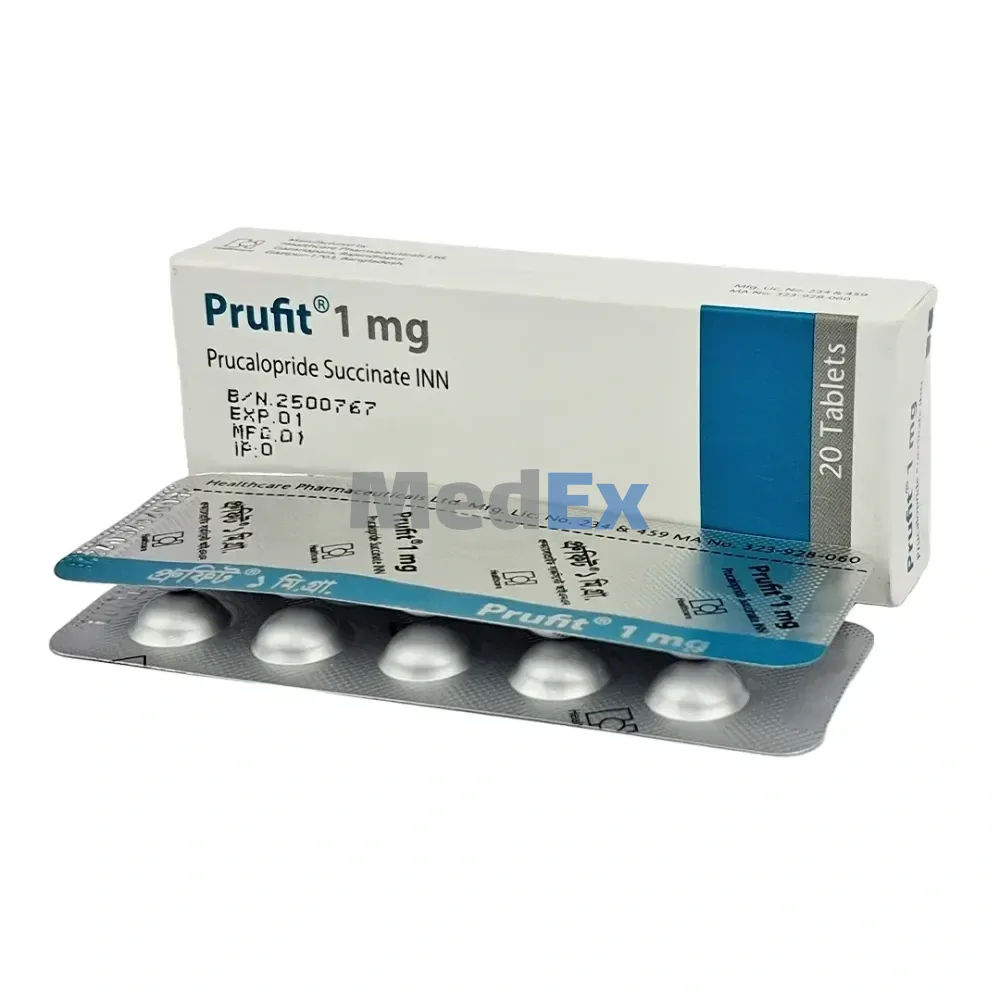
Cheaper & Alternative Brands
Same generic (Prucalopride Succinate), same form (Tablet)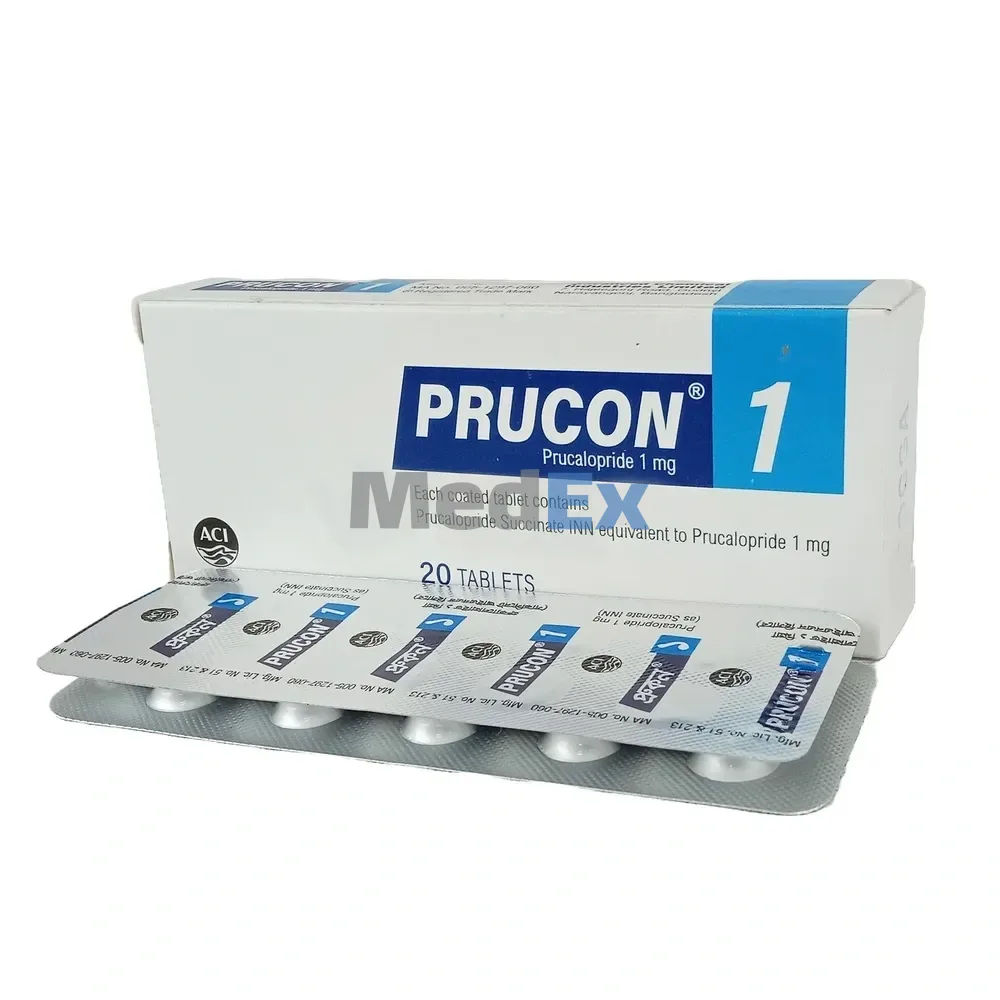

Clinical Prescribing Information
Medical monograph and safety information for healthcare professionals & patients.Indications & Clinical Uses
Caloplax tablet is indicated for symptomatic treatment of chronic constipation in adults in whom laxatives fail to provide adequate relief.
Dosage & Administration
Adults
: 2 mg once daily with or without food, at any time of the day. Due to the specific mode of action of prucalopride (stimulation of propulsive motility), exceeding the daily dose of 2 mg is not expected to increase efficacy.
Older people
: Start with 1 mg once daily; if needed the dose can be increased to 2 mg once daily.
Children
: Prucalopride should not be used in children and adolescents younger than 18 years
Contraindications
Prucalopride is contraindicated in those people who are hypersensitive to the active substance or to any of the excipients and people with renal impairment requiring dialysis.
Side Effects & Adverse Reactions
The most frequently reported adverse reactions associated with Caloplax therapy are headache (17.8%) and gastrointestinal symptoms (abdominal pain), nausea and diarrhoea. The adverse reactions occur predominantly at the start of therapy and usually disappear within a few days with continued treatment. Other adverse reactions have been reported occasionally. The majority of adverse events were mild to moderate in intensity.
Warnings & Precautions
Renal excretion is the main route of elimination of prucalopride. A dose of 1 mg is recommended in subjects with severe renal impairment.
Caution should be exercised when prescribing Caloplax to patients with severe hepatic impairment (Child-Pugh class C) due to limited data in patients with severe hepatic impairment.
In case of severe diarrhoea, the efficacy of oral contraceptives may be reduced and the use of an additional contraceptive method is recommended to prevent possible failure of oral contraception.
The tablets contain lactose. Patients with rare hereditary problems of galactose intolerance, the Lapp lactase deficiency or glucose-galactose malabsorption should not take this medicinal product.
Pharmacology & Mechanism of Action
Prucalopride acts as a selective stimulator of the 5-HT4 receptors while having no interaction with hERG channel or 5-HT1 receptors which reduces significantly the cardiovascular risk found in other similar drugs. 5-HT4 receptors can be found throughout the gastrointestinal tract primarily in smooth muscle cells, enterochromaffin cells, and myenteric plexus. Its activation produces the release of acetylcholine which is the major excitatory neurotransmitter in the GI tract. Hence, prucalopride stimulates motility by interacting specifically with 5-HT4 receptors in the GI tract which causes a release of acetylcholine and further contraction of the muscle layer of the colon and relaxation of the circular muscle layer leading to the propulsion of luminal content.