
Metfomin
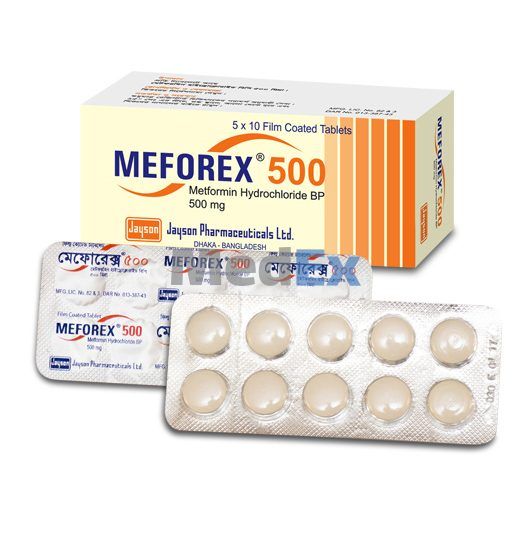
Cheaper & Alternative Brands
Same generic (Metformin Hydrochloride), same form (Tablet)
Clinical Prescribing Information
Medical monograph and safety information for healthcare professionals & patients.Indications & Clinical Uses
Bigmet XR tablet is indicated for the treatment of type 2 diabetes mellitus, particularly in overweight patients when dietary management and exercise alone does not result in adequate glycaemic control.
In adults
: Bigmet XR may be used as monotherapy or in combination with other oral antidiabetic agents or with insulin.
... Read more
Bigmet XR tablet is indicated for the treatment of type 2 diabetes mellitus, particularly in overweight patients when dietary management and exercise alone does not result in adequate glycaemic control.
In adults
: Bigmet XR may be used as monotherapy or in combination with other oral antidiabetic agents or with insulin.
In children from 10 years of age and adolescents
: Bigmet XR may be used as monotherapy or in combination with insulin.
A reduction of diabetic complications has been shown in overweight type 2 diabetic adult patients treated with metformin as first-line therapy after diet failure.
Dosage & Administration
Metformin immediate release tablet
: Dosage of Metformin Hydrochloride must be individualized on the basis of both effectiveness and tolerance, while not exceeding the maximum recommended daily doses.
Adult
: The usual starting dose of Metformin is 500 mg twice a day or 850 mg once a day, given with meals. Dosage increases should be made in increments of 500 mg weekly or 850 mg every 2 weeks, up to a total of 2000 mg per day, given in divided doses. For those patients requiring additional glycemic control, Glucomin may be given to a maximum daily dose of 2550 mg per day. Doses above 2000 mg may be better tolerated given three times a day with meals.
Children
: The usual starting dose of Metformin is 500 mg twice a day, given with meals. Dosage increases should be made in increments of 500 mg weekly up to a maximum of 2000 mg per day, given in divided doses.
Metformin extended release tablet
: Swallow Metformin XR tablet whole and never crush, cut or chew.
Adult
: The usual starting dose of Metformin XR is 500 mg once daily with the evening meal. Dose should be increased in increments of 500 mg weekly, up to a maximum of 2000 mg once daily with the evening meal, alternatively increased to 1000 mg twice daily taken with meal. Patient receiving Metformin immediate release tablet may be switched to Metformin extended release tablet up to a maximum recommended daily dose.
Children
: Metformin extended release tablet has not been studied in children.
Renal impaired patient
: Do not use Metformin in patients with eGFR below 30 mL/min/1.73 m
2
. Asses risk/benefit of counting if eGFR falls below 45 mL/min/1.73 m
2
.
Contraindications
Hypersensitivity to the active substance or to any of the excipients.
Any type of acute metabolic acidosis (such as lactic acidosis, diabetic ketoacidosis).
Severe renal failure (GFR <30 mL/min).
Acute conditions with the potential to alter renal function such as: dehydration, severe infection, shock.
Acute or chronic disease, which may cause tissue hypoxia such as: cardiac or respiratory failure, recent myocardial infarction, shock, Hepatic insufciency, acute alcohol intoxication, alcoholism.
Side Effects & Adverse Reactions
Blood and lymphatic system disorders
: Not known: Hemolytic anemia
Metabolism and nutrition disorders
: Very rare: Lactic acidosis. Decrease of vitamin B12 absorption with a decrease of serum levels during long-term use of metformin. Consideration of such etiology is recommended if a patient presents with megaloblastic anemia. Cases of peripheral neuropathy in patients with vitamin B12 deficiency have been reported in post-marketing experience (frequency not known)
Nervous system disorder
s: Common: Taste disturbance. Not known: Encephalopathy
Gastrointestinal disorders
: Very common: Gastrointestinal disorders, such as nausea, vomiting, diarrhea, abdominal pain, and loss of appetite. These undesirable effects occur most frequently during the initiation of therapy and resolve spontaneously in most cases. To prevent them, it is recommended that metformin be taken in 2 or 3 daily doses during or after meals. A slow increase of the dose may also improve gastrointestinal tolerability.
Hepatobiliary disorders
: Very rare: Isolated reports of liver function test abnormalities or hepatitis resolving upon metformin discontinuation.
Skin and subcutaneous tissue disorders
: Very rare: Skin reactions, such as erythema, pruritus, urticaria.
Warnings & Precautions
Bigmet XR is known to be substantially excreted by the kidney and the risk of Bigmet XR accumulation and lactic acidosis increases with the degree of impairment of renal function. Bigmet XR may lower vitamin B12 level. It also increases risk of hypoglycemia when use in combination with insulin or insulin secretagogue.
Bigmet XR is excreted by the kidney and regular monitoring of renal function is advised in all diabetics. Bigmet XR therapy should be stopped 2-3 days before surgery and clinical investigations such as intravenous urography and intravenous angiography, and reinstated only after control or renal function has been regained. The use of Bigmet XR is not advised in conditions which may cause dehydration or in patients suffering from serious infections or trauma. Patients receiving continuous Bigmet XR therapy should have an annual estimation of Vitamin B-12 levels because of reports of decreased Vitamin B-12 absorption. During concomitant therapy with a sulphonylurea, blood glucose should be monitored because combined therapy may cause hypoglycaemia. Stabilization of diabetic patients with Bigmet XR and insulin should be carried out in hospital because of the possibility of hypoglycaemia until the correct ratio of the two drugs has been obtained. Reduced renal clearance of Bigmet XR has been reported during cimetidine therapy, so a dose reduction should be considered. As with a number of drugs, an interaction between Bigmet XR and anticoagulants is a possibility and dosage of the latter may need adjustment.
Pharmacology & Mechanism of Action
Metformin is a biguanide type oral antihyperglycemic drug used in the management of type 2 diabetes. It lowers both basal and postprandial plasma glucose. Its mechanism of action is different from those of sulfonylureas and it does not produce hypoglycemia. Metformin decreases hepatic glucose production, decreases intestinal absorption of glucose and improves insulin sensitivity by an increase in peripheral glucose uptake and utilization.