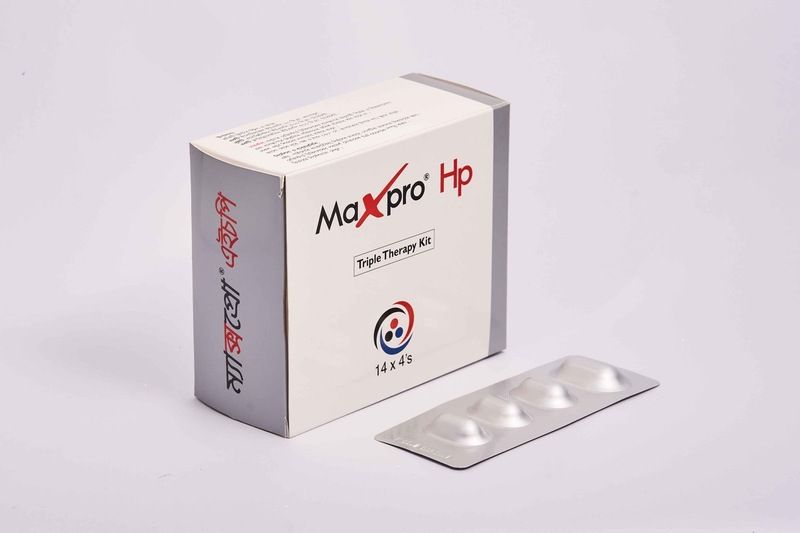
Maxpro Hp
Cheaper & Alternative Brands
Same generic (Esomeprazole + Amoxicillin + Clarithromycin), same form (Tablet)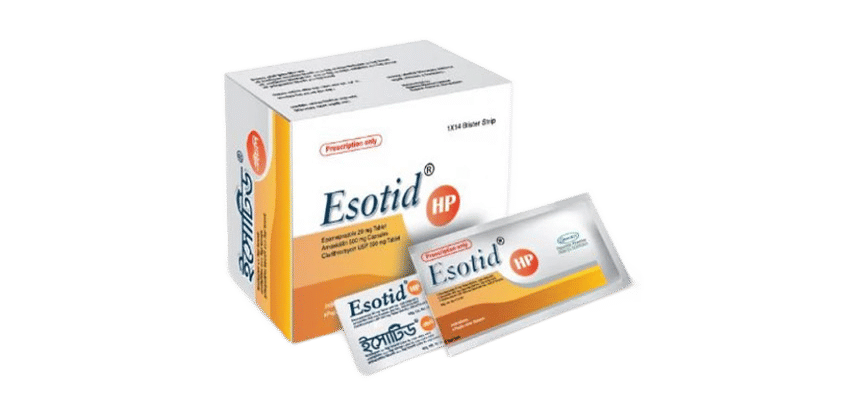
Clinical Prescribing Information
Medical monograph and safety information for healthcare professionals & patients.Indications & Clinical Uses
Esotid HP is indicated for the eradication of H. pylori in active chronic gastric, duodenal and gastric ulcers.
Dosage & Administration
Each tablet twice daily for 7-14 days or as per the physician’s advice
Contraindications
This is contraindicated in patients with known hypersensitivity to any of its component.
Side Effects & Adverse Reactions
H. pylori eradication therapy is generally well tolerated. Adverse events reported during clinical trials were not unexpected given the component substances. Common adverse reactions included diarrhoea and nausea.
Warnings & Precautions
Serious and occasionally fatal hypersensitivity reactions have been reported in patients on Amoxicillin therapy. These reactions are more apt to occur in indivduals with a history of penicillin hypersensitivity. Clarithromycin should not used in pregnant women except in clinical circumstances where no alternative is appropriate.
Pharmacology & Mechanism of Action
Esomeprazole
exerts its stomach acid-suppressing effects by preventing the final step in gastric acid production by covalently binding to sulfhydryl groups of cysteines found on the (H+, K+)-ATPase enzyme at the secretory surface of gastric parietal cells. This effect leads to inhibition of both basal and stimulated gastric acid secretion, irrespective of the stimulus. As the binding of esomeprazole to the (H+, K+)-ATPase enzyme is irreversible and new enzyme needs to be expressed in order to resume acid secretion, esomeprazole's duration of antisecretory effect that persists longer than 24 hours
Amoxicillin
is similar to penicillin in its bactericidal action against susceptible bacteria during the stage of active multiplication. It acts through the inhibition of cell wall biosynthesis that leads to the death of the bacteria.
Clarithromycin
acts by inhibiting microsomal protein synthesis in susceptible organisms mainly by binding to the donor site on the 50S subunit of the bacterial ribosome and preventing translocation to that site.