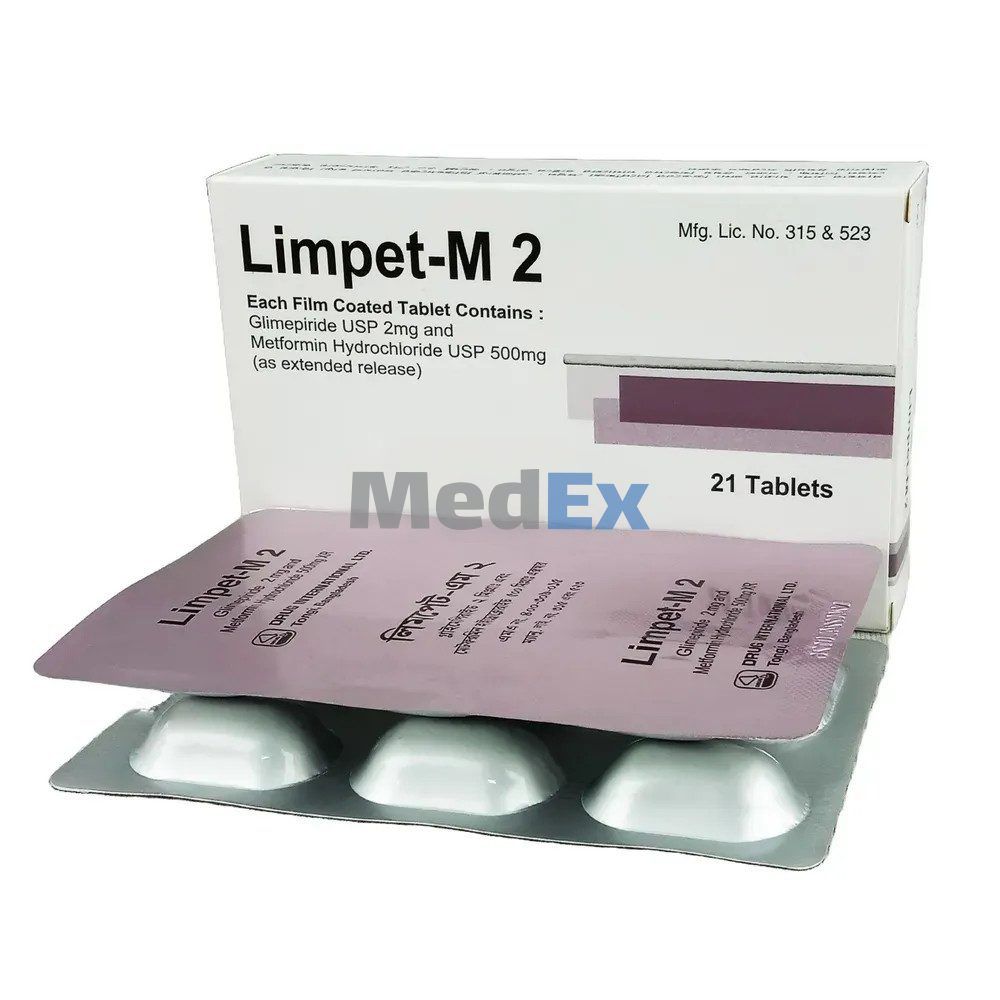
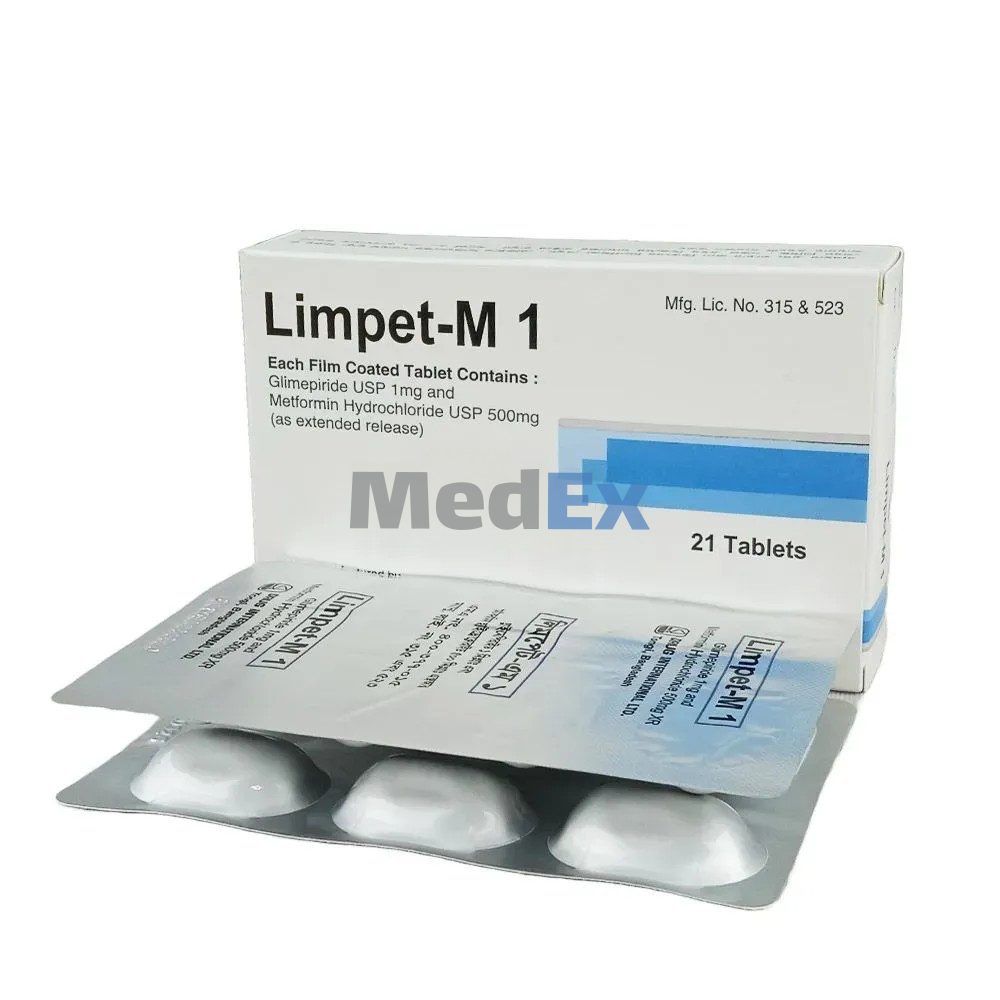
Limpet-M
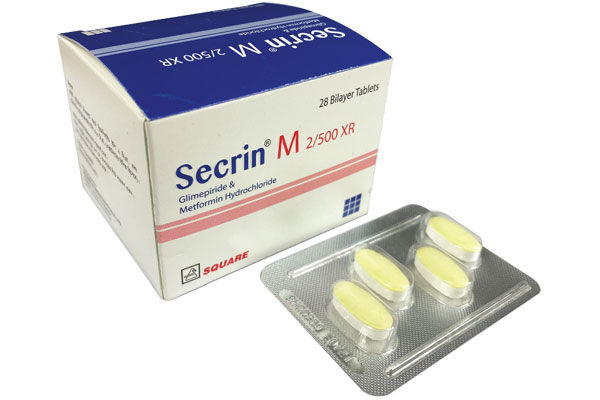
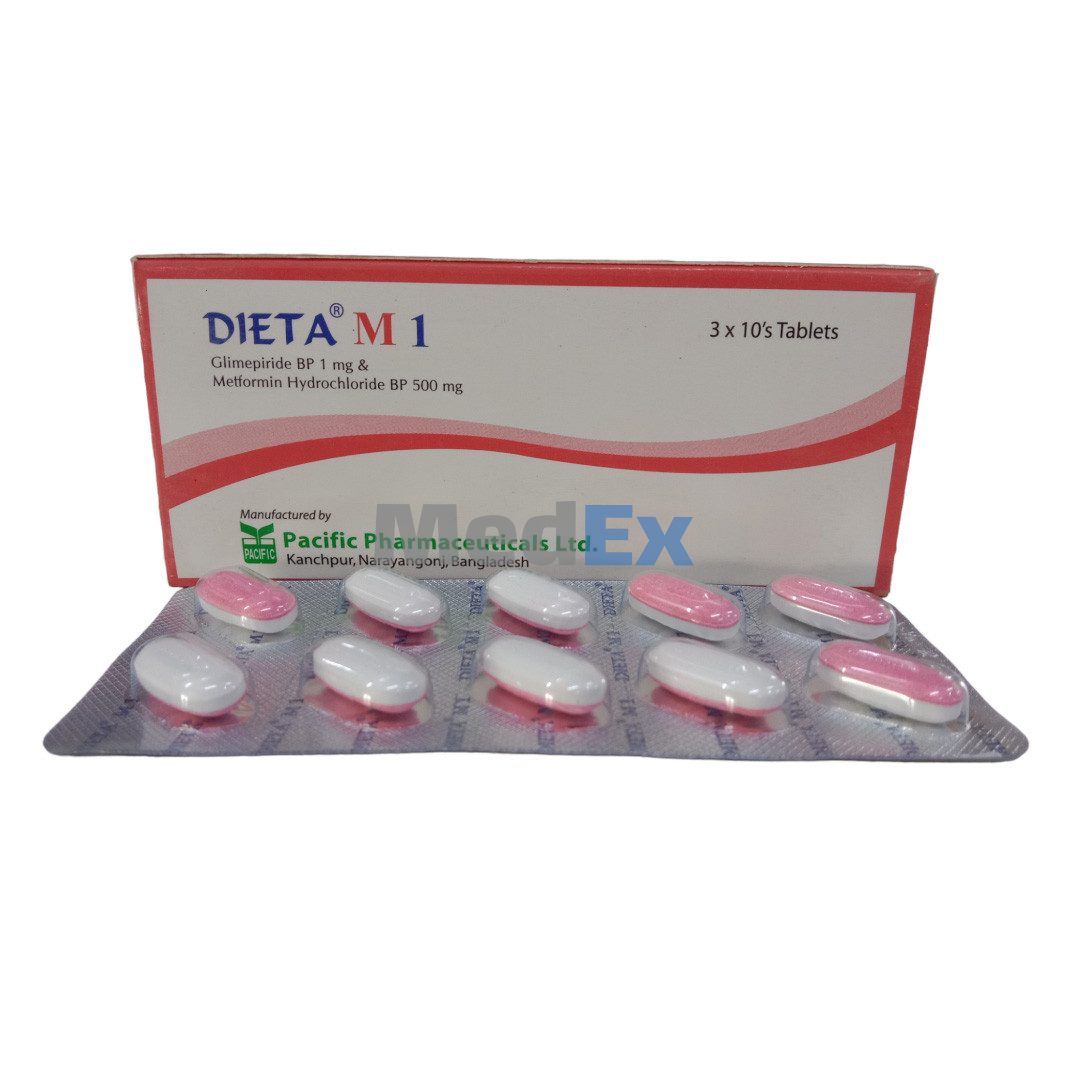
Cheaper & Alternative Brands
Same generic (Glimepiride + Metformin), same form (Tablet (Extended Release))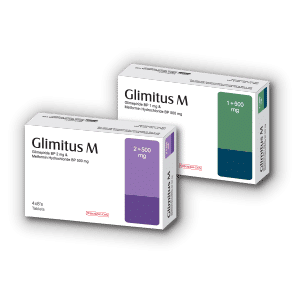



Clinical Prescribing Information
Medical monograph and safety information for healthcare professionals & patients.Indications & Clinical Uses
Amaryl M tablet is indicated as an adjunct to diet and exercise in type 2 diabetes mellitus patients-
In case that the monotherapy with glimepiride or metformin does not result in adequate glycemic control.
Replacement of combination therapy of glimepiride and metformin.
Contraindications
For Glimepiride
-
In patients hypersensitive to glimepiride, metformin, other sulfonylureas, other sulfonamides, or any of the excipients of Amaryl M.
In pregnant women.
In breastfeeding women.
No experience has been gained concerning the use of glimepiride in patients with severe impairment of liver function and in dialysis patients. In patients with severe impairment of hepatic function, change-over to insulin is indicated, not least to achieve optimal metabolic control.
For Metformin
-
Hypersensitivity to metformin or any of the excipients.
Any type of acute metabolic acidosis such as lactic acidosis Diabetic ketoacidosis, diabetic pre-coma.
Severe Renal failure or renal disfunction (e.g., serum creatine levels >135 μmol/L in males and >110 μmol/L in females), GFR < 30 mL/min.
Acute conditions with the potential to alter renal function such as Dehydration, severe infection, intravascular administration of iodinated contrast agents etc.
Acute or chronic disease which may cause tissue hypoxia such as cardiac or respiratory failure, recent myocardial infarction, shock
Hepatic insufciency.
Acute alcohol intoxication, alcoholism.
Lactation.
Side Effects & Adverse Reactions
For Glimepiride
:
Metabolism and nutrition disorders-
As a result of the blood-glucose-lowering action of glimepiride, Hypoglycaemia which may also be prolonged.
The clinical picture of a severe hypoglycaemic attack may resemble that of a stroke.
Eye disorders: Especially at the start of treatment, there may be temporary visual impairment due to the change in blood glucose levels. The cause is a temporary alteration in the turgidity and hence the refractive index of the lens, this being dependent on blood glucose level.
Gastrointestinal disorders-
Occasionally, Gastrointestinal symptoms such as nausea, vomiting, sensations of pressure or fulness in the epigastrium, abdominal pain and diarrhea may occur.
In isolated cases, there may be hepatitis, elevation of liver enzyme levels and/or cholestasis and jaundice, which may progress to life-threatening liver failure.
Dysgeusia (frequency not known)
Blood and lymphatic system disorders-
Changes in the blood picture may occur: Rarely, thrombocytopenia and, in isolated cases, leucopenia, hemolytic anemia, erythrocytopenia, granulocytopenia, agranulocytosis or pancytopenia may develop. Cases of severe thrombocytopenia with platelet count less than 10,000/μl and thrombocytopenic purpura have been reported in post-marketing experience (frequency not known).
Skin and subcutaneous tissue disorders: Alopecia (frequency not known)
General disorders-
Occasionally, Allergic or pseudo allergic reactions may occur, e.g. in the form of itching, urticaria or rashes. Such mild reactions may develop into serious reactions with dyspnoea and a fall in blood pressure, sometimes progressing to shock.
In isolated cases, a decrease in serum sodium concentration and allergic vasculitis or hypersensitivity of the skin to light may occur.
Investigations: Glimepiride, like all sulfonylureas, can cause weight gain (frequency not known)
For Metformin
:
Gastrointestinal symptoms such as nausea, vomiting, diarrhoea, abdominal pain and loss of appetite (>10%) are very common. These occur most frequently during initiation of therapy and resolve spontaneously in most cases.
Metallic taste (3%) is common
Decrease of vitamin B12 absorption with decrease of serum levels has been observed in patients treated long-term with metformin and appears generally to be without clinical signifcance (<0.01%). However, Cases of peripheral neuropathy in patients with vitamin B12 defciency have been reported in post-marketing experience (frequency not known). (frequency unknown)
Lactic acidosis (0.03 cases/1000 patient-years) is very rare
Hemolytic anemia (frequency unknown)
Reduction of thyrotropin level in patients with hypothyroidism (frequency unknown)
Hypomagnesemia in the context of diarrhea (frequency unknown)
Encephalopathy (frequency unknown)
Photosensitivity (frequency unknown)
Hepatobiliary disorders: Reports of liver function tests abnormalities and hepatitis resolving upon metformin discontinuation
Warnings & Precautions
For Glimepiride
: In the initial weeks of treatment, the risk of hypoglycemia may be increased and necessitates especially careful monitoring. If risk factors for hypoglycemia are present, it may be necessary to adjust the dosage of glimepiride or the entire therapy. This also applies whenever illness occurs during therapy or the patient's life-style changes. It is known from other sulfonylureas that, despite initially successful countermeasures, hypoglycaemia may recur. Patients must, therefore, remain under close observation. Severe hypoglycaemia further requires immediate treatment and follow-up by a physician and, in some circumstances, in-patient hospital care. Treatment of patients with G6PD-defciency with sulfonylurea agents can lead to hemolytic anaemia. Since glimepiride belongs to the class of sulfonylurea agents, caution should be used in patients with G6PD-defciency and a non-sulfonylurea alternative should be considered.
For Metformin
: Regular monitoring of thyroid-stimulating hormone (TSH) levels is recommended in patients withhypothyroidism. Long-term treatment with metformin has been associated with a decrease in vitamin B12 serumlevels which may cause peripheral neuropathy. Monitoring of the vitamin B12 level is recommended.
Pharmacology & Mechanism of Action
Glimepiride is a sulfonylurea antidiabetic agent which decreases blood glucose concentration. The primary mechanism of action of Glimepiride appears to be dependent on stimulating the release of insulin from functioning pancreatic beta cells. Glimepiride acts in concert with glucose by improving the sensitivity of beta cells to physiological glucose stimulus, resulting in insulin secretion. In addition, extrapancreatic effects like reduction of basal hepatic glucose production, increased peripheral tissue sensitivity to insulin and glucose uptake may also play role in the activity of Glimepiride. In non-fasting diabetic patients, the hypoglycaemic action of a single dose of Glimepiride persists for 24 hours.
Metformin Hydrochloride is a biguanide type oral antihyperglycemic drug used in the management of type 2 diabetes. It lowers both basal and postprandial plasma glucose. Its mechanism of action is different from those of sulfonylureas and it does not produce hypoglycemia. Metformin Hydrochloride decreases hepatic glucose production, decreases intestinal absorption of glucose and improves insulin sensitivity by an increase in peripheral glucose uptake and utilization.