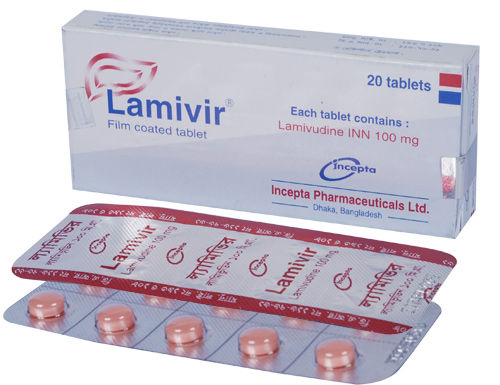
Lamivir
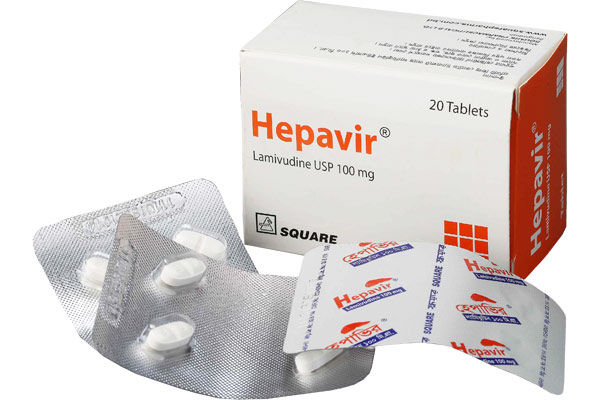
Cheaper & Alternative Brands
Same generic (Lamivudine [For Chronic Hepatitis B]), same form (Tablet)
Clinical Prescribing Information
Medical monograph and safety information for healthcare professionals & patients.Indications & Clinical Uses
Hepavir is indicated for the treatment of chronic hepatitis B associated with evidence of hepatitis B viral replication and active liver inflammation.
Dosage & Administration
The recommended oral dose of Lamivudine for the treatment of chronic hepatitis B in adults is 100 mg once daily.
Contraindications
Lamivudine is contraindicated in patients hypersensitive to any of the components of the product.
Side Effects & Adverse Reactions
Several serious adverse events reported with Hepavir (lactic acidosis and severe hepatomegaly with steatosis, post treatment exacerbations of hepatitis B, pancreatitis, and emergence of viral mutants associated with reduced drug susceptibility and diminished treatment response). Malaise, fatigue, fever, ENT infections, sore throat, nausea, vomiting, abdominal discomfort, pain, diarrhea, myalgia, arthralgia, headache, skin rashes may occur. Lactic acidosis and severe hepatomegaly with steatosis, have been reported.
Warnings & Precautions
Patients should be assessed before beginning treatment and during treatment with Hepavir by a physician experienced in the management of chronic hepatitis B.
Pharmacology & Mechanism of Action
Lamivudine is a synthetic nucleoside analogue. Lamivudine is phosphorylated intracellularly to lamivudine triphosphate. Incorporation of the monophosphate form into viral DNA occurs by hepatitis B virus (HBV) polymerase. As a result DNA chain is terminated. Lamivudine triphosphate also inhibits the RNA and DNA-dependent DNA polymerase activities of HIV-1 reverse transcriptase (RT). Lamivudine triphosphate is a very weak inhibitor of mammalian alpha, beta, and gamma-DNA polymerases.