
Lamitan
Cheaper & Alternative Brands
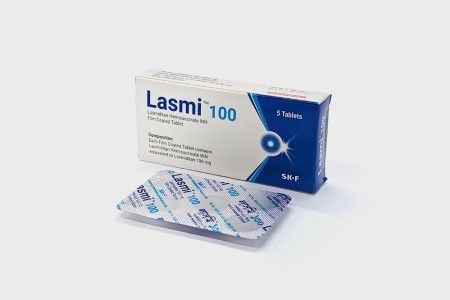
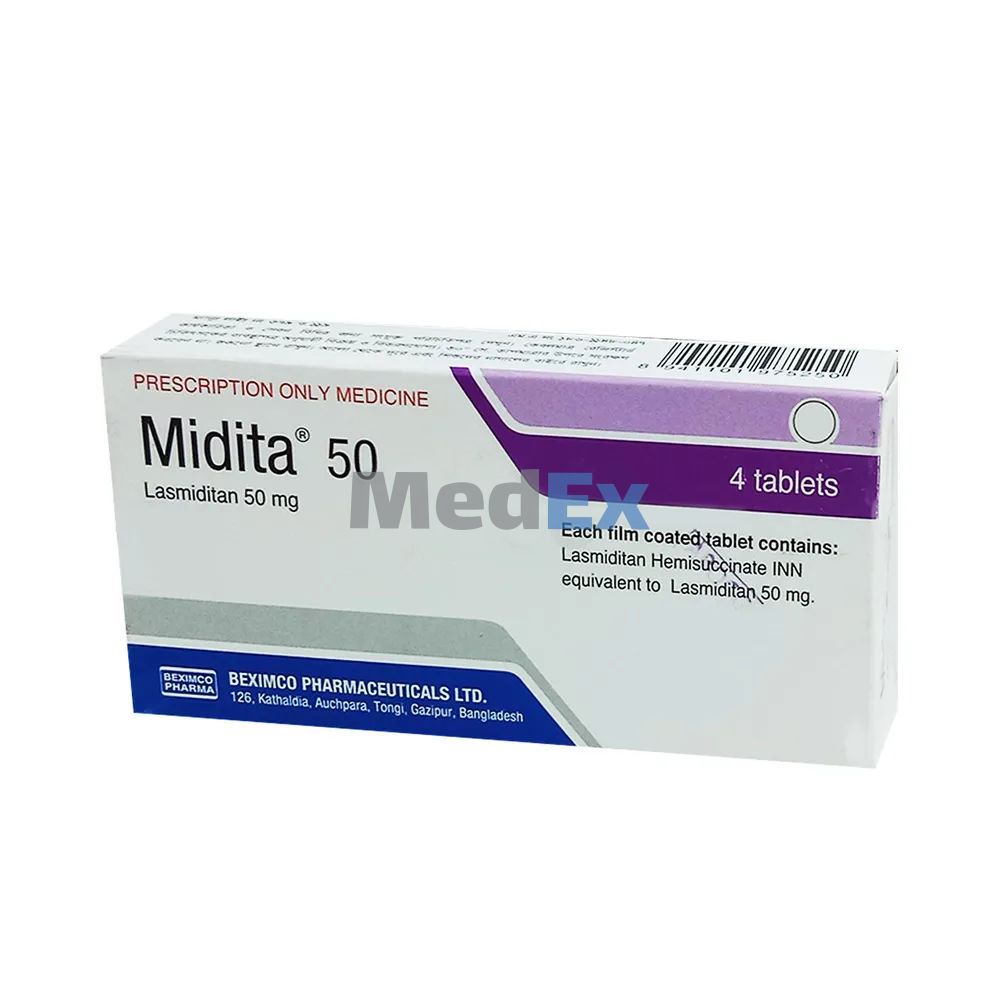
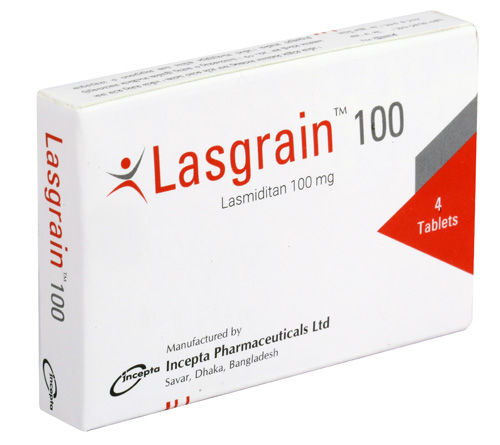
Same generic (Lasmiditan Hemisuccinate), same form (Tablet)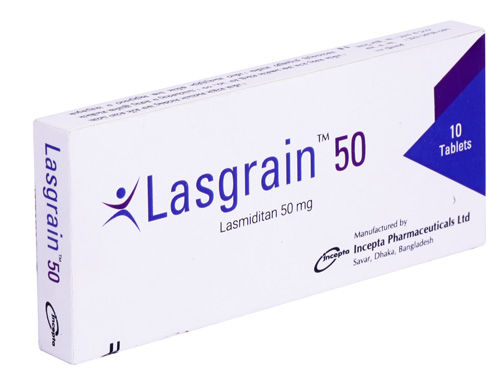
Clinical Prescribing Information
Medical monograph and safety information for healthcare professionals & patients.Indications & Clinical Uses
Lamitan is indicated for the acute treatment of migraine with or without aura in adults. Lamitan is not indicated for the preventive treatment of migraine.
Dosage & Administration
The recommended dose of Lasmiditan is 50 mg, 100 mg, or 200 mg taken orally, as needed. No more than one dose should be taken in 24 hours, and Lasmiditan should not be taken unless the patient can wait at least 8 hours between dosing and driving or operating machinery. A second dose of Lasmiditan has not been shown to be effective for the same migraine attack. The safety of treating an average of more than 4 migraine attacks in a 30-day period has not been established. Lasmiditan may be taken with or without food.
Pediatric Use
: Safety and effectiveness in pediatric patients have not been established.
Hepatic Impairment
: No dosage adjustment is needed for patients with mild or moderate hepatic impairment (Child-Pugh A or B). In patients with severe hepatic impairment (Child-Pugh C) and its use in these patients is not recommended.
Side Effects & Adverse Reactions
The most common side effects of Lamitan include: Dizziness, Fatigue, Paresthesia, Sedation.
Warnings & Precautions
Driving Impairment
: Advise patients not to drive or operate machinery until at least 8 hours after taking each dose of Lamitan. Patients who cannot follow this advice should not take Lamitan. Patients may not be able to assess their own driving competence and the degree of impairment caused by Lamitan.
Central Nervous System (CNS) Depression
: Lamitan may cause CNS depression and should be used with caution if used in combination with alcohol or other CNS depressants.
Serotonin Syndrome
: Reactions consistent with serotonin syndrome were reported in patients treated with Lamitan. Discontinue Lamitan if symptoms of serotonin syndrome occur.
Medication Overuse Headache
: Detoxification may be necessary.
Pharmacology & Mechanism of Action
The acute treatment of migraine headaches has, in the past, been achieved via constriction of cerebral blood vessels, as the acute dilation of these vessels observed during migraines was thought to be the cause of the associated pain. The neurogenic hypothesis of migraine pathophysiology, an alternative to the vascular hypothesis, suggests that cerebral vasodilation is a secondary mechanism in migraine pathogenesis, and that the main contributor to migraine headache pain is the increased pathogenic firing of trigeminal nerve pathways.
While the precise mechanism of action of lasmiditan is unclear, it likely supports this neurogenic hypothesis by exerting its therapeutic effects through potent and selective agonism of the 5-HT
1F
receptor. 5-HT
1F
receptors are found in both the central and peripheral nervous system (on the central and peripheral ends of trigeminal neurons) and appear to contribute to hyperpolarization of nerve terminals and inhibition of trigeminal neuronal activity. Lasmiditan's agonism at these receptors may, therefore, inhibit the firing of trigeminal nerves responsible for migraine headache pain. Lasmiditan has virtually no affinity for other 5-HT receptor subtypes or monoamine receptors (e.g. adrenergic, dopaminergic).