L-con
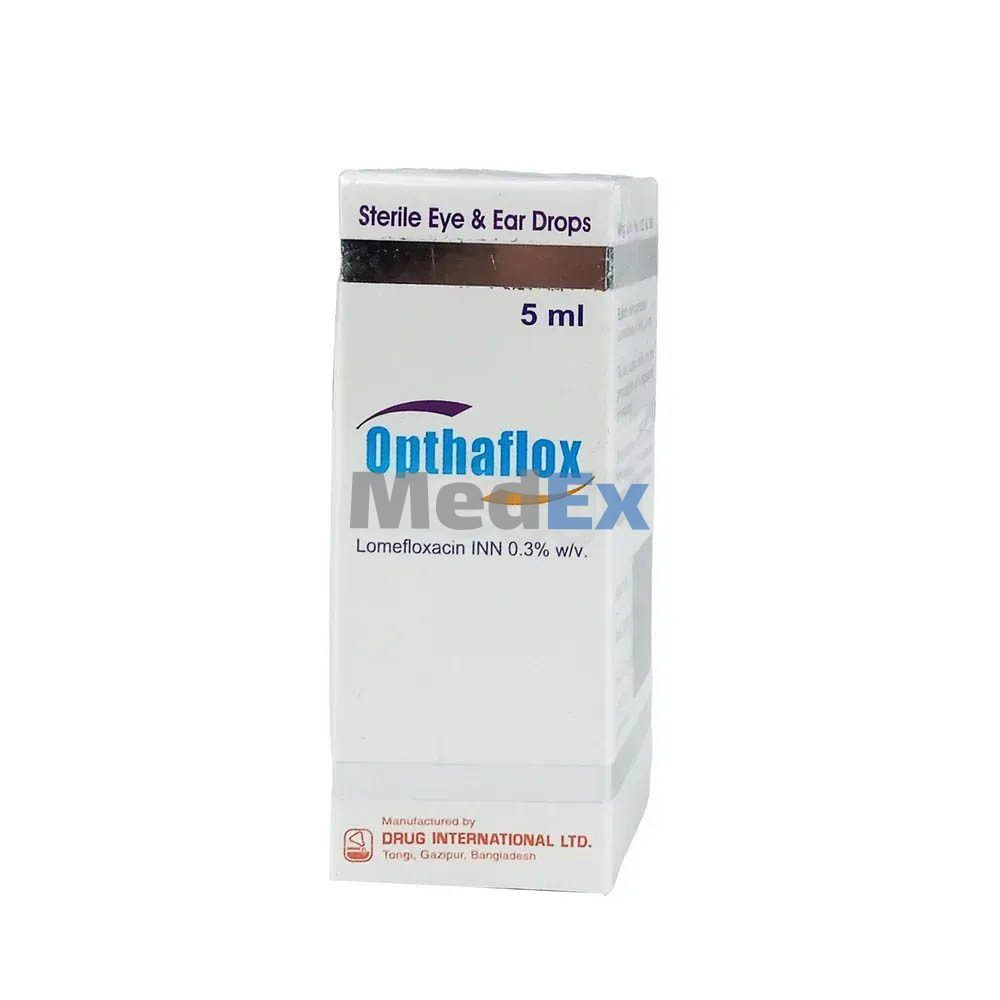
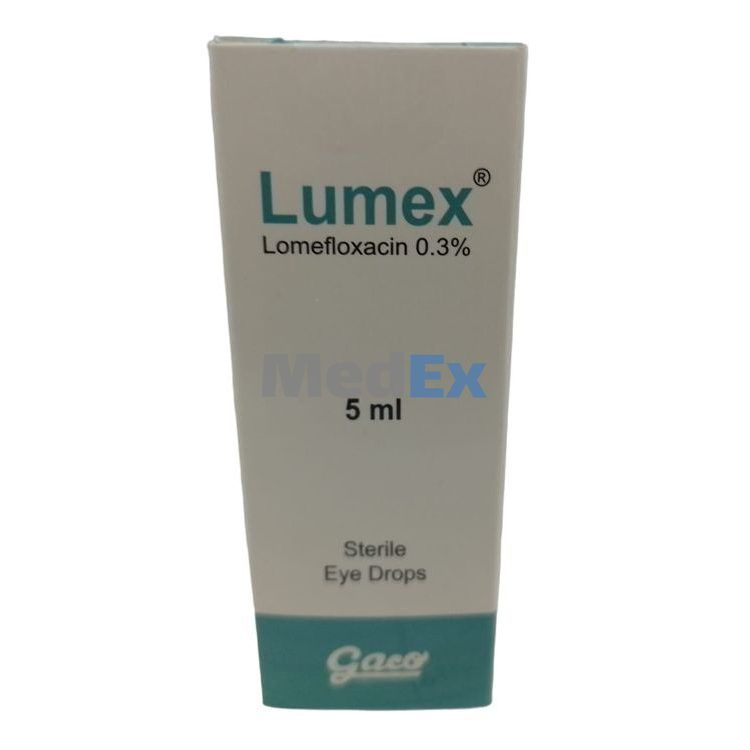
Cheaper & Alternative Brands
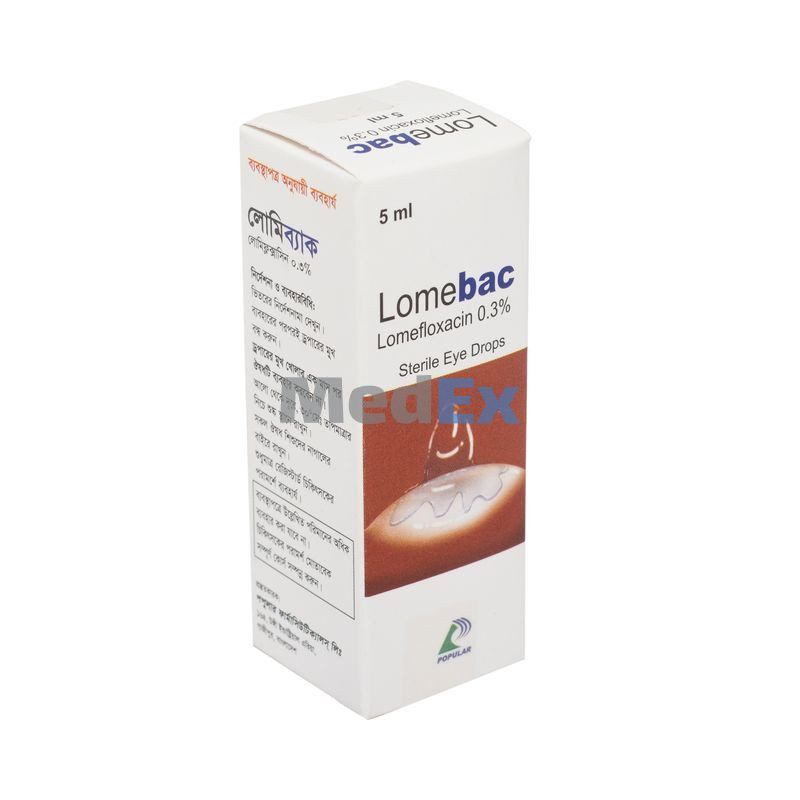
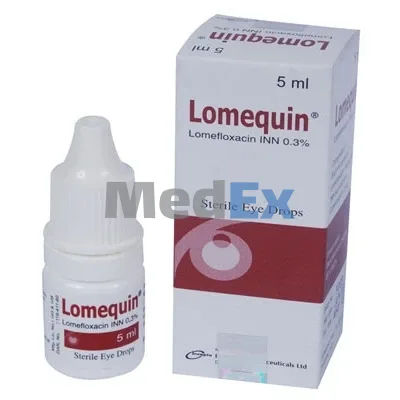
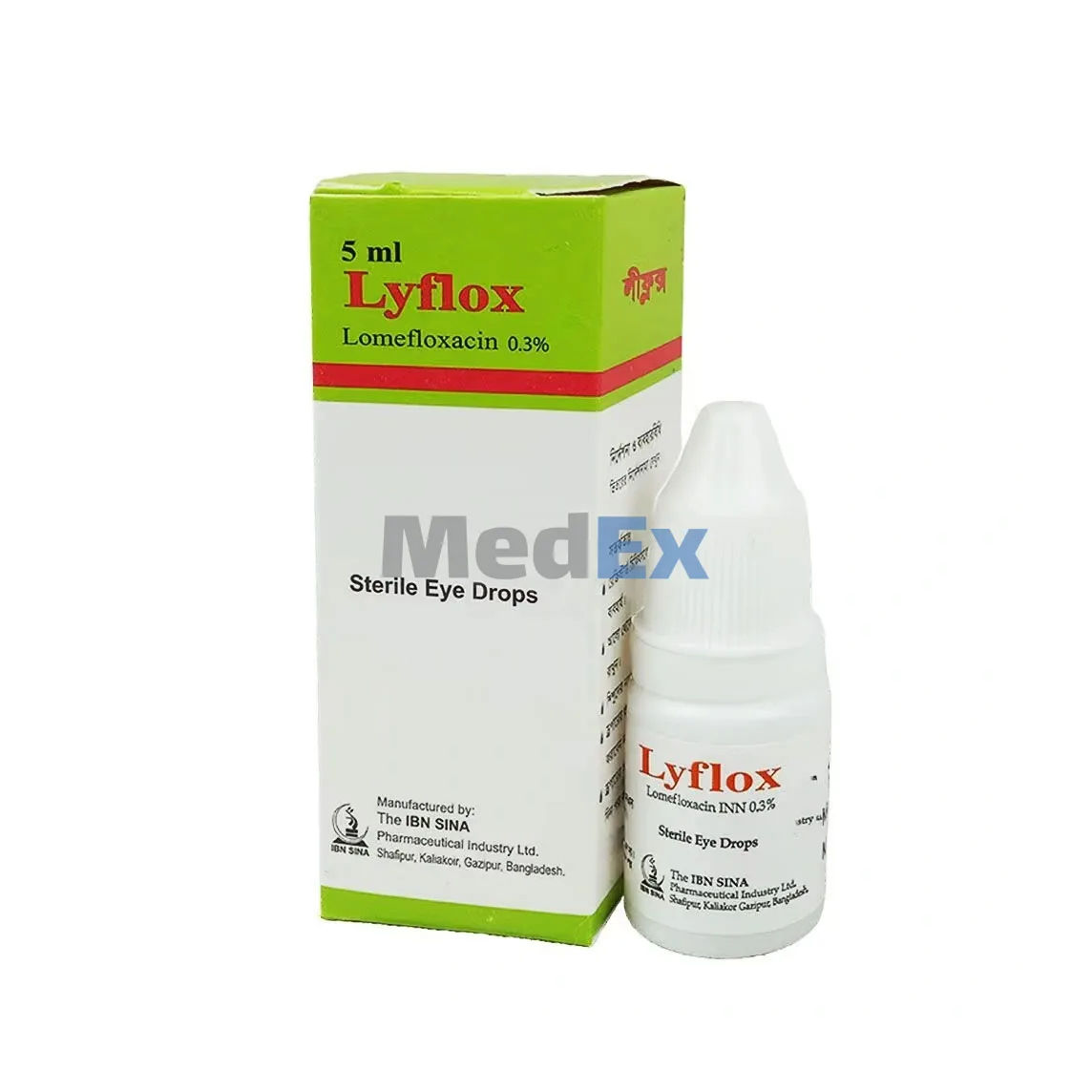
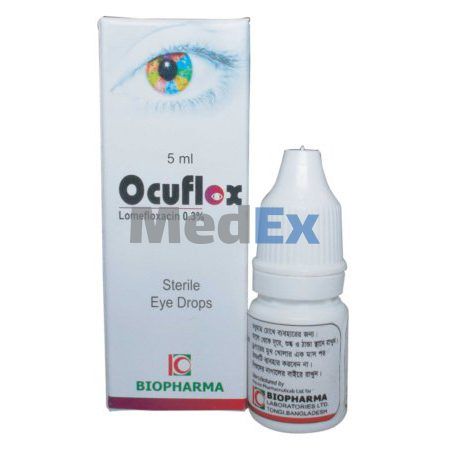
Same generic (Lomefloxacin), same form (Ophthalmic Solution)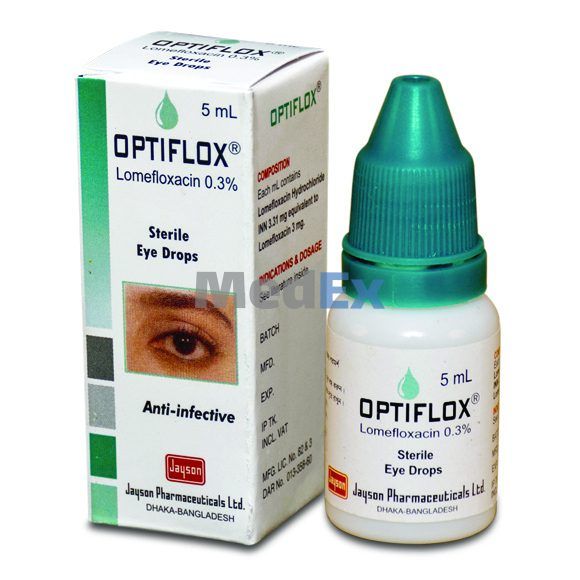
Clinical Prescribing Information
Medical monograph and safety information for healthcare professionals & patients.Indications & Clinical Uses
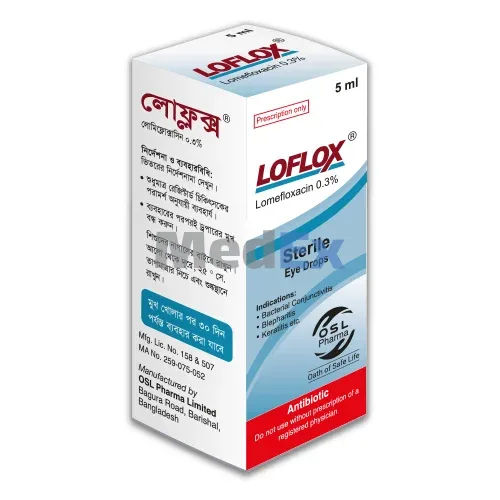
L-con is indicated for bacterial infections, including bacterial conjunctivitis, blepharitis, and blepharo-conjunctivitis which are due to L-con susceptible germs. It is also indicated for the treatment of keratitis and corneal ulcer.
Dosage & Administration
Adults and children (above 1 year of age): Instill one drop 2 times daily into the lower conjunctival sac. At the beginning of treatment, application should be more frequent, apply 5 drops within 20 minutes or 1 drop every hour during 6 -10 hours.
Contraindications
Lomefloxacin is contraindicated in persons with a known hypersensitivity to any component of this product.
Side Effects & Adverse Reactions
Slight and transient burning immediately after instillation of the eye drops has been reported in 4.7% of users. Although phototoxicity has not been reported after ophthalmic use, photosensitization is possible. Since the following allergic reactions have been reported after systemic use of L-con, they can not be excluded after topical ophthalmic use: allergic reactions, asthma, dyspnoea, urticaria, erythema, pruritus, and hypersensitization.
Warnings & Precautions
L-con eye drops contains Benzalkonium Chloride as a preservative, which can permeate into soft hydrophilic contact lenses. For this reason soft hydrophilic contact lenses should be taken out before applying L-con eye drops, and be replaced after 15 minutes.
Pharmacology & Mechanism of Action
Lomefloxacin is a difluorinated quinolone. It is bactericidal with a broad spectrum of antibacterial activity. Lomefloxacin interferes with bacterial DNA related processes like initiation, elongation, and termination phases of replication, transcription, DNA repair, recombination, transposition, supercoiling and relaxation of DNA. The target molecule for quinolones is the subunit of bacterial enzyme gyrase (topoisomerase II). The forming of a stable complex between the quinolone and the whole gyrase tetramer A2B2 leads to impaired enzyme functions, resulting in a rapid killing of sensitive bacteria. Plasmid mediated transfer of resistance has not been observed so far. Cross-resistance has only been reported with other quinolones, but not with any other group of antibiotics.