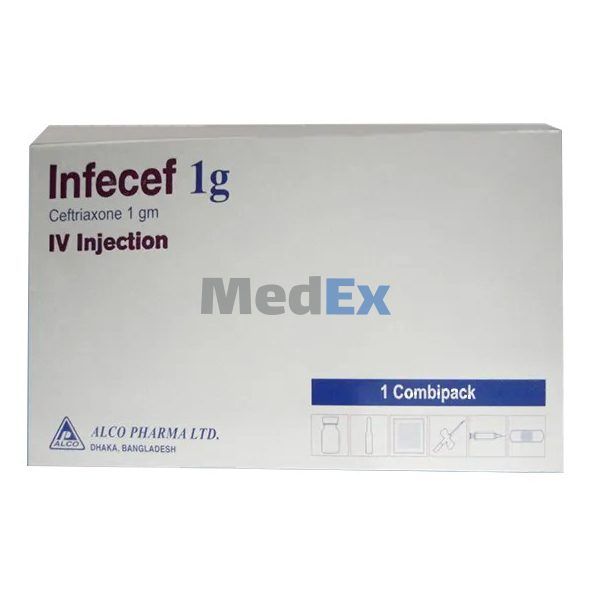
Infecef
Cheaper & Alternative Brands
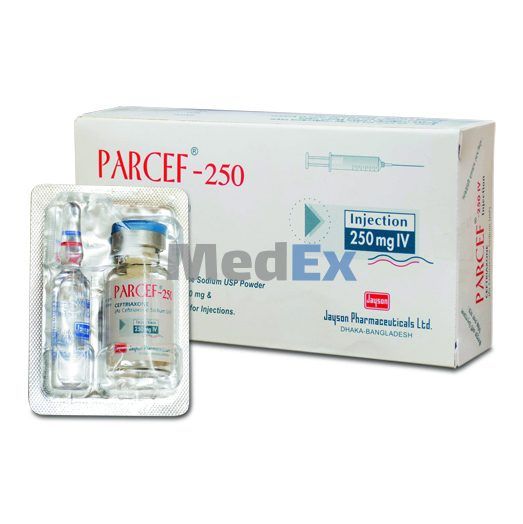
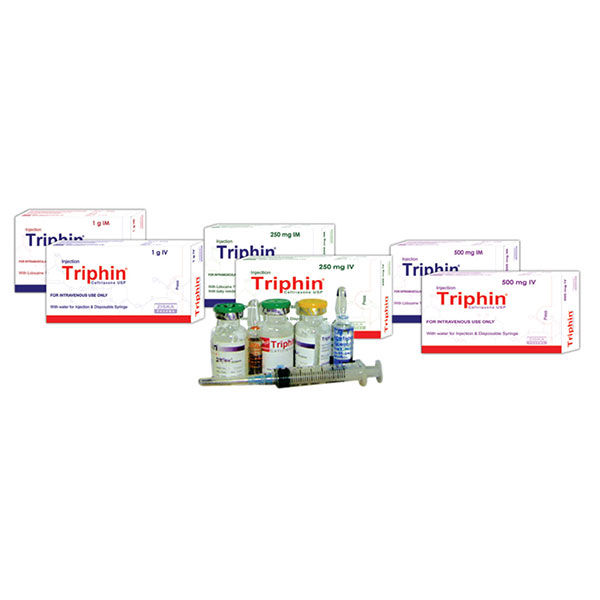
Same generic (Ceftriaxone Sodium), same form (IV Injection)
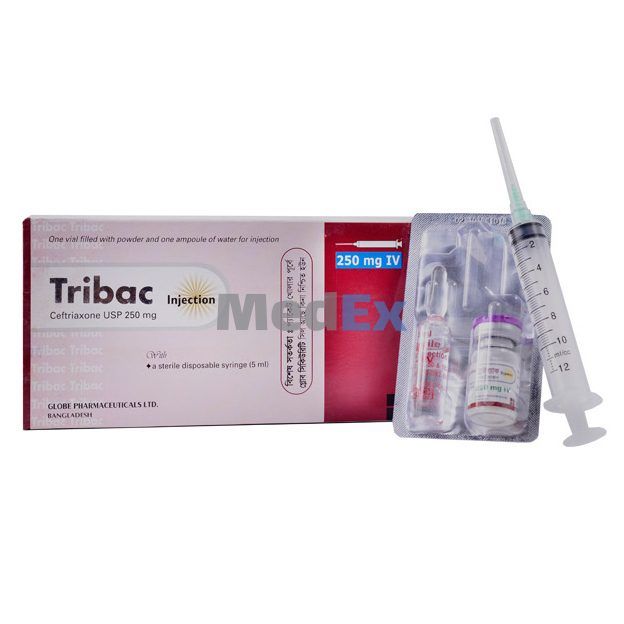
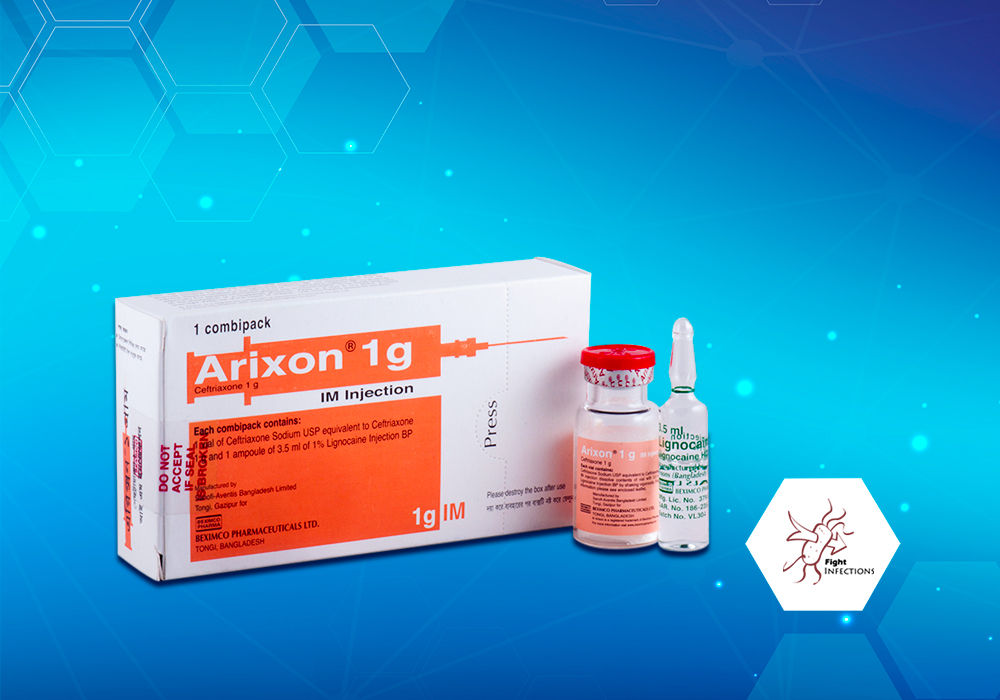

Clinical Prescribing Information
Medical monograph and safety information for healthcare professionals & patients.Indications & Clinical Uses
Aciphin injection is indicated for the treatment of the following major infections:
Lower respiratory tract infections
Acute Bacterial Otitis Media
Skin and skin structure infections
Urinary tract infections
Gonorrhea
Bacterial Septicemia
Bone and joint infections
Meningitis
Prevention of postoperative infections
Perioperative prophylaxis of infections associated with surgery
Contraindications
Ceftriaxone should not be given to patients with a history of hypersensitivity to cephalosporin antibiotics.
Side Effects & Adverse Reactions
Aciphin is generally well tolerated. A few side effects such as gastro-intestinal effects including diarrhea, nausea and vomiting, stomatitis and glossitis; cutaneous reactions including rash, pruritus, urticaria, edema and erythema multiforme; hematologic reactions including eosinophilia, thrombocytopenia, leucopenia, anemia and neutropenia; hepatic reactions including elevations of SGOT or SGPT, bilirubinemia; CNS reactions including nervousness, confusion, sleep disturbances, headache, hyperactivity, convulsion, hypertonia and dizziness were reported. Local phlebitis occurs rarely following intravenous administration but can be minimized by slow injections over 2-4 minutes.
Warnings & Precautions
As with other cephalosporins, anaphylactic shock cannot be ruled out even if a thorough patient history is taken. Anaphylactic shock requires immediate countermeasures such as intravenous epinephrine followed by a glucocorticoid. In rare cases, shadows suggesting sludge have been detected by sonograms of the gallbladder. This condition was reversible on discontinuation or completion of Aciphin therapy. Even if such findings are associated with pain, conservative, nonsurgical management is recommended. During prolonged treatment the blood picture should be checked at regular intervals.
Pharmacology & Mechanism of Action
Ceftriaxone is a 3rd generation broad-spectrum parenteral cephalosporin antibiotic. It has potent bactericidal activity against a wide range of Gram-positive and Gram-negative organisms. Like other cephalosporins and penicillins, Ceftriaxone kills bacteria by interfering with the synthesis of the bacterial cell wall. Ceftriaxone has a high degree of stability in the presence of beta lactamases. A remarkable feature of Ceftriaxone is its relatively long plasma elimination half-life of about 6 to 9 hours, which makes single or once-daily dosage of the drug appropriate for most patients. Ceftriaxone is not metabolized in the body. About 40-65% of a dose of Ceftriaxone is excreted unchanged in the urine; the remainder is excreted in the bile and ultimately found in the feces as unchanged drug and microbiologically inactive compound. The drug is highly protein bound (95%).