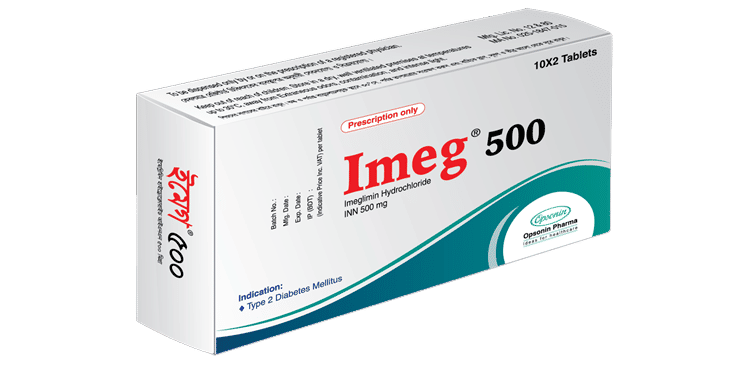
Imeg
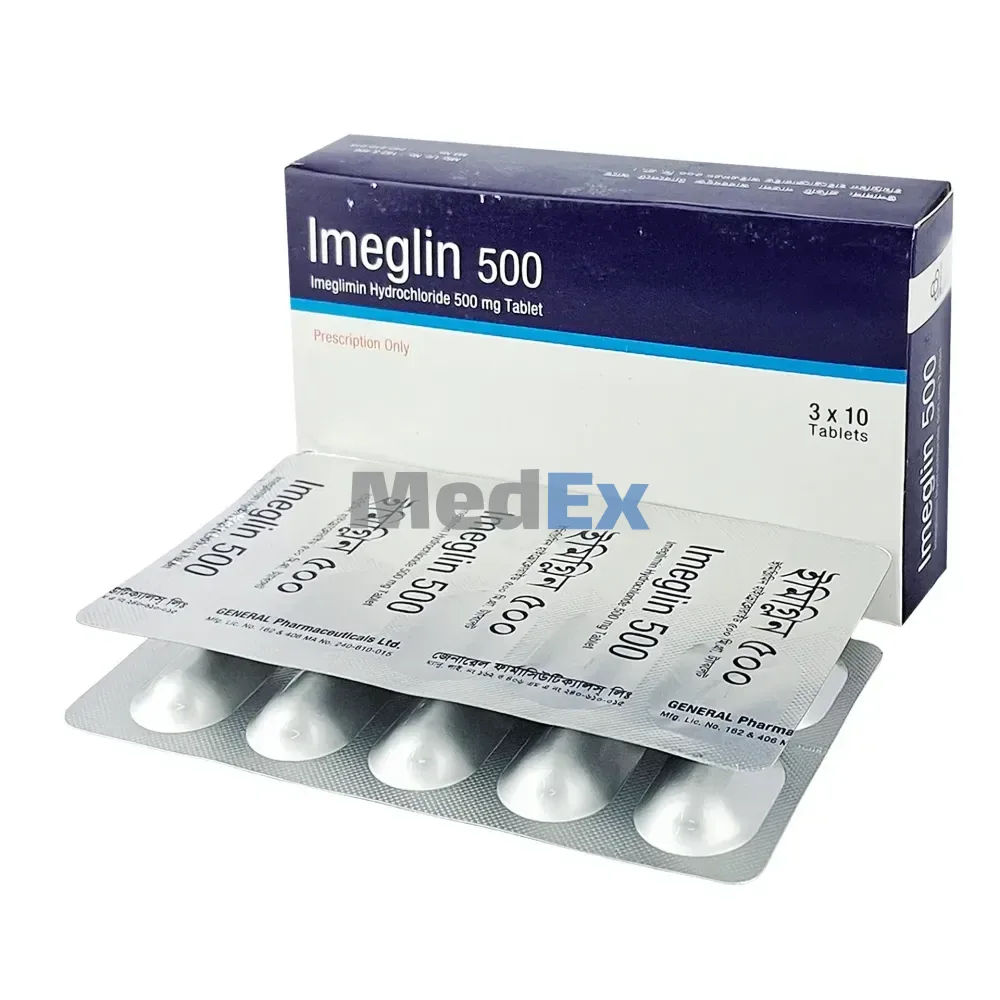
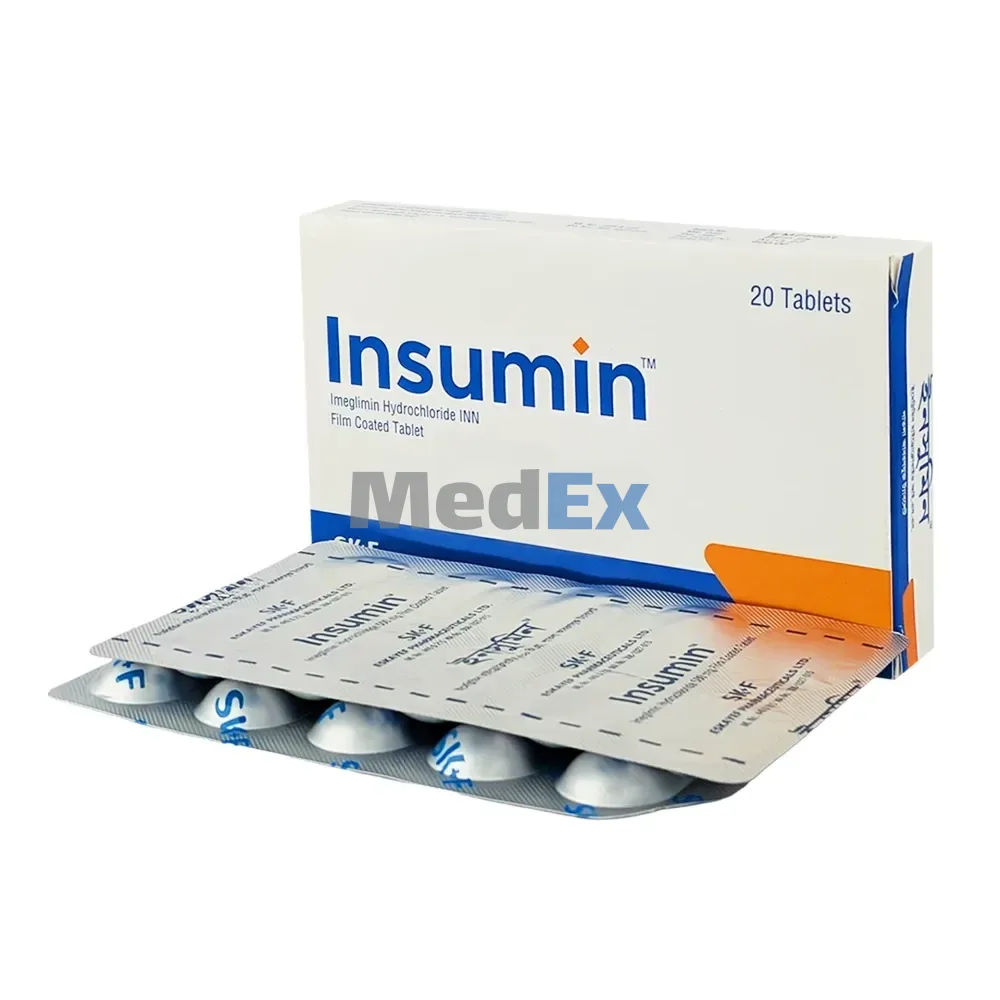
Cheaper & Alternative Brands
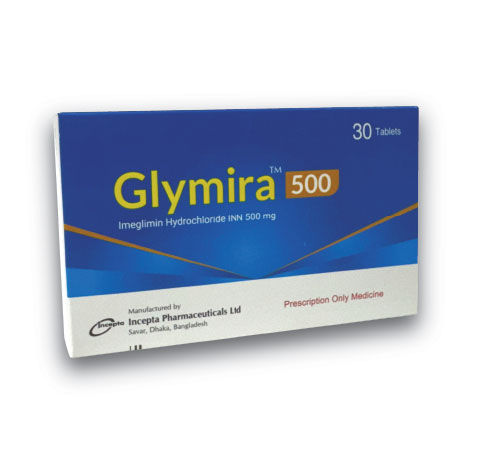
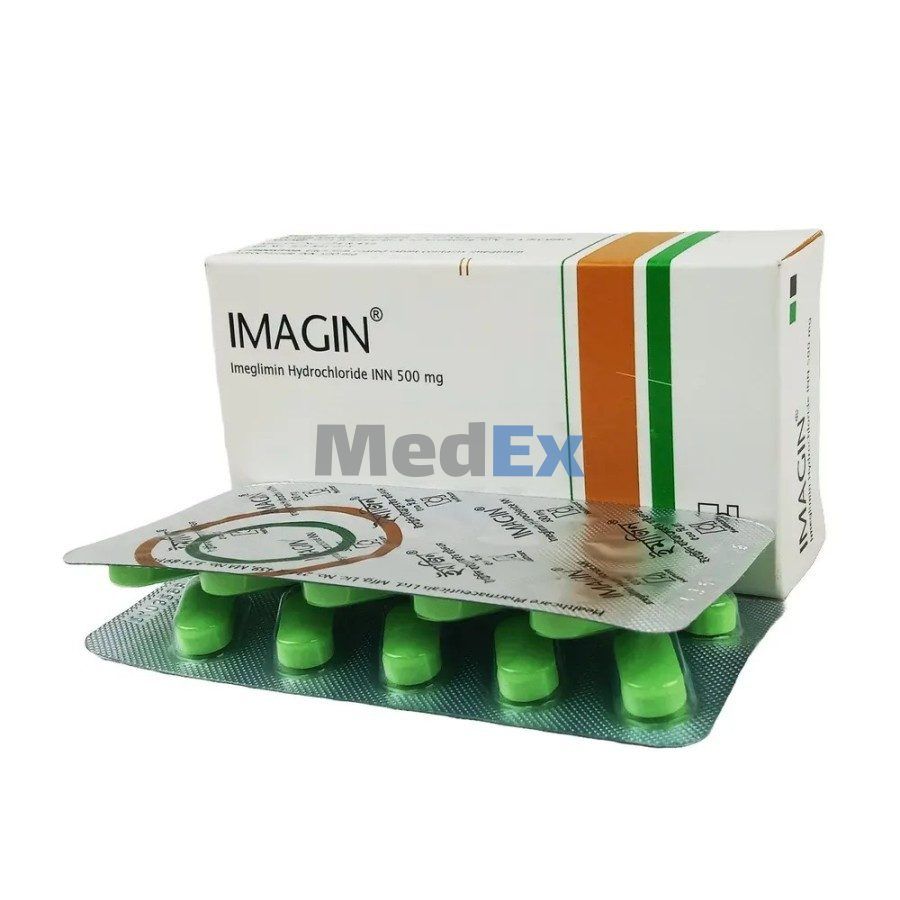
Same generic (Imeglimin Hydrochloride), same form (Tablet)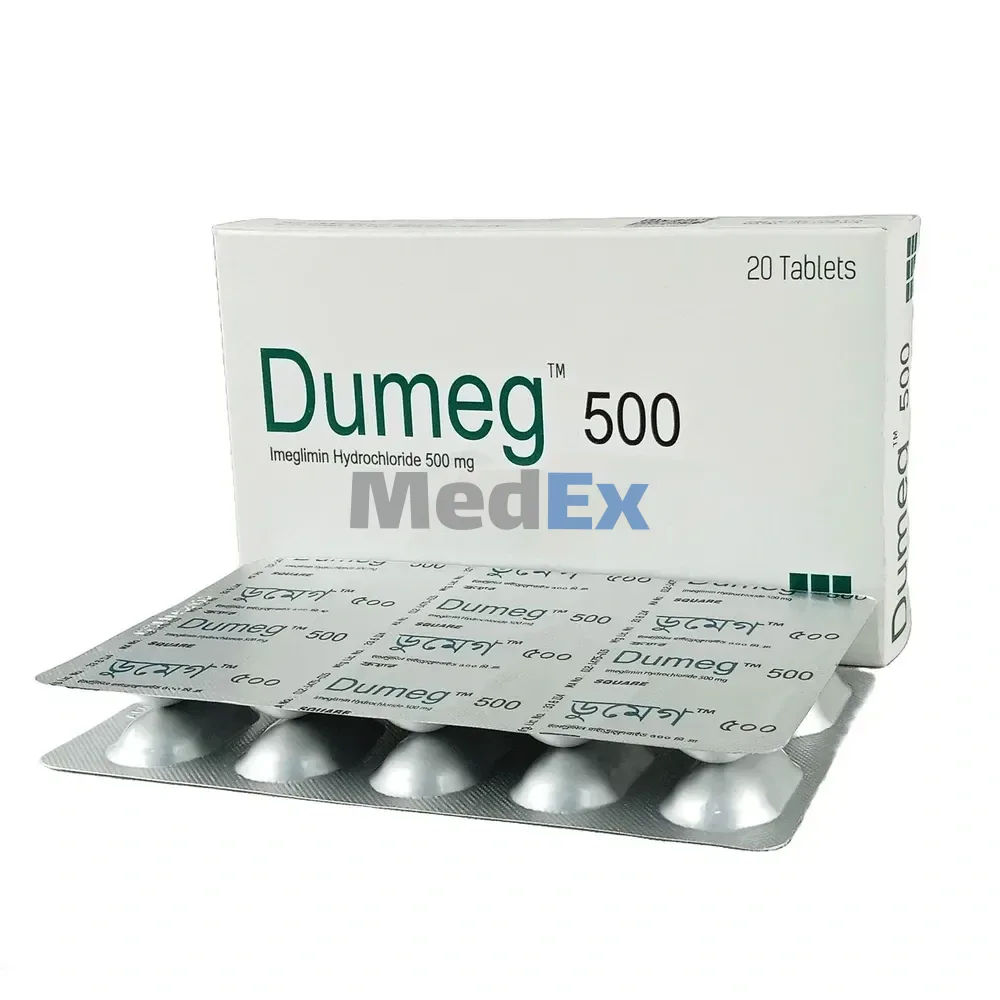


Clinical Prescribing Information
Medical monograph and safety information for healthcare professionals & patients.Indications & Clinical Uses
Dumeg tablet is used for the treatment of Type 2 Diabetes Mellitus as a monotherapy adjunct to diet and exercise.
Dosage & Administration
In general for adults 2 tablets (1,000 mg) at a time, twice a day in the morning and evening. Below instructions should be followed strictly.
If a dose is missed, the missed dose should be taken as soon as possible. However, if it is almost time for the next dose, the missed dose should be skipped and regular dosing schedule should be continued. Two doses should never be taken at one time.
If more than prescribed dose taken accidentally, consult with your doctor immediately
Contraindications
Imeglimin tablets are contraindicated in patients with:
Hypersensitivity to the drug or any of its components.
Severe ketosis, diabetic coma or pre-coma and also for immediate remedy in type 1 diabetes of hyperglycemias with infusion and insulin.
Side Effects & Adverse Reactions
The most commonly reported side effects include nausea, diarrhea and constipation. Weakness, hungry feeling, sweating (hypoglycaemia) may also occur.
Warnings & Precautions
This medicine may cause hypoglycemic symptoms. Therefore pay close attention while working at heights, drive a car, or operate dangerous machinery.
If hypoglycemic symptoms occur, take sugar-containing foods or sugar. If you are taking alfa-glucosidase inhibitor (acarbose, voglibose, miglitol) in combination with this medicine, take glucose.
Dosage reduction might be required for patients with renal impairment, eGFR<15 ml/min/1.73 m2
Pharmacology & Mechanism of Action
Imeglimin's mechanism of action involves dual effects:
Amplification of glucose-stimulated insulin secretion (GSIS) and preservation of β-cell mass; and
Enhanced insulin action, including the potential for inhibition of hepatic glucose output and improvement in insulin signalling in both liver and skeletal muscle.
Imeglimin's mechanism of action involves dual effects: (a) amplification of glucose-stimulated insulin secretion (GSIS) and preservation of β-cell mass; and (b) enhanced insulin action, including the potential for inhibition of hepatic glucose output and improvement in insulin signalling in both liver and skeletal muscle. At a cellular and molecular level, Imeglimin's underlying mechanism may involve correction of mitochondrial dysfunction, a common underlying element of T2D pathogenesis. It has been observed to rebalance respiratory chain activity (partial inhibition of Complex I and correction of deficient Complex III activity), resulting in reduced reactive oxygen species formation (decreasing oxidative stress) and prevention of mitochondrial permeability transition pore opening (implicated in preventing cell death). In islets derived from diseased rodents with T2D, Imeglimin also enhances glucose-stimulated ATP generation and induces the synthesis of nicotinamide adenine dinucleotide (NAD+) via the 'salvage pathway'. In addition to playing a key role as a mitochondrial co-factor, NAD
+
metabolites may contribute to the increase in GSIS (via enhanced Ca
++
mobilization). Imeglimin has also been shown to preserve β-cell mass in rodents with T2D. Overall, Imeglimin appears to target a key root cause of T2D: defective cellular energy metabolism. This potential mode of action is unique and has been shown to differ from that of other major therapeutic classes, including biguanides, sulphonylureas and glucagon-like peptide-1 receptor agonists.