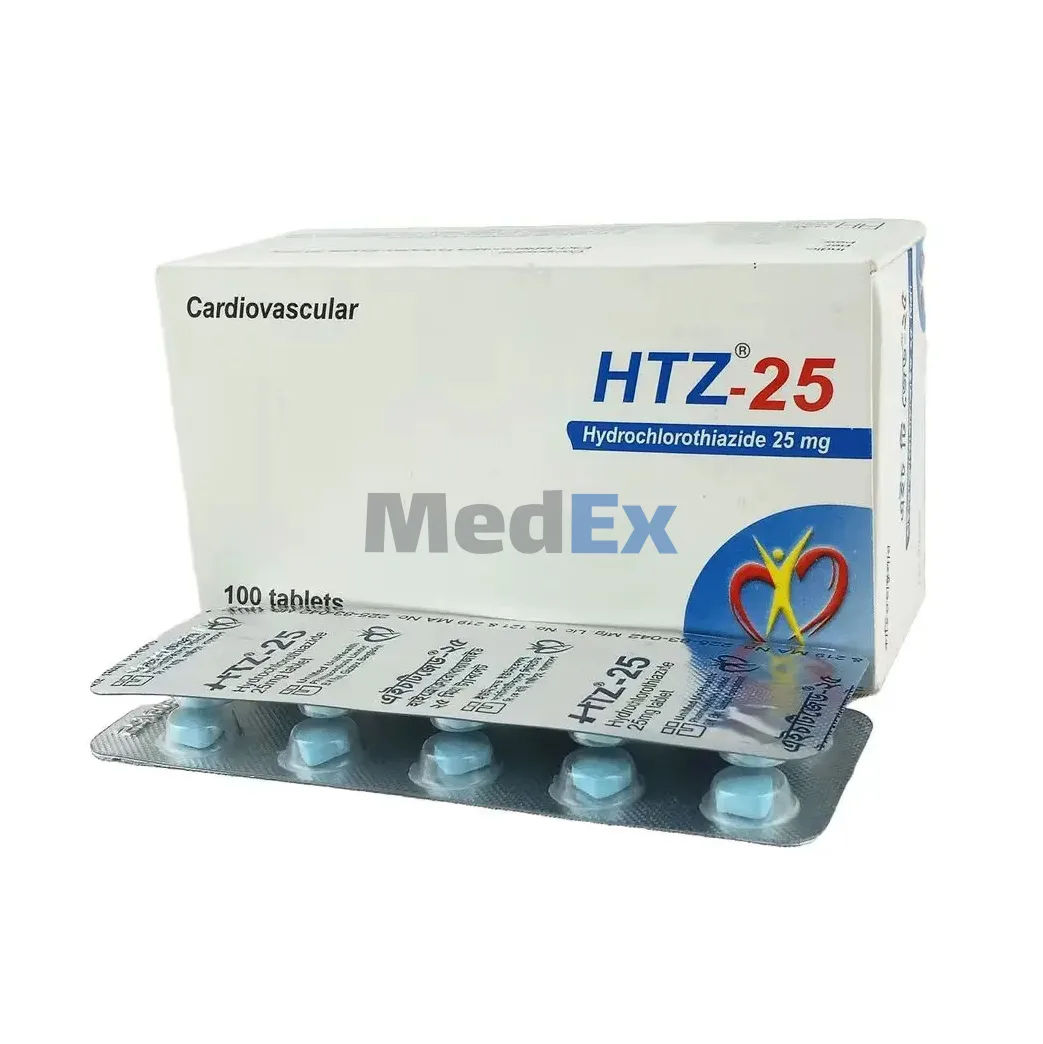
HTZ
Cheaper & Alternative Brands
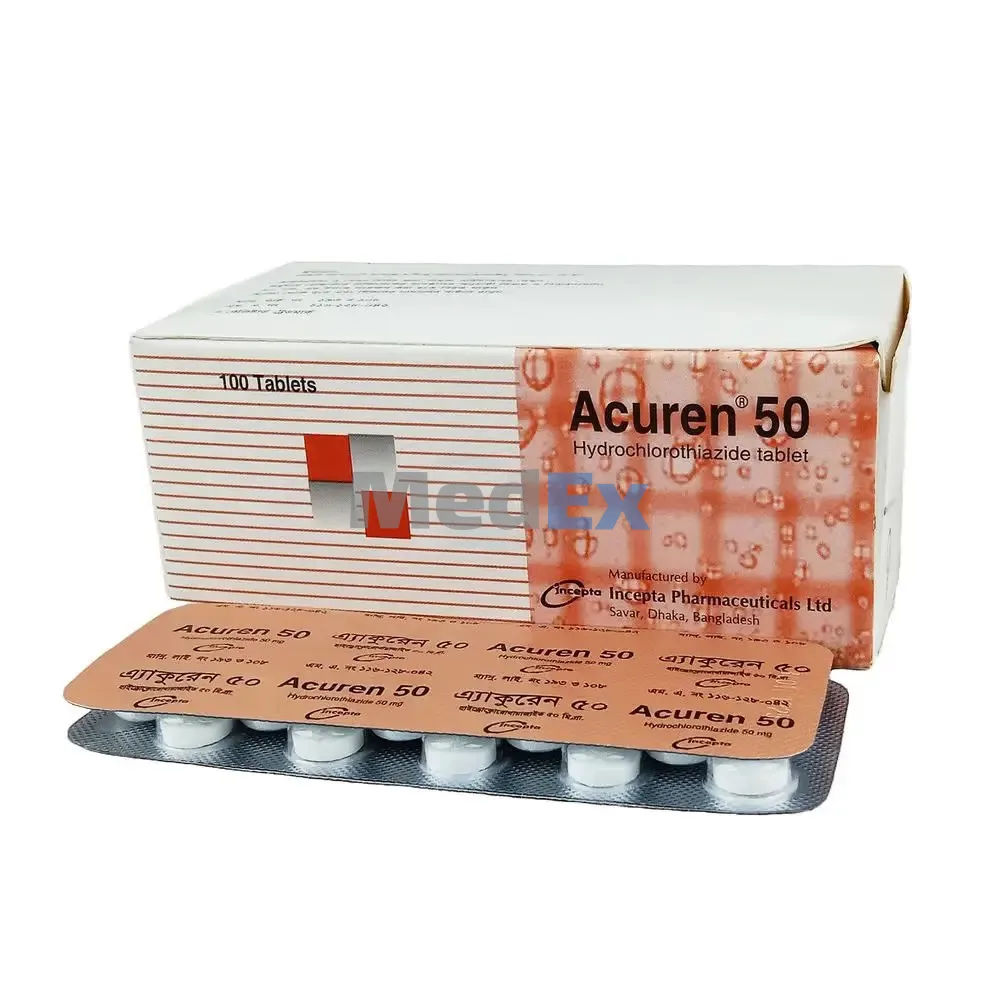
Same generic (Hydrochlorothiazide), same form (Tablet)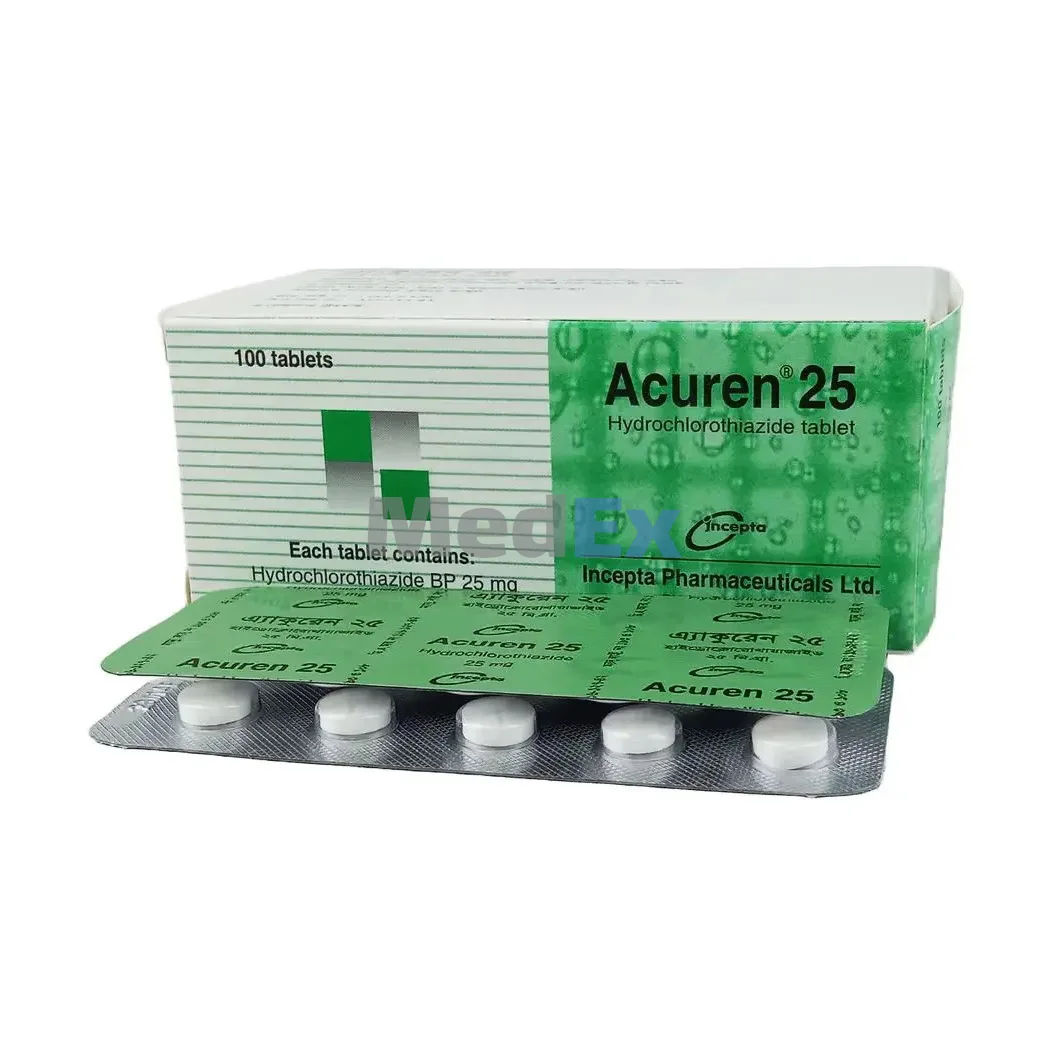

Clinical Prescribing Information
Medical monograph and safety information for healthcare professionals & patients.Indications & Clinical Uses
Edema associated with congestive heart failure, hepatic cirrhosis, premenstrual tension and oedema due to various forms of renal dysfunction (i.e. nephrotic syndrome, acute glomerulonephritis, chronic renal failure). Hypertension, either alone or as an adjunct to other antihypertensive drugs.
Dosage & Administration
Edema
: initially 25 to 50 mg daily, reduced for maintenance if possible; maximum 100 mg daily.
Hypertension
: 25 mg daily, increased to 50 mg daily if necessary.
Elderly
: in some patients, especially the elderly an initial dose of 12.5 mg daily may be sufficient.
Children
: An initial dose for children has been 1 to 2 mg per kg body-weight in 2 divided doses. Infants under 6 months may need doses up to 3 mg per kg daily.
Contraindications
Anuria, hypersensitivity to Hydrochlorothiazide or to other sulphonamide-derived drugs, severe renal or hepatic failure, Addison’s disease, hypercalcemia, concurrent lithium therapy.
Side Effects & Adverse Reactions
Gastro-intestinal system
: Anorexia, gastric irritation, nausea, vomiting, cramps, diarrhoea, constipation, jaundice (intrahepatic cholestatic jaundice), pancreatitis, salivary gland inflammation.
Central nervous system
: Dizziness, vertigo, paraesthesiae, headache, yellow vision.
Heamatological
: Leucopenia, agranulocytosis, thrombocytopenia, aplastic anaemia, haemolytic anaemia.
Cardiovascular
: Hypotension, including orthostatic hypotension.
Hypersensitivity
: Purpura, photosensitivity, rash, urticaria, necrotising angiitis (vasculitis, cutaneous vasculitis), fever, respiratiory distress including pneumonitis and pulmonary oedema, anaphylactic reactions, toxic epidermal necrolysis.
Metabolic
: Hyperglycaemia, glycosuria, hyperuricaema, electrolyte imbalance including hyponatraemia and hypokalaemia.
Renal
: Renal dysfunction, interstitial nephritis, renal failure.
Other
: Muscle spasm, weakness, restlessness, transient blurred vision, impotence. Whenever side-effects are moderate to severe, thiazide dosage should be reduced or therapy was withdrawn.
Warnings & Precautions
Patients should be carefully monitored for signs of fluid and electrolyte imbalance (hyponatraemia, hypochloraemic alkalosis, hypokalaemia and hypomagnesaemia). It is particularly important to make serum and urine electrolyte determinations when the patient is vomiting excessively or receiving parenteral fluids. Warning signs or symptoms of fluid and electrolyte imbalance include: dryness of mouth, thirst, weakness, lethargy, drowsiness, restlessness, seizures, confusion, muscle pains or cramps, muscle fatigue, hypotension, oliguria, tachycardia, and gastro-intestinal disturbances such as nausea and vomiting. Hypokalaemia may develop, especially with brisk diuresis, when severe cirrhosis is present, or after prolonged therapy. Hypokalaemia can sensitise or exaggerate the response of the heart to the toxic effects of digitalis (e.g. increased ventricular irritability). Sensitivity reactions may occur in patients with or without history of allergy or bronchial asthma. Hypokalaemia may be avoided or treated in the adult by concurrent use of amiloride hydrochloride, a potassium conserving agent. It may also be avoided by giving potassium chloride or foods with a high potassium content. Diuretic-induced hyponatraemia is usually mild and asymptomatic. Dilutional hyponatraemia may occur in oedematous patients in hot weather; and, except in rare instances when hyponatraemia is life-threatening, appropriate therapy is water restriction rather than administration of salt. Thiazides may decrease serum protein bound iodine levels without signs of thyroid disturbances. Thiazides may decrease urinary calcium excretion, and may also cause intermittent and slight elevation of serum calcium in the absence of known disorders of calcium metabolism. Thiazides should be discontinued before carrying out tests for parathyroid function. When creatinine clearance falls below 30ml/min, thiazide diuretics become ineffective. Uraemia may be precipitated or increased by chlorothiazide. Cumulative effects of the drug may develop in patients with impaired renal function. If increasing uraemia and oliguria occur during treatment of renal disease, Acuren should be discontinued. Thiazides should be used with caution in patients with impaired hepatic function or progressive liver disease, since minor alterations of fluid and electrolyte balance may precipitate hepatic coma. Hyperuricaemia may occur, or gout may be precipitated, in certain patients receiving thiazide therapy. Thaizide therapy may impair glucose tolerance. Increases in cholesterol and triglyceride levels may be associated with thiazide diuretic therapy. The possibility of exacerbation or activation of systemic lupus erythematosus has been reported. Latent diabetes may become manifest during thiazide administration.
Pharmacology & Mechanism of Action
Thiazides such as hydrochlorothiazide promote water loss from the body (diuretics). They inhibit Na
+
/Cl
-
reabsorption from the distal convoluted tubules in the kidneys. Thiazides also cause loss of potassium and an increase in serum uric acid. Thiazides are often used to treat hypertension, but their hypotensive effects are not necessarily due to their diuretic activity. Thiazides have been shown to prevent hypertension-related morbidity and mortality although the mechanism is not fully understood. Thiazides cause vasodilation by activating calcium-activated potassium channels (large conductance) in vascular smooth muscles and inhibiting various carbonic anhydrases in vascular tissue.