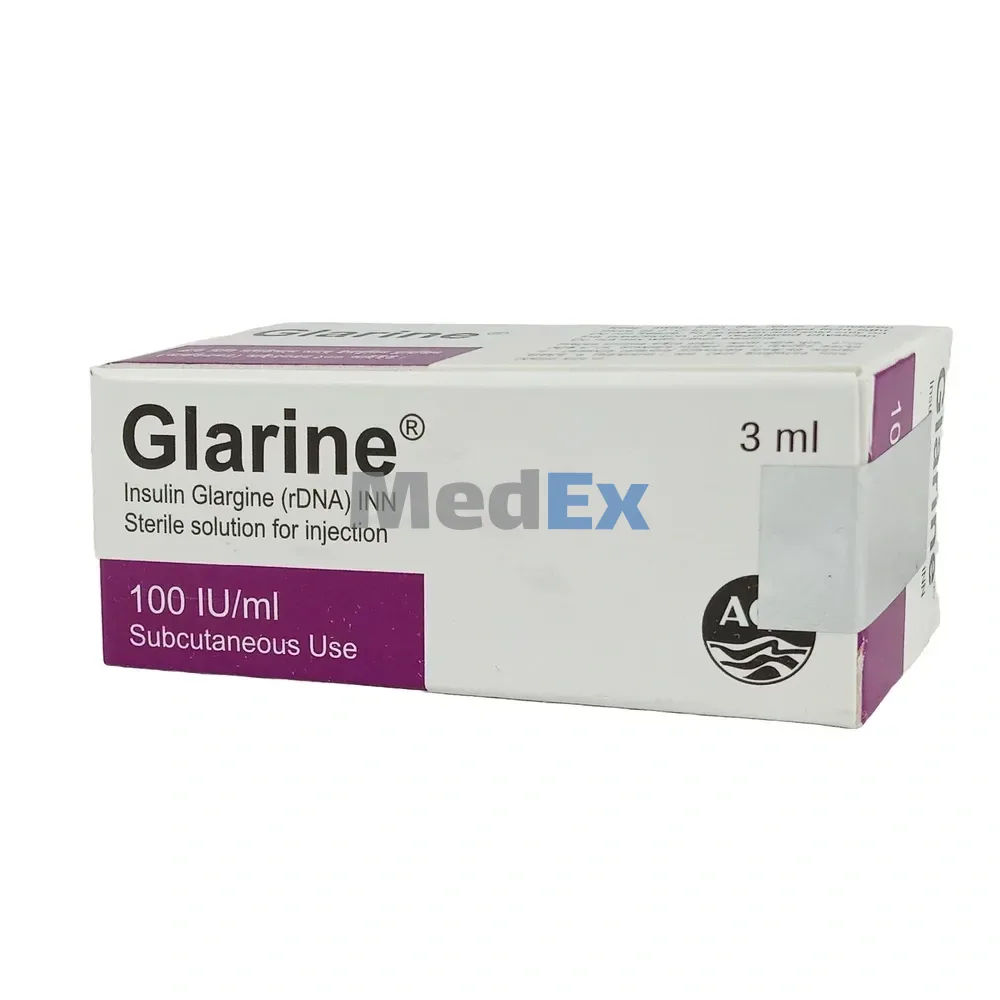
Glarine
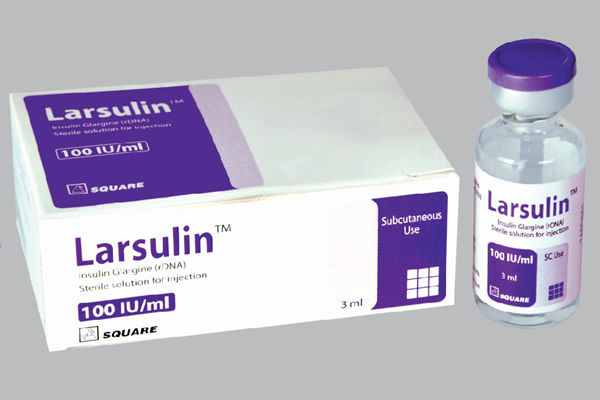
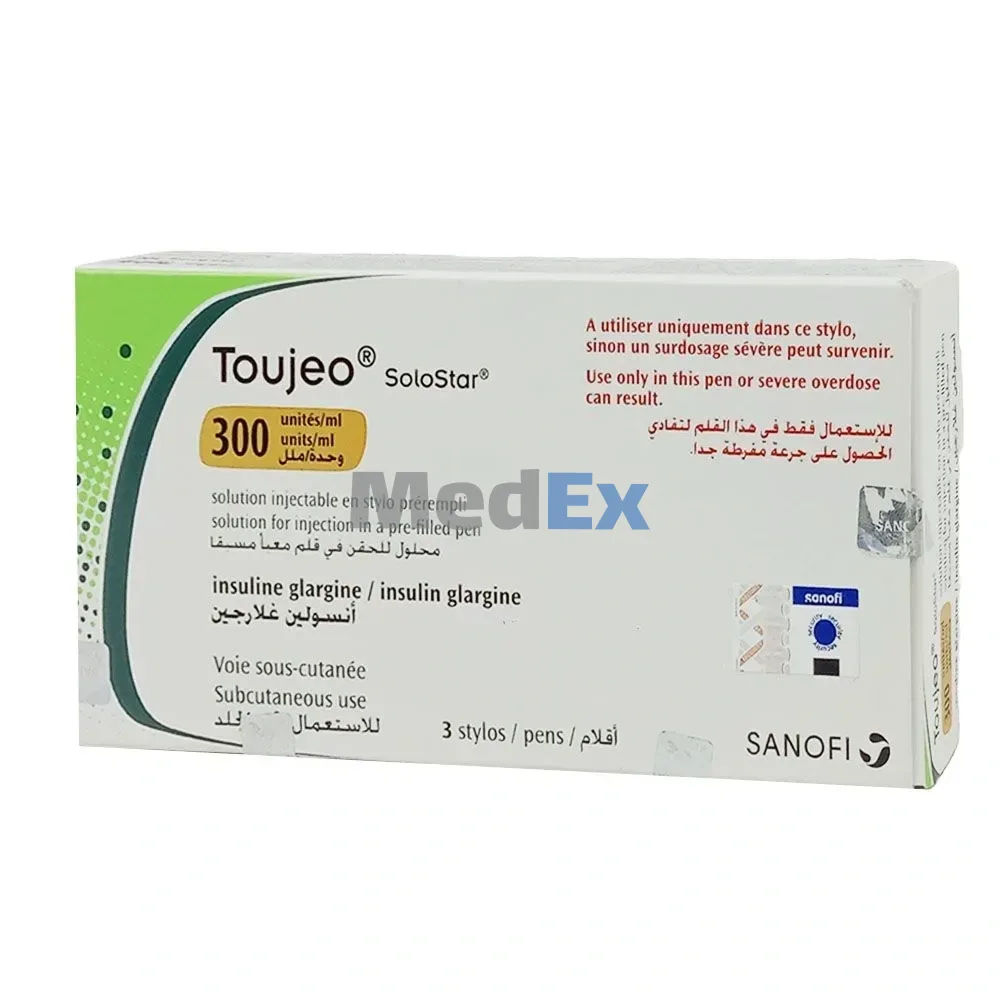
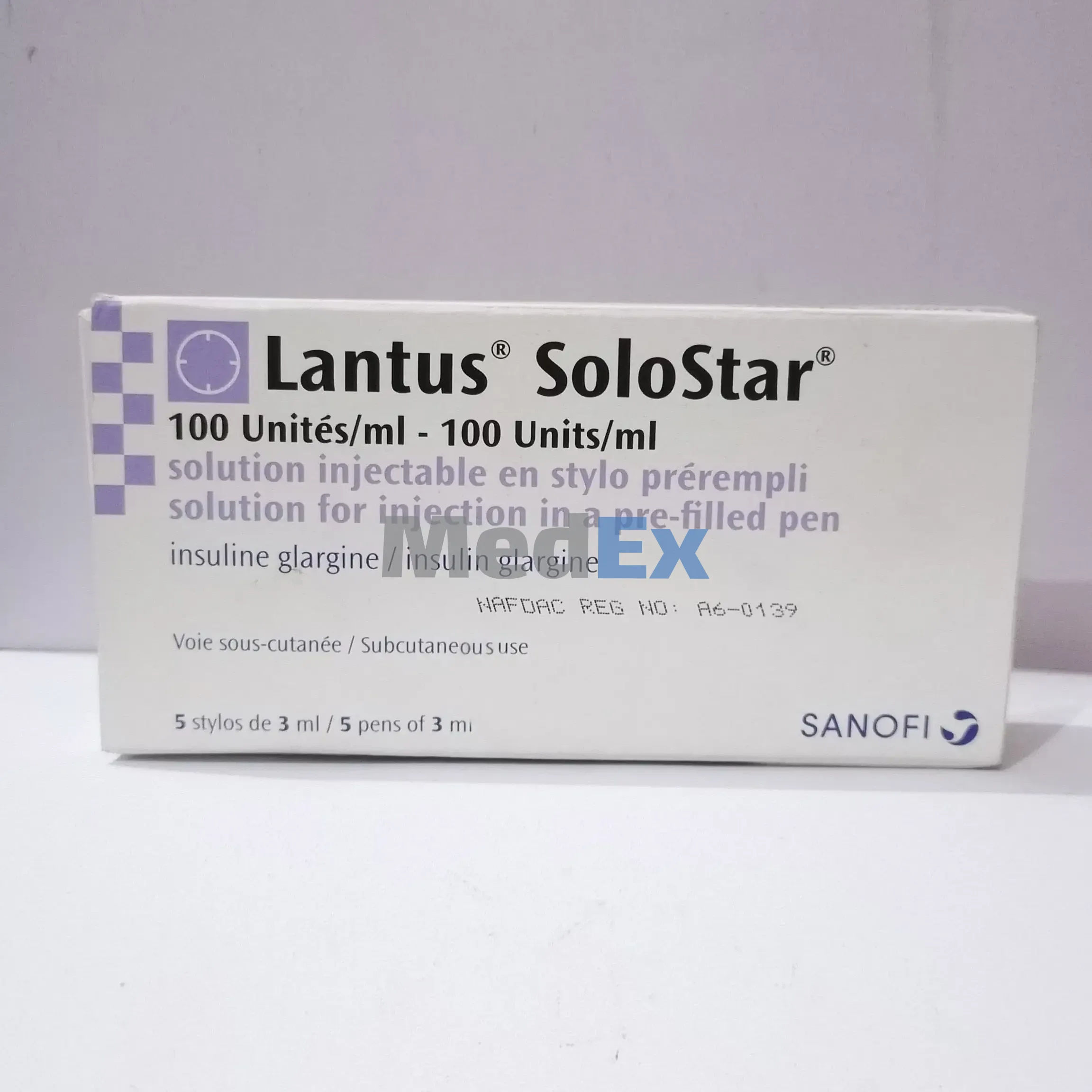
Cheaper & Alternative Brands
Same generic (Insulin Glargine), same form (SC Injection)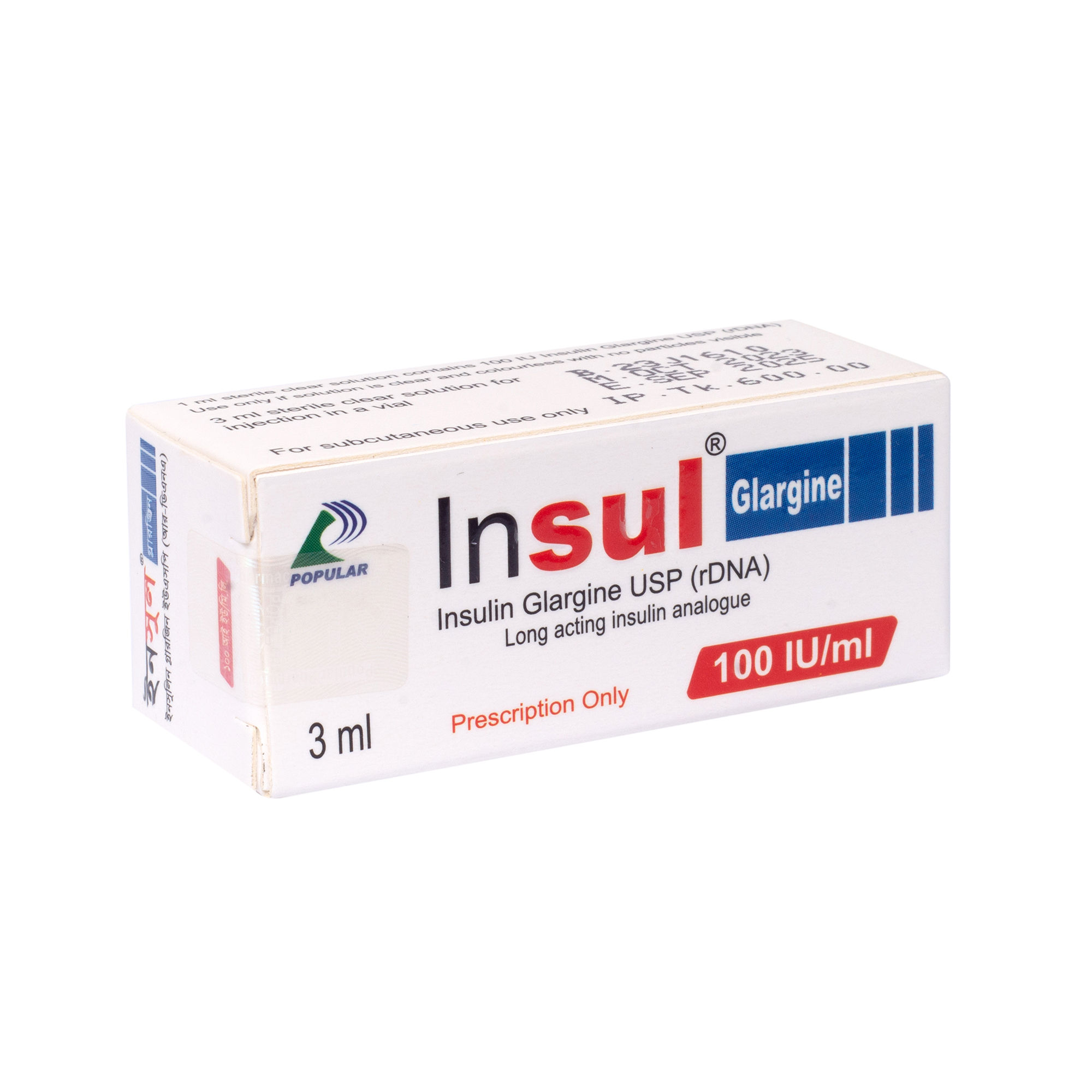
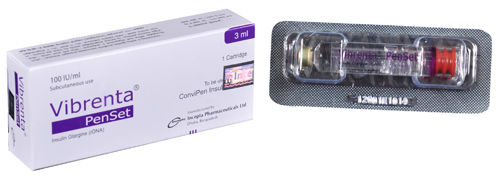
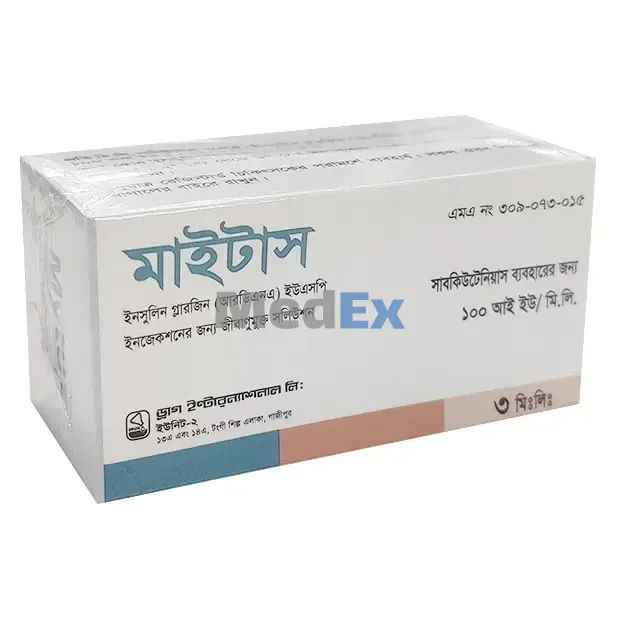
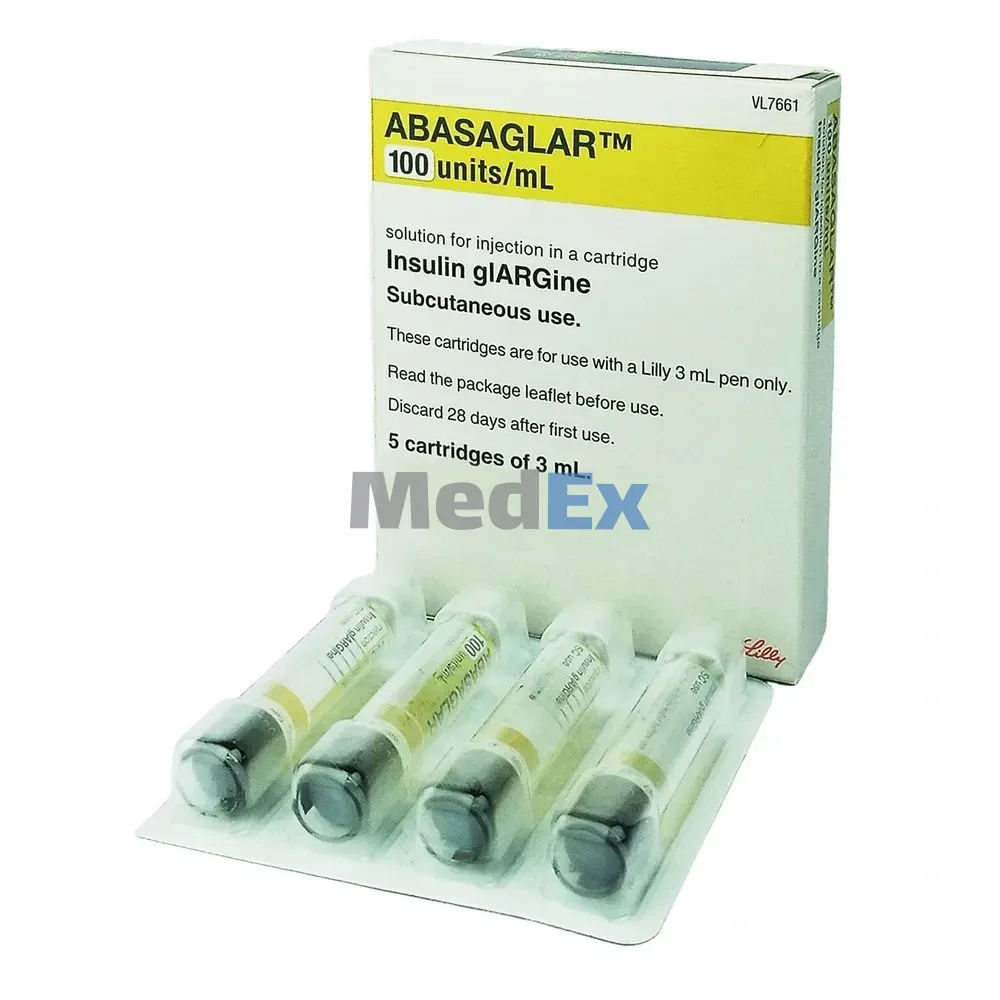
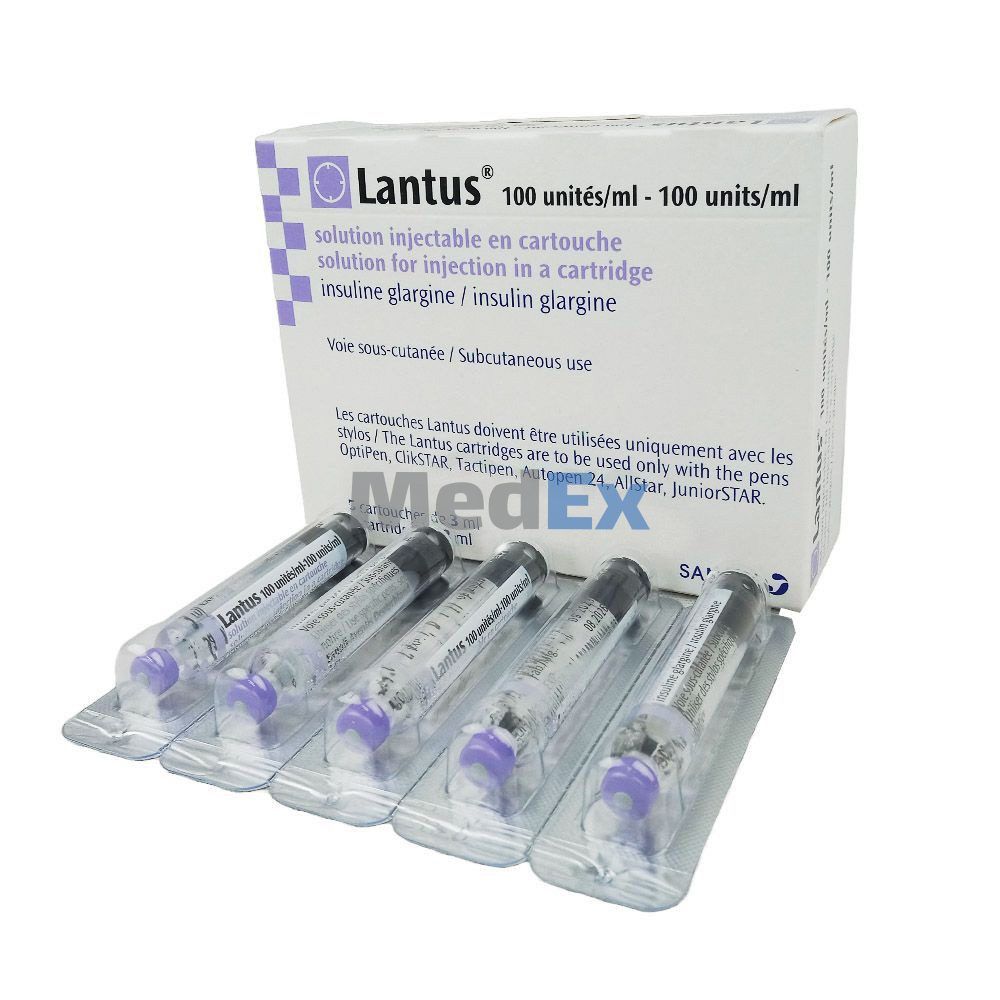

Clinical Prescribing Information
Medical monograph and safety information for healthcare professionals & patients.Indications & Clinical Uses
Abasaglar is indicated to improve glycemic control in adults and children with type 1 diabetes mellitus and in adults with type 2 diabetes mellitus.
Contraindications
Insulin glargine is contraindicated in patients with hypersensitivity to insulin glargine or any of its excipients.
Side Effects & Adverse Reactions
Side effects of Abasaglar are hypoglycemia, allergic reactions, injection site reaction, lipodystrophy, pruritus, and rash.
Warnings & Precautions
Dose adjustment and monitoring
: Blood glucose should be monitored in all patients treated with insulin. Abasaglar regimens should be modified cautiously and only under medical supervision.
Administration
: Abasaglar must not be diluted or mixed with any other insulin or solution. It should not be administered subcutaneously via an insulin pump or intravenously because severe hypoglycemia can occur.
Renal or hepatic impairment
: Reduction in the Abasaglardose may require in these cases.
Pharmacology & Mechanism of Action
Insulin Glargine is a sterile solution, use as a subcutaneous injection. Insulin glargine is a recombinant human insulin analogue that is a long-acting (up to 24-hour duration of action), parenteral blood glucose lowering agent. Insulin Glargine is produced by recombinant DNA technology. Primary function of insulin glargine is regulation of glucose metabolism. Insulin and its analogues lower blood glucose by stimulation peripheral glucose uptake, primarily by skeletal muscle and fat, and by inhibiting hepatic glucose production. Insulin inhibits lipolysis and proteolysis and enhances protein synthesis.