Gatison
Cheaper & Alternative Brands
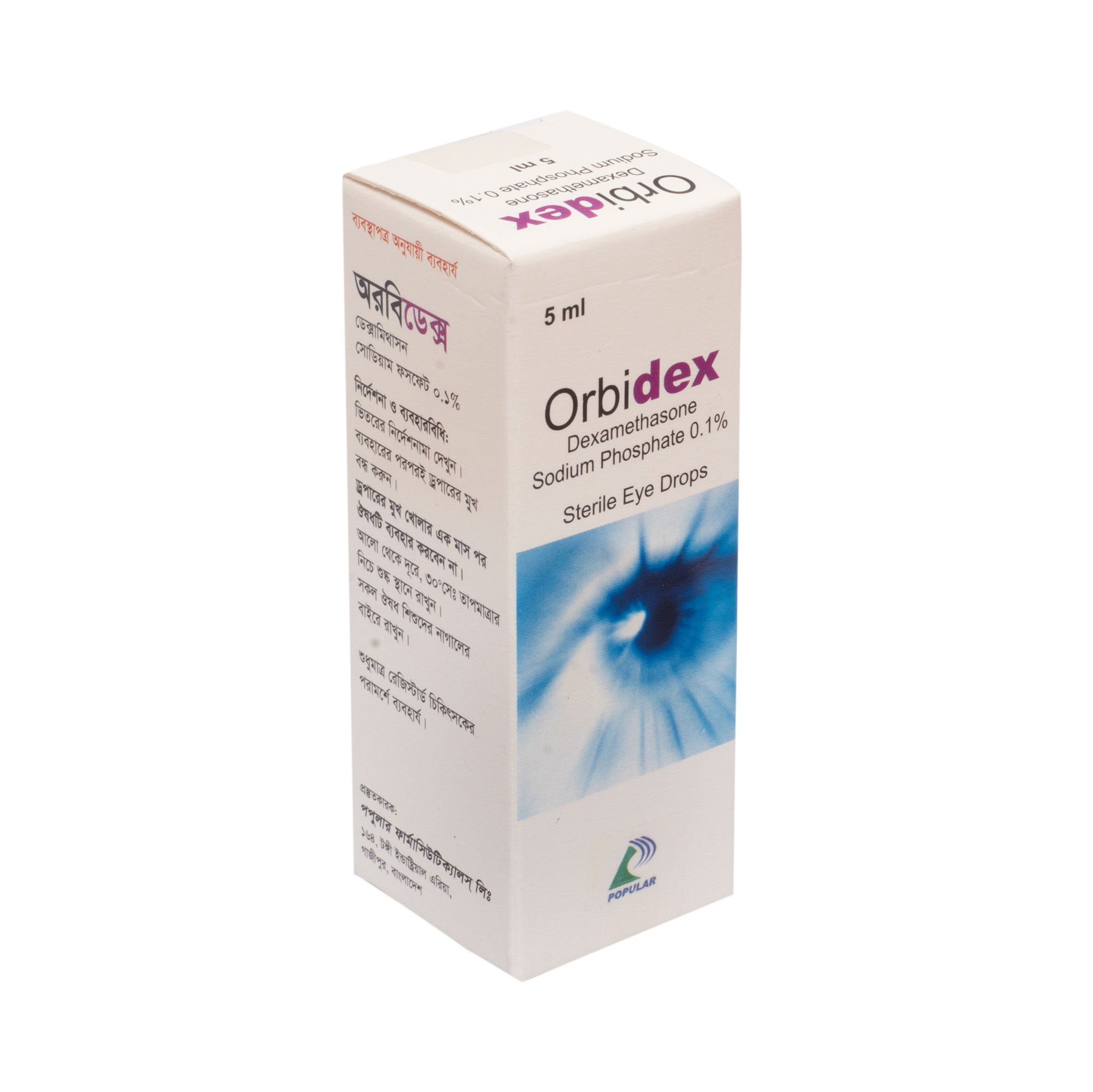
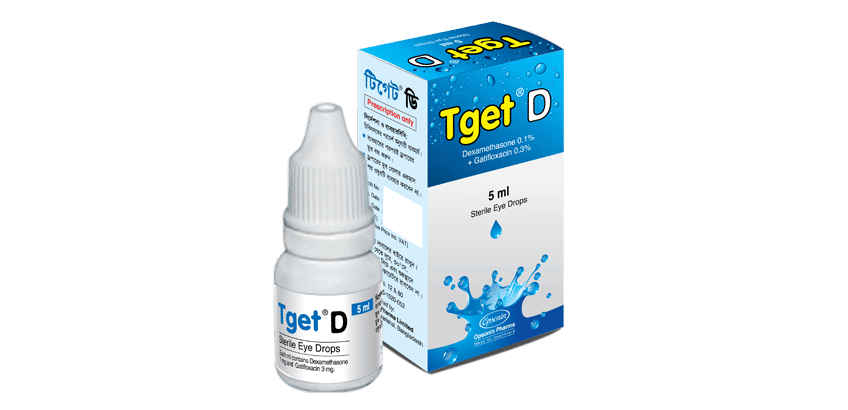
Same generic (Gatifloxacin + Dexamethasone), same form (Ophthalmic Solution)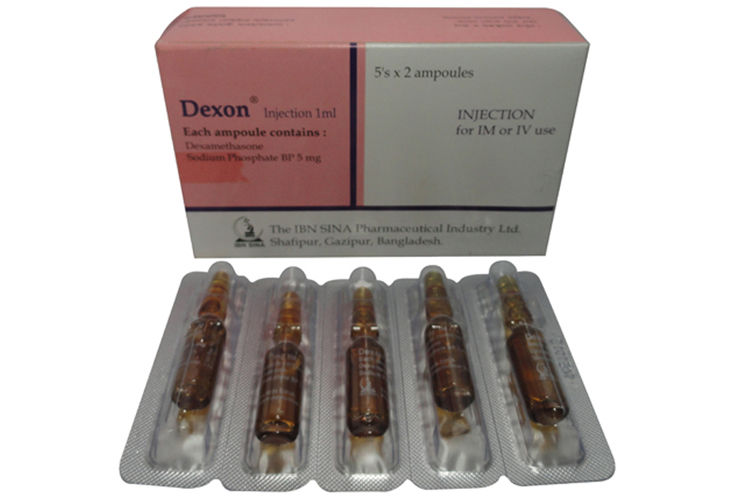
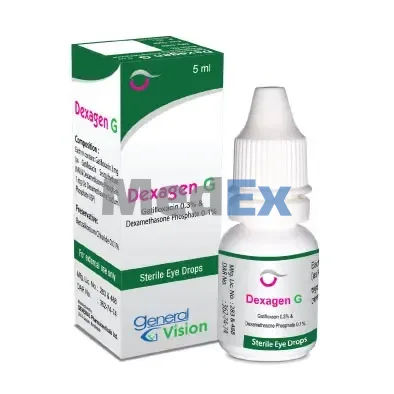
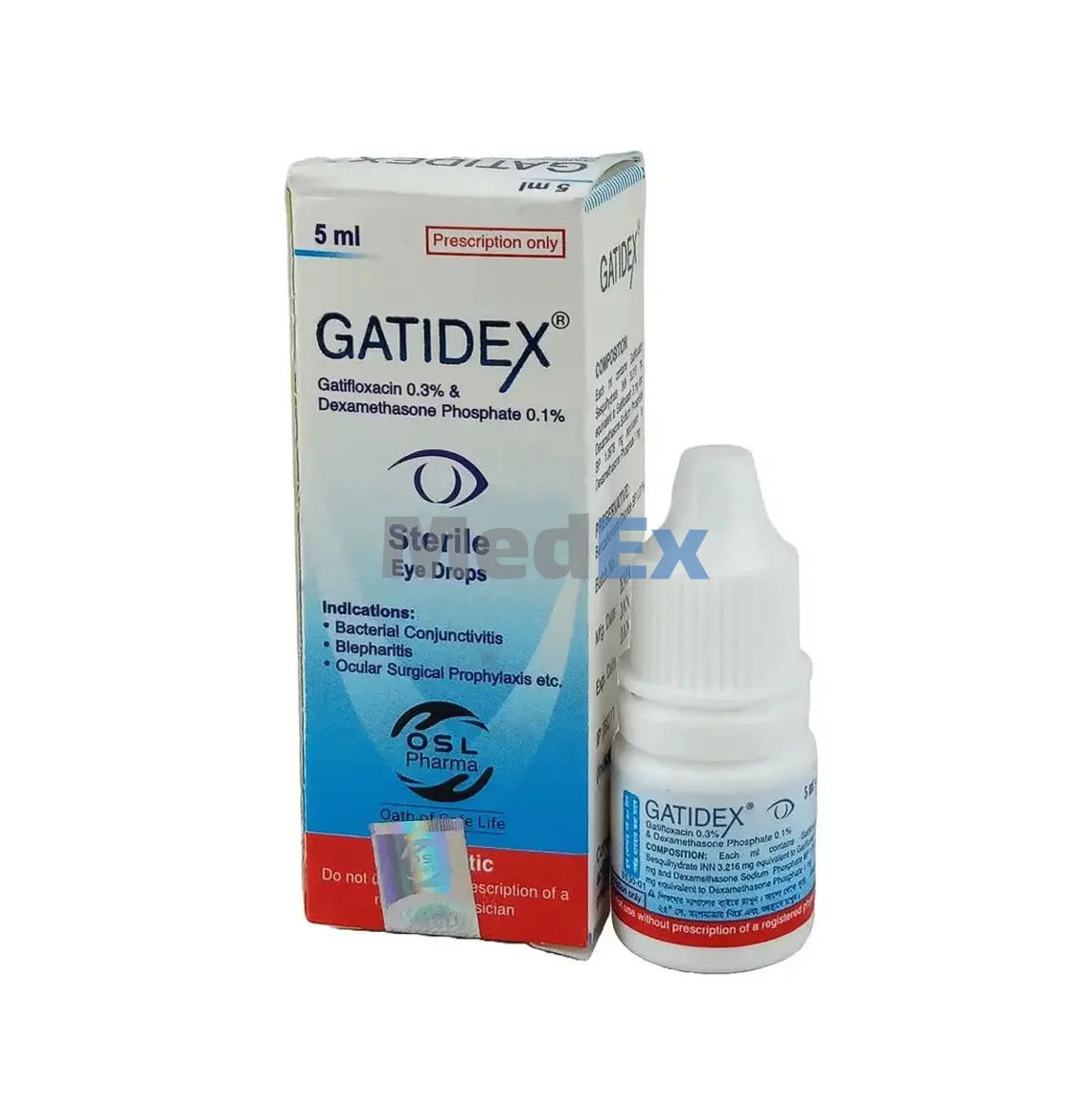
Clinical Prescribing Information
Medical monograph and safety information for healthcare professionals & patients.Indications & Clinical Uses
Dexagen G is indicated for steroid responsive infammatory conditions with involvement of bacteria; such as- Blepharitis, Scleritis, Episcleritis, Iritis, Cyclitis, Iridocyclitis, Choroiditis, Optic neuritis and chronic anterior uveitis. Also useful in disciform and interstitial keratitis, allergic corneal marginal ulcers, corneal injury from chemical radiation or thermal burns.
Dosage & Administration
Instill 1-2 drops into the conjunctival sac 3 to 4 times daily.
Contraindications
Contraindicated in fungal disease of ocular structures, viral conjunctivitis and hypersensitivity to any of the components of the formulation.
Side Effects & Adverse Reactions
Frequently reported reactions related to Gatifoxacin include chemosis, redness, dry eye, itching, swelling of the eyelid & reduced visual acuity. The reactions due to Dexamethasone are elevation of intraocular pressure, delayed wound healing and posterior subcapsular cataract formation.
Warnings & Precautions
If the product is used for 10 days or more, intra ocular pressure should be monitored routinely. Prolonged use of steroid may result in glaucoma or other ocular damage. It may exacerbate severity of viral infections. Use cautiously in patients with history of herpes simplex.
Pharmacology & Mechanism of Action
The antibacterial action of Gatifoxacin results from inhibition of DNA gyrase and topoisomerase IV. DNA gyrase is an essential enzyme that is involved in the replication, transcription and repair of bacterial DNA. Topoisomerase IV is an enzyme known to play a key role in the partitioning of the chromosomal DNA during bacterial cell division. Through inhibiting this process Gatifoxacin shows bactericidal activity. The action of Dexamethasone is to inhibit the phospholipase A2, the frst step in prostaglandin synthesis. Also, inhibits the chemotactic infltration of neutrophils into the site of infammation. Its anti-infammatory activity is 30 times greater and its overall therapeutic efectiveness 8-10 times greater than that of hydrocortisone. Like other glucocorticoids, it is anti-allergic, anti-exudative and anti-proliferative.