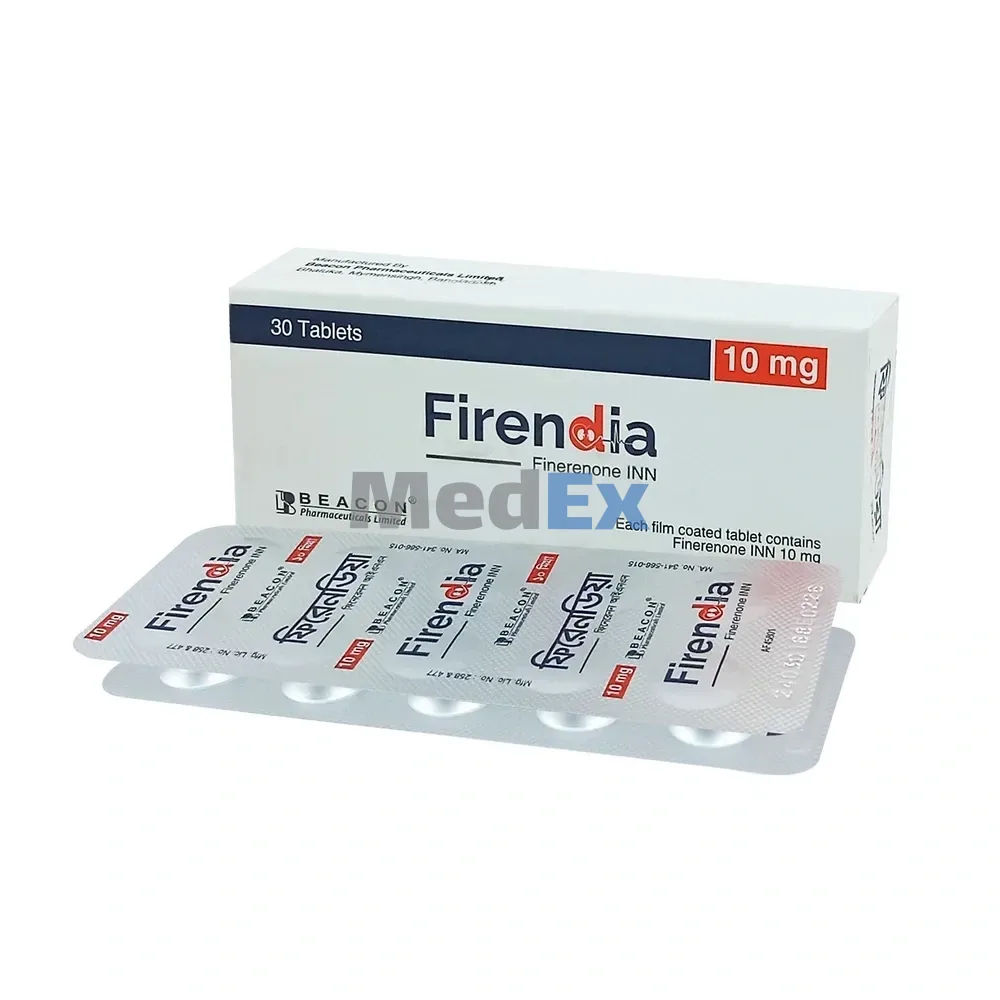
Firendia
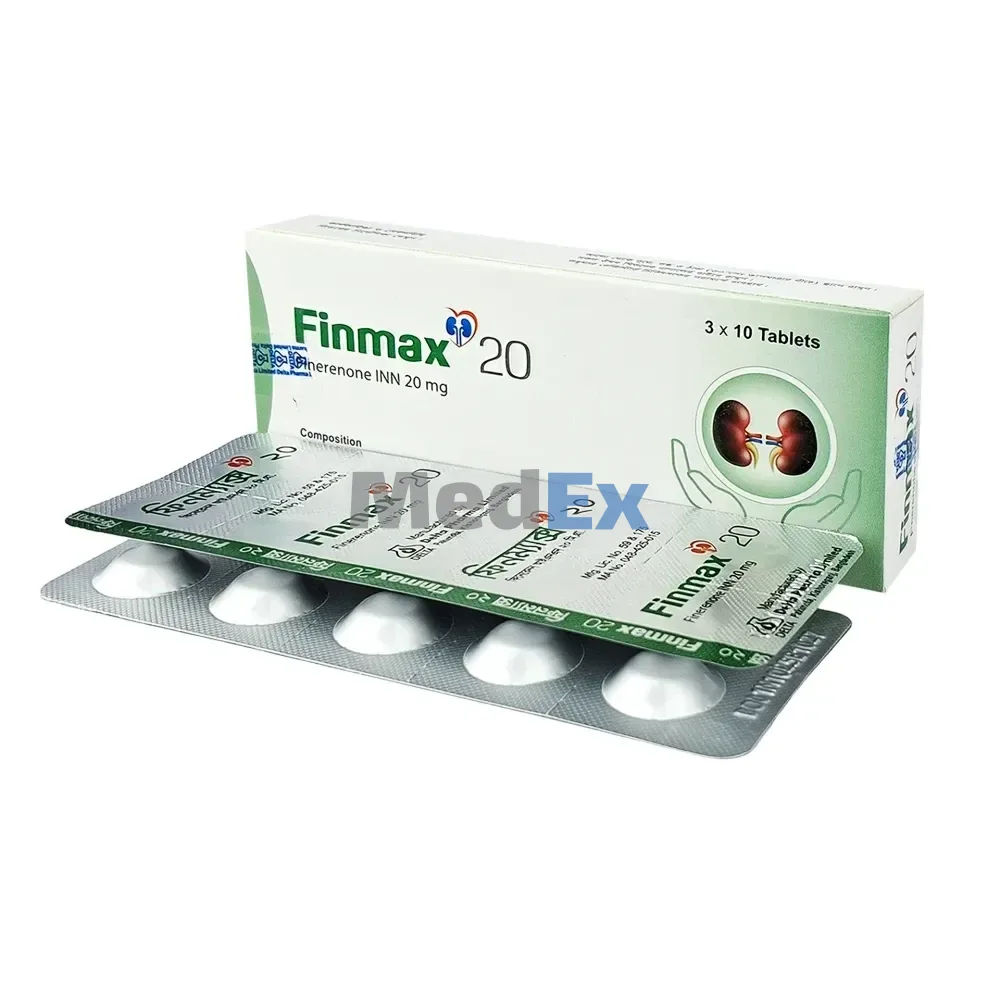
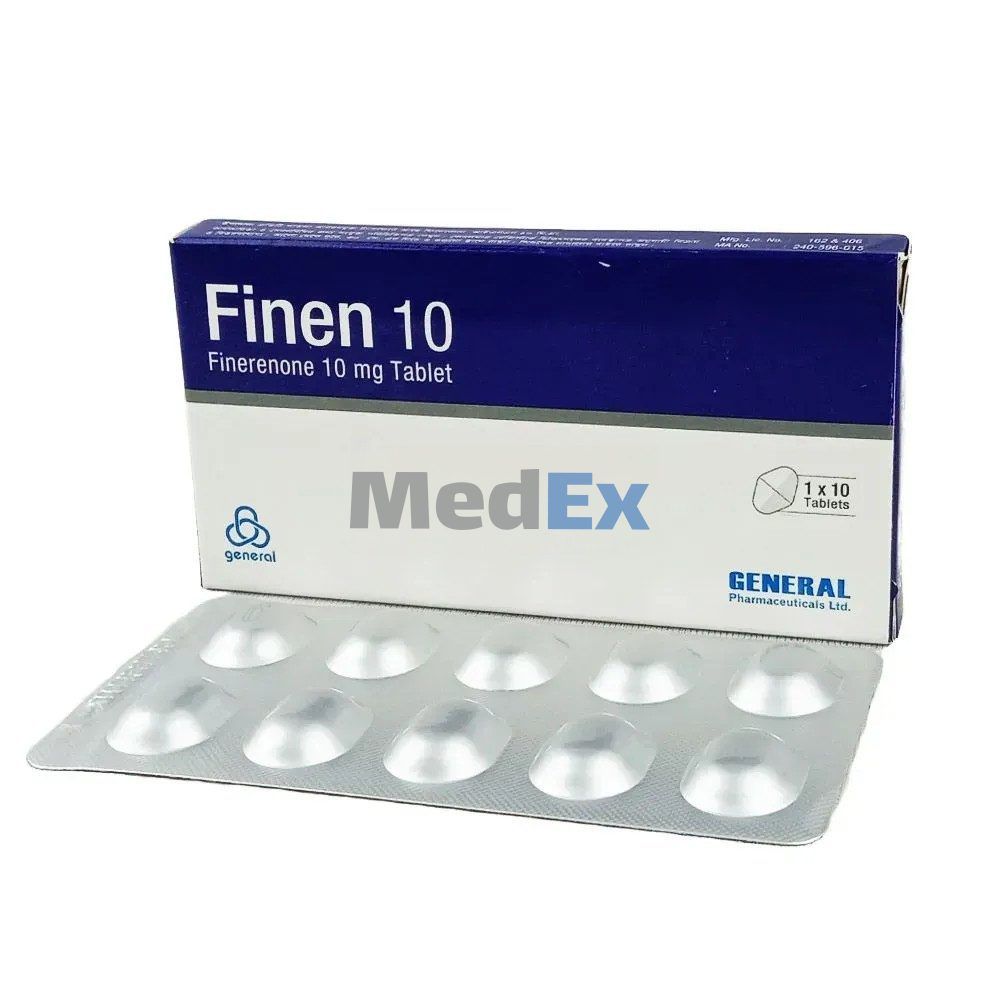
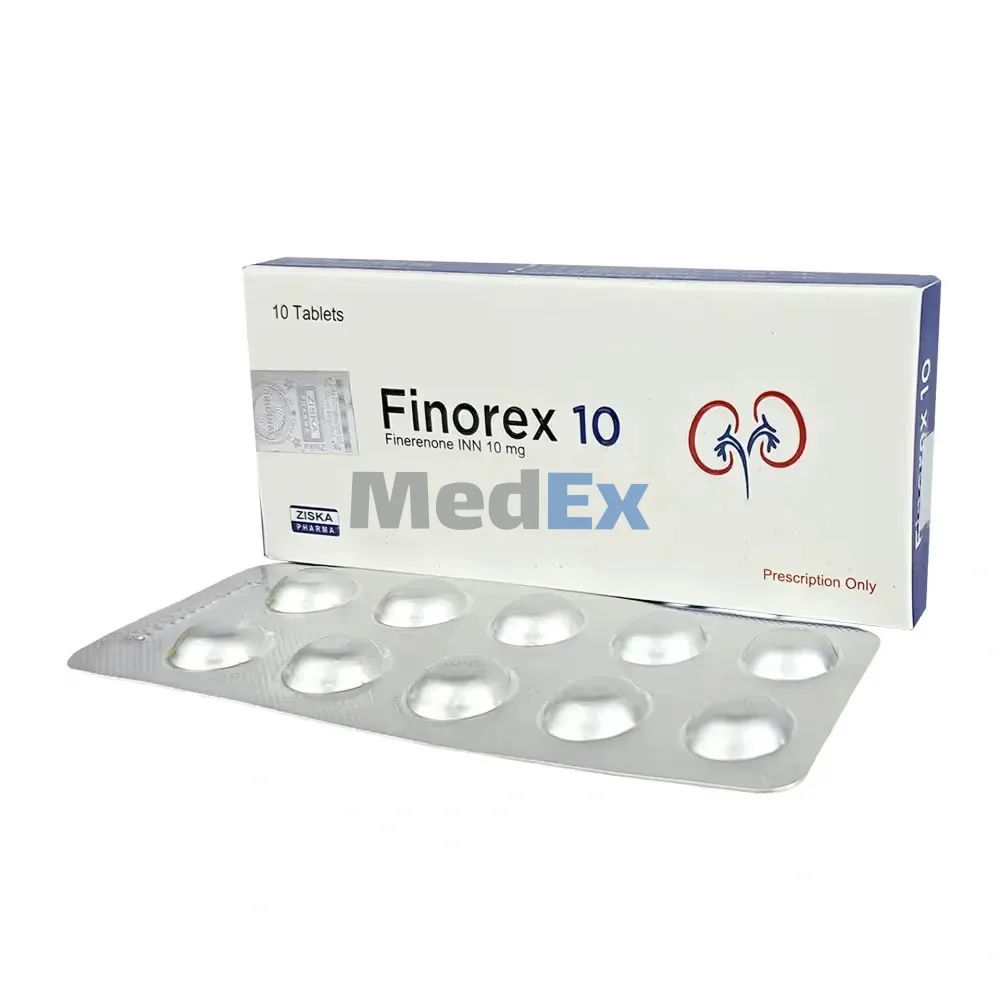
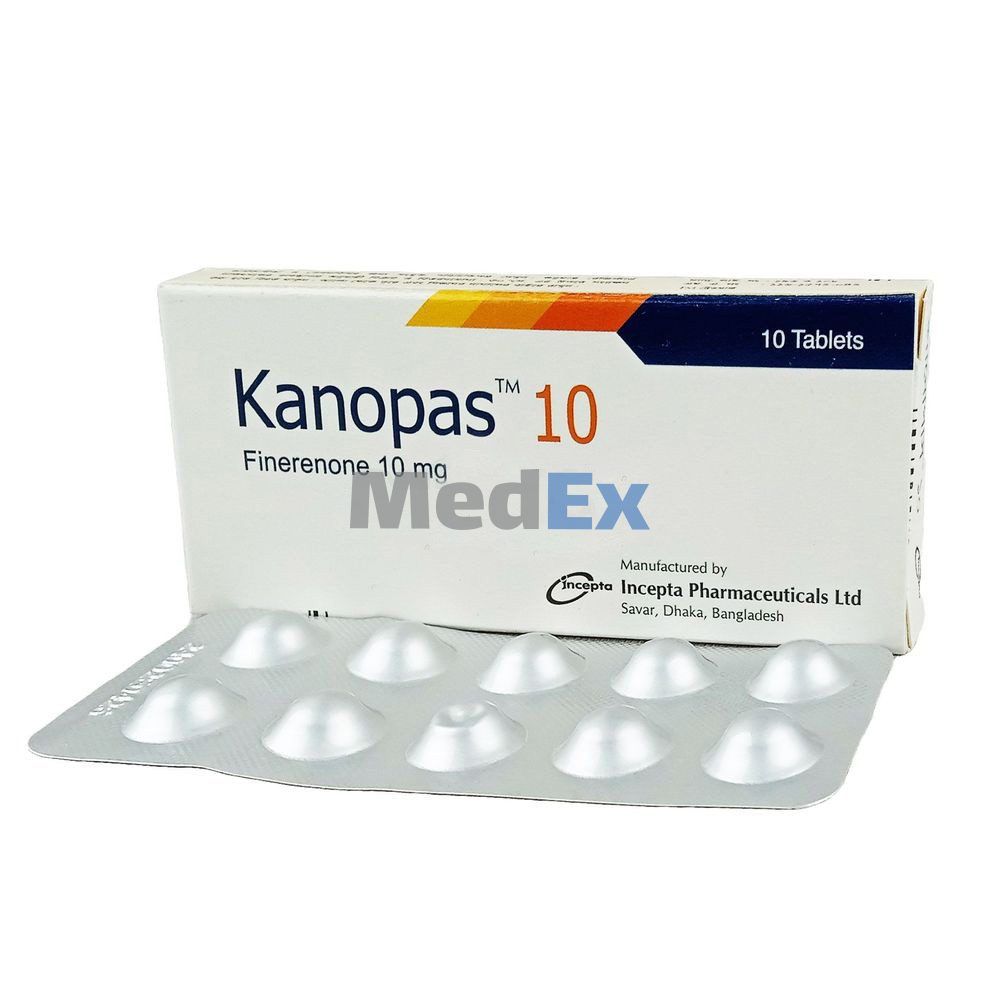
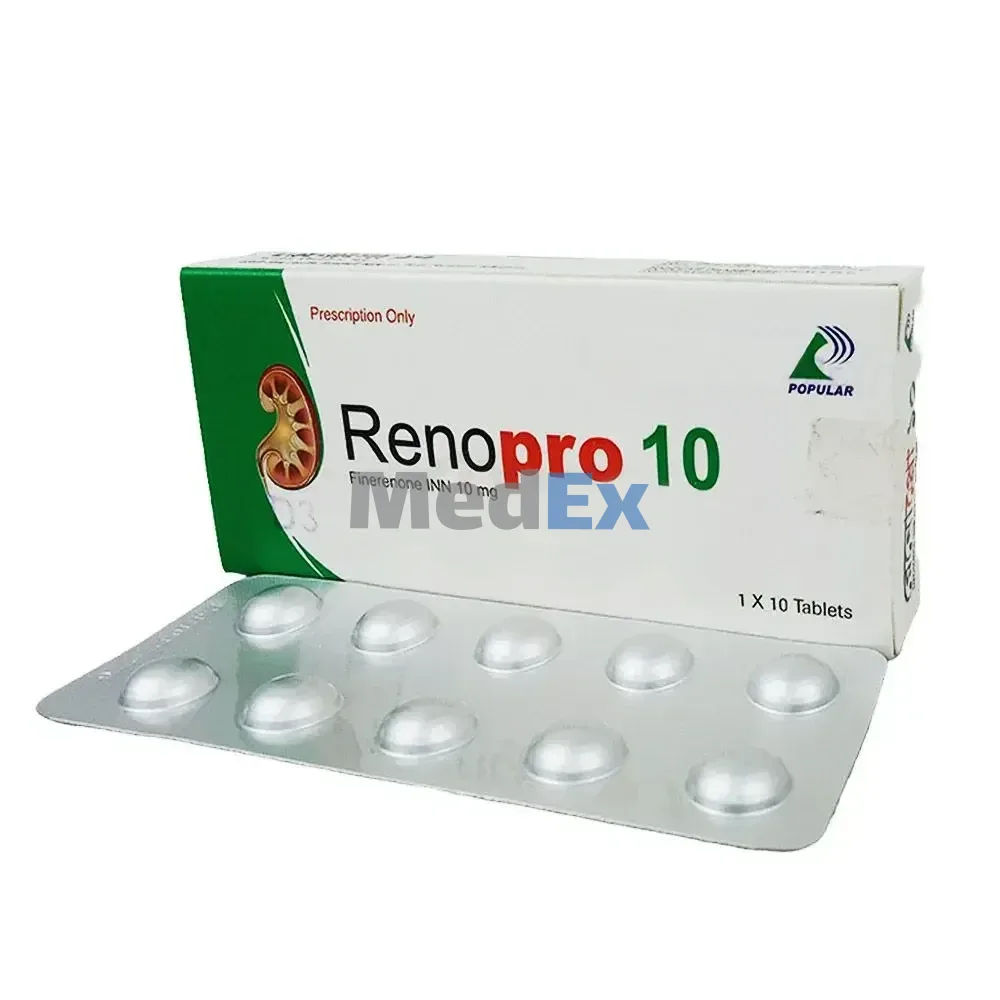
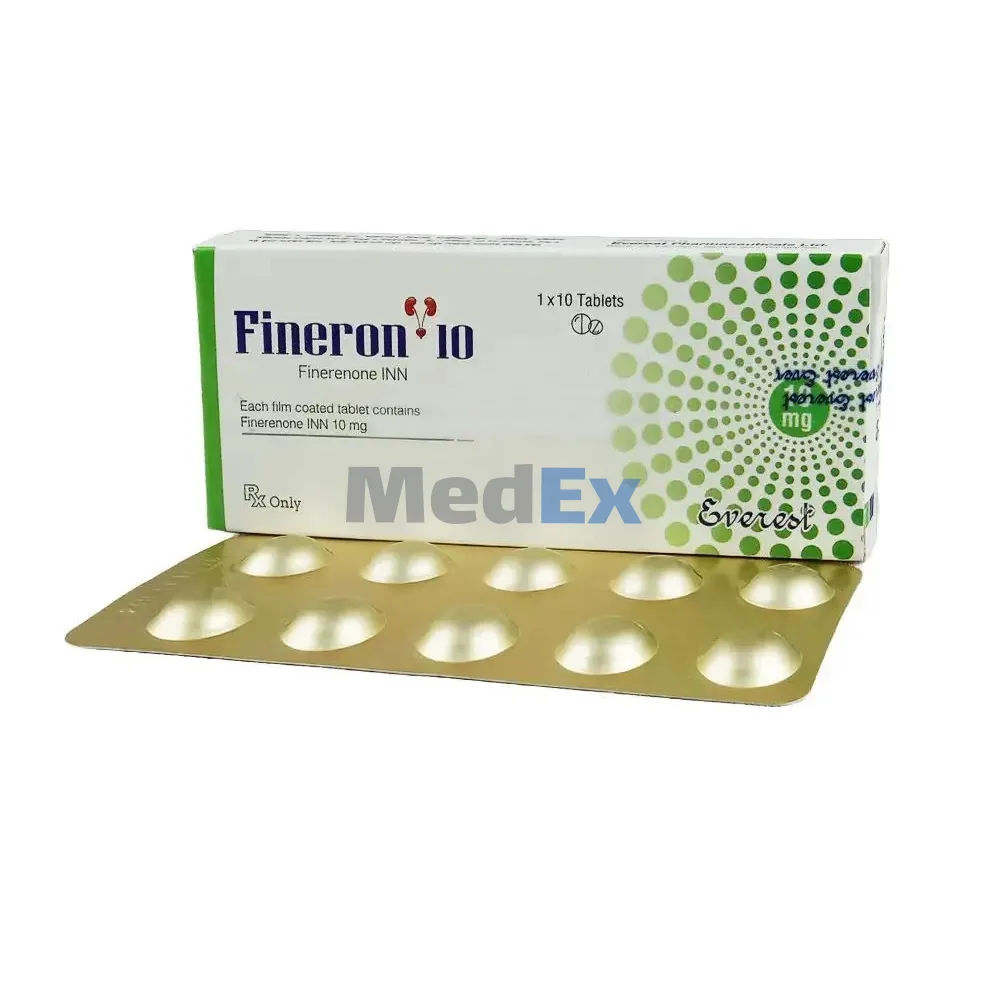
Cheaper & Alternative Brands
Same generic (Finerenone), same form (Tablet)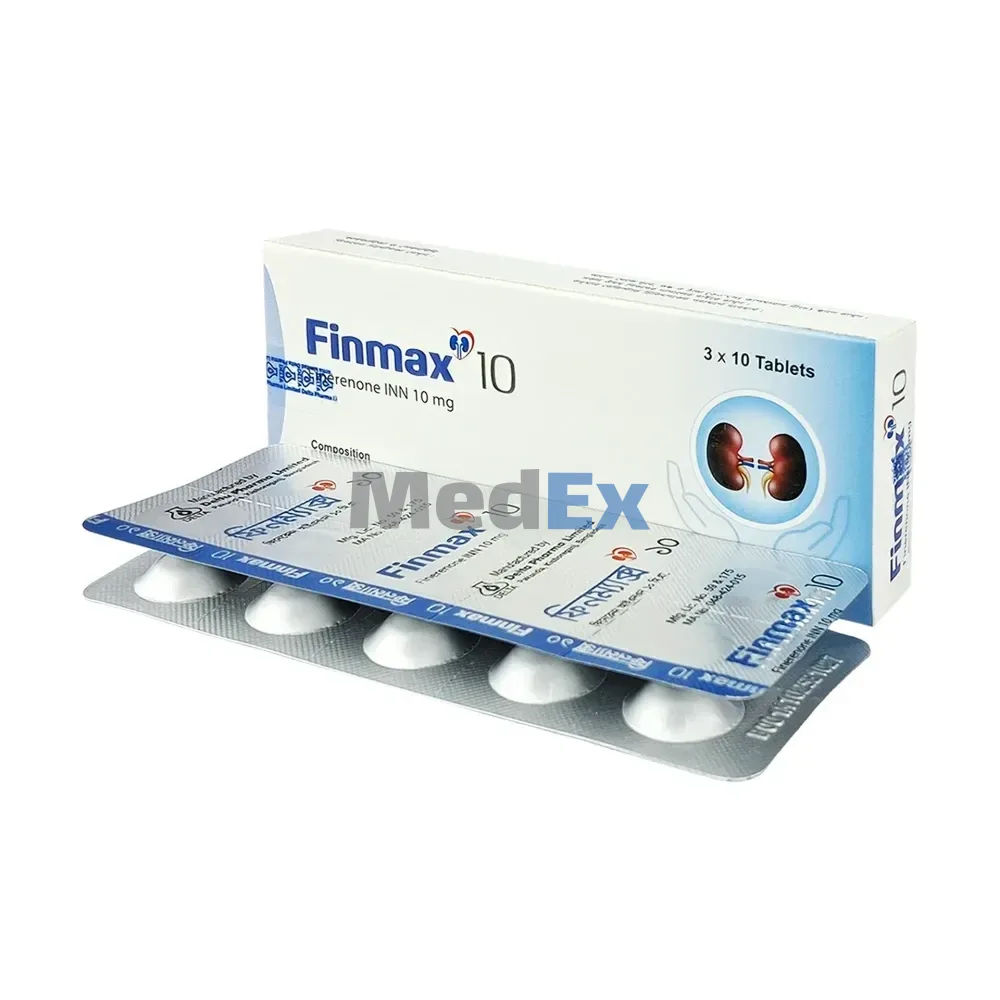
Clinical Prescribing Information
Medical monograph and safety information for healthcare professionals & patients.Indications & Clinical Uses
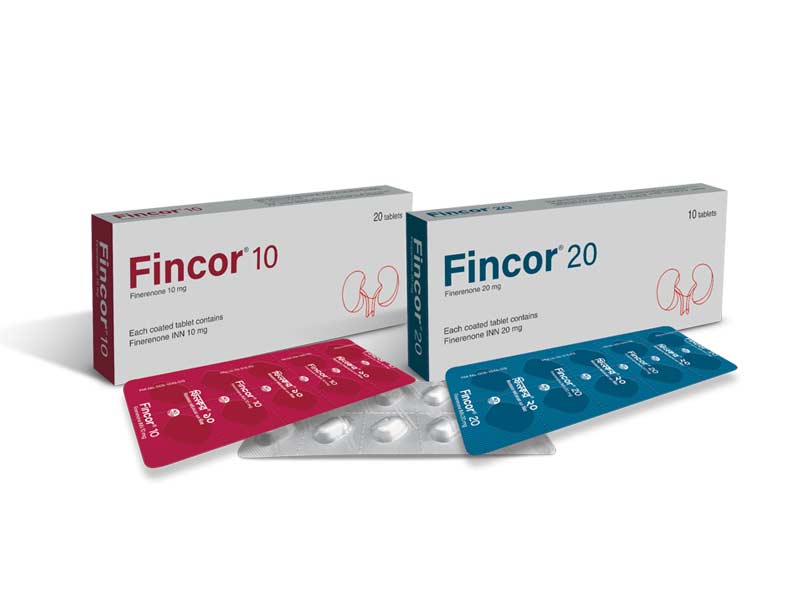
Fincor tablet is indicated to reduce the risk of sustained eGFR decline, end-stage kidney disease, cardiovascular death, nonfatal myocardial infarction, and hospitalization for heart failure in adult patients with chronic kidney disease (CKD) associated with type 2 diabetes (T2D).
Dosage & Administration
The recommended starting dosage
: 10 mg or 20 mg orally once daily based on estimated glomerular filtration rate (eGFR) and serum potassium thresholds. Increase dosage after 4 weeks to the target dose of 20 mg once daily, based on eGFR and serum potassium thresholds. Tablets may be taken with or without food.
Recommended Dosage-
eGFR ≥60 mL/min/1.73 m
2
: starting dose 20 mg once daily
eGFR ≥25 to <60 mL/min/1.73 m
2
: starting dose 10 mg once daily
eGFR <25 mL/min/1.73 m
2
: not recommended
For patients who are unable to swallow whole tablets, Finerenone may be crushed and mixed with water or soft foods.
Monitoring and Dose Adjustment
: The target daily dose of Finerenone is 20 mg. Measure serum potassium 4 weeks after initiating treatment and adjust dose (see Table 2); if serum potassium levels are > 4.8 to 5.0 mEq/L, initiation of Finerenone treatment may be considered with additional serum potassium monitoring within the first 4 weeks based on clinical judgment and serum potassium levels. Monitor serum potassium 4 weeks after a dose adjustment and throughout treatment and adjust the dose as needed.
Missed doses
: Direct a patient to take a missed dose as soon as possible after it is noticed, but only on the same day. If this is not possible, the patient should skip the dose and continue with the next dose as prescribed.
Contraindications
Contraindicated in concomitant use with strong CYP3A4 inhibitors & patients with adrenal insufficiency.
Side Effects & Adverse Reactions
Adverse reactions occurring in ≥ 1% of patients on Fincor and more frequently than placebo are hyperkalemia, hypotension, and hyponatremia.
Warnings & Precautions
Fincor can cause hyperkalemia. The risk for developing hyperkalemia increases with decreasing kidney function and is greater in patients with higher baseline potassium levels or other risk factors for hyperkalemia. Measure serum potassium and eGFR in all patients before initiation of treatment with Fincor and dose accordingly. Do not initiate Fincor if serum potassium is > 5.0 mEq/L. Measure serum potassium periodically during treatment with Fincor and adjust dose accordingly. More frequent monitoring may be necessary for patients at risk for hyperkalemia, including those on concomitant medications that impair potassium excretion or increase serum potassium.
Pharmacology & Mechanism of Action
Finerenone is a nonsteroidal, selective antagonist of the mineralocorticoid receptor (MR), which is activated by aldosterone and cortisol and regulates gene transcription. Finerenone blocks MR mediated sodium reabsorption and MR overactivation in both epithelial (e.g., kidney) and nonepithelial (e.g., heart, and blood vessels) tissues. MR overactivation is thought to contribute to fibrosis and inflammation. Finerenone has a high potency and selectivity for the MR and has no relevant affinity for androgen, progesterone, estrogen and glucocorticoid receptors. In patients treated with Finerenone, the mean systolic blood pressure decreased by 3 mmHg and the mean diastolic blood pressure decreased by 1-2 mmHg at month 1, remaining stable thereafter. At a dose 4 times the maximum approved recommended dose, Finerenone does not prolong the QT interval to any clinically relevant extent. Finerenone is completely absorbed after oral administration but undergoes metabolism resulting in absolute bioavailability of 44%. Finerenone C
max
was achieved between 0.5 and 1.25 hours after dosing.
Finerenone exposure increased proportionally over a dose range of 1.25 to 80 mg (0.06 to 4 times the maximum approved recommended dosage). Steady state of finerenone was achieved after 2 days of dosing. The estimated steady-state geometric mean Cmax, md was 160 μg/L and steady-state geometric mean AUCt,md was 686 μg.h/L following administration of finerenone 20 mg to patients.
Absorption
: Finerenone is completely absorbed after oral administration but undergoes metabolism resulting in absolute bioavailability of 44%. Finerenone Cmax was achieved between 0.5 and 1.25 hours after dosing. Effect of Food There was no clinically significant effect on finerenone AUC following administration with high fat, high calorie food.
Distribution
: The volume of distribution at steady-state (Vss) of finerenone is 52.6 L. Plasma protein binding of finerenone is 92%, primarily to serum albumin, in vitro.
Elimination
: The terminal half-life of finerenone is about 2 to 3 hours, and the systemic blood clearance is about 25 L/h.
Metabolism
: Finerenone is primarily metabolized by CYP3A4 (90%) and to a lesser extent by CYP2C8 (10%) to inactive metabolites. Excretion About 80% of the administered dose is excreted in urine