
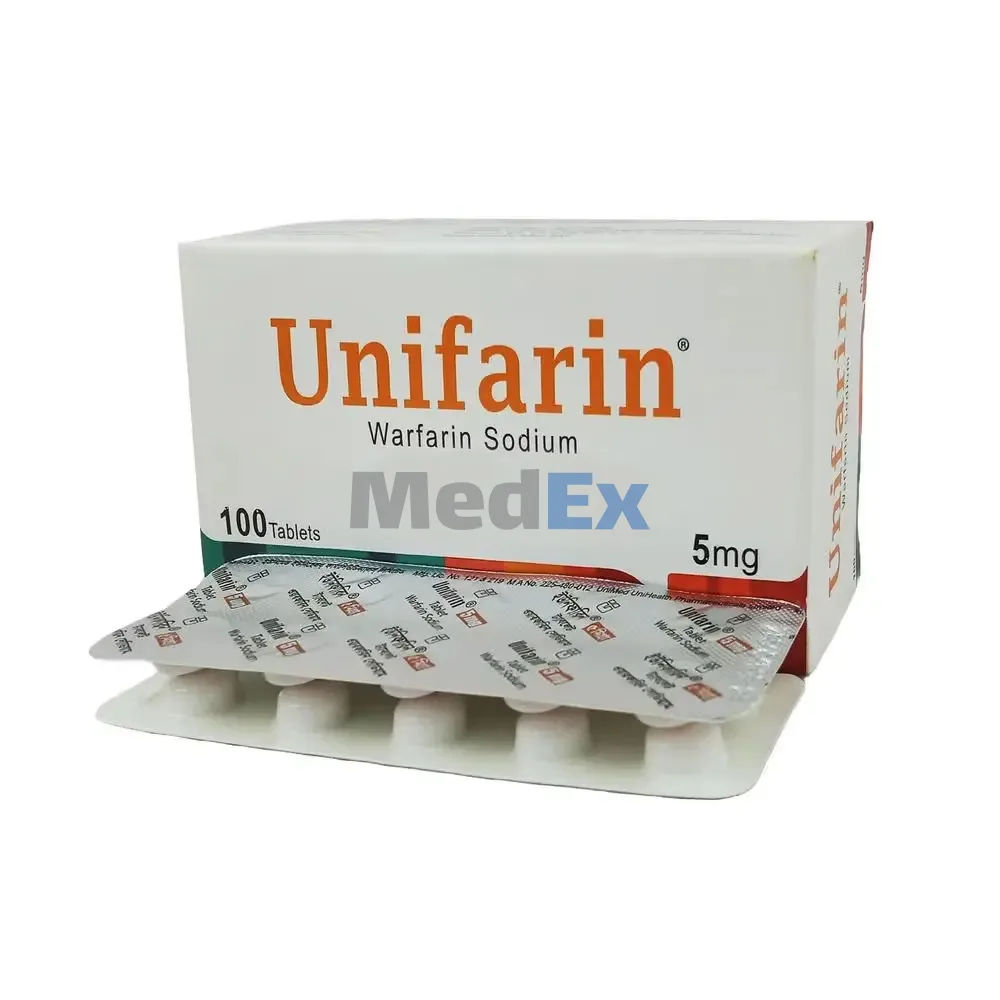
Farin
Cheaper & Alternative Brands
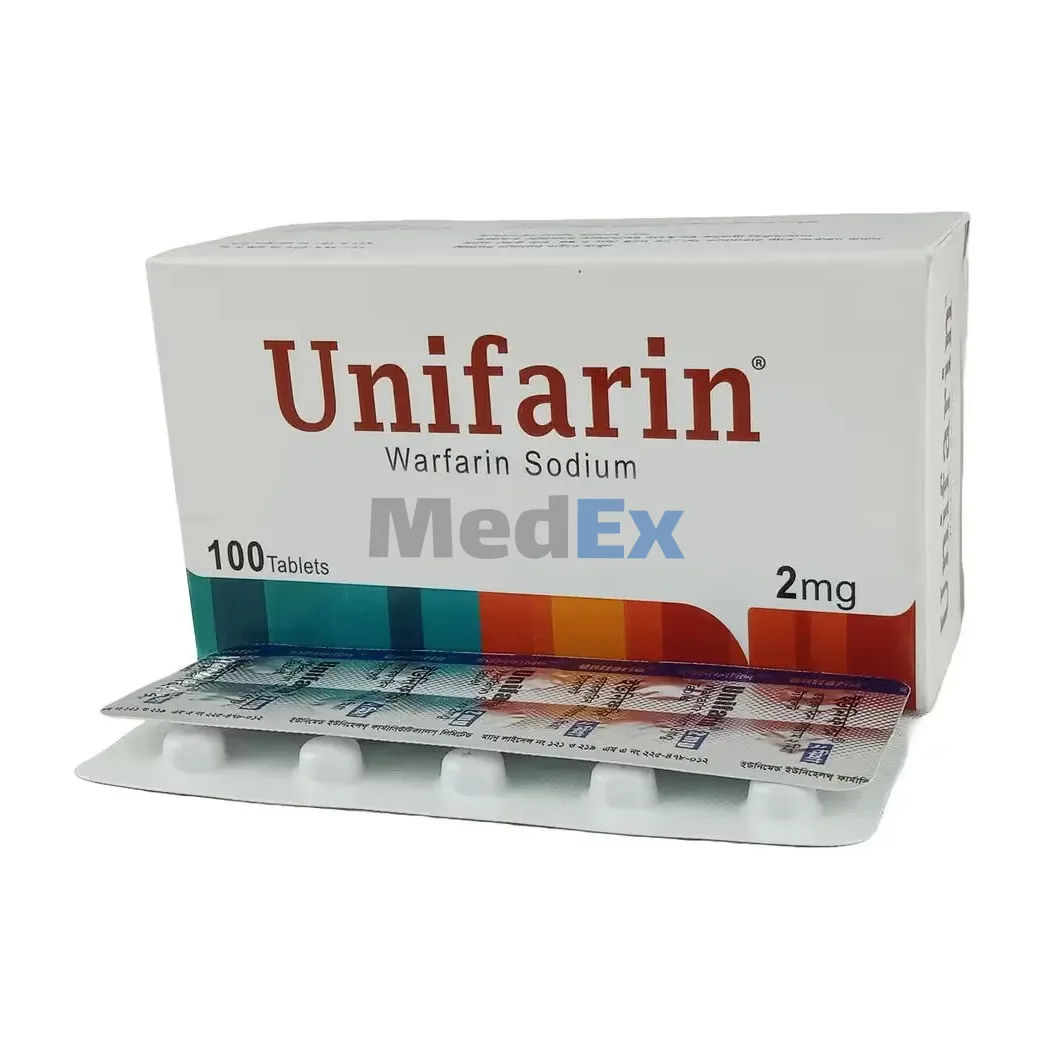
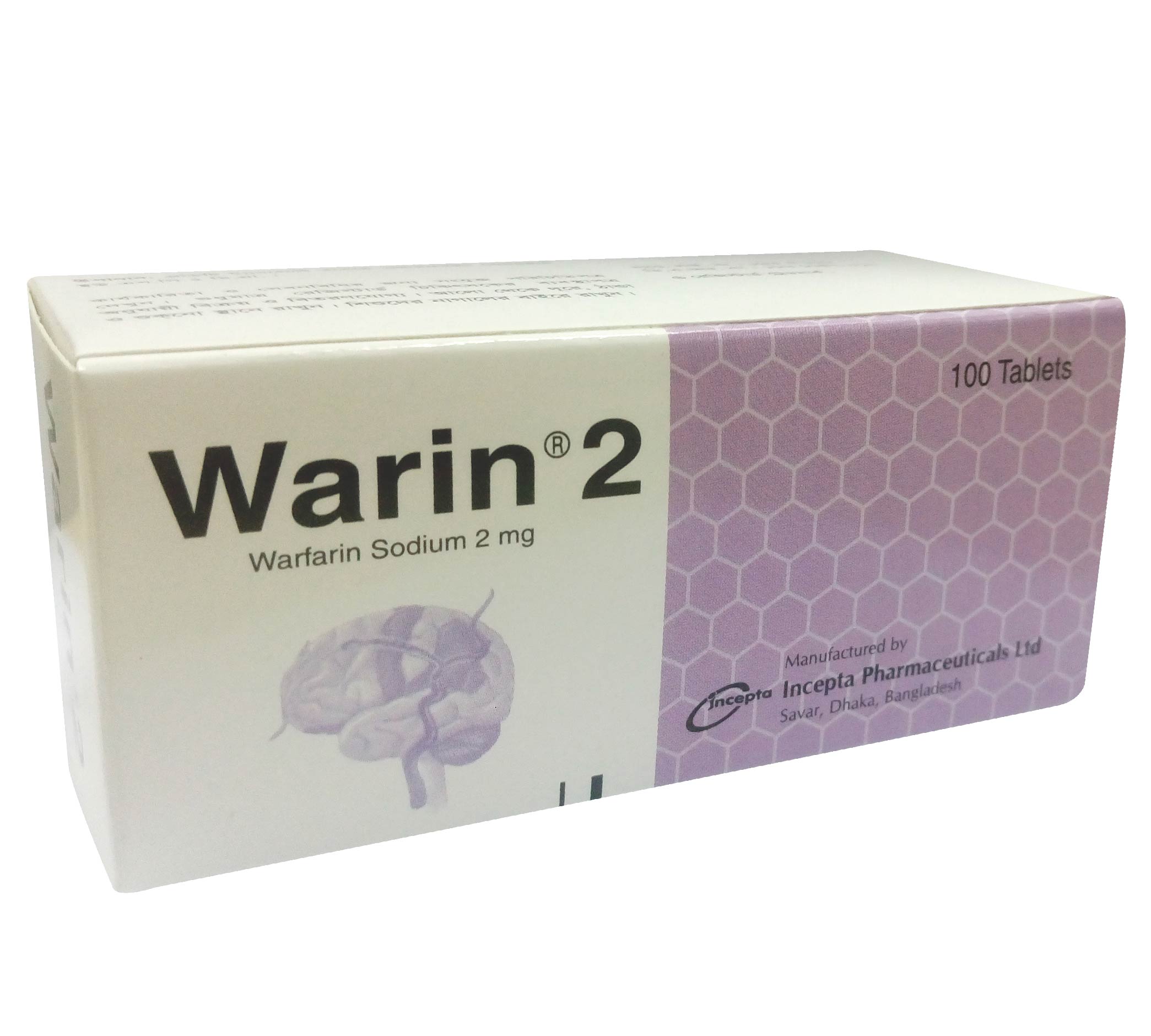
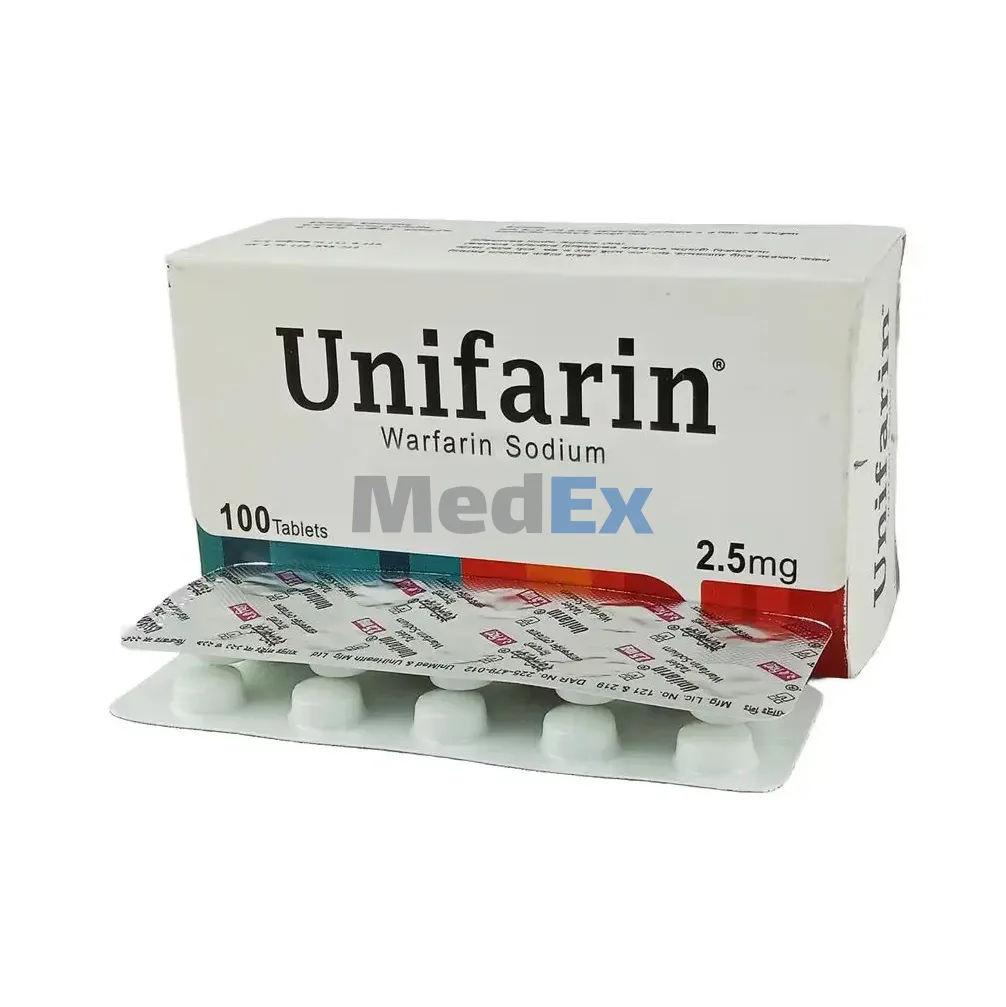
Same generic (Warfarin Sodium), same form (Tablet)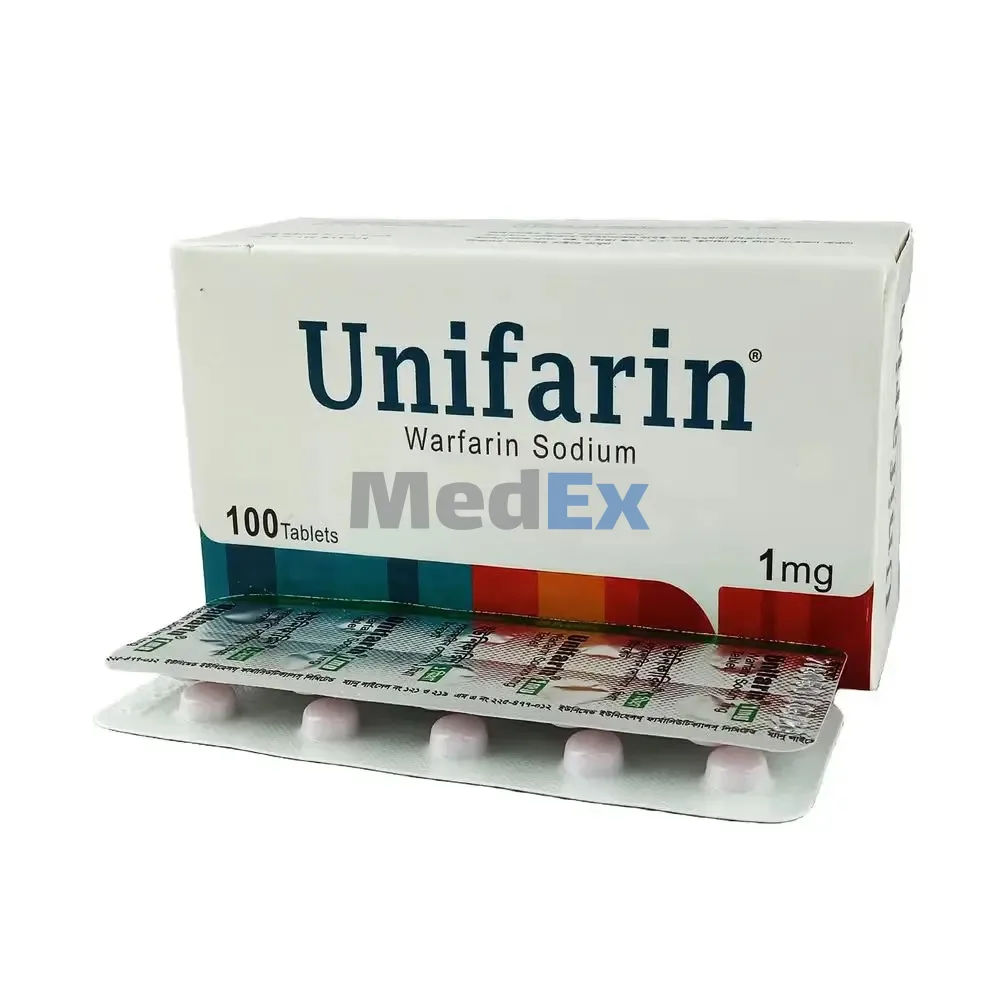
Clinical Prescribing Information
Medical monograph and safety information for healthcare professionals & patients.Indications & Clinical Uses
Farin is indicated in the following conditions-
Prophylaxis and/or treatment of thromboembolic complications associated with atrial fibrillation and/or cardiac valve replacement
Indicated to reduce the risk of death, recurrent myocardial infarction, and thromboembolic events such as stroke or systemic embolization after myocardial infarction
Prophylaxis and treatment of venous thrombosis and pulmonary embolism
Transient ischaemic attacks.
Dosage & Administration
Whenever possible, the baseline prothrombin time should be determined but the initial dose should not be delayed whilst awaiting the result.
Use in adults
: The usual adult induction dose of warfarin is 10 mg daily for 2 days. The subsequent maintenance dose depends upon the prothrombin time, reported as INR (international normalized ratio). The daily maintenance dose of warfarin is usually 3 to 9 mg (taken at the same time each day). The maintenance dose is omitted if the prothrombin time is excessively prolonged. Once the maintenance dose is established in the therapeutic range, it is rarely necessary to alter. In emergencies, anticoagulant therapy should be initiated with heparin and warfarin together. Where there is less urgency, as in patients disposed to or at special risk of thromboembolism, anticoagulant therapy may be initiated with warfarin alone. Control tests must be made at regular intervals and maintenance dosage further adjusted according to the results obtained.
Use in children
: Safety and efficacy in children <18 years old have not been established. However, there is evidence of use and the initial dose is usually 0.1 mg.kg
-1
.d
-1
adjusted subsequently to aim for an INR range the same as in adults.
Contraindications
Warfarin can not be administered in the following cases;
Actual or potential hemorrhagic conditions, eg. Peptic ulcer, or to patients with uncontrolled hypertension
Severe hepatic or renal disease
Pregnancy
Known hypersensitivity to warfarin
Bacterial endocarditis
Its use within 24 hours following surgery or labor should be undertaken with caution, if at all.
Side Effects & Adverse Reactions
Hemorrhage is the principal adverse effect of oral anticoagulants. Other adverse reactions include nausea, vomiting, diarrhea, hypersensitivity, rash, alopecia, and unexplained drop in haematocrit, "purple toes", skin necrosis, jaundice, and hepatic dysfunction.
Warnings & Precautions
Periodic determination of prothrombin time (PT)/international normalized ratio (INR) or other suitable coagulation test is essential. Numerous factors, alone or in combination, including travel, changes in diet, environment, physical state and medication may influence response of the patient to anticoagulants. It is generally good practice to monitor the patient's response with additional PT/INR determination in the period immediately after discharge from the hospital, and whenever other medications are initiated, discontinued or taken irregularly. The following factors may exaggerate the effects of warfarin and necessitate a reduction in dosage; loss of weight, elderly subject, acute illness, deficient renal function, decreased dietary intake of vitamin K, administration of certain drugs (see drug interaction). Factors which may call for an increase in maintenance dosage include weight gain, diarrhea and vomiting, increased intake of vitamin K, fats and oils, and the administration of certain drugs. Careful additional laboratory control is necessary if the patient is to be changed from one formulation to another. Reversal of warfarin anticoagulation by vitamin K takes several days. In emergency situations fresh frozen plasma should be given.
Pharmacology & Mechanism of Action
Warfarin is a [vitamin K] antagonist which acts to inhibit the production of vitamin K by vitamin K epoxide reductase. The reduced form of vitamin K, vitamin KH
2
is a cofactor used in the γ-carboxylation of coagulation factors VII, IX, X, and thrombin. Carboxylation induces a conformational change allowing the factors to bind Ca
2+
and to phospholipid surfaces. Uncarboxylated factors VII, IX, X, and thrombin are biologically inactive and therefore serve to interrupt the coagulation cascade. The endogenous anticoagulation proteins C and S also require γ-carboxylation to function. This is particularly true in the case of thrombin which must be activated in order to form a thrombus. vitamin KH
2
is converted to vitamin K epoxide as part of the γ-carboxylation reaction catalyzed by γ-glutamyl carboxylase. Vitamin K epoxide is then converted to vitamin K
1
by vitamin K epoxide reductase then back to vitamin KH
2
by vitamin K reductase. Warfarin binds to vitamin K epoxide reductase complex subunit 1 and irreversibly inhibits the enzyme thereby stopping the recycling of vitamin K by preventing the conversion of vitamin K epoxide to vitamin K
1
. This process creates a hypercoagulable state for a short time as proteins C and S degrade first with half lives of 8 and 24 hours, with the exception of factor VII which has a half life of 6 hours. Factors IX, X, and finally thrombin degrade later with half lives of 24, 36, and 50 hours resulting in a dominant anticoagulation effect. In order to reverse this anticoagulation vitamin K must be supplied, either exogenously or by removal of the vitamin K epoxide reductase inhibition, and time allowed for new coagulation factors to be synthesized. It takes approximately 2 days for new coagulation factors to be synthesized in the liver. Vitamin K
2
, functionally identical to vitamin K
1
, is synthesized by gut bacteria leading to interactions with antibiotics as elimination of these bacteria can reduce vitamin K
2