
Enva
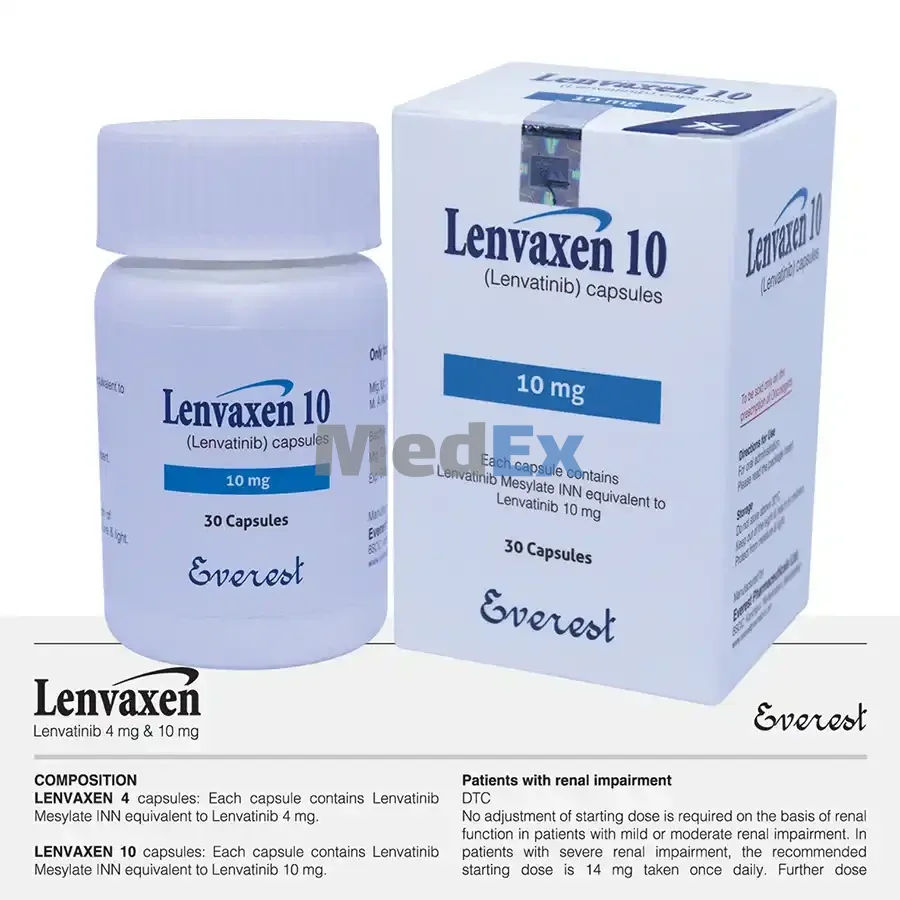
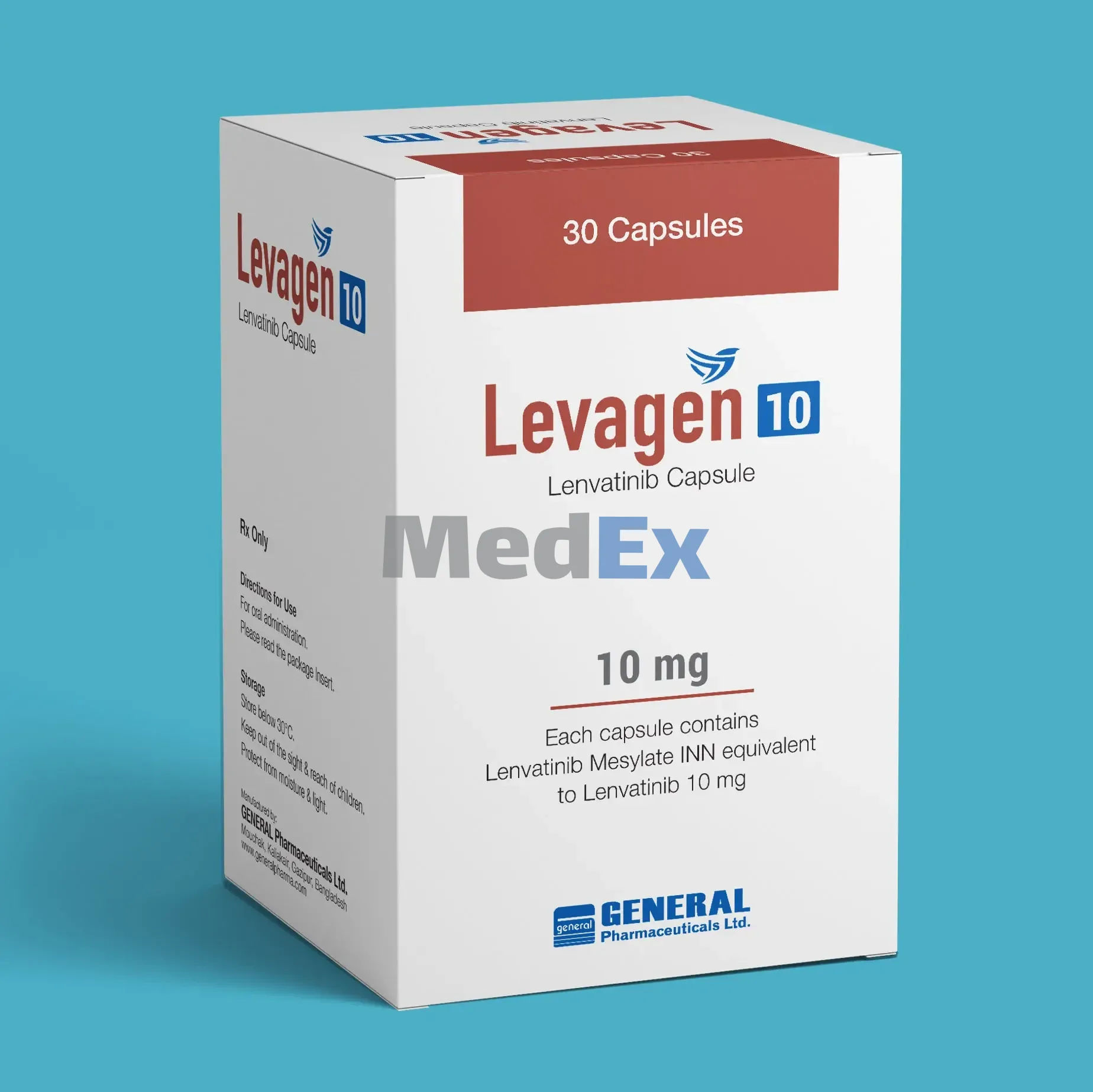
Cheaper & Alternative Brands
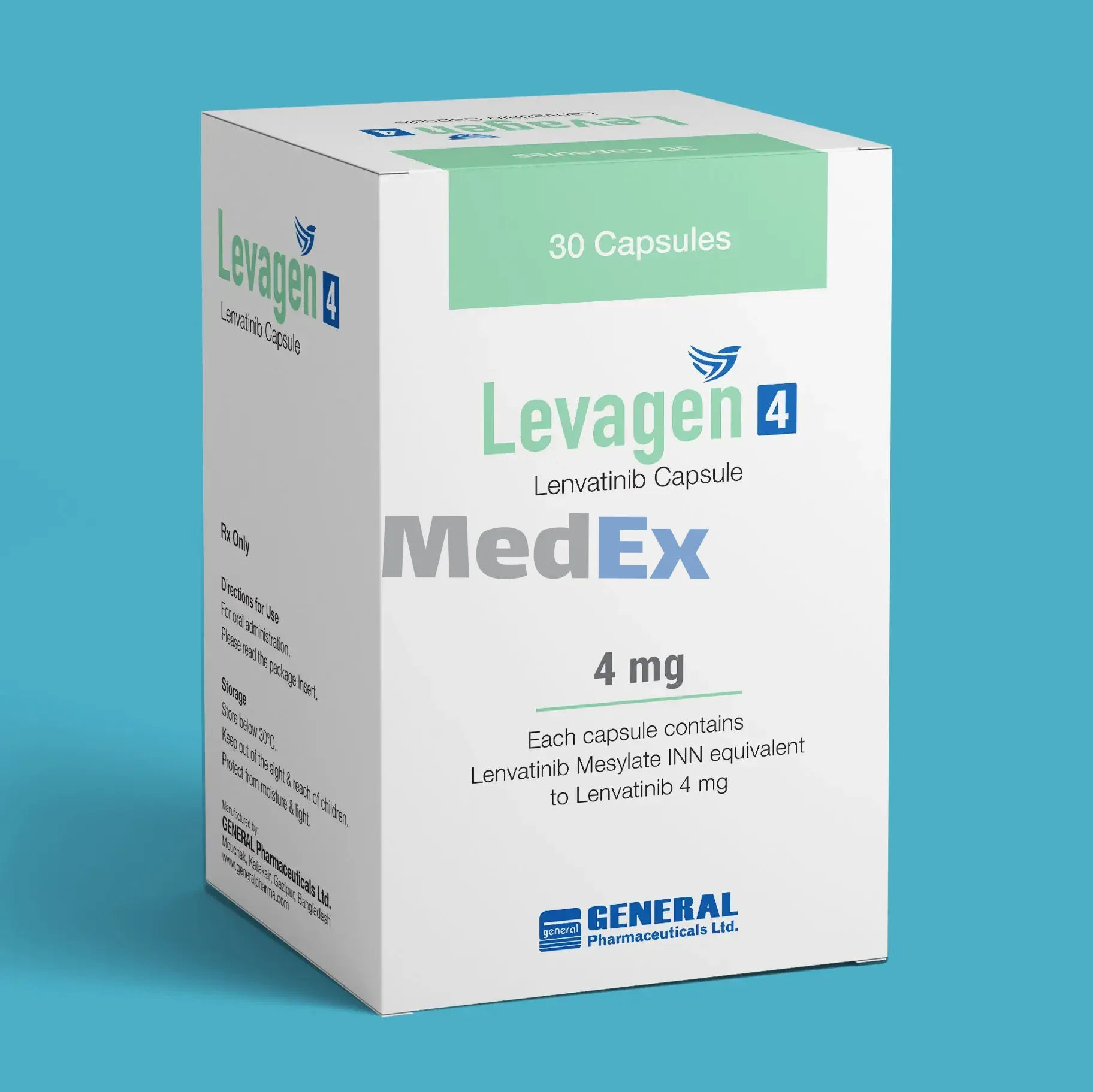
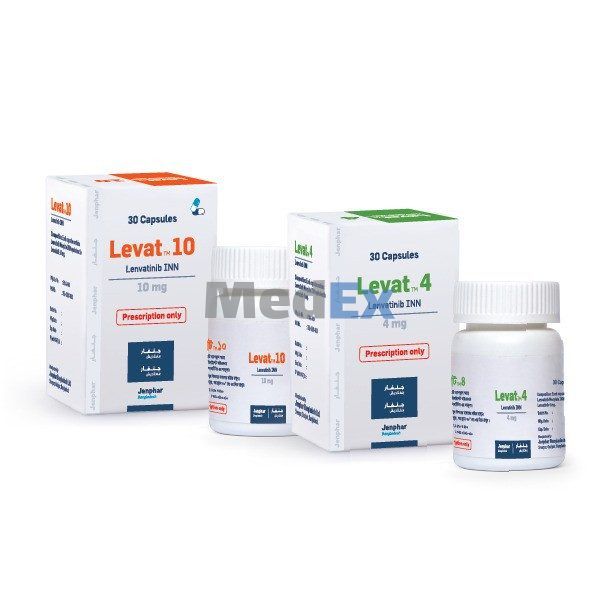
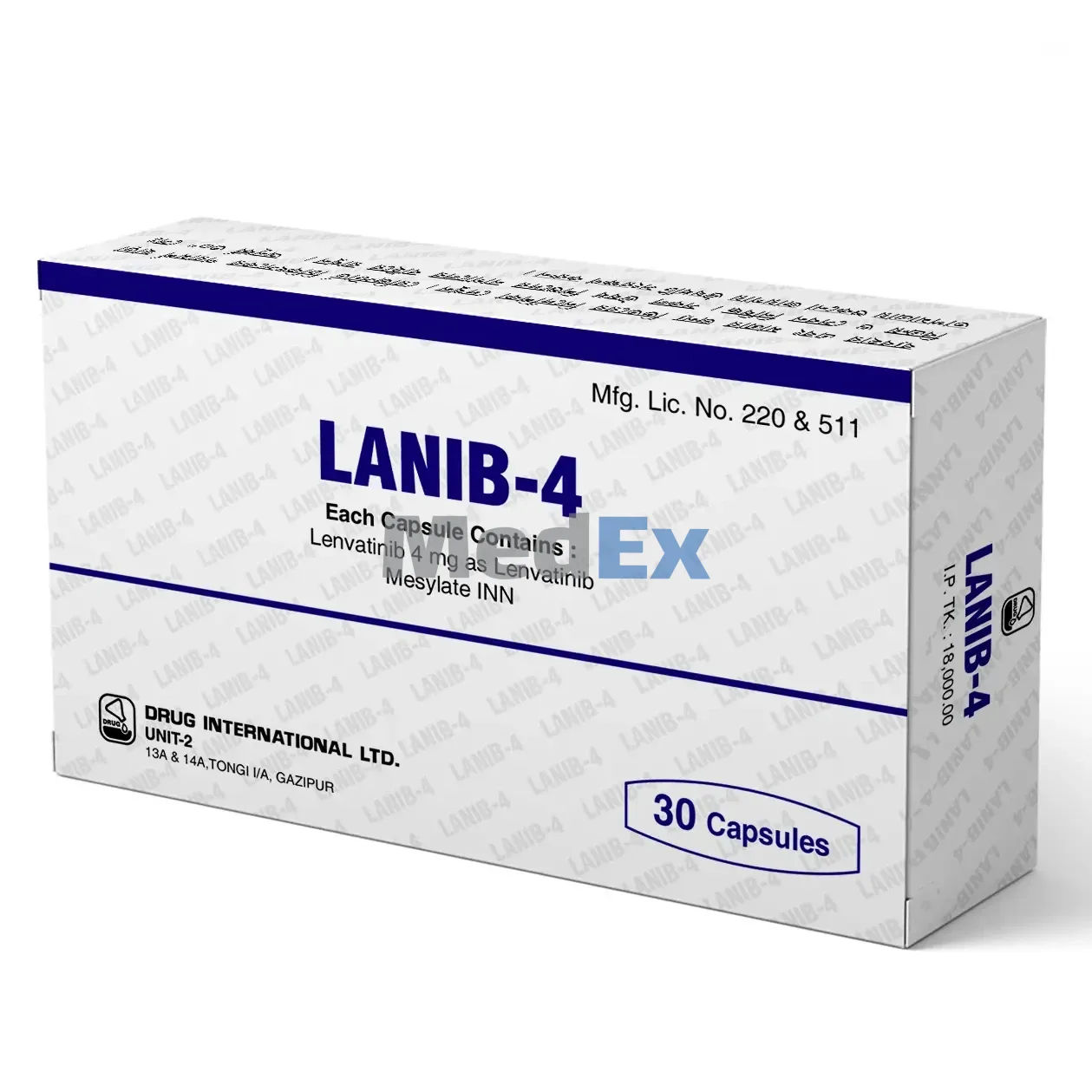
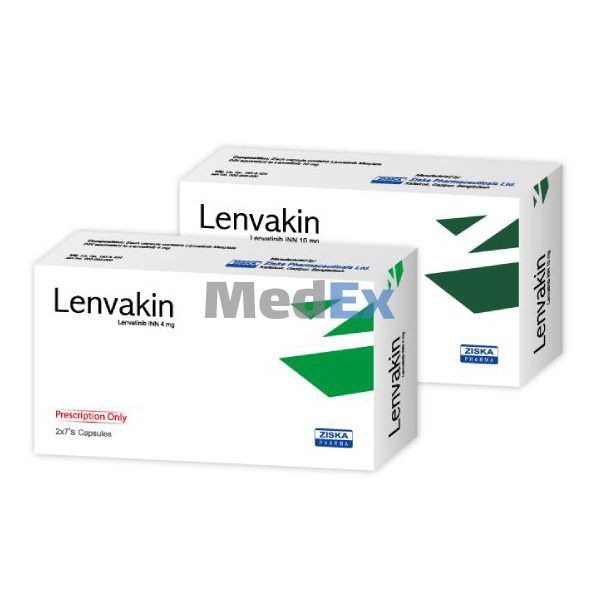
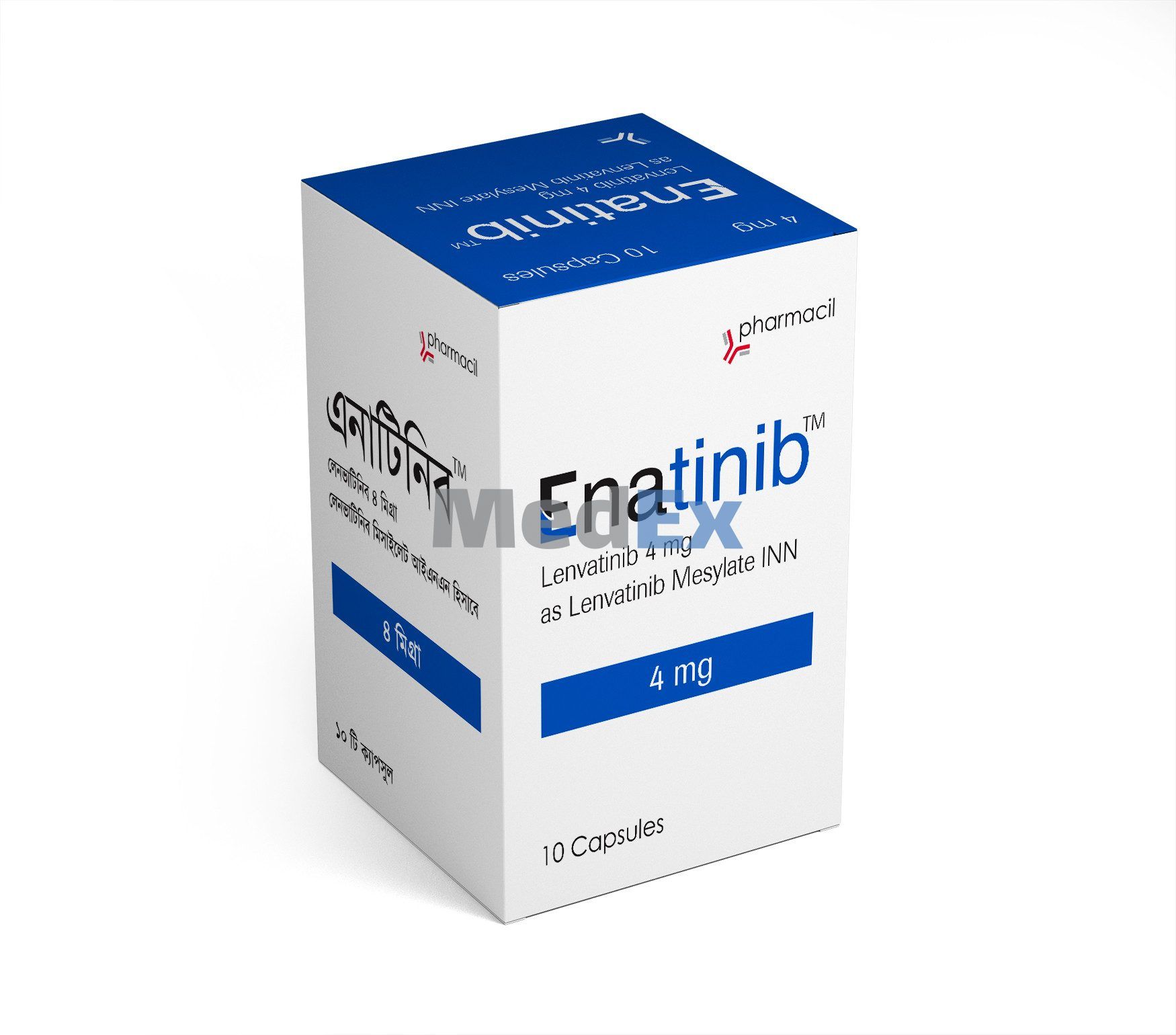
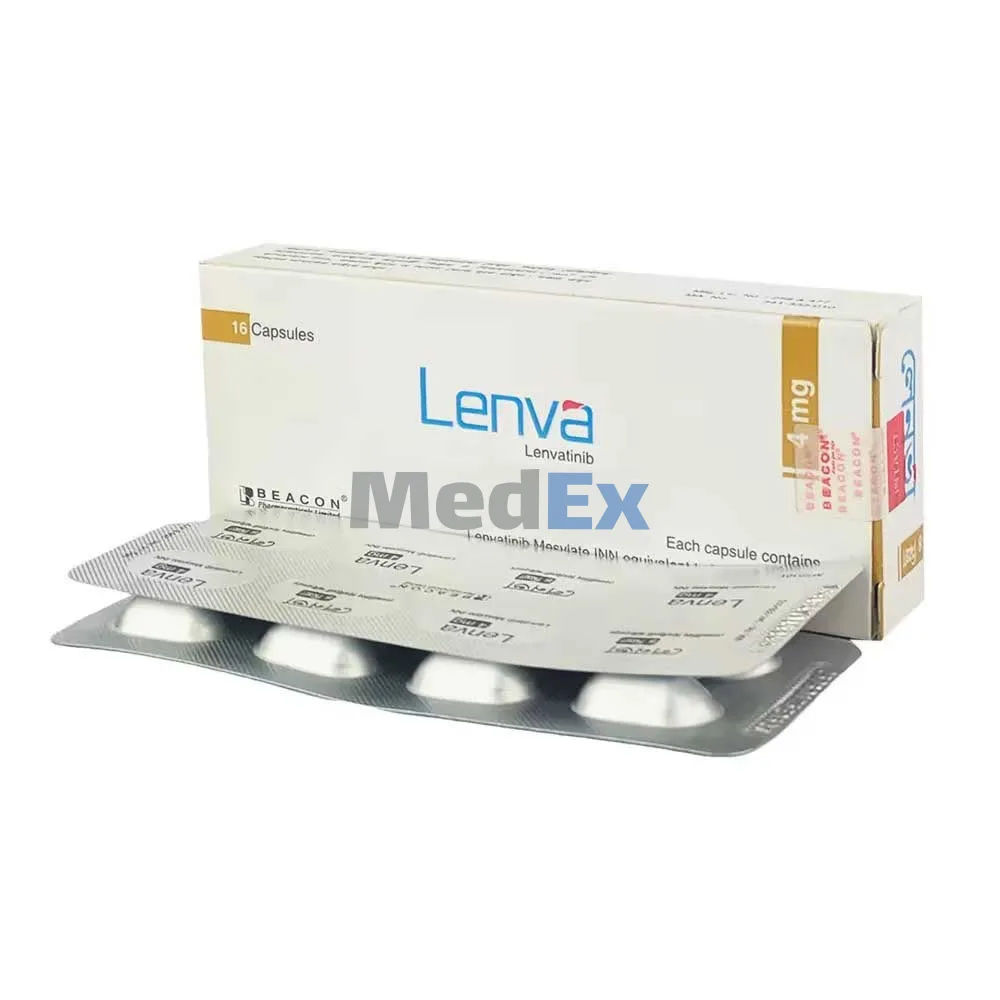
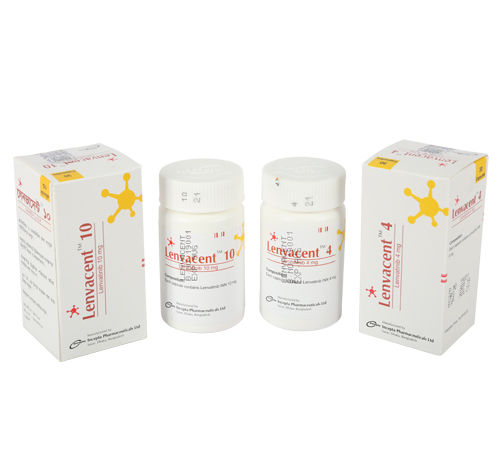
Same generic (Lenvatinib Mesylate), same form (Capsule)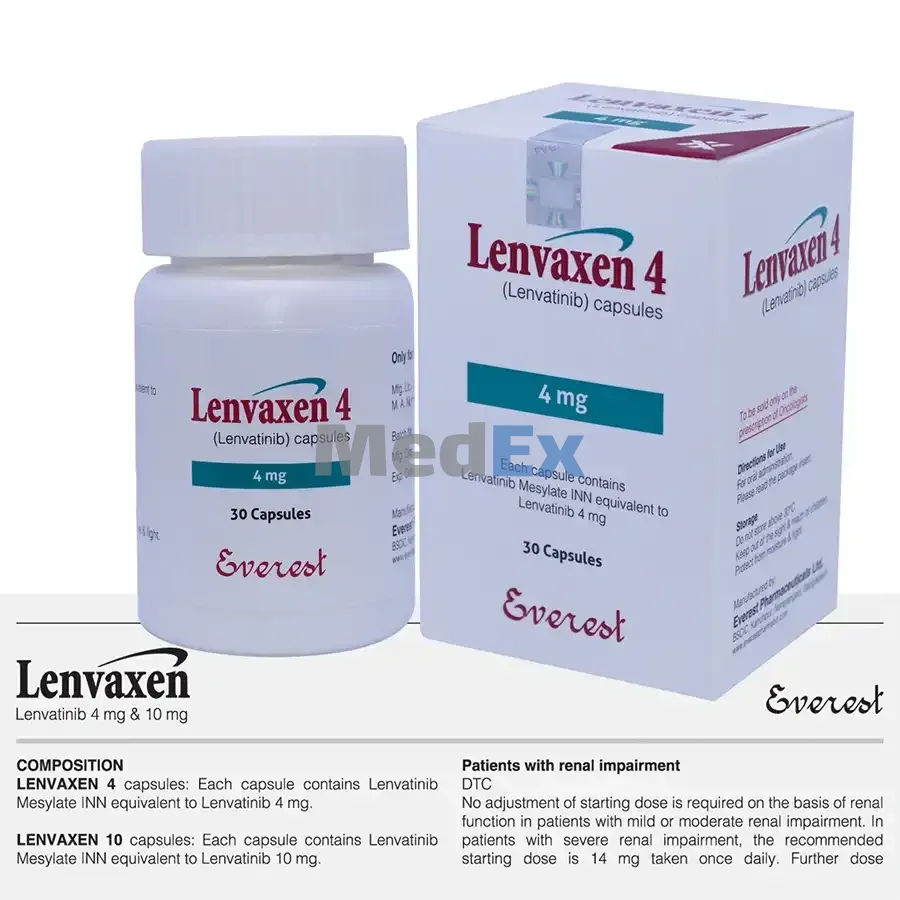
Clinical Prescribing Information
Medical monograph and safety information for healthcare professionals & patients.Indications & Clinical Uses
Enatinib is a kinase inhibitor that is indicated:
Differentiated Thyroid Cancer
: Enatinib is indicated for the treatment of patients with locally recurrent or metastatic, progressive, radioactive iodine-refractory differentiated thyroid cancer (DTC).
Renal Cell Carcinoma
... Read more
Enatinib is a kinase inhibitor that is indicated:
Differentiated Thyroid Cancer
: Enatinib is indicated for the treatment of patients with locally recurrent or metastatic, progressive, radioactive iodine-refractory differentiated thyroid cancer (DTC).
Renal Cell Carcinoma
: Enatinib is indicated in combination with Everolimus for the treatment of patients with advanced renal cell carcinoma (RCC) following one prior anti-angiogenic therapy.
Hepatocellular Carcinoma
: Enatinib is indicated for the first-line treatment of patients with unresectable hepatocellular carcinoma (HCC).
Endometrial Carcinoma
: Enatinib, in combination with Pembrolizumab, is indicated for the treatment of patients with advanced endometrial carcinoma that is not microsatellite instability-high (MSI-H) or mismatch repair deficient (dMMR), who have disease progression following prior systemic therapy and are not candidates for curative surgery or radiation.
Contraindications
It is contraindicated in patients with known hypersensitivity to Lenvatinib or to any component of the formulation.
Side Effects & Adverse Reactions
Hypertension, cardiac dysfunction, arterial thromboembolic events, hepatotoxicity, renal failure and impairment, proteinuria, diarrhea, fistula formation and gastrointestinal perforation, QT Interval Prolongation, hypocalcemia, reversible posterior leukoencephalopathy syndrome, hemorrhagic events, impairment of thyroid stimulating hormone suppression/thyroid dysfunction, wound healing complications.
Warnings & Precautions
Hypertension
: Control blood pressure prior to initiating Enatinib. Monitor blood pressure after 1 week, then every 2 weeks for the first 2 months, and then at least monthly thereafter during treatment. Withhold and resume at a reduced dose when hypertension is controlled or permanently discontinue Enatinib is based on severity.
Cardiac Dysfunction
: Serious and fatal cardiac dysfunction can occur with Enatinib. Monitor patients for clinical symptoms or signs of cardiac dysfunction. Withhold and resume at a reduced dose upon recovery or permanently discontinue Enatinib based on severity.
Arterial Thromboembolic Events
: Permanently discontinue Enatinib following an arterial thrombotic event. The safety of resuming Enatinib after an arterial thromboembolic event has not been established and Enatinib has not been studied in patients who have had an arterial thromboembolic event within the previous 6 months.
Hepatotoxicity
: Monitor liver function prior to initiating Enatinib, then every 2 weeks for the first 2 months, and at least monthly thereafter during treatment. Monitor patients with HCC closely for signs of hepatic failure, including hepatic encephalopathy. Withhold and resume at a reduced dose upon recovery or permanently discontinue Enatinib based on severity.
Renal Failure or Impairment
: Withhold and resume at a reduced dose upon recovery or permanently discontinue Enatinib for renal failure or impairment based on severity.
Proteinuria
: Monitor for proteinuria prior to initiating Enatinib and periodically during treatment. If urine dipstick proteinuria greater than or equal to 2+ is detected, obtain a 24-hour urine protein. Withhold and resume at a reduced dose upon recovery or permanently discontinue Enatinib based on severity.
Diarrhea
: Diarrhea was the most frequent cause of dose interruption/reduction and diarrhea recurred despite dose reduction. Promptly initiate management of diarrhea. Withhold and resume at a reduced dose upon recovery or permanently discontinue Enatinib based on severity.
Fistula Formation and Gastrointestinal Perforation
: Permanently discontinue Enatinib in patients who develop gastrointestinal perforation of any severity or Grade 3 or 4 fistula.
QT Interval Prolongation
: Monitor and correct electrolyte abnormalities at baseline and periodically during treatment. Monitor electrocardiograms in patients with congenital long QT syndrome, congestive heart failure, bradyarrhythmias, or those who are taking drugs known to prolong the QT interval, including Class Ia and III antiarrhythmics. Withhold and resume at a reduced dose of Enatinib upon recovery based on severity.
Hypocalcemia
: Hypocalcemia improved or resolved following calcium supplementation, with or without dose interruption or dose reduction.
Reversible Posterior Leukoencephalopathy Syndrome
: Withhold and resume at a reduced dose upon recovery or permanently discontinue Enatinib depending on severity and persistence of neurologic symptoms.
Hemorrhagic Events
: Consider the risk of severe or fatal hemorrhage associated with tumor invasion or infiltration of major blood vessels (e.g. carotid artery). Withhold and resume at reduced dose upon recovery or permanently discontinue Enatinib based on the severity.
Impairment of Thyroid Stimulating Hormone Suppression/Thyroid Dysfunction
: Monitor thyroid function prior to initiating Enatinib and at least monthly during treatment. Treat hypothyroidism according to standard medical practice.
Wound Healing Complications
: Wound healing complications, including fistula formation and wound dehiscence, can occur with Enatinib. Withhold Enatinib for at least 6 days prior to scheduled surgery. Resume Enatinib after surgery based on clinical judgment of adequate wound healing. Permanently discontinue Enatinib in patients with wound healing complications.
Pharmacology & Mechanism of Action
Lenvatinib is a kinase inhibitor that inhibits the kinase activities of vascular endothelial growth factor (VEGF) receptors VEGFR1 (FLT1), VEGFR2 (KDR), and VEGFR3 (FLT4). Lenvatinib inhibits other kinases that have been implicated in pathogenic angiogenesis, tumor growth, and cancer progression in addition to their normal cellular functions, including fibroblast growth factor (FGF) receptors FGFR1, 2, 3, and 4; platelet-derived growth factor receptor alpha (PDGFR ), KIT, and RET. Lenvatinib also exhibited antiproliferative activity in hepatocellular carcinoma cell lines dependent on activated FGFR signaling with concurrent inhibition of FGF-receptor substrate 2 (FRS2 ) phosphorylation.
Absorption
: The time to peak plasma concentration (Tmax) typically occurred from 1 to 4 hours post-dose. Administration with a high-fat meal (approximately 900 calories of which approximately 55% were from fat, 15% from protein, and 30% from carbohydrates) did not affect the extent of absorption, but decreased the rate of absorption and delayed the median Tmax from 2 hours to 4 hours.
Distribution
: In vitro binding of Lenvatinib to human plasma proteins ranged from 98% to 99% at concentrations of 0.3 to 30 μg/mL. The blood-to-plasma concentration ratio ranged from 0.59 to 0.61 at concentrations of 0.1 to 10 μg/mL in vitro.
Metabolism
: The main metabolic pathways for Lenvatinib in humans were identified as enzymatic (CYP3A and aldehyde oxidase) and non-enzymatic processes. Excretion: Ten days after a single administration of radiolabeled Lenvatinib, approximately 64% and 25% of the radiolabel were eliminated in the feces and urine, respectively.
Elimination
: The terminal elimination half-life of Lenvatinib was approximately 28 hours.