
Endosis
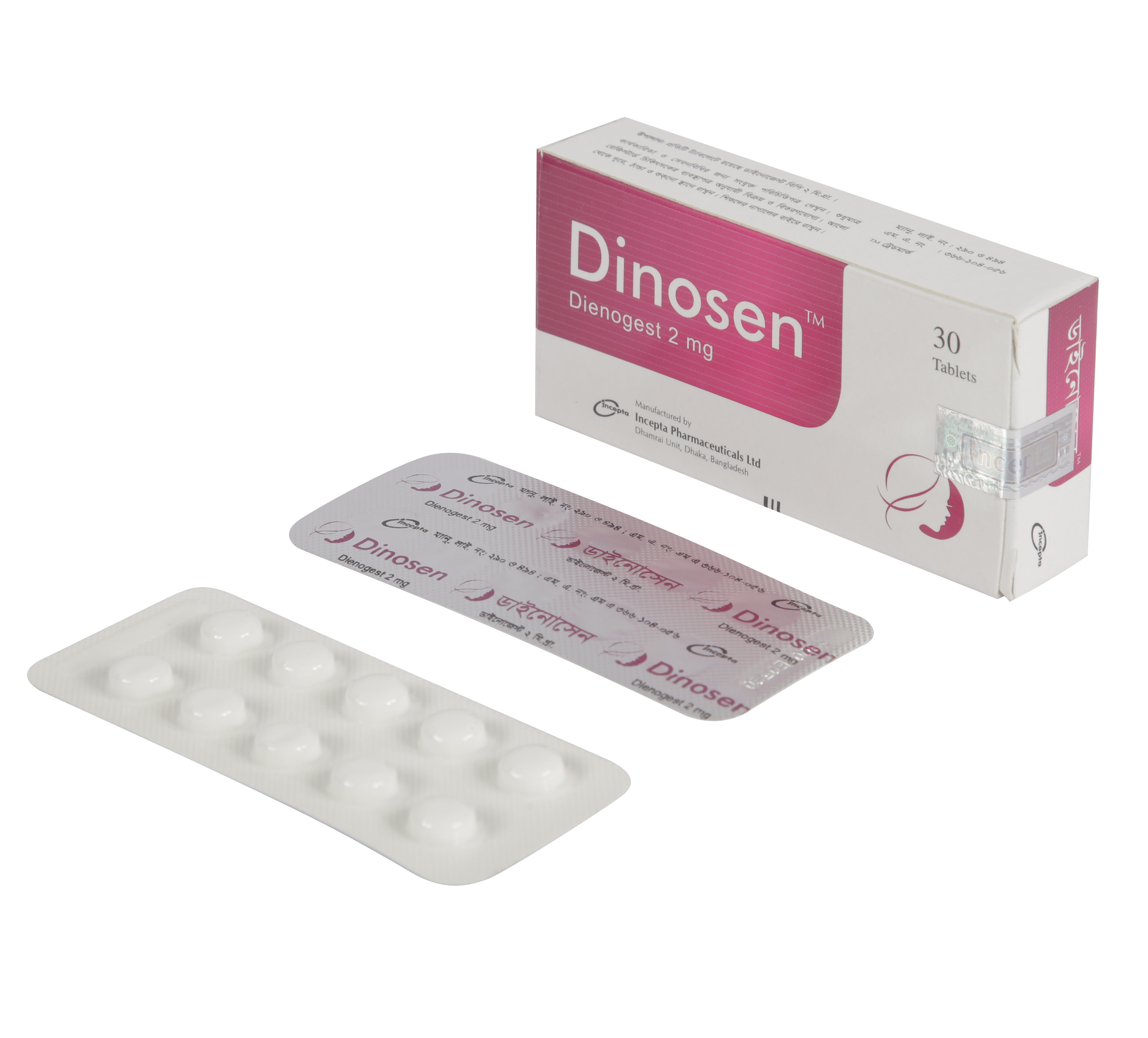
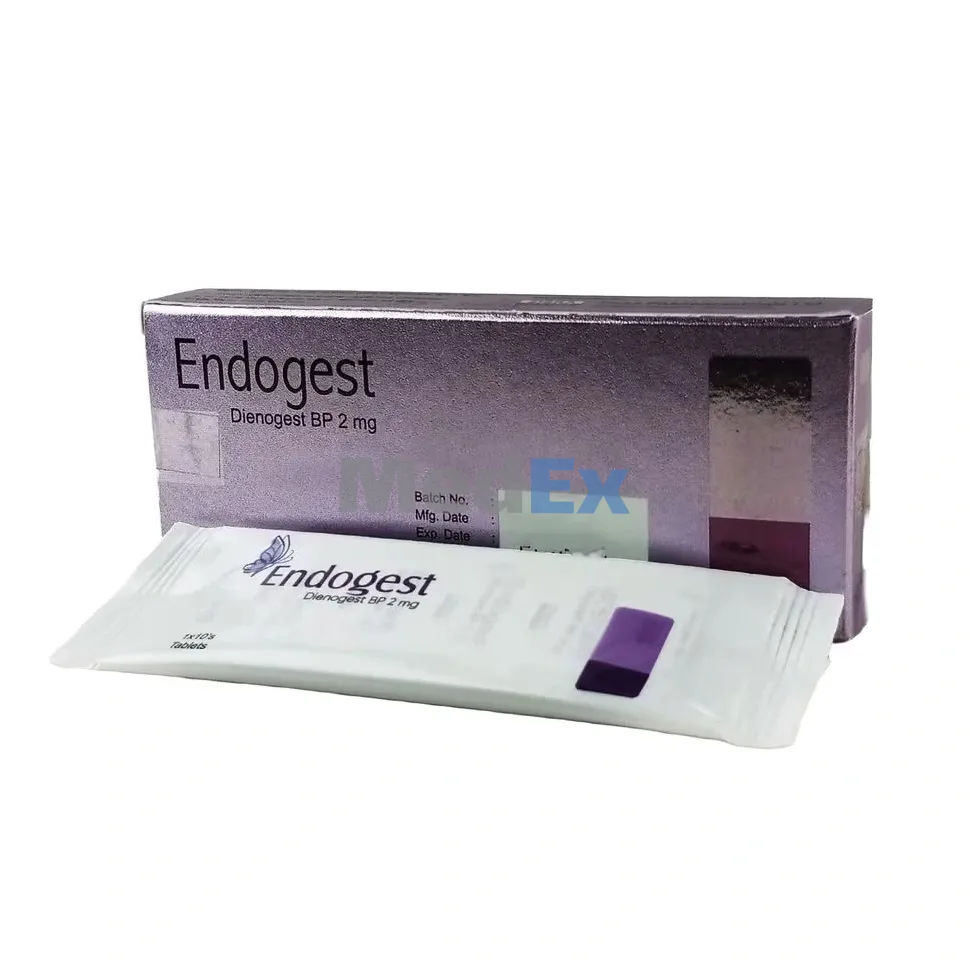
Cheaper & Alternative Brands
Same generic (Dienogest), same form (Tablet)






Clinical Prescribing Information
Medical monograph and safety information for healthcare professionals & patients.Indications & Clinical Uses
Daizy is indicated for the treatment of endometriosis. Daizy belongs to the class of medications called progestins. Progestins reduce the effects of estrogen on tissues such as the endometrium (lining of the uterus) and the breast. By reducing the growth effect of estrogen on the endometrium, Daizy helps to reduce the pelvic pain experienced by women with endometriosis.
Dosage & Administration
Tablet-taking can be started on any day of the menstrual cycle. The dosage of Dienogest is 2 mg daily without any break, taken preferably at the same time each day with some liquid as needed. Tablet must be taken continuously without regard to vaginal bleeding. When a pack is finished, the next one should be started without interruption.
In the event of missed tablet(s), the woman should take 2 mg only, as soon as she remembers, and should then continue the next day to take the tablet at her usual time. A tablet not absorbed due to vomiting or diarrhea should likewise be replaced by 2 mg.
Contraindications
Hypersensitivity to dienogest or to any of the excipients of Dienogest. Dienogest should not be used in the presence of any of the conditions such as, Active venous thromboembolic disorder; arterial and cardiovascular disease, (e.g, myocardial infarction, cerebrovascular accident, ischemic heart disease); diabetes mellitus with vascular involvement; presence or history of severe hepatic disease as long as liver function values have not returned to normal; presence or history of liver tumors (benign or malignant); known or suspected sex hormone-dependent malignancies and undiagnosed vaginal bleeding.
Side Effects & Adverse Reactions
Undesirable effects are more common during the 1st months after start of intake of Daizy, and subside with duration of treatment. The following undesirable effects have been reported in users of Daizy. The most frequently reported undesirable effects during treatment that were considered at least possibly related to Daizy were headache (9%), breast discomfort (5.4%), depressed mood (5.1%) and acne (5.1%).
Nervous System Disorders: Headache, migraine.
Cardiac Disorders: Uncommon: Unspecified circulatory system disorder, palpitations.
Vascular Disorders: Uncommon: Hypotension.
Gastrointestinal Disorders: Common: Nausea, abdominal pain, flatulence.
Metabolism and nutrition disorders: Weight increase (3.6%)
Psychiatric Disorders: Depressed mood, irritability, nervousness, altered mood.
Warnings & Precautions
Before starting Daizy treatment, pregnancy must be excluded. During treatment, patients are advised to use nonhormonal methods of contraception (e.g, barrier method) if contraception is required.
As Daizy is a progestogen-only preparation, it can be assumed that special warnings and special precautions for use of other progestogen-only preparations are also valid for the use of Daizy .
Changes in Bleeding Pattern: Daizy treatment affects the menstrual bleeding pattern in the majority of women.
Hepatic Impairment: Daizy is contraindicated in patients with present or past severe hepatic disease.
Impairment of Fertility: Based on available data, ovulation is inhibited in the majority of patients during treatment with Daizy. However, Daizy is not a contraceptive. If contraception is required, a nonhormonal method should be used.
Pharmacology & Mechanism of Action
Dienogest acts as an agonist at the progesterone receptor (PR) with weak affinity that is comparable to that of progesterone but has a very potent progestagenic effect in the endometrium, causing endometrial atrophy after prolonged use. It promotes antiproliferative, immunologic and antiangiogenic effects on endometrial tissue. Dienogest reduces the level of endogenous production of oestradiol and thereby suppressing the trophic effects of oestradiol on both the eutopic and ectopic endometrium. Continous administration of dienogest results in hyperprogestogenic and moderately hypoestrogenic endocrine environment, which causes initial decidualization of endometrial tissue. It is an antagonist at androgen receptors, improve androgenic symptoms such as acne and hirsutism [A16570].