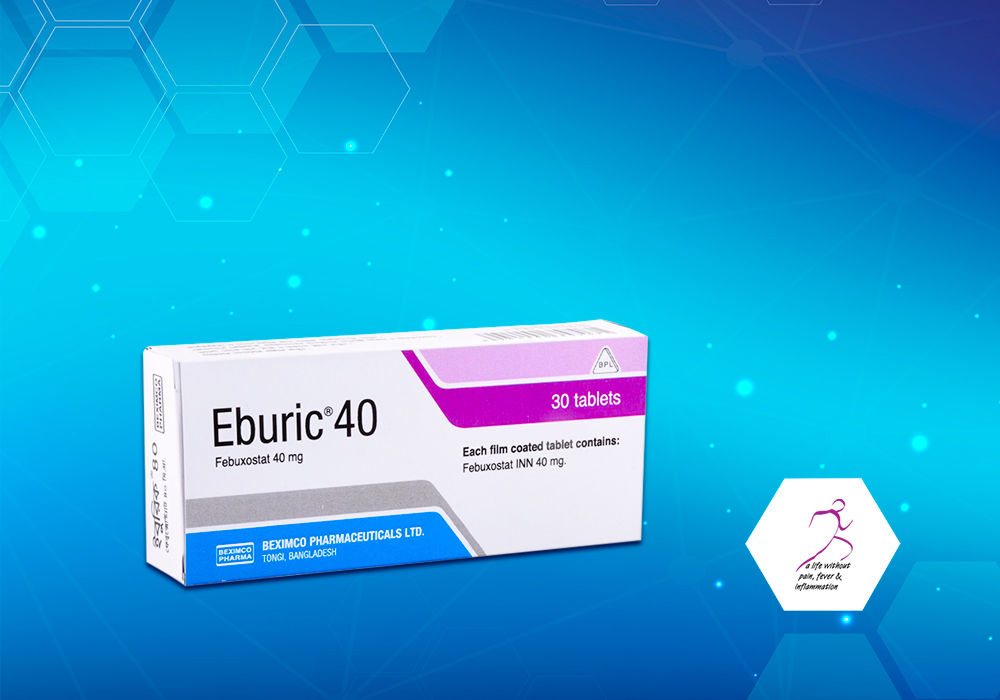
Eburic
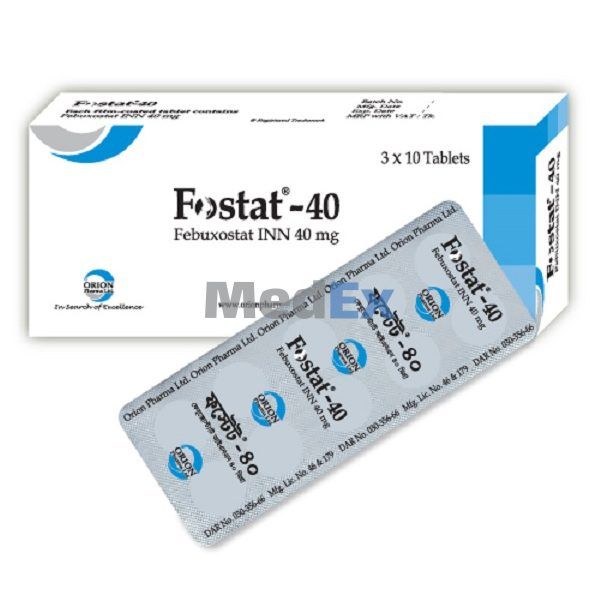
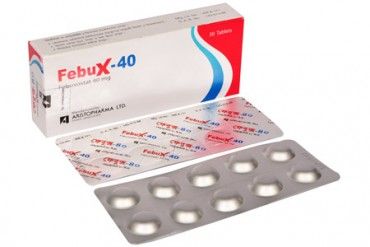
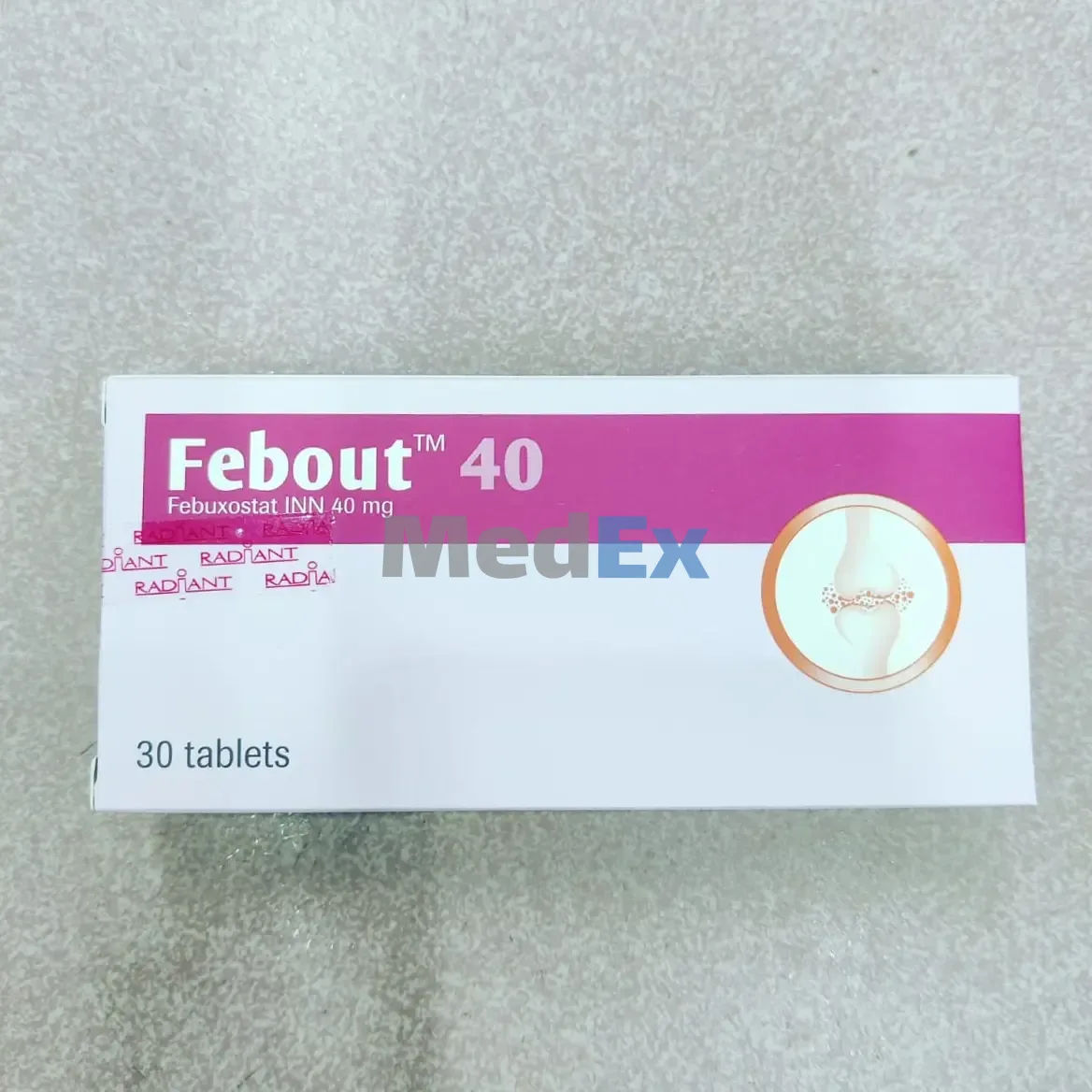
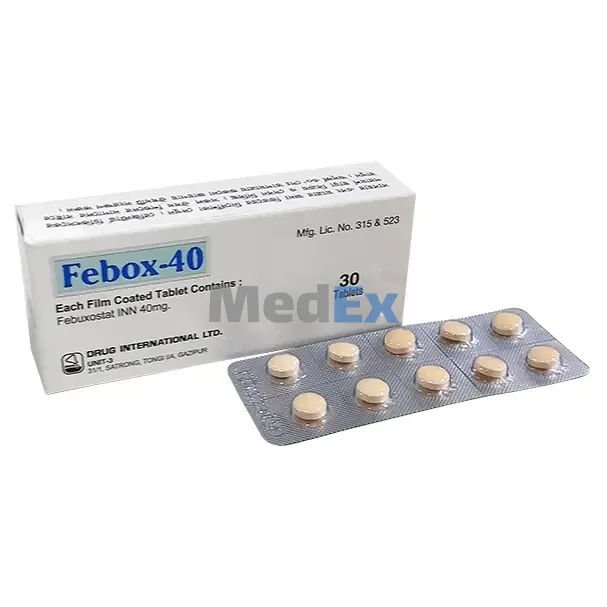
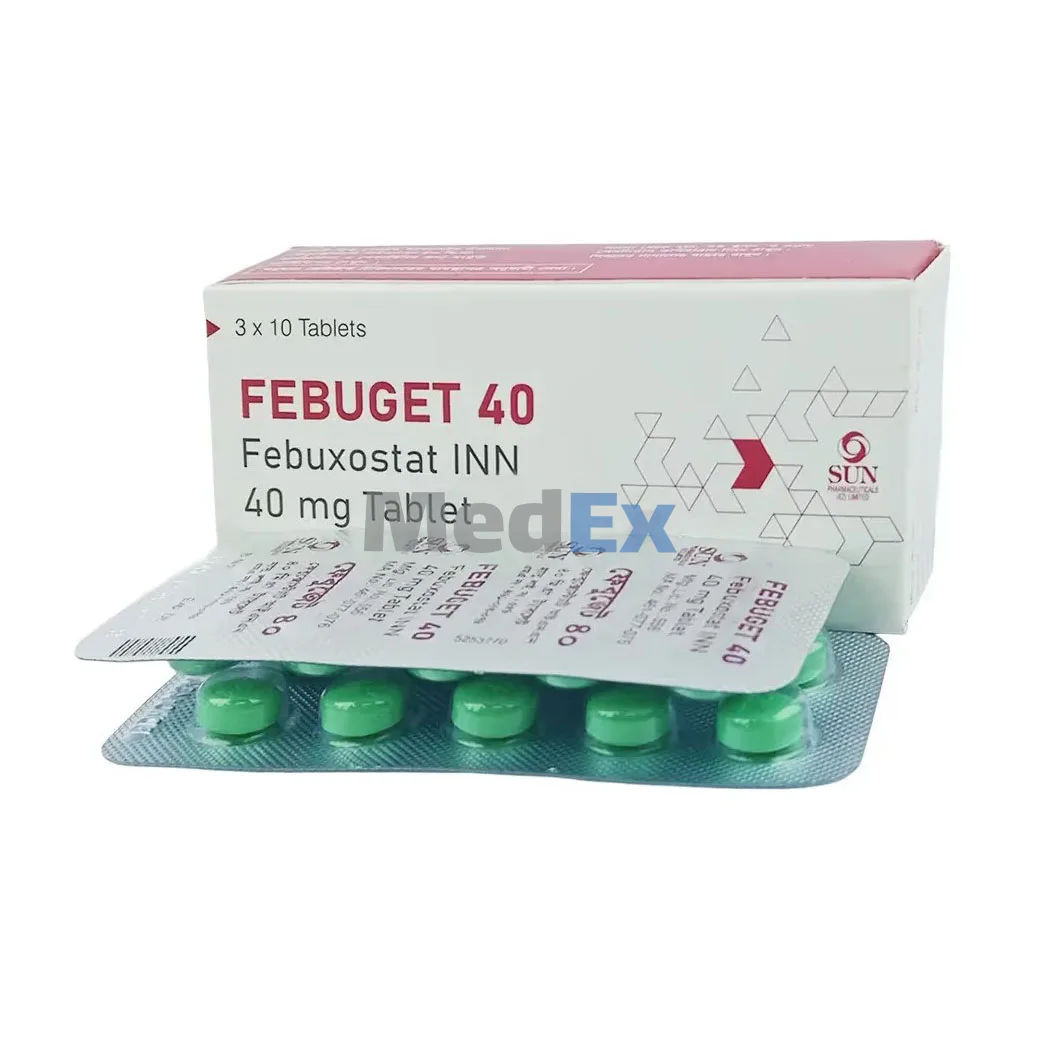
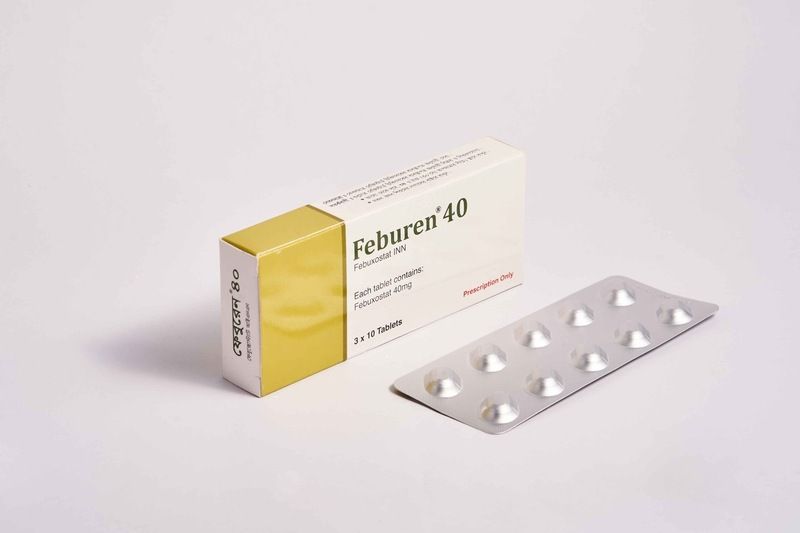
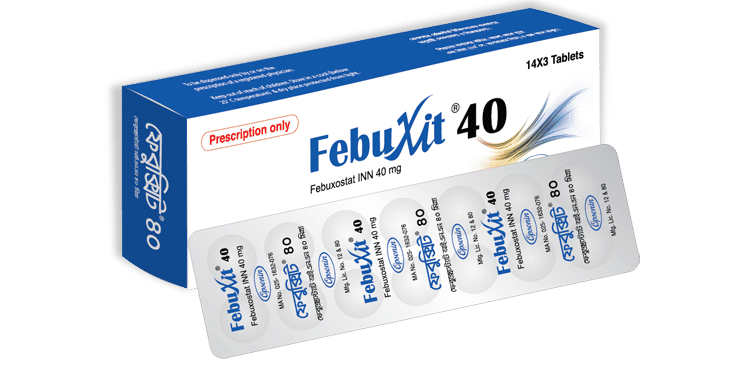
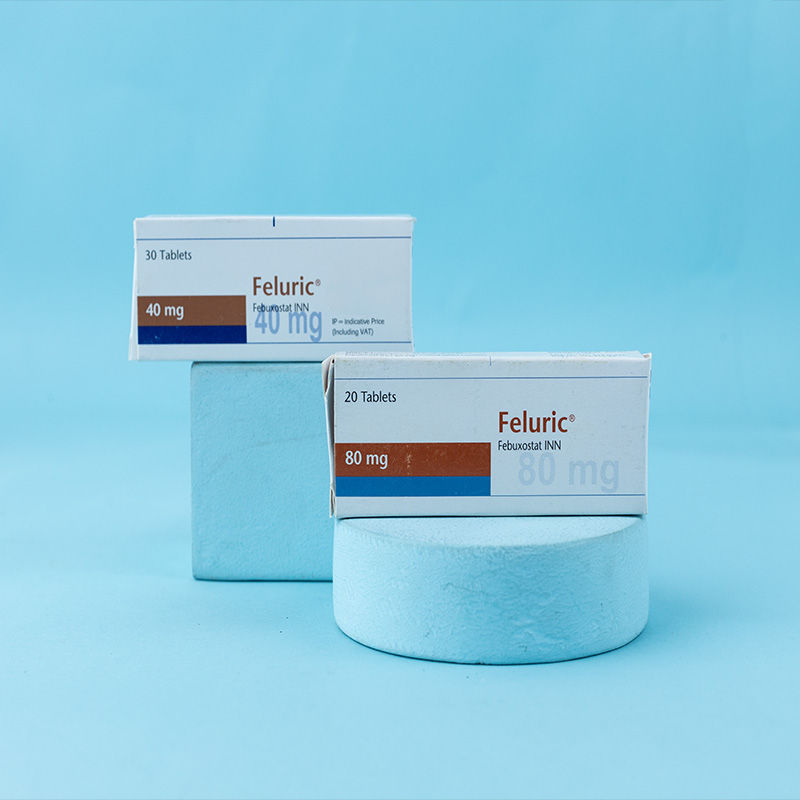
Cheaper & Alternative Brands
Same generic (Febuxostat), same form (Tablet)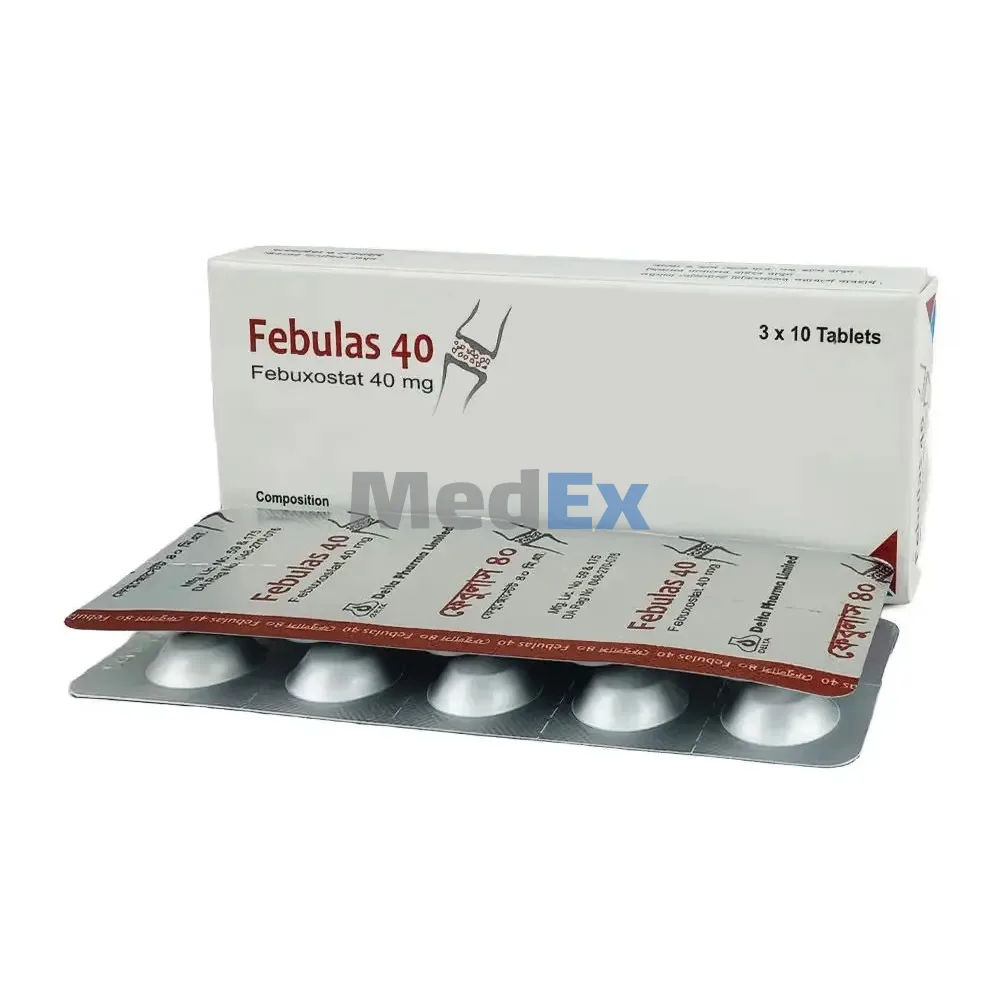

Clinical Prescribing Information
Medical monograph and safety information for healthcare professionals & patients.Indications & Clinical Uses
Barif tablets are indicated for the chronic management of hyperuricemia in patients with gout. Barif tablets are not recommended for the treatment of asymptomatic hyperuricemia.
Dosage & Administration
The recommended starting dose
: Febuxostat 40 mg tablet once daily. For patients who do not achieve a serum uric acid less than 6 mg per dL after 2 weeks with Febuxostat 40 mg tablet, One Febuxostat 80 mg tablet once daily is recommended. If serum uric acid less than 6 mg per dL after 2-4 weeks with Xanuric 80 (Febuxostat 80mg) tablet, then one Febuxostat 120 mg tablet once daily is recommended.
Tumor Lysis Syndrome
: The recommended dose is one Febuxostat 120 mg tablet once daily. Febuxostat 120 mg tablet should be started two days before the beginning of cytotoxic therapy and continued for a minimum of 7 days. However treatment may be prolonged up to 9 days according to chemotherapy duration as per clinical judgment.
Gout Flares
: Gout flares may occur after initiation of Feboxostat tablets due to changing serum uric acid levels resulting in mobilization of urate from tissue deposits. Flare prophylaxis with a non-steroidal anti-inflammatory drug (NSAID) or colchicine is recommended upon initiation of Febuxostat tablets. If a gout flare occurs during treatment, Feboxostat tablets need not be discontinued. The gout flare should be managed concurrently, as appropriate for the individual patient.
Renal impairment
: No dose adjustment is necessary when administering Febuxostat in patients with mild to moderate renal impairment.
Hepatic impairment
: No dose adjustment is necessary in patients with mild to moderate hepatic impairment.
Pediatric Use
: Safety and effectiveness in pediatric patients under 18 years of age have not been established
Contraindications
Febuxostat is contraindicated in patients being treated with azathioprine, mercaptopurine, or theophylline.
Side Effects & Adverse Reactions
The most commonly reported adverse reactions are gout flares, liver function abnormalities, diarrhoea, nausea, headache, rash and oedema. These adverse reactions were mostly mild or moderate in severity. Rare serious hypersensitivity reactions to Barif have observed.
Warnings & Precautions
Gout Flare
: An increase in gout flares is frequently observed during initiation of anti-hyperuricemic agents, including Barif. If a gout flare occurs during treatment, Barif need not be discontinued. Prophylactic therapy (i.e., non-steroidal anti-inflammatory drug (NSAID) or colchicine upon initiation of treatment) may be beneficial for up to six months.
Cardiovascular Events
: A higher rate of cardiovascular thromboembolic events was observed in patients treated with Barif than allopurinol in clinical trials. Monitor for signs and symptoms of MI and stroke.
Liver Enzyme Elevation
: Transaminase elevations have been observed in Barif -treated patients. Monitor liver function tests periodically.
Pharmacology & Mechanism of Action
Febuxostat is a non-purine, selective xanthine oxidase (XO) inhibitor. It decreases serum uric acid level by inhibiting xanthine oxidase, which is responsible for uric acid production. Xanthine oxidase breaks down hypoxanthine to xanthine and thus to uric acid. Febuxostat is not expected to inhibit other enzymes involved in purine and pyrimidine synthesis and metabolism at therapeutic concentrations.