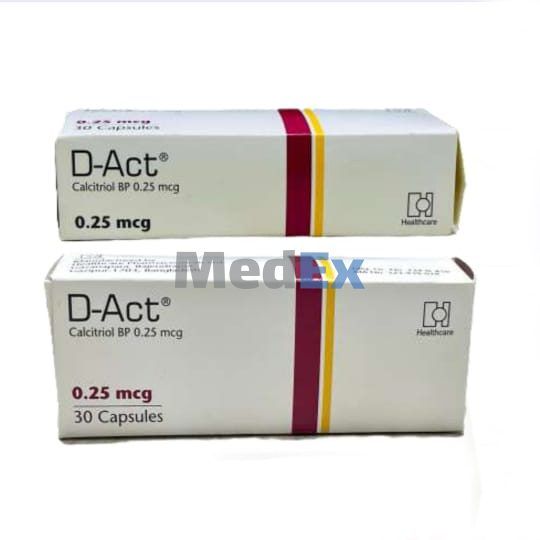
D-Act
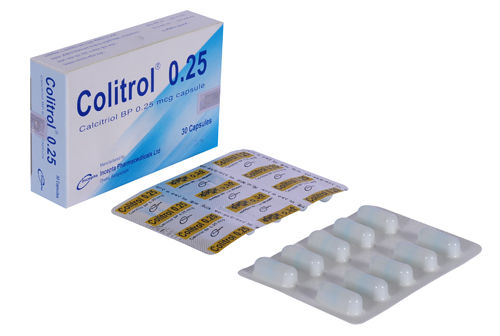
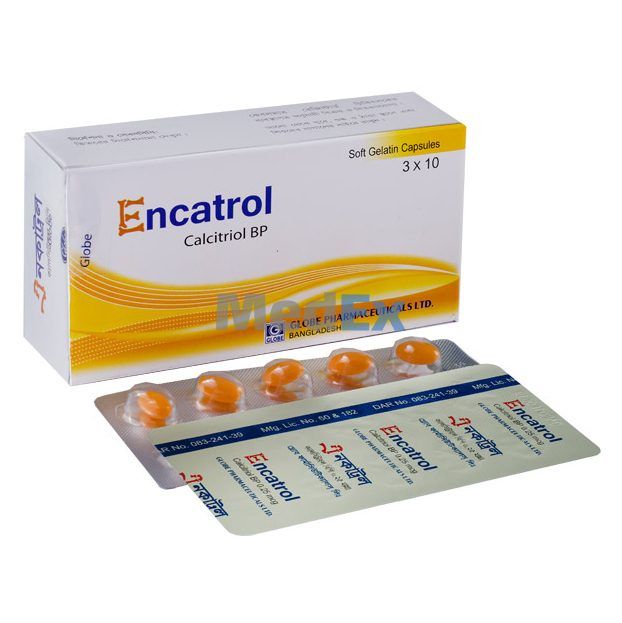
Cheaper & Alternative Brands
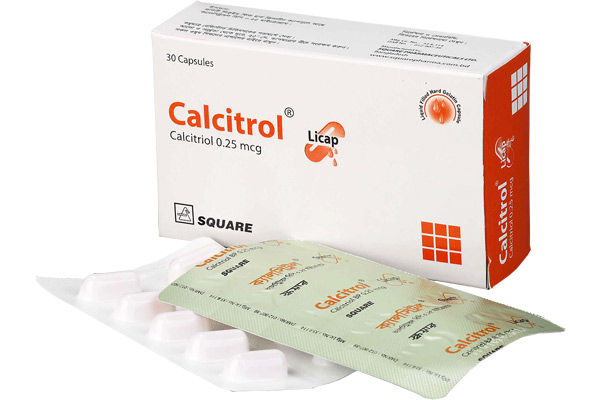
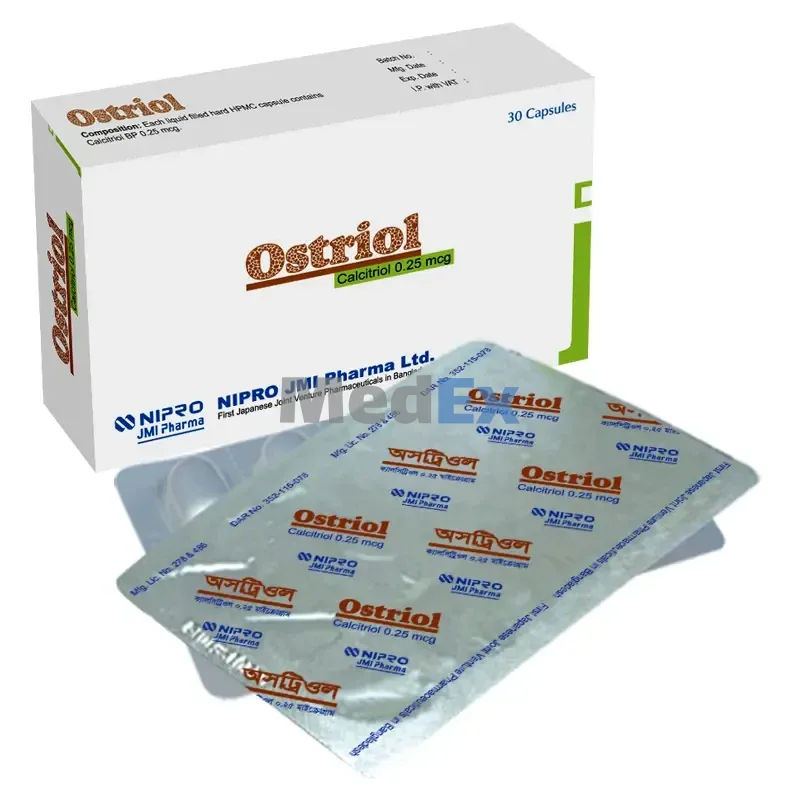
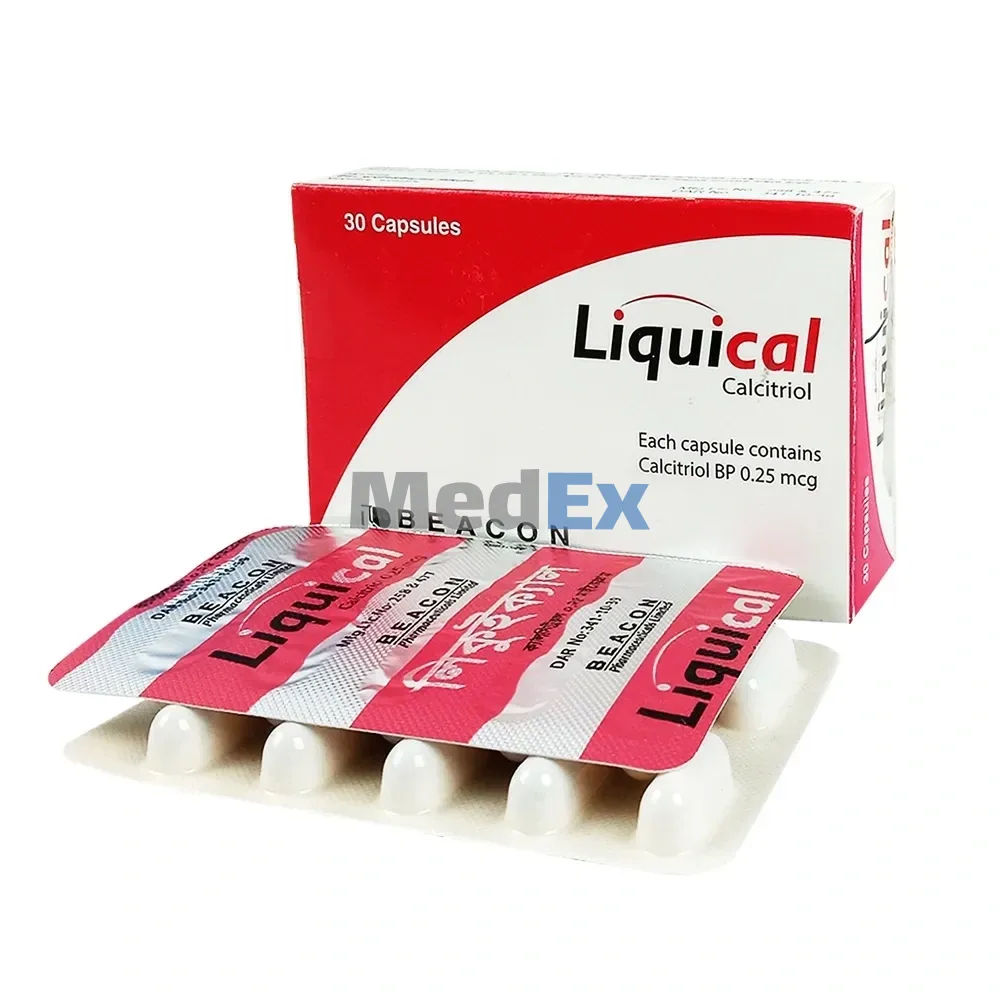
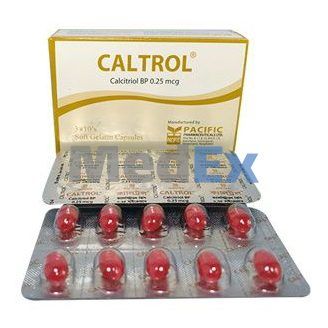
Same generic (Calcitriol), same form (Capsule)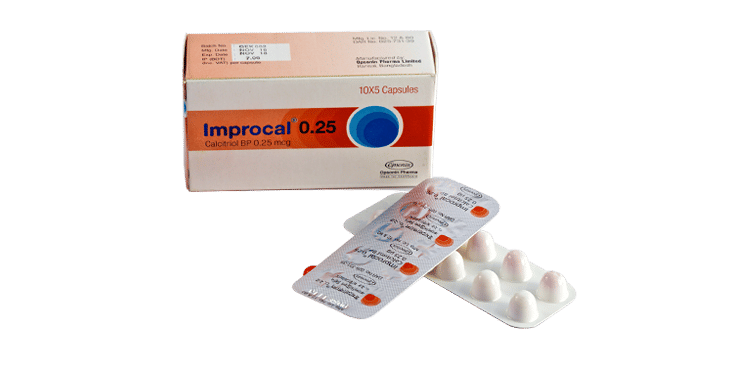

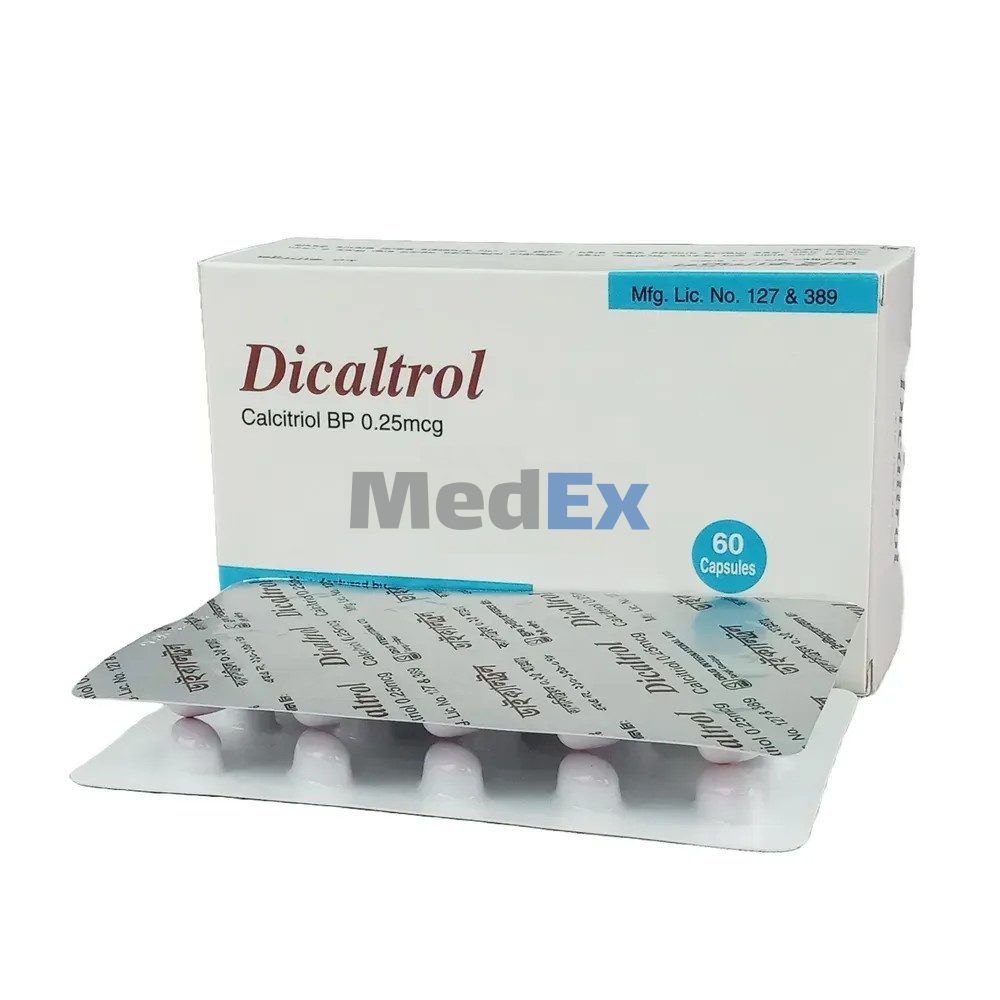
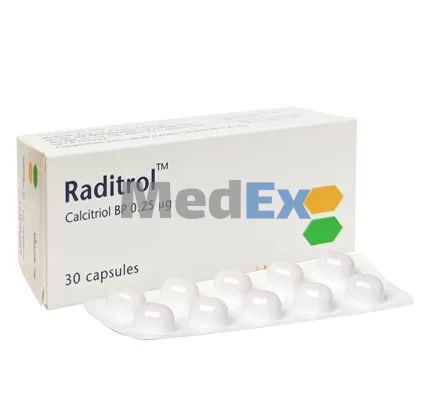
Clinical Prescribing Information
Medical monograph and safety information for healthcare professionals & patients.Indications & Clinical Uses
Calcitrol is indicated in-
Post-menopausal osteoporosis
Renal osteodystrophy
Postsurgical hypoparathyroidism
Idiopathic hypoparathyroidism
Pseudohypoparathyroidism
Secondary hyperparathyroidism in patients with moderate to severe chronic renal failure (pre-dialysis)
Vitamin D dependent rickets
Dosage & Administration
The optimal daily dose of Calcitriol capsule must be carefully determined for each patient on the basis of serum calcium level.
In Post-menopausal Osteoporosis
: The recommended dose of Calcitriol capsule is 0.25 mcg twice daily.
In Renal Osteodystrophy (dialysis patients)
: The initial daily dose is 0.25 mcg of Calcitriol capsule. In patients with normal or only slightly reduced calcium levels, doses of 0.25 mcg every other day are sufficient.
In Hypoparathyroidism and Rickets
: The recommended initial dosage of Calcitriol capsule is 0.25 mcg/day which given in the morning. If within 2-4 weeks satisfactory response is not observed by usual dose then dose may be increased at 2-4 weeks intervals.
The recommended intravenous initial dose of Calcitriol injection, depending on the severity of the hypocalcemia and/or secondary hyperparathyroidism, is 1 mcg (0.02 mcg/kg) to 2 mcg administered three times weekly, approximately every other day. Doses as small as 0.5 mcg and as large as 4 mcg three times weekly have been used as an initial dose. If a satisfactory response is not observed, the dose may be increased by 0.5 to 1 mcg at two to four week intervals.
Contraindications
Calcitriol is contraindicated in patients with known hypersensitivity to any of its ingredients. Calcitriol is also contraindicated in all diseases associated with hypercalcemia.
Side Effects & Adverse Reactions
The early side effects of Calcitrol injection are weakness, headache, somnolence, nausea, vomiting, dry mouth, constipation, muscle pain, bone pain and metallic taste. Late side effects are polyuria, polydipsia, anorexia, weight loss, nocturia, conjunctivitis (calcific), pancreatitis, photophobia, rhinorrhea, pruritus, hyperthermia, decreased libido, elevated BUN, albuminuria, hypercholesterolemia, elevated SGOT and SGPT, ectopic calcification, hypertension, cardiac arrhythmias and, rarely, overt psychosis. Occasional mild pain on injection has been observed.
Warnings & Precautions
Excessive dosage of Calcitrol injection induces hypercalcemia and in some instances hypercalciuria. Calcitrol injection should be given cautiously to patients on digitalis, because hypercalcemia in such patients may precipitate cardiac arrhythmias. Discontinuation of Calcitrol injection therapy may result in rebound effect, therefore, appropriate titration downward to a maintenance dose is recommended. If hypercalcemia develops, the drug should be discontinued immediately.
Since Calcitrol injection is the most potent metabolite of vitamin D available, vitamin D and its derivatives should be withheld during treatment. A non-aluminum phosphate-binding compound should be used to control serum phosphorus levels in patients undergoing dialysis. Chronic hypercalcemia can lead to generalized vascular calcification, nephrocalcinosis and other soft-tissue calcification.
Pharmacology & Mechanism of Action
Calcitriol is one of the most important active metabolites of vitamin D3. It is normally formed in the kidneys from its precursor, 25-hydroxycholecalciferol. Calcitriol promotes intestinal absorption of calcium and regulates bone mineralization. The key role of Calcitriol is the regulation of calcium homeostasis, which includes stimulation effects on osteoblastic activity in the skeleton.